The Complete Jewelry Guide: From Buying to Making to Selling (2026 Edition)
May 14, 2026
The Complete Jewelry Guide: From Buying to Making to Selling (2026 Edition)
Jewelry is one of those things everyone interacts with but few people truly understand. You wear a ring every day — do you know what metal it is, why it's tarnishing, or whether the stone is real? You bought a necklace on vacation — is it worth anything? You've thought about making your own — where do you even start?
This guide pulls together everything in one place: how to buy smart, how to care for what you own, how to spot fakes, how to make your own pieces, and how to sell if you get good at it. Each section links to detailed articles if you want to go deeper.
Understanding Jewelry Metals
The metal is the foundation of any piece of jewelry. Get this wrong and everything else falls apart — literally, in the case of cheap alloys that turn your skin green or fall apart after a month.
Gold: Measured in karats (not carats — that's for gemstone weight). 24K is pure gold, too soft for daily wear. 18K (75% gold) is a good balance of purity and durability. 14K (58% gold) is the most popular for everyday jewelry. Gold-filled is a budget alternative — a thick layer of gold bonded to a brass core, much more durable than gold plating.
Silver: Sterling silver (92.5% silver, 7.5% copper) is the standard. It tarnishes because the copper reacts with sulfur in the air — this is normal and reversible. Understanding why silver tarnishes and how to prevent it saves a lot of frustration.
Gold vs. Silver: Not just a style choice. Gold is more inert and requires less maintenance, but costs significantly more. Silver needs regular polishing but is more affordable. For people with metal sensitivities, platinum or titanium may be better options.
Rose gold: An alloy of gold and copper. Not actually a separate metal — the pink color comes from the copper content. Durable and trendy, but the copper can cause reactions in sensitive skin.
Choosing the Right Chain
The chain is the most overlooked part of any necklace. A beautiful pendant on a cheap chain is wasted. Key considerations:
- Length: 16" sits at the collarbone (choker style), 18" is the most versatile, 20-24" falls on the chest
- Thickness: Match chain weight to pendant weight. A heavy pendant on a delicate chain will break.
- Style: Cable, box, snake, rope, Figaro — each has different durability and drape characteristics
- Clasp: Lobster clasps are the most secure for everyday wear. Spring rings are common but harder to fasten
Our complete chain guide covers matching chains to pendants in detail.
Layering Necklaces Like a Pro
The trick to layering is contrast — different lengths, different chain styles, different weights. Not three identical chains at three lengths (that looks like you forgot to take two off).
Layering like a pro comes down to a few principles: start with a simple base chain, add a medium pendant, finish with a longer delicate piece. Keep the metals consistent (all gold, all silver, or intentionally mixed).
Ring Sizing and Symbolism
Ring sizing is surprisingly tricky. Your finger size changes with temperature, time of day, and hydration level. Measure at room temperature in the afternoon for the most accurate result.
Beyond size, which finger you wear a ring on has cultural and historical significance. The ring finger of the left hand for romance is a Western tradition — other cultures have entirely different conventions.
Understanding Gemstones in Jewelry
Not all gemstones are suitable for all types of jewelry. A stone that works beautifully in a pendant might be destroyed in a ring within weeks.
For daily-wear rings: Mohs 7 or above. Sapphire (9), ruby (9), topaz (8), and quartz varieties (7) are safe bets. Opal (5.5-6.5) and turquoise (5-6) are risky for rings.
Birthstones: A popular way to choose stones with personal meaning. Our birthstone guide covers all twelve months with alternatives for each — because let's be honest, some traditional birthstones are impractical (looking at you, pearl rings).
Natural vs. synthetic: Lab-grown gemstones have the same chemical composition as natural ones. They're real stones, not fakes — just made in a lab instead of the ground. The main difference is price and rarity. For daily jewelry, synthetic is often the smarter choice.
Spotting Fake Jewelry
Fake jewelry isn't always cheap jewelry being sold as expensive. Sometimes it's treated stones being sold as natural, or base metal being sold as silver. Red flags:
- No hallmarks (925 for sterling, 14K/18K for gold)
- Price that seems too good — 18K gold for $20 isn't 18K gold
- Stone set with glue rather than prongs
- Color that's too uniform or too vivid
- Seller won't provide certification for expensive stones
Jewelry Care and Storage
Most jewelry damage comes from neglect, not wear. A few habits make a huge difference:
- Take it off before swimming, showering, or exercising. Chlorine eats gold. Salt corrodes silver. Sweat accelerates tarnish.
- Store pieces separately. Proper storage prevents 90% of tarnish and scratching problems. Individual soft pouches or compartmentalized boxes.
- Clean regularly but gently. Warm water, mild soap, soft brush. No toothpaste (it's abrasive). No ultrasonic cleaners for porous stones (pearl, turquoise, opal).
- Get valuable pieces appraised. Professional appraisals are essential for insurance and resale.
Making Your Own Jewelry
This is where it gets fun. Making jewelry is more accessible than most people think.
Wire wrapping (easiest starting point):
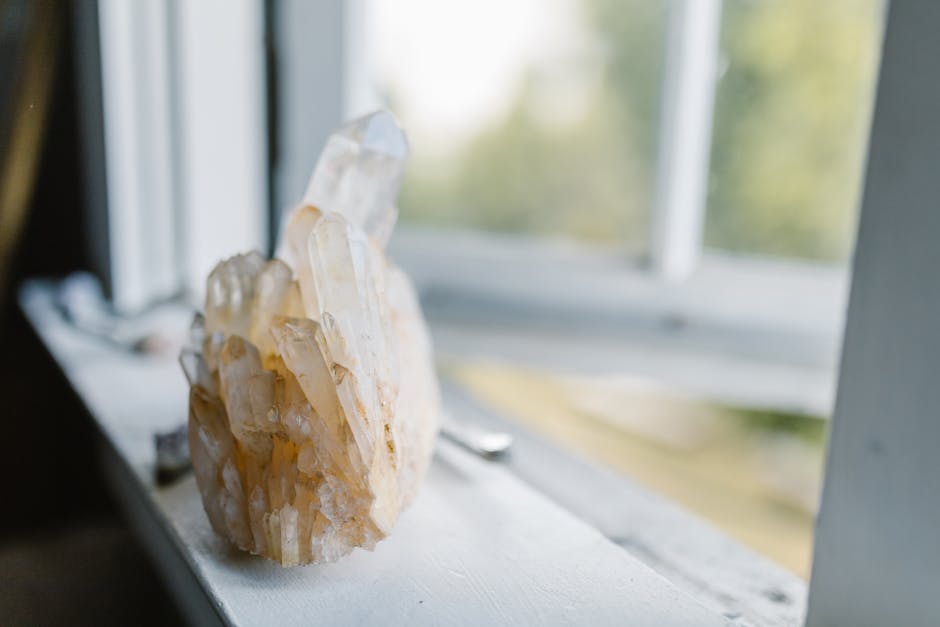
Wire wrapping crystals requires wire (copper is cheapest to practice with), round-nose pliers, and flat-nose pliers. Total cost to start: about $15. No soldering, no special equipment, and you can wrap any stone with a flat surface.
Beading:
Beaded bracelets are straightforward — beads, elastic cord or beading wire, and crimp beads. You can make your first bracelet in under an hour.
Resin jewelry:
Resin casting lets you encase objects (flowers, shells, small crystals) in clear jewelry. Requires epoxy resin, molds, and patience (curing takes 24-72 hours).
Glass etching and Dremel work:
For more advanced crafters, a Dremel rotary tool opens up engraving, carving, and polishing possibilities.
Selling Your Jewelry
If you enjoy making jewelry, selling is a natural next step. But it's a crowded market — success requires more than just making pretty things.
Pricing is the first hurdle. Most beginners underprice because they don't account for labor, overhead, or profit margin. The formula is: materials + (hourly rate × hours) + overhead + profit margin = price.
Etsy is the default starting platform, but fees add up fast (6.5% transaction fee + 3% + $0.25 payment processing + listing fees). For higher-volume sellers, your own website may be more profitable long-term.
Selling crystals and mineral specimens follows similar principles — good photography, honest descriptions, and competitive pricing.
Jewelry Photography Tips
Whether you're selling online or just sharing on social media, photographing jewelry and crystals well is a skill worth developing. The basics:
- Natural diffused light (overcast days are perfect)
- Neutral background (white or gray)
- Macro lens or close-up mode for detail shots
- Multiple angles — front, back, side, on-model
- Show scale with a coin or ruler for reference
Pearls: A Category of Their Own
Pearls are the only gemstones created by living organisms. They're also one of the most misunderstood.
Freshwater vs. saltwater, Akoya vs. Tahitian vs. South Sea — each type has different characteristics, price points, and care requirements. Key thing to know: pearls are organic (Mohs 2.5-4.5), which means they're soft, can be damaged by perfumes and chemicals, and need to be stored separately from harder gems.
What to Read Next
- Understanding jewelry metals in depth
- Complete wire wrapping guide
- Gemstone carving for beginners
- What makes a gemstone a gemstone
- The Ultimate Crystal Guide — our companion pillar page for crystal collectors
Good jewelry doesn't have to be expensive, but it should be intentional. Know what you're buying, care for what you own, and don't be afraid to make something yourself. The best piece of jewelry is the one you'll actually wear.

Comments