Types of Jewelry Clasps: A Complete Guide
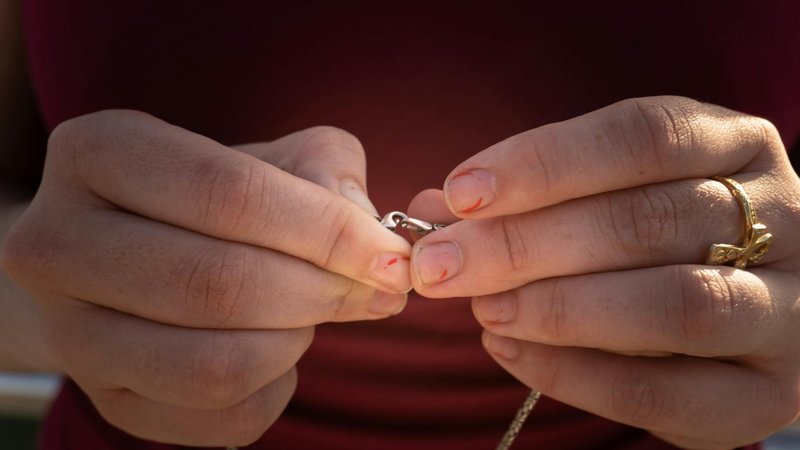
A friend asked me to fix her favorite necklace last month. The chain was fine, but the clasp had broken — one side of it was completely bent out of shape. Easy fix, I figured. I'd just swing by a jewelry supply shop, grab a replacement clasp, and swap it in. So I walked into the store and told the person behind the counter what I needed. She looked at me and asked, "What kind of clasp do you want?"
I stared at the display case in front of me. There must have been twenty different types of clasps — some I recognized, some I'd never seen before. Lobster claws, little spring rings, decorative T-bars, magnetic things, hooks, barrel shapes. I had absolutely no idea which one was right for her necklace, and I realized I'd never actually thought about how many different ways jewelry can be fastened together. After asking roughly a hundred questions and walking out with way more clasps than I needed, I decided to figure this out properly. Here's what I learned.
Why the Type of Clasp Actually Matters
It's tempting to think of clasps as an afterthought — just the hardware that keeps your necklace from falling off. But the clasp you choose affects several things that genuinely impact your experience wearing the piece:
- Security: A flimsy clasp on an expensive necklace is a recipe for disaster. The right clasp keeps your jewelry where it belongs — around your neck or wrist, not on the sidewalk.
- Comfort: Some clasps dig into your skin, catch on your hair, or feel bulky. Others are so smooth you forget they're there. If you wear a piece daily, comfort matters a lot.
- Ease of use: Can you put it on and take it off by yourself? Some clasps are simple enough for one-handed operation. Others require the dexterity of a watchmaker and the cooperation of a second person.
- Aesthetics: The clasp can either blend into the design or stand out as a deliberate design element. On some pieces, the clasp IS the design.
- Durability: Different clasp types hold up differently over time, especially with daily wear, exposure to water, or active use.
Picking the wrong clasp doesn't just mean a less enjoyable wearing experience — it can mean losing a cherished piece of jewelry entirely. I've heard too many stories of people losing necklaces because a poorly chosen clasp came undone at the worst possible moment.
The Main Types of Jewelry Clasps
1. Lobster Clasp
If you own any jewelry at all, you probably have something with a lobster clasp on it. It's the most widely used clasp in the industry, and for good reason. A lobster clasp has a small spring-loaded lever that you pull back to open a ring, slip it over the jump ring on the other end, and release to close. The name comes from the shape — it does look a bit like a lobster's claw.
Pros: Very secure when properly closed, easy to operate with one hand, widely available, works on most chain sizes, and generally durable enough for everyday wear. It's the workhorse of jewelry clasps.
Cons: It's not the most elegant-looking clasp, and the size can be a bit bulky on very delicate chains. People with limited hand strength or dexterity issues might find the small lever difficult to manage.
Best for: Necklaces, bracelets, and anklets of most sizes. If you're not sure what clasp to pick, lobster is rarely a wrong answer.
2. Spring Ring Clasp
A spring ring clasp is a small circular ring with a tiny spring-loaded tab that you pull back to open. It's more compact than a lobster clasp and has a cleaner, more minimalist appearance. The mechanism is simple: pull the little lever, the ring opens, slip it onto the other end's jump ring, release, and it snaps shut.
Pros: Very small and unobtrusive, looks clean on delicate jewelry, relatively secure when closed properly, and less bulky than a lobster clasp.
Cons: That tiny lever is genuinely hard to operate with one hand, especially if you have long nails or any kind of hand stiffness. I've watched people struggle with spring rings for what felt like minutes. It's the clasp most likely to make you late for work because you can't fasten your necklace.
Best for: Fine chain necklaces and delicate bracelets where a lobster clasp would look disproportionate. Better suited for pieces you don't need to put on and take off frequently.
3. Toggle Clasp
A toggle clasp consists of a bar on one end and a ring (or shaped opening) on the other. You slip the bar through the ring, and gravity keeps it in place. It's the clasp that looks most like an intentional part of the design — the bar is often decorative and can be a real feature of the piece.
Pros: Visually appealing — toggle clasps are often the most attractive option, especially on bracelets. Easy to operate once you get the hang of it. Works well as a design element rather than just functional hardware. They feel satisfying to put on, like you're completing the design rather than just closing a mechanism.
Cons: Less secure than lobster or spring ring clasps. The bar can slip through the ring if the bracelet moves the right way, especially if the toggle is on the loose side. I wouldn't recommend a toggle clasp for a very expensive or sentimental piece unless you're comfortable with the slight risk. Also, sizing matters — if the bar is too short relative to the ring, it won't stay closed; if it's too long, it won't fit through.
Best for: Chunky bracelets, bangles, and statement pieces where the clasp doubles as decoration. Less ideal for fine, lightweight necklaces.
4. Magnetic Clasp
Magnetic clasps use — you guessed it — magnets to hold jewelry closed. The two ends have embedded magnets that snap together when brought near each other. They're a modern convenience option that has become increasingly popular.
Pros: The easiest clasp to operate, period. No tiny levers, no threading bars through rings — just bring the two ends close and they snap together. Perfect for anyone with limited hand mobility, arthritis, or just a preference for convenience. Great for bracelets, which are notoriously harder to fasten one-handed than necklaces.
Cons: Security is the big concern. If the magnets aren't strong enough, the clasp can come apart from everyday movement — reaching for something, brushing against clothing, a sudden gesture. I've heard of magnetic clasps opening when someone hugged another person. For this reason, magnetic clasps are generally not recommended for valuable jewelry. They're also not ideal for active wear — working out, sports, or anything vigorous.
Best for: Everyday costume jewelry, pieces for elderly wearers, and anyone who prioritizes ease of use over maximum security.
5. Box Clasp
A box clasp has a rectangular or square metal box on one end with a small latch or tab that clicks into it. Some box clasps have an additional safety latch — a tiny flip lock that prevents the main latch from accidentally opening. They tend to look polished and refined.
Pros: Very attractive and clean-looking. The safety latch versions are quite secure. They work well on multi-strand pieces because the box can be wide enough to connect several strands at once. They feel substantial and well-made.
Cons: Typically requires two hands to operate, especially the versions with safety latches. The mechanism can be finicky — if dirt or lotion gets inside, it may not latch properly. They're also harder to find in a hurry compared to lobster clasps.
Best for: Bracelets, especially finer or more elegant designs. Multi-strand bracelets and necklaces. Good for special occasion pieces where you have time and patience to fasten them carefully.
6. Hook Clasp
The hook clasp is one of the oldest clasp designs in jewelry. It's exactly what it sounds like — a curved hook on one end that catches onto a loop or ring on the other end. Simple, ancient, and still in use today.
Pros: Very simple design with no moving parts to break. Lightweight and unobtrusive. Has a classic, vintage feel that works well with certain design aesthetics. Easy to make and inexpensive.
Cons: It's the least secure clasp type on this list. The hook can easily slip out of the loop with movement. I would genuinely not trust a hook clasp with anything I care about losing. It's fine for casual costume pieces, but that's about it.
Best for: Casual, inexpensive jewelry. Vintage-style or bohemian designs where the hook fits the aesthetic. Not recommended for valuable pieces.
7. S-Hook Clasp
An S-hook is a variation on the basic hook clasp shaped like the letter S. Both ends curve in opposite directions, and one end catches onto the other end's loop. It's slightly more secure than a straight hook because the double curve provides a bit more resistance against accidental opening.
Pros: Slightly better security than a plain hook. Still simple with no mechanical parts. Can look quite nice in artisan and handcrafted jewelry.
Cons: Still not very secure by modern standards. The S-shape helps, but it can still slip open with enough movement. You're relying on friction and gravity rather than any kind of locking mechanism.
Best for: Handcrafted and artisan jewelry where a mechanical clasp would look out of place. Light, casual pieces.
8. Barrel Clasp (Screw Clasp)
A barrel clasp consists of two barrel-shaped (cylindrical) metal ends — one with a threaded post and one with a threaded hole. You screw them together to close the jewelry. They're most commonly found on pearl necklaces and some bracelets.
Pros: When properly screwed together, a barrel clasp is quite secure. It has a clean, low-profile look that doesn't distract from the jewelry. Works well with pearl strands and other beaded pieces.
Cons: They are maddeningly difficult to operate. The threaded ends are small, and you need good fine motor control to align and screw them together — especially one-handed, which is how most people put on necklaces. If the threads get damaged or dirty, the clasp becomes essentially unusable. They're also easy to cross-thread, which can permanently damage the mechanism.
Best for: Pearl necklaces and traditional beaded jewelry. Best if you have someone to help you put the piece on.
9. Fishhook Clasp
A fishhook clasp has a small hook-shaped metal piece (the "fishhook") that latches into a small oval or box-shaped catch. It's a more refined, secure evolution of the basic hook clasp and is commonly used in fine jewelry and high-end pieces.
Pros: Elegant and delicate-looking. More secure than a basic hook clasp because the catch is designed to hold the hook firmly. Commonly used in fine jewelry, so it's associated with quality. Low profile — it doesn't add bulk to the piece.
Cons: The small hook can be fiddly to operate. Like the barrel clasp, it's easier with two hands. The tiny mechanism can be hard to see and manipulate, especially for anyone with vision or dexterity challenges. If the hook gets slightly bent, it may not latch properly.
Best for: Fine jewelry, pearl necklaces, and elegant pieces where the clasp should be understated.
10. Slide Lock Clasp
Slide lock clasps are a more modern design. They typically consist of a tube or channel with a sliding mechanism — you push or slide one part into or along another to open and close. Some have a push-button release, others use a simple friction slide. They're increasingly popular in contemporary jewelry design.
Pros: Modern and sleek looking. Generally easy to operate — usually one-handed once you're familiar with the mechanism. Good security when designed well. The sliding action feels smooth and satisfying. Works well for thicker chains and multi-strand designs.
Cons: Less universally available than lobster or toggle clasps. Quality varies widely — a cheaply made slide lock can be unreliable. The mechanism can jam if dirt or debris gets inside. Not as traditional-looking, which may not suit classic or vintage jewelry styles.
Best for: Contemporary and modern jewelry designs. Bracelets and thicker chains. People who want something easier than a box clasp but more secure than a magnetic clasp.
How to Choose the Right Clasp for Your Jewelry
After learning about all these types, here's my simplified decision framework:
- For necklaces where security is priority: Lobster clasp or spring ring clasp. These are your most reliable everyday options. Add a safety chain for extra peace of mind on valuable pieces.
- For chunky bracelets and bangles: Toggle clasp. It looks great, it's part of the design, and on a chunky bracelet that doesn't move as freely as a fine chain, the security concern is reduced.
- For delicate or fine bracelets: Box clasp. It's elegant, refined, and secure enough for fine jewelry. Go for the safety latch version.
- For elderly wearers or anyone with dexterity issues: Magnetic clasp, no question. The convenience is worth the slight trade-off in security for everyday costume pieces.
- For fine jewelry and heirloom pieces: Fishhook clasp or lobster clasp with a safety lock. These signal quality and provide the security that valuable pieces deserve.
- For active wear or sports: Lobster clasp. It's the most secure option for jewelry that will be subjected to vigorous movement.
- For pearl necklaces: Barrel clasp is traditional, but a lobster clasp is more practical if you frequently put the piece on and take it off by yourself.
Clasp Materials: What Are They Made Of?
The material your clasp is made from affects both durability and appearance. Here are the most common options:
Sterling silver (925): The most common material for quality clasps. Durable, affordable, and looks great. The main downside is tarnishing — silver oxidizes over time and develops a dark patina. Regular polishing keeps it looking bright. If your jewelry is silver, match the clasp material.
14K gold: Premium option that doesn't tarnish or discolor. Gold clasps are durable and maintain their appearance indefinitely. The obvious downside is cost. Best reserved for gold jewelry or as an upgrade on special pieces.
Gold-plated: A base metal (usually brass or copper) with a thin layer of gold over it. Looks like gold at a fraction of the price. The problem is that the plating wears off over time, especially on clasps which experience a lot of friction and contact. You'll eventually see the base metal showing through. Fine for fashion jewelry, not great for pieces you want to last.
Stainless steel: Incredibly durable, resistant to tarnish and corrosion, hypoallergenic for most people, and very affordable. The look is more industrial than precious, but for everyday wear — especially bracelets and watches — stainless steel is hard to beat for longevity.
Plastic or acrylic: Lightweight and very inexpensive. Fine for children's jewelry or temporary costume pieces. Not suitable for anything you want to last or look sophisticated.
Replacing a Clasp Yourself
After my necklace-repair adventure, I learned that swapping a clasp is actually pretty doable at home. You don't need to be a jeweler. Here's what you need:
Tools required:
- Two pairs of flat-nose or chain-nose pliers (needle-nose pliers work in a pinch)
- New jump rings (small metal rings that connect the clasp to the chain)
- A new clasp of your choice
Basic steps:
- Open the old jump ring: Grip the jump ring connecting the broken clasp to the chain with both pairs of pliers. Twist the ring open by pulling one side toward you and pushing the other away — don't pull it apart sideways, which weakens the metal. Open it just enough to slide the old clasp off.
- Remove the old clasp: Slide the broken clasp off the open jump ring.
- Attach the new clasp: Slide the new clasp onto the open jump ring.
- Close the jump ring: Use the same twisting motion in reverse to close the ring. Make sure the ends meet flush with no gap — a gap means the jump ring can slip off the chain or clasp, defeating the whole purpose.
- Repeat for the other side: If you're replacing both halves, do the same for the jump ring on the opposite end of the chain.
A couple of tips from my own mistakes: don't use your fingers to open and close jump rings — you'll round them out and they won't close properly. Always twist, never pull apart. And if the old jump ring looks stretched or damaged, replace it — a weakened jump ring is the most common point of failure on any piece of jewelry.
There are plenty of detailed video tutorials online that show each step visually. Once you've done it once or twice, the whole process takes about five minutes. It's genuinely satisfying to fix your own jewelry, and it saves a trip to the jeweler for what is honestly a pretty simple repair.
The Bottom Line
Jewelry clasps might seem like a minor detail, but they're the component that literally holds your jewelry together. Taking a few minutes to choose the right type for your piece — considering security, ease of use, aesthetics, and material — makes a real difference in how much you enjoy wearing it.
As for my friend's necklace? I went with a lobster clasp. Not the most exciting choice, but she wears that necklace every day, and she hasn't lost it yet. Sometimes reliable and boring is exactly what you need.
Comments