How to Start Selling Crystals Online
May 14, 2026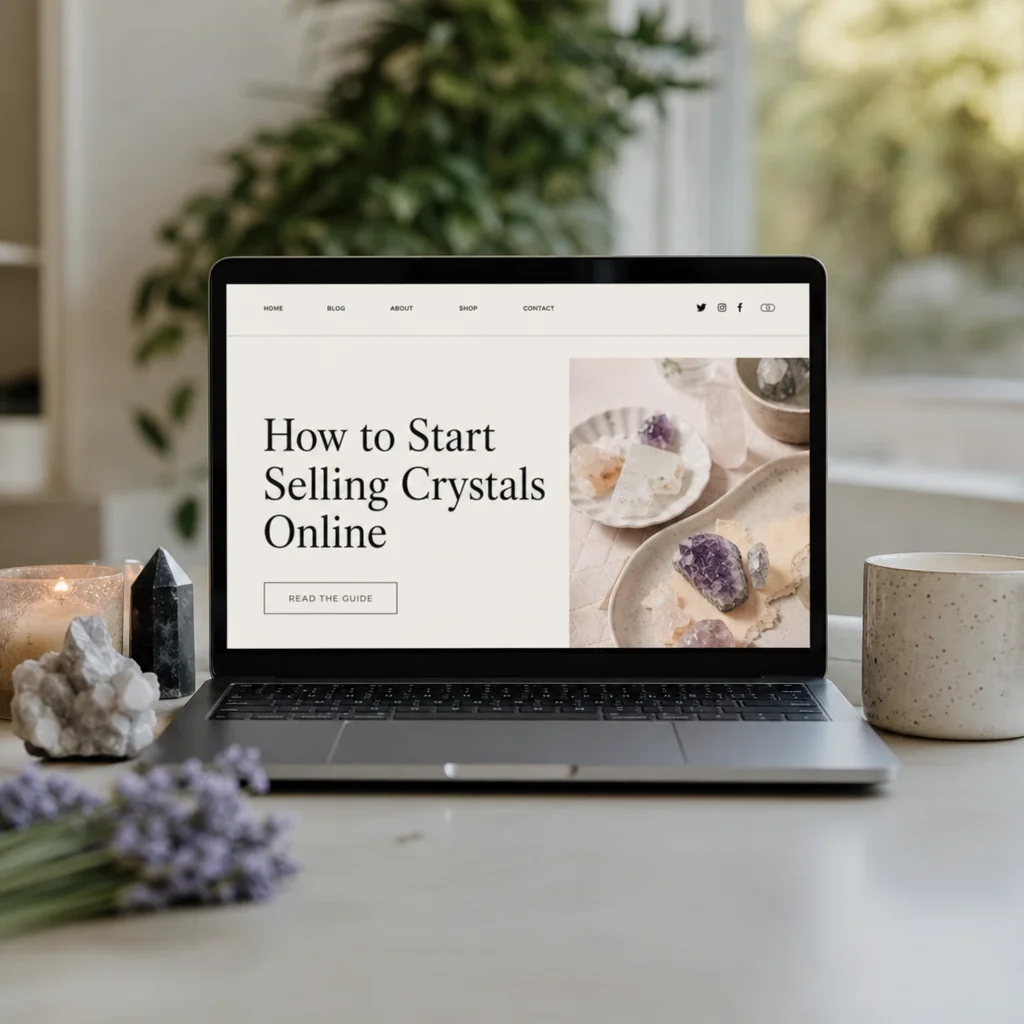
How to Start Selling Crystals Online: A Realistic Guide for Beginners
I started selling crystals online with $200, a shoebox full of tumbled stones from a local rock shop, and zero business experience. Six months later, I was making enough to cover rent — not getting rich, but paying bills with something I enjoyed doing. Two years after that, I had a clear picture of what works and what doesn't in the online crystal market.
This isn't a "get rich selling rocks" pitch. It's a practical breakdown of what I've learned about sourcing, pricing, platforms, and the actual daily work of running a small crystal business online.
Starting Capital: How Much You Actually Need
You can start with as little as $100-300. Here's where it goes:
- Initial inventory: $100-200 for tumbled stones, small raw pieces, and a few "statement" items. Buy from local rock shops, gem shows, or wholesale suppliers. Don't buy retail from crystal shops — the markup is 3-5x.
- Photography setup: $20-30 for a white backdrop, a cheap desk lamp, and maybe a light pad for translucent stones. Your phone camera is fine.
- Shipping supplies: $20-30 for small boxes, bubble wrap, poly mailers, and labels. Buy in bulk from Uline or a similar supplier — it's significantly cheaper than buying individual boxes at a shipping store.
- Platform fees: Varies. Etsy charges $0.20 per listing + 6.5% transaction fee + 3% + $0.25 payment processing. Shopify starts at $39/month. Instagram/Facebook are free to start but harder to get discovered on.
Total realistic start: $200-300 if you're frugal. You don't need $5000 worth of inventory to begin. Start small, learn what sells, reinvest profits.
Sourcing: Where to Buy Crystals to Resell
Wholesale Suppliers
The most cost-effective option once you're buying regularly. Minimum orders typically start at $100-200:
- Gem and mineral shows: The best deals, especially if there's a wholesale day. Tucson Gem Show (February) is the largest in the US. Regional shows happen year-round. Search "gem show near me" — there are more than you'd expect.
- Online wholesalers: Crystal Age, Fossil Era, Dana Taylor Company, and many others. Order a small test batch first to assess quality before committing to larger orders.
- Direct from miners/lapidaries: Some small mining operations and stone cutters sell wholesale. Instagram is surprisingly useful for finding these — search hashtags like #crystalwholesale or #minerforhire.
Key pricing rule:
Target a 3-5x markup from wholesale to retail. If you buy tumbled rose quartz at $0.50 each, sell it for $2-3. Statement pieces (large clusters, unique specimens) can support higher margins (5-8x) because they're harder to comparison-shop.
Which Platform to Start With
Etsy (Recommended for Beginners)
Pros: Built-in traffic, people go there specifically to buy crystals, relatively easy setup. Cons: High fees, crowded market, algorithm favors shops with many listings and reviews.
My experience: Etsy was where I made my first sales. The built-in customer base is real. But after fees, about 15-20% of each sale goes to Etsy. Budget for that in your pricing.
Shopify (For Growing Businesses)
Pros: Full control over branding, lower per-transaction fees, scalable. Cons: No built-in traffic — you have to drive your own customers through marketing.
Transition to Shopify after you've validated your product on Etsy and understand your customer base. Don't start here unless you already have a social media following.
Instagram/Facebook (Supplementary)
Good for building a brand and connecting with customers, but difficult as a primary sales channel. Use it to drive traffic to your Etsy or Shopify store. Posting crystal photos with good lighting and engaging descriptions builds an audience over time.
What Actually Sells
Based on my sales data and conversations with other crystal sellers:
- Tumbled stones ($2-8 each): Low margin but high volume and easy to ship. Good for building initial reviews.
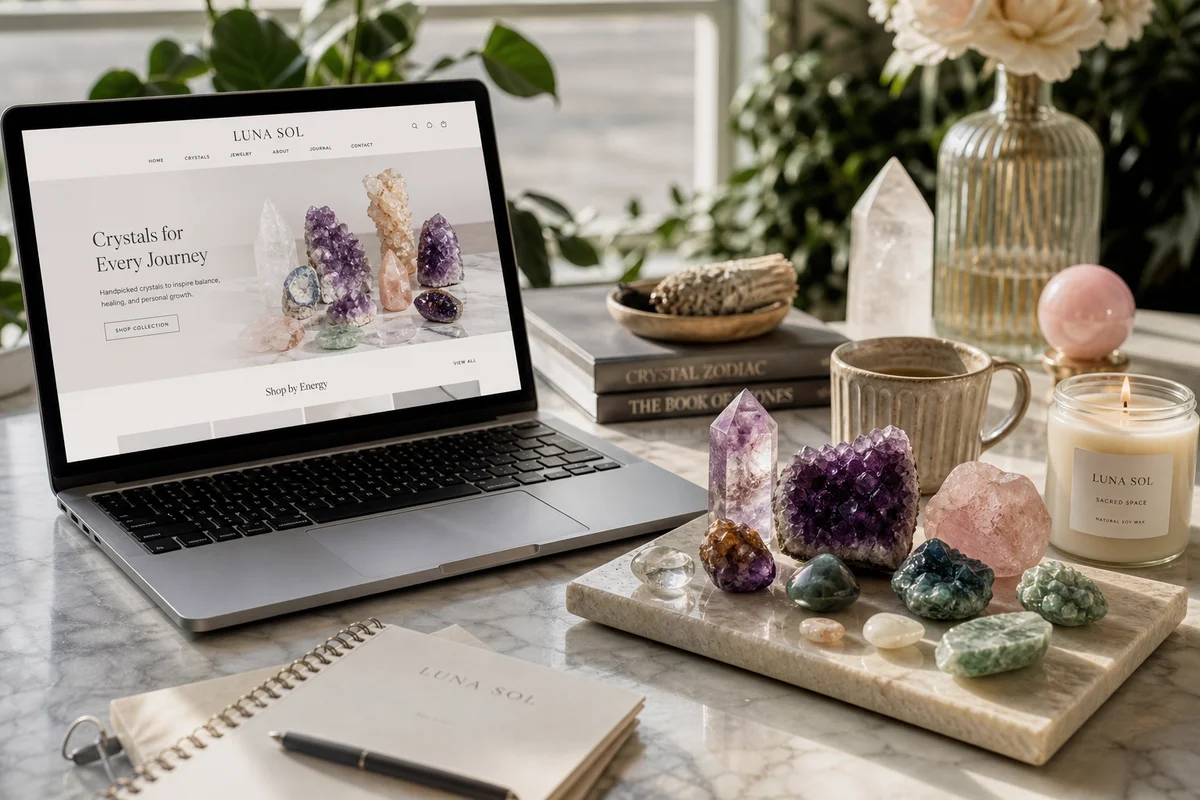
- Raw crystal points ($8-25): Popular, easy to photograph, and the "natural" aesthetic sells well online.
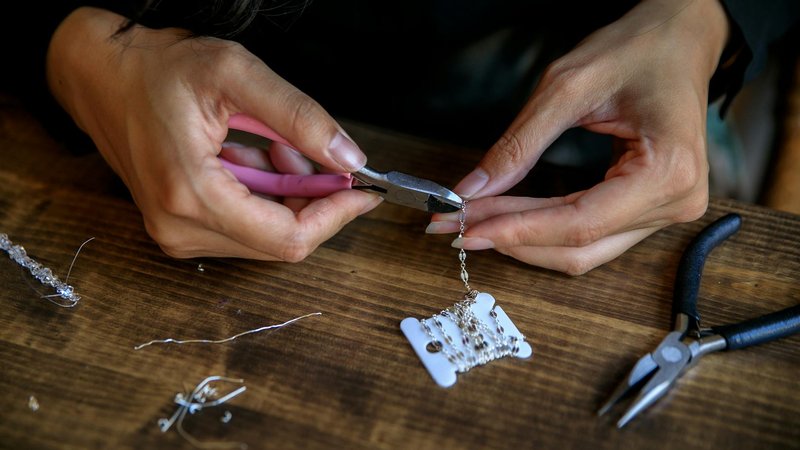
- Crystal jewelry ($15-50): Higher margin, repeat customers. Wire-wrapped pendants and beaded bracelets are the most accessible to make or source.
- Statement pieces ($30-150+): Amethyst geodes, large selenite towers, quartz clusters. Fewer sales but much higher profit per item.
- Curated gift sets ($25-60): Package 3-5 related items (a "beginner set" or "self-care kit"). Higher perceived value, easy to differentiate from competitors.
What doesn't sell well: common minerals at high prices, crystals with poor photos, items with no clear use case or aesthetic appeal.
Pricing Strategy
Don't race to the bottom on price. The crystal market has customers at every price point, and competing solely on price against established sellers with bulk purchasing power is a losing game.
Instead, compete on:
- Photography quality: Better photos = higher perceived value = higher acceptable price point
- Curation: Hand-selected, interesting specimens rather than generic bulk stones
- Description quality: Detailed, honest descriptions that educate the buyer build trust and justify premium pricing
- Packaging: Nice unboxing experience (tissue paper, a handwritten thank-you note, care instructions) turns one-time buyers into repeat customers
My pricing formula: Cost × 4 = retail price. Adjust up for rare items, down for common items where you need competitive pricing. Always include shipping costs in your margin calculation.
Shipping Practicalities
Crystals are dense and fragile — a challenging shipping combination:
- Wrap each piece individually in bubble wrap. Double-wrap anything over $20.
- Use boxes, not envelopes. Crystals in padded envelopes arrive broken. I learned this from replacement requests.
- For items under 16 ounces, USPS First Class Package is cheapest ($3-5). Over 16 ounces, Priority Mail Flat Rate small box ($8-9).
- Always include tracking. Crystal buyers want to know when their package arrives.
- International shipping is expensive ($15-30+) and customs declarations for "mineral specimens" vary by country. Start domestic only.
The Honest Revenue Picture
Small crystal businesses on Etsy typically generate $200-2000/month in the first year. The range is wide because it depends heavily on listing volume, photo quality, and how much time you spend on it.
In my experience:
- Months 1-3: $50-300/month (building listings, getting first reviews)
- Months 4-6: $200-800/month (algorithm kicks in, repeat customers)
- Months 7-12: $500-2000/month (if you've been consistent with new listings and good photos)
These are side-income numbers, not quit-your-job numbers. But the startup cost is low enough that the risk is minimal, and the work is genuinely enjoyable if you like crystals.
What I'd Do Differently
Three things I wish I'd known on day one:
- I'd have bought fewer types and more depth. Having 5 varieties with 10 pieces each is better than 50 varieties with 1 piece each. Depth lets you offer quantity discounts and shows up better in search results.
- I'd have invested in photography earlier. My first 50 listings had mediocre photos. When I upgraded to proper lighting and backgrounds, sales doubled within a month without changing anything else.
- I'd have tracked inventory properly from the start. A spreadsheet is fine. Trying to remember what you have, what sold, and what needs reordering from memory creates chaos after the first 100 sales.
Selling crystals online is a low-barrier, learn-by-doing business. The startup cost is minimal, the market is real, and the work is pleasant. It won't make you wealthy, but it can make you self-employed in a small, sustainable way — which is more than most side hustles can offer.
For a comprehensive overview, see our Ultimate Crystal Guide for Beginners.
Selling online looks easy until you calculate your real hourly earnings — a salary calculator showed me I was making less than minimum wage at first.
Optimizing Your Online Store: Essential Tips for Success
Once you've got your inventory and platform sorted, the real work begins. It's not just about having products; it's about making them visible and appealing to potential customers. Here are some tips to optimize your online crystal store:
1. High-Quality Product Photography
Good photos can make or break your online store. Invest in a quality camera or use your smartphone with a good lighting setup. Here's a quick guide:
- Lighting: Natural light is best, but if you're shooting indoors, use a softbox or a diffused light source. Avoid harsh shadows.
- Background: A clean, white background works well. You can use a simple white poster board or a backdrop specifically designed for photography.
- Composition: Show the crystal from multiple angles. Use a macro lens to capture details if necessary.
- Post-processing: Use photo editing software to enhance clarity and color, but avoid overdoing it. The goal is to make the crystal look as natural as possible.
2. Compelling Product Descriptions
Don't just list the crystal's name and properties. Write engaging, informative descriptions that resonate with your target audience. Here's how to do it:
- Culture and History: Share the cultural significance or historical background of the crystal.
- Properties: List the common properties and benefits, but avoid making medical claims.
- Personal Touch: Add a personal story or anecdote about how the crystal has impacted you or others.
3. SEO Optimization
Search Engine Optimization (SEO) is crucial for getting your store found. Here are some basic SEO tips:
- Keywords: Research keywords related to your crystals and use them in your product titles, descriptions, and tags.
- Alt Text: Use descriptive alt text for all your images, including keywords.
- Content: Regularly post blog content related to crystals, their uses, and related topics.
4. Building an Online Community
Engaging with your customers can build a loyal following. Here are some ways to do it:
- Social Media: Create accounts on platforms like Instagram, Facebook, and Pinterest. Share photos, stories, and interact with your followers.
- Email Marketing: Collect email addresses through your website and send out newsletters, updates, and special offers.
- Customer Reviews: Encourage customers to leave reviews and respond to them professionally.
5. Customer Service
Providing excellent customer service can set you apart from competitors. Here's how to do it:
- Response Time: Aim to respond to inquiries within 24 hours.
- Professionalism: Be polite and helpful in all communications.
- Problem Resolution: Address any issues promptly and effectively.
Marketing Your Online Crystal Business
Once your store is set up and optimized, it's time to start marketing. Here are some effective strategies:
1. Social Media Advertising
Use platforms like Facebook and Instagram to run targeted ads. You can reach a specific audience based on interests, demographics, and behavior.
2. Influencer Partnerships
Collaborate with influencers in the crystal community to reach a broader audience. Choose influencers whose followers align with your target market.
3. Content Marketing
Create valuable content that attracts and engages your audience. This could include blog posts, videos, or podcasts about crystals and their uses.
4. Email Marketing
Use email marketing to keep your audience engaged. Send out newsletters, updates, and special offers to your subscribers.
Common Mistakes to Avoid
As you grow your online crystal business, be aware of these common mistakes:
- Not Investing in Quality Photography: Poor photos can deter potential customers.
- Overlooking SEO: Neglecting SEO can result in low visibility in search engine results.
- Not Engaging with Customers: Failing to engage with your audience can lead to a lack of loyalty and word-of-mouth referrals.
- Not Pricing Strategically: Underpricing can lead to low profit margins, while overpricing can deter customers.
FAQ
How do I determine the right pricing for my crystals?
How do I determine the right pricing for my crystals?
Start by researching the market and understanding the costs involved. Consider the quality, rarity, and demand of the crystal. Aim for a markup that allows you to make a profit while remaining competitive.
What are the best social media platforms for promoting my crystal business?
What are the best social media platforms for promoting my crystal business?
Instagram and Facebook are great for visual products like crystals. Consider Pinterest for a more niche audience. Twitter and LinkedIn can also be effective for networking and brand building.
How can I build trust with my customers?
How can I build trust with my customers?
Be transparent about your products, provide detailed descriptions, and offer excellent customer service. Encourage and respond to customer reviews, and be authentic in your interactions.
Should I focus on selling crystals for healing purposes or general decorative use?
Should I focus on selling crystals for healing purposes or general decorative use?
Both have their markets. Focus on what you're passionate about and what you believe in. You can cater to both markets by offering a range of products and descriptions that highlight their various uses.
How do I handle returns and customer complaints?
How do I handle returns and customer complaints?
Have a clear return policy in place and communicate it clearly to your customers. Address complaints promptly and professionally, offering solutions and apologies where necessary.
Conclusion
Starting an online crystal business can be a rewarding journey. By following these tips, avoiding common mistakes, and staying committed to your goals, you can build a successful and sustainable business. Remember, it's not just about selling crystals; it's about sharing the beauty and significance of these natural wonders with the world.

Comments