Rose Gold Jewelry: A Complete Guide
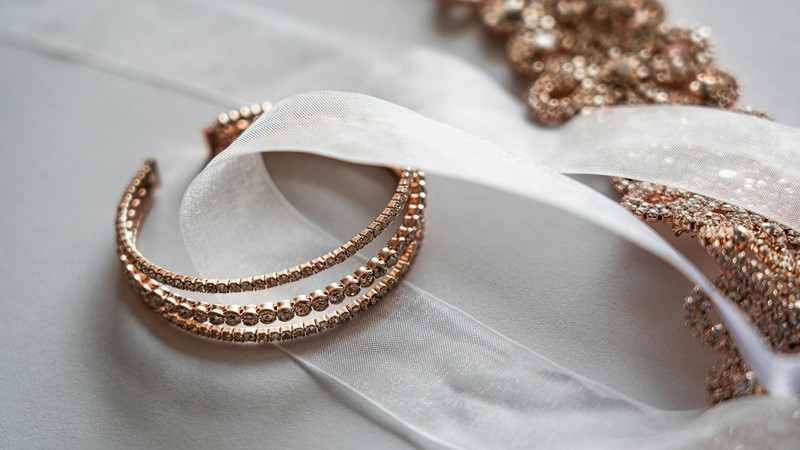
I remember the exact moment I fell for rose gold. I was browsing a jewelry store window in my early twenties, not really shopping for anything specific, when this delicate chain caught the light. It wasn't yellow, wasn't white — it was this impossibly warm, almost blush-toned metal that looked like it belonged on a painting. I walked in, tried it on, and the way it caught against my skin was something else entirely. That was over a decade ago, and I've been partial to rose gold jewelry ever since. If you're reading this, you've probably had a similar moment — or you're about to.
What Exactly Is Rose Gold?
Here's something that surprises a lot of people: rose gold isn't a naturally occurring metal. It's an alloy — a mixture of pure gold and copper. The classic formula is 75% gold and 25% copper, which gives you 18-karat rose gold. That copper is doing all the heavy lifting when it comes to color. The more copper in the mix, the deeper and more reddish the tone becomes. Less copper? You get something closer to a subtle champagne pink.
Goldsmiths have been mixing copper into gold for centuries, but rose gold as we know it really came into its own in 19th-century Russia. Tsar Alexander III commissioned a line of jewelry for his wife using this distinctive pinkish alloy, and it became known briefly as "Russian gold." The name didn't stick, but the color absolutely did. By the early 1900s, Cartier was using rose gold in some of their most iconic pieces, and it's been a staple in fine jewelry ever since.
One thing I love about this little piece of history is that it proves rose gold isn't some trendy flash in the pan. It's been around for well over a hundred years. What we're seeing now isn't a new trend — it's more like a long-overdue homecoming.
Why Is Rose Gold So Popular Right Now?
Walk into any jewelry store today and you'll notice something: rose gold has taken over a significant chunk of the display cases. It wasn't always this way. For a long time, the conversation was basically "yellow gold or white gold?" with platinum as the luxury alternative. Rose gold was the quiet third option that a few designers loved but most people overlooked.
So what changed? A few things, actually.
First, there's the warmth factor. Rose gold has a quality that reads as inherently feminine without being fussy. It sits in this sweet spot between the traditional richness of yellow gold and the cool minimalism of white gold. If yellow gold feels like your grandmother's heirlooms and white gold feels a bit corporate, rose gold feels like something you'd choose for yourself, right now, without any pressure from tradition.
Second, rose gold photographs beautifully. And in the age of Instagram, Pinterest, and constant visual sharing, that matters more than jewelry purists might want to admit. The warm tone flatters virtually every skin type under natural light, which means rose gold rings, bracelets, and necklaces consistently look good in photos. That built-in photogenic quality has done more for rose gold's popularity than any marketing campaign could.
Third, it plays well with other metals. This is huge for modern jewelry wearers who prefer a layered, collected-over-time look rather than matching sets. Rose gold next to yellow gold creates a warm, dimensional palette. Rose gold next to silver or white gold creates a striking contrast that feels intentional. You don't have to commit to one metal family anymore — rose gold makes mixing metals feel effortless.
Rose Gold vs. Yellow Gold vs. White Gold: A Real-World Comparison
I've worn all three extensively, and each one genuinely has its moment. Here's how I think about them in practice.
Yellow gold is the classic. It's warm, it's bold, and it doesn't apologize. If you're wearing a little black dress and want one piece of jewelry to do all the talking, a chunky yellow gold cuff or a pair of gold hoops will deliver. It's the metal equivalent of a confident entrance. But it can feel heavy — visually, not literally — in summer months or with casual outfits.
White gold (and platinum) is the minimalist's choice. It's clean, it's modern, and it disappears into your look in a way that lets gemstones do the work. If you have a diamond solitaire, white gold is often the best stage for it because the metal doesn't compete for attention. I reach for white gold most with cool-toned outfits — navy, gray, ice blue — where I want the jewelry to feel understated.
Rose gold occupies this completely different space. It's warm like yellow gold but softer. It's noticeable like white gold but less severe. Where yellow gold shouts and white gold whispers, rose gold sort of... converses. It has an approachability that the other two don't. I've found that strangers are more likely to compliment a rose gold piece than a yellow or white gold one, possibly because it registers as more unique and personal.
For everyday wear, rose gold has become my default. It works with my wardrobe (lots of earth tones, cream, olive, burgundy) without clashing, and it feels like "me" in a way that's hard to articulate but very real.
Which Skin Tones Look Best with Rose Gold?
The short answer: almost all of them. I know that sounds like a cop-out, but I've seen rose gold flatter every skin tone from very fair with pink undertones to deep, rich brown skin. The warmth of the copper content has a way of complementing rather than fighting against natural skin pigments.
That said, there are some nuances. If you have warm or olive undertones, rose gold is essentially your best friend. The coppery warmth mirrors the natural warmth in your skin, creating a cohesive, glowing effect. Think of it like choosing a foundation shade — when the undertones match, everything looks seamless.
If you have cool undertones (your veins might look blue, silver jewelry tends to flatter you more than gold), rose gold still works beautifully because the gold content provides enough contrast. You might prefer a lighter rose gold with less copper — closer to that champagne pink I mentioned — rather than the deeper, more coppery versions.
For deeper skin tones with warm undertones, rose gold can be absolutely stunning. The contrast between rich dark skin and warm pink metal creates this gorgeous visual pop that's hard to replicate with any other metal. If you've ever seen a rose gold watch or bracelet against dark skin, you know exactly what I'm talking about.
The real test isn't theory — it's trying it on. If you're on the fence, start with something small like a rose gold stud earring or a thin chain bracelet. Wear it for a day and see how it reads against your skin in different lighting.
How to Style Rose Gold Jewelry Every Day
With Your Wardrobe
Rose gold pairs remarkably well with colors you probably already own. Earth tones are the obvious winners — think camel, terracotta, olive green, warm brown, and cream. These shades share the same warm DNA as rose gold, so everything looks coordinated without being matchy-matchy.
But don't sleep on the unexpected combinations. Rose gold against deep navy creates this sophisticated contrast that works for both casual and dressed-up situations. With blush pink, it's monochromatic in the best way — layered shades of warmth. Even with black, rose gold softens the harshness and adds a touch of romance that silver or yellow gold might not achieve.
The one color I'd be cautious with is bright, cool-toned red. Rose gold and true red can both be warm, but they're warm in slightly different directions (copper vs. blue-red), and the result can look muddled. If you love red, try rose gold with a warmer, brick red instead.
Layering and Stacking
This is where rose gold really shines. Because it's a bridge metal between warm and cool, it layers with virtually everything. A thin rose gold chain worn alongside a thicker yellow gold one? Beautiful. Rose gold rings stacked with silver bands? Surprisingly cool and modern.
My go-to everyday combination is a rose gold pendant necklace (something simple with a tiny diamond or no stone at all), a rose gold bracelet on one wrist, and a watch with a rose gold case on the other. It's enough metal to feel put-together without looking like I'm trying too hard. On days when I want more, I'll add small rose gold hoop earrings, which instantly elevates the whole look.
One tip I picked up from a jeweler: vary the textures. If your necklace is polished rose gold, try a brushed or hammered finish on your bracelet. The mixed textures add visual interest and keep the look from feeling flat.
For Different Occasions
Office wear is where rose gold's versatility really shows up. A pair of rose gold studs and a simple chain reads as professional without being boring. It's more interesting than plain silver studs but not as attention-grabbing as statement yellow gold pieces.
For evenings out, rose gold is having a moment with statement pieces. Oversized rose gold earrings, chunky cuffs, or a bold cocktail ring in rose gold feel glamorous but not costume-y. The warmth keeps things feeling elegant rather than flashy.
For casual weekends, a single rose gold piece — maybe a long pendant necklace or a stack of thin bangles — is all you need. Rose gold has this quality of looking intentional even when the rest of your outfit is jeans and a t-shirt.
Caring for Rose Gold Jewelry
Rose gold is durable — the copper actually makes it slightly harder than yellow gold — but it does require some specific care to keep that signature blush color looking its best.
The biggest thing to know is that rose gold can develop a patina over time. The copper in the alloy oxidizes slightly, which can make the color deepen and shift a bit more toward copper or even develop a subtle reddish tint. Some people love this — it gives the jewelry character and a sense of history. If you're not into the patina, regular cleaning will keep it at bay.
For everyday cleaning, warm water with a drop of mild dish soap and a soft toothbrush works perfectly. Gently scrub, rinse thoroughly, and pat dry with a soft cloth. That's genuinely all you need for regular maintenance.
Avoid exposing rose gold to harsh chemicals — chlorine, bleach, and even some household cleaners can accelerate the oxidation process or, worse, damage the metal. Take your rose gold jewelry off before swimming, cleaning, or applying perfume and lotion. This is jewelry care 101, but it's especially important for rose gold because the copper content makes it slightly more reactive than pure gold alloys.
Store rose gold pieces separately from other jewelry to prevent scratching. A fabric-lined jewelry box or individual soft pouches works well. If you're storing pieces long-term, a small anti-tarnish strip in the box can help slow down any oxidation.
If your rose gold has developed a patina that you want to remove, most jewelers can polish it back to its original color. It's a quick, inexpensive process. Just don't try to use chemical dips or harsh polishing compounds at home — they can strip too much of the surface and actually alter the color balance of the alloy.
Which Jewelry Styles Work Best in Rose Gold?
Practically everything, honestly. But if I had to pick the styles that rose gold elevates the most:
Rose gold engagement rings deserve a special mention because they've become enormously popular in recent years. A rose gold setting with a diamond or moissanite center stone creates a look that's romantic, distinctive, and far from cookie-cutter. The warm metal makes diamonds appear slightly warmer too, which can be flattering for certain diamond colors. If you're considering rose gold engagement rings, you're in good company — it's one of the fastest-growing choices for modern couples who want something that feels both timeless and personal.
Stackable rings are another category where rose gold excels. The warm tone means you can stack three or four thin bands and they'll read as a cohesive, intentional look rather than a jumble of random rings. Mix a plain rose gold band with one featuring tiny diamonds, and you've got a stack that works for every occasion.
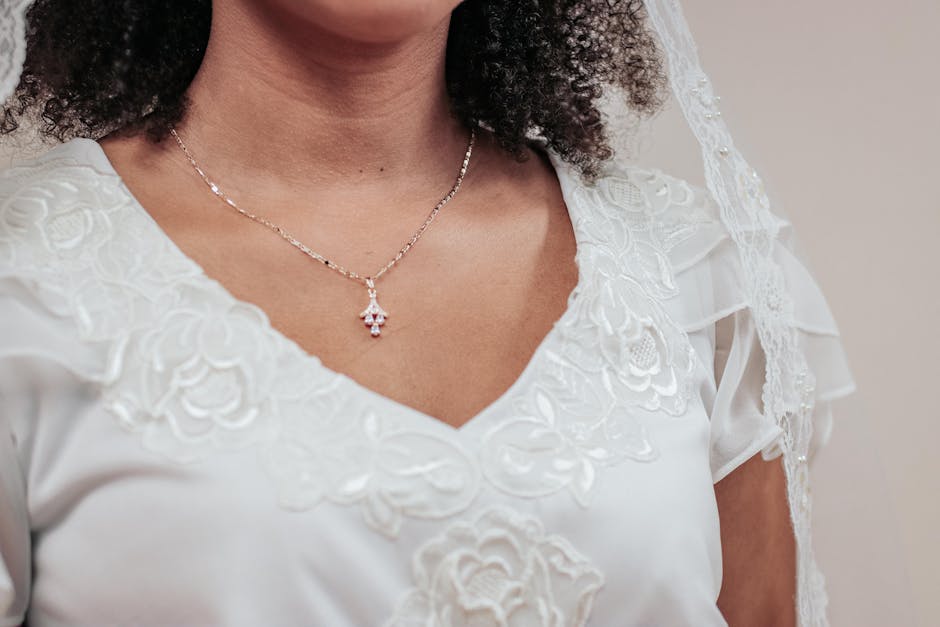
Chain necklaces in rose gold have a delicacy that's hard to replicate in other metals. Something about the pinkish warmth makes thin chains look precious rather than flimsy. A simple rose gold chain with a small pendant is one of those pieces you can wear every single day and never get tired of.
Ear cuffs and climbers are relatively new jewelry categories, and rose gold has become the default metal for them. The warmth keeps these edgy, modern pieces feeling approachable and wearable. A rose gold ear cuff can transform a simple outfit without any other jewelry needed.
Finally, watches. Rose gold watches — whether on leather straps or metal bracelets — have become a wardrobe staple for both women and men. The case color is distinctive without being loud, and it transitions seamlessly from day to night. If you're only going to own one nice watch, rose gold is a strong contender for the most versatile choice.
Rose gold jewelry isn't going anywhere. It's been popular for over a century, it works with every skin tone and wardrobe, and it has this rare quality of feeling both special and everyday at the same time. If you've been curious about trying it, start with one piece — something you'll wear often — and see how it fits into your life. My guess is you'll end up exactly where I did: reaching for the rose gold first, more often than not.
Comments