How to Store Jewelry So It Stops Tarnishing: Real Solutions for Small Spaces
May 14, 2026
How to Store Jewelry So It Stops Tarnishing: Real Solutions for Small Spaces
I lived in a studio apartment for three years with a jewelry collection that lived in a tangled pile on top of my dresser. Every piece of sterling silver turned black within weeks. Chains knotted themselves into impossible tangles. Earring backs vanished into whatever dimension they go to. It was a mess.
The solution wasn't buying an expensive jewelry box — it was understanding why jewelry degrades in storage and making a few cheap, targeted changes. Here's what actually works, based on four years of trial, error, and eventually getting it right.
Why Jewelry Tarnishes in Storage
Tarnish is a chemical reaction between metals and sulfur compounds in the air. The three factors that control how fast it happens: air exposure, humidity, and what the jewelry is touching.
- Air exposure: More air contact = faster tarnishing. A piece sitting on a dresser is exposed to orders of magnitude more air than one in a sealed bag.
- Humidity: Moisture accelerates the sulfur-metal reaction. Bathrooms are the worst possible storage location, and I say this as someone who kept her jewelry on the bathroom counter for two years.
- Materials contact: Rubber, wool, and certain papers contain sulfur or acids that accelerate tarnishing. The felt lining in many jewelry boxes? Sometimes treated with sulfur compounds. Check before using.
Understanding these three factors makes every storage decision obvious.
The Anti-Tarnish Ziplock Method (Cheapest, Most Effective)
This is the single most effective thing you can do, and it costs about three dollars.
What You Need
- Small ziplock bags (2x3 or 3x4 inches) — a pack of 100 costs about $5
- Anti-tarnish strips or squares (3M makes good ones, about $8 for a pack of 20)
- A permanent marker for labeling
How To
- Place each piece of jewelry in its own bag
- Drop a small anti-tarnish strip into the bag (one strip lasts 6-12 months)
- Squeeze out most of the air before sealing
- Label the outside with a description or take a photo for reference
This reduces air exposure by roughly 95% and the anti-tarnish strip absorbs sulfur compounds that do make it in. Sterling silver stored this way stays bright for months instead of weeks.
It's not beautiful. You won't see your jewelry displayed. But if tarnish prevention is the goal, this is the most effective method per dollar spent. I keep "everyday" pieces accessible and "occasional" pieces in bags.
Small Space Storage Solutions
The Over-the-Door Organizer
A clear plastic over-the-door shoe organizer ($10-15) works surprisingly well for jewelry. Each pocket holds a few pieces, you can see everything at once, and it uses vertical space that's otherwise wasted. Cut the organizer in half horizontally if you don't need all the pockets.
Pair it with anti-tarnish strips in the pockets holding silver, and you get visibility plus protection.
The Ice Cube Tray Method
For earrings and small pieces, silicone ice cube trays ($3-5 each) keep items separated and visible. Line each compartment with a small square of anti-tarnish paper. Stack trays in a drawer. Label the top tray with a sticky note mapping what's where.
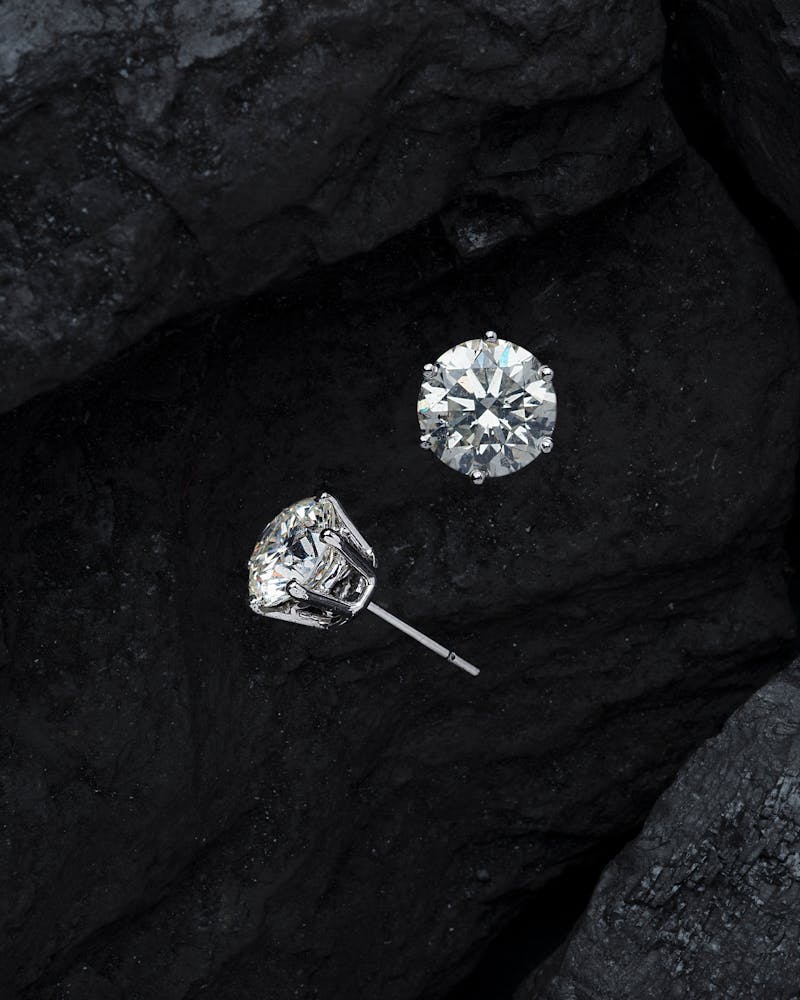
This works particularly well for stud earrings — each compartment holds one pair, and you can see all your options at a glance.
The Tackle Box
A fishing tackle box with adjustable compartments ($8-20) is essentially a purpose-built jewelry organizer. The adjustable dividers let you customize compartment sizes for different piece types. Most have a carry handle, so you can take your collection out, select what you want, and put it back.
The Magnetic Strip
Mount a magnetic knife strip ($10-15) on the wall inside a closet or behind a door. Stick small magnetic hooks to it and hang chains and bracelets. The pieces stay separated (no tangling) and visible. Works best for pieces without heavy stones that might pull the hook off the strip.
Material-Specific Storage Rules
Sterling Silver
- Most tarnish-prone common metal — needs sealed storage with anti-tarnish strips
- Wearing it frequently actually helps (skin oils create mild barrier)
- Don't store in wooden jewelry boxes with sulfur-treated felt
- Don't store near rubber bands (they off-gas sulfur)
Gold (Solid)
- Doesn't tarnish — store however you want
- Can scratch, so keep pieces separated from each other and from harder stones
Gold-Plated and Gold-Filled
- The plating wears off through friction, not chemical reaction
- Store pieces separately so they don't rub against each other
- Avoid storing in contact with harder materials that can scratch through the plating
Pearls and Opals
- These need some humidity — they can dry out and crack in very dry environments
- Don't store in sealed plastic bags (they need to "breathe")
- Wrap in soft cloth and store in a fabric-lined compartment
- Keep away from perfume, hairspray, and direct heat
Costume Jewelry
- The plating on costume pieces is extremely thin and wears off with handling
- Store individually wrapped in tissue or soft cloth
- Keep away from moisture entirely — the base metal underneath plating often contains copper or brass that tarnishes aggressively
The Travel Problem
Jewelry never tarnishes faster than when traveling. Hotels have climate-controlled (often humid) air, you're packing pieces together in a small space, and you're exposing them to sunscreen, salt water, and pool chlorine.
My Travel Kit
- A small pill organizer (the daily compartment kind) for earrings and rings — each compartment holds one pair or a few rings
- A plastic straw for necklaces: thread the chain through the straw and clasp it, then the chain can't tangle
- A small ziplock with a single anti-tarnish square for any silver pieces
- Everything goes in a soft pouch in my carry-on, never checked luggage
This takes about five minutes to set up before a trip and saves hours of untangling and cleaning afterward.
What About Jewelry Boxes?
Jewelry boxes are fine if they're lined with non-reactive materials (untreated cotton or silk, not felt of unknown origin) and kept in a dry location. They work best for gold and non-tarnishing pieces. For sterling silver, even a good jewelry box benefits from anti-tarnish strips tucked into compartments.
The expensive jewelry boxes with glass tops look nice but expose contents to more light and air than necessary. Amethyst and citrine fade in prolonged light exposure, so a closed box is actually better than a display case for these stones.
Maintenance Routine (5 Minutes Per Month)
- Check anti-tarnish strips: Replace any that have changed color (they turn dark/gray when saturated)
- Quick polish high-wear pieces: A microfiber cloth on silver chains and rings takes 30 seconds per piece
- Reorganize: Put back anything that migrated out of its proper spot during the month
- Inspect for damage: Check clasps, earring backs, and prong settings. Catching a loose prong early saves a lost stone.
Five minutes a month prevents the "everything is tarnished and tangled" crisis that used to take me an entire Sunday afternoon to fix.
My current setup: a small wooden box with cotton lining for gold and everyday silver (with anti-tarnish strips), ziplock bags in a drawer for occasional silver pieces, a tackle box for earrings, and a hook strip inside the closet for necklaces. Total cost: about $35. My jewelry has never been more organized, and I haven't had to do a deep tarnish-cleaning session in over a year.

Comments