What Does Wearing a Ring on Each Finger Mean? A Complete Symbolism Guide
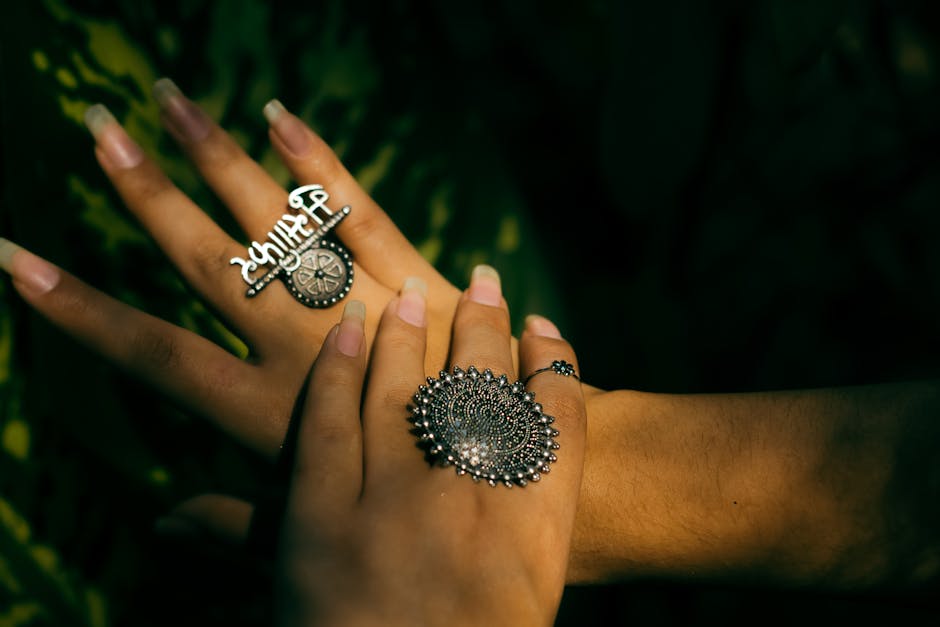
What Does Wearing a Ring on Each Finger Mean? A Complete Symbolism Guide
Published on May 12, 2026 | Category: Jewelry Education
Have you ever noticed someone wearing a ring on their thumb and wondered what it meant? Or seen a friend sporting a pinky ring and thought, "That's bold!"? I've spent years studying jewelry traditions across cultures, and what fascinates me most is how ring placement carries deep symbolic weight that most people never think about.
The practice of wearing rings on specific fingers dates back thousands of years, and the meanings have evolved, merged, and sometimes contradicted each other across different civilizations. What started as practical markers of status and family lineage has transformed into a complex language of personal expression. Let me take you on a journey through this fascinating world of finger symbolism.
A Brief Journey Through Ring History
Before we dive into each finger, it's worth understanding where these traditions came from. Ancient Egypt was among the first civilizations to attach significance to finger placement. They believed the "vena amoris" (vein of love) ran directly from the fourth finger to the heart, establishing the wedding ring tradition we still follow today. But this was just the beginning.
In Ancient Rome, rings served as practical tools. Signet rings worn on the index finger bore family crests and were used to seal important documents. I've always found it brilliant how they turned a functional necessity into a status symbol. Only free Roman citizens could wear gold rings, while slaves and freedmen were restricted to iron. The finger you chose to wear your ring on spoke volumes about your place in society.
Across the ocean, Chinese tradition developed a completely different system. They associated each finger with one of the five elements: metal (thumb), wood (index), fire (middle), earth (ring), and water (pinky). Wearing a ring on a particular finger was believed to enhance the corresponding element's energy in your life. I've met many jewelers who still follow these principles when helping clients choose rings.
Indian culture added yet another layer. In Vedic traditions, each finger represents a different planet, and wearing specific gemstones on certain fingers can influence planetary energies in your favor. It's a fascinating intersection of astronomy, mythology, and jewelry that I've seen influence modern crystal jewelry practices.
Thumb Rings: The Statement of Individuality
The thumb stands apart from the other fingers—literally and symbolically. It's the finger that enables grip and strength, so it's no surprise that thumb rings often represent power and independence. I've noticed that people who wear thumb rings tend to be confident, self-assured, and unafraid to stand out.
Historically, thumb rings were worn by archers to protect their fingers from bowstrings. This practical origin evolved into a symbol of strength and protection. In many Asian cultures, thumb rings indicated high social status—only the wealthy and powerful could afford such ostentatious displays.
What I find most interesting about thumb rings today is how they've become a statement of personal identity. When someone chooses to wear a ring on their thumb, they're often making a conscious decision to be seen. It's not accidental; it's intentional. I've watched friends transform their entire presence just by adding a bold thumb ring to their collection.
Pro tip: If you're thinking about trying a thumb ring, make sure you get the size right. Thumbs are wider at the base than other fingers, so standard ring sizing doesn't always apply. Here's how to measure your ring size at home accurately so you don't end up with something that's too tight or keeps slipping off.
In modern jewelry culture, thumb rings represent freedom and self-expression. They're less bound by tradition than other finger placements, which gives them a rebellious edge that I absolutely love. Whether you choose a simple band or an elaborate statement piece, a thumb ring says, "I march to my own beat."
Index Finger Rings: Authority and Ambition
The index finger—our pointing finger—has long been associated with leadership, authority, and ambition. It's the finger we use to gesture, to direct attention, and to emphasize our points. Rings worn here tend to reflect those qualities.
Class rings and family crest rings are traditionally worn on the index finger, and this makes perfect sense. They're declarations of identity, accomplishment, and belonging. I've seen countless college graduates proudly display their class rings on their right index finger, and there's something deeply meaningful about that placement.
In many European monarchies, the index finger was reserved for royal signet rings. The king or queen would use their index finger ring to seal official documents, literally stamping their authority onto important matters of state. This tradition has trickled down to modern corporate culture—many CEOs and executives choose statement rings for their index fingers as subtle power moves.
What I've observed is that index finger rings often attract attention and spark conversation. They're visible, prominent, and naturally draw the eye. If you wear a ring on your index finger, you're likely someone who's comfortable being noticed and who has something to say.
Middle Finger Rings: Balance and Responsibility
The middle finger sits at the center of our hand, literally balancing the other fingers. Symbolically, it represents balance, order, and responsibility. It's the longest finger, making it ideal for showcasing larger, more elaborate rings that might overwhelm other fingers.
In many cultures, the middle finger is associated with Saturn—the planet of discipline, structure, and karma. Rings worn here are believed to help wearers maintain focus and stay grounded. I've noticed that people drawn to middle finger rings often value stability and have a strong sense of responsibility toward themselves and others.
What's fascinating about middle finger rings is how they've evolved. In Victorian England, wearing a ring on the middle finger of your left hand was a subtle signal that you were married but currently separated from your spouse. It was a coded message in an era when divorce was scandalous. Today, middle finger rings are more about personal balance than marital status, but I still find that historical tidbit incredibly interesting.
From a practical standpoint, the middle finger offers great canvas for jewelry. Because it's central and prominent, rings here can be bold without looking out of place. I've helped many clients create stunning middle finger ring stacks that tell complex stories about their journey and values.
Ring Finger Rings: Love and Commitment
We all know the ring finger's primary association—love, commitment, and marriage. But there's so much more depth here than just wedding and engagement rings. The ring finger, particularly on the left hand, has been the symbol of romantic commitment for millennia.
The ancient Egyptian belief in the "vena amoris" (vein of love) directly connecting this finger to the heart established this tradition. While modern anatomy has disproven the existence of such a vein, the symbolism remains powerful. I've witnessed countless couples choose their wedding rings with this ancient meaning in mind, even if they don't know its origins.
What's interesting is how cultural traditions differ. In many Eastern European and Asian countries, wedding rings are worn on the right hand's ring finger. This has nothing to do with left-handedness—it's simply a different cultural tradition. I've learned to never assume which hand indicates marriage based on ring finger placement alone.
Beyond romantic love, ring finger rings can represent self-love and commitment to personal growth. I've seen many people, particularly women, choose meaningful rings for their right ring finger to symbolize promises they've made to themselves—promises about career goals, personal boundaries, or life changes. There's something beautiful about using this traditionally romantic finger for self-commitment.
Pinky Rings: Intelligence and Style
The pinky finger, our smallest finger, carries surprisingly weighty symbolism. Historically associated with intelligence, wit, and communication, pinky rings have been worn by everyone from Renaissance scholars to modern power brokers.
In 19th-century England, pinky rings became a status symbol among the aristocracy. Men would wear signet rings on their pinky fingers, engraved with their family crests. This practice wasn't just about showing off—it was a practical way to carry your family identity everywhere you went. I've always loved how something so small could carry so much meaning.
What fascinates me most about pinky rings is their association with professional identity. Lawyers, architects, and other professionals have long favored pinky rings as subtle indicators of their expertise. It's a whisper, not a shout—saying "I'm serious about what I do" without needing to announce it.
In the world of crystal jewelry and spiritual practices, pinky rings take on additional meaning. Many practitioners believe that wearing certain stones on the pinky finger enhances communication and intuition. I've noticed that people drawn to crystal jewelry collections often start with pinky rings, using them as entry points into more elaborate spiritual jewelry practices.
From a fashion perspective, pinky rings are incredibly versatile. They can be delicate and feminine or bold and masculine, simple or ornate. I've helped clients create pinky ring collections that span from everyday wear to special occasions, and the flexibility never ceases to amaze me.
Quick Reference: Finger Meanings at a Glance
| Finger | Primary Meanings | Historical Associations | Modern Vibes |
|---|---|---|---|
| Thumb | Independence, willpower, strength | Archers' protection, social status | Self-expression, confidence |
| Index | Authority, ambition, leadership | Signet rings, royal decrees | Power, professional identity |
| Middle | Balance, responsibility, order | Saturn, discipline, marital status | Groundedness, stability |
| Ring | Love, commitment, creativity | Vena amoris, marriage, romance | Relationships, self-love |
| Pinky | Intelligence, communication, style | Family crests, professional identity | Wit, sophistication, intuition |
My Personal Take on Ring Symbolism
After years of studying and wearing jewelry, I've come to believe that the most important meaning is the one you assign yourself. Sure, it's fascinating to know that your pinky ring connects you to centuries of scholars and professionals, but ultimately, your jewelry should mean something to you.
I have a silver thumb ring I wear almost every day. To an outsider, it might symbolize independence or strength. To me, it reminds me of a solo trip I took to India, where I bought it from an artisan who explained the traditional meanings behind each finger placement. That ring carries memories, lessons, and a piece of my personal journey that no symbolic guide could capture.
What I've learned is that ring symbolism is a language, not a rulebook. You can follow the traditions, break them, or create your own. I've seen clients wear wedding rings on their middle fingers because that's where it feels most meaningful to them. I've watched friends stack rings across all five fingers to tell complex stories about their lives. The beauty lies in the personal connection, not the "correct" placement.
Caring for Your Meaningful Rings
Whatever fingers you choose for your rings, proper care ensures they'll continue telling your story for years to come. Different materials require different approaches, but some universal principles apply.
- Remove rings before: Swimming (chlorine damages metals), exercising (sweat can cause tarnish), cleaning household chemicals, or applying lotions and perfumes
- Clean regularly: Use a soft cloth and mild soap solution for most jewelry. Avoid harsh chemicals that can damage gemstones and metals
- Store properly: Each ring should have its own space to prevent scratching and tangling. Proper jewelry storage prevents tarnish and keeps your pieces ready to wear
- Professional inspections: Have rings with stones checked annually to ensure settings remain secure
- Know your materials: Gold, silver, platinum, and alternative metals all have different care requirements. Research what's best for your specific pieces
I've made plenty of jewelry care mistakes over the years—wearing silver rings in the ocean, forgetting to remove gold rings before cleaning, tossing delicate pieces into a jewelry box together. Each mistake taught me something valuable, and I'm grateful for those lessons. Your rings carry meaning, and treating them with care honors that meaning.
Final Thoughts on Ring Finger Symbolism
The world of ring symbolism is rich, complex, and deeply personal. Whether you're drawn to the rebellious spirit of thumb rings, the authority of index finger placement, the balance of middle finger rings, the romance of the traditional ring finger, or the sophistication of pinky rings—there's a meaning that resonates with who you are.
I encourage you to experiment. Try wearing a ring on a finger you've never used before. Pay attention to how it feels, how it changes your presence, and what meaning emerges for you. Jewelry is one of the most personal forms of self-expression, and finger placement adds another layer to that expression.
Remember: the rules are guidelines, not requirements. Your story is unique, and your jewelry should reflect that. Whether you follow centuries of tradition or forge your own path, what matters most is that your rings feel authentic to you.
Frequently Asked Questions
1. Which finger should I wear my birthstone ring on?
There's no strict rule, but many people prefer their ring finger for birthstones since it's traditionally associated with personal meaning and commitment. However, you can wear it on any finger that feels right to you. I've seen beautiful birthstone rings on thumbs, pinkies, and every finger in between.
3. Is it bad luck to wear a ring on your ring finger if you're not married?
Not at all! While the ring finger has strong marital associations, wearing a ring there doesn't have to imply marriage. Many people wear meaningful rings on their ring fingers to symbolize self-love, personal commitments, or simply because they like how it looks. The meaning is yours to define.
4. Can men wear rings on their pinky fingers?
Absolutely! Pinky rings have a long history among men, from aristocratic signet rings to modern power accessories. Many influential men, from business leaders to artists, wear pinky rings as subtle statements of style and sophistication. It's a classic look that transcends gender norms.
5. How many rings should I wear on one hand?
This is entirely personal preference. Some people prefer a minimalist approach with one or two rings, while others love the stacked look with rings on multiple fingers. I generally recommend starting with fewer rings and adding more as you get comfortable. Balance is key—too many rings can look cluttered, but the right combination creates a stunning personal statement.
Comments