Top 10 Healing Crystals for Beginners: Your Starter Guide
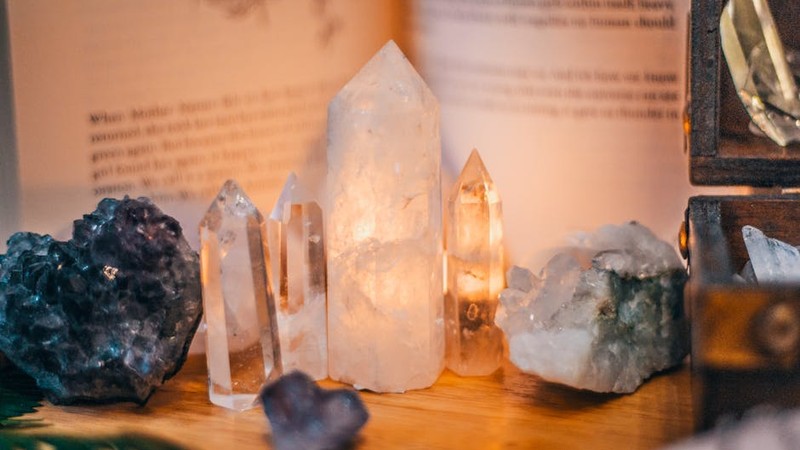
So You Want to Try Crystal Healing. Now What?
Walking into a crystal shop for the first time feels a lot like walking into a candy store — shelves of color, sparkle everywhere, and absolutely no idea where to start. Maybe a friend told you about the rose quartz that "changed their energy." Maybe you saw a TikTok about amethyst under your pillow. Or maybe you just think they look cool and want to know if there's anything more to it.
Whatever brought you here, the good news is that working with healing crystals for beginners doesn't require a degree in geology or a closet full of sage. You really just need a handful of stones that cover the basics and a rough idea of what each one does.
This guide covers the ten crystals that show up on practically every starter list — not because of hype, but because they're genuinely versatile, widely available, and hard to mess up. Consider this your "don't overthink it" starting point.
Before We Start: A Quick Reality Check
Crystals aren't medicine. They don't replace therapy, doctor visits, or common sense. What they can do is serve as tangible anchors — something physical you hold, wear, or place in your space that helps you focus on an intention. Whether that's calm, confidence, better sleep, or just a moment of pause in a chaotic day, the ritual matters more than the rock.
If you want to dig deeper into how crystal energy actually works (or at least how people who work with crystals think about it), our crystal energy guide breaks down the basics without the woo-woo overload.
The 10 Best Crystals for Beginners
1. Clear Quartz — The "Do Everything" Stone
If you only buy one crystal, make it this one. Clear quartz is sometimes called the "master healer" because it's so adaptable. People use it for mental clarity, amplifying other crystals' energy, meditation, and pretty much anything else you can think of.
It's also one of the most abundant crystals on the planet, which means it's affordable and easy to find in just about any size or shape. A palm stone for your desk, a point for your windowsill, tumbled stones in a bowl — it all works.
For a deeper look at what makes this seemingly simple stone so popular, check out our clear quartz explainer and the complete guide to its properties.
2. Amethyst — The Chill Pill in Rock Form
Amethyst is the purple quartz that shows up everywhere, and for good reason. It's associated with calm, stress relief, and better sleep — three things most of us could use more of. A lot of people keep a piece on their nightstand or under their pillow.
Beyond the aesthetic appeal (it's genuinely beautiful), amethyst has a long history. The ancient Greeks literally believed it could prevent drunkenness — the name comes from amethystos, meaning "not intoxicated." Modern crystal workers use it more for emotional balance and intuitive work.
If you're curious about what else this stone can do, our amethyst benefits guide covers the full picture.
3. Rose Quartz — The Relationship Stone
Pink, gentle, and immediately recognizable — rose quartz is the go-to for anything related to love, self-care, and emotional healing. And yes, "love" here includes self-love, which is honestly the kind most beginners need.
A lot of people carry a tumbled rose quartz in their pocket or wear it as a crystal bracelet. It's one of those stones that feels good to hold, which is half the point when you're using crystals as a grounding tool.
There's more to rose quartz than its soft pink color suggests. Our complete guide to rose quartz goes into its history, properties, and why it's been valued for thousands of years.
4. Black Tourmaline — The Bouncer at the Door
If clear quartz is the do-everything stone, black tourmaline is the "absolutely not" stone. It's known for protection and grounding — think of it as an energetic shield. People place it near their front door, on their desk at work, or carry it when they're going into stressful environments.
Black tourmaline is also one of the easiest crystals to care for. It doesn't need frequent cleansing (some people say it doesn't need any at all), and it's tough enough to toss in a bag without worrying about chips.
We've written a complete guide to black tourmaline if you want to understand why it's the most recommended protection stone in the crystal world.
5. Citrine — The "Good Vibes Only" Crystal
Citrine is the warm yellow-to-orange stone that practically radiates positivity. It's associated with abundance, confidence, and motivation — which is why it's sometimes called the "merchant's stone." Whether or not you believe it attracts wealth, there's something about holding a sunny yellow crystal that genuinely lifts your mood.
One thing to watch out for: a lot of the citrine on the market is actually heat-treated amethyst. Real citrine is rarer and more expensive. Both work fine for beginners, but it's worth knowing the difference. Our guide to what citrine actually is and the citrine complete guide will help you sort it out.
6. Selenite — The Self-Cleaning Stone
Selenite is one of those crystals that feels almost otherworldly. It's white, translucent, and has a kind of ethereal glow. But the practical reason it's on this list is simpler: selenite is said to cleanse other crystals.
That means you can place your other stones on or near a selenite wand or charging plate, and theoretically, they'll get "refreshed" without you having to do anything. Whether or not you buy into that, selenite is a beautiful addition to any collection and relatively inexpensive.
Want to know more? Our selenite guide explains why crystal lovers keep a piece on their desk, and the selenite vs satin spar comparison will help you make sure you're getting the real thing.
7. Carnelian — The Energy Kick
When you need a little fire — motivation, creativity, courage — carnelian is the stone people reach for. It's that warm orange-to-red color that looks like a sunset trapped in stone. Athletes, artists, and anyone staring down a big project tend to gravitate toward it.
Carnelian pairs well with citrine if you're going for an "abundance and action" combo, and it works as a healing stone bracelet that you can wear daily without it feeling out of place.
8. Hematite — The Grounding Anchor
Hematite is the dark, metallic stone that feels heavier than it looks. It's all about grounding — pulling your energy back down to earth when your mind is spinning. If you're anxious, scattered, or just feel "floaty," holding a piece of hematite can feel like pressing your feet into actual soil.
It's also surprisingly affordable and durable. A hematite ring or worry stone is one of the easiest ways to start incorporating crystals into your daily routine without making it A Whole Thing. If you're into the idea of worry stones, our worry stone guide explains why rubbing a smooth rock actually helps.
9. Labradorite — The "What Was That?" Stone
Labradorite is the one that makes people stop and say, "wait, did that just change color?" It has this flash of blue, green, and sometimes gold that appears when you tilt it in the light. That optical effect (called labradorescence, if you want to sound smart at parties) is partly why people associate it with intuition and transformation.
Beyond looking cool, labradorite is considered a stone of protection and self-discovery. It's a good choice if you're going through a period of change or want something that feels a bit more mystical than your standard quartz.
Our guide to why labradorite flashes blue and the common misconceptions about labradorite are both worth a read.
10. Jade — The Classic With Staying Power
Jade has been valued across cultures for thousands of years — particularly in East Asia, where it's considered a symbol of purity, wisdom, and harmony. It comes in greens, whites, and even lavender, and it's one of those stones that bridges the gap between "crystal people" and "everyone else" because so many people wear jade jewelry without thinking of it as "crystal healing."
For beginners, jade is a solid choice because it's widely recognized, culturally significant, and comes in forms that are easy to wear every day — pendants, bangles, beads. Our guide to jade answers the most common questions about this ancient stone.
How to Actually Use Your Crystals (Without Overcomplicating It)
Carry Them
The simplest method. Tuck a tumbled stone in your pocket, purse, or backpack. Rose quartz for a rough day, black tourmaline for a stressful meeting, citrine when you need a confidence boost. You don't need to "do" anything — just having it there is the point.
Wear Them
Crystal bracelets are probably the most popular way to keep stones close. They're subtle enough for the office, durable enough for daily wear, and you can stack different stones depending on what you need that day. Healing stone bracelets combine multiple stones into one piece, which is convenient if you don't want to juggle a handful of loose rocks.
Meditate With Them
Hold a crystal (or place it in front of you) during meditation. Amethyst and clear quartz are popular choices for this. The idea isn't that the crystal does the meditating for you — it's that having something physical to focus on helps quiet the mental noise.
Place Them in Your Space
Selenite on your nightstand. Black tourmaline by the front door. A small crystal grid on your desk. Placing crystals in specific spots is the most passive way to work with them, and it's surprisingly effective for setting the tone of a room.
Sleep With Them Nearby
A lot of people put amethyst or rose quartz under their pillow or on their nightstand. If you're struggling with sleep, our guide to the best crystals for sleep and insomnia has more specific recommendations.
Cleansing and Charging: The Basics
Crystals are rocks. They don't "get dirty" in the traditional sense. But people who work with crystals believe they can absorb and hold onto energy over time, so periodic cleansing is a thing. You don't have to do it every day — think of it like cleaning your house. Every few weeks is fine.
Easy Cleansing Methods
- Moonlight: Leave your crystals on a windowsill overnight during a full moon. This is the most popular method and the gentlest. Our full moon cleansing guide walks you through it.
- Selenite: Place stones on or near selenite. The selenite does the work.
- Smoke: Pass them through sage or palo santo smoke. Quick and traditional.
- Sound: Ring a singing bowl or bell near them. Our singing bowl guide explains how this connects to crystal healing.
- Water: Hold under running water — but not all crystals are water-safe. Check first.
For the full rundown, our guide on how to cleanse and charge your crystals covers all the methods that actually work, and the crystal charging 101 article separates the useful practices from the myths.
Crystal Combinations That Work Well Together
Once you have a few stones, you'll naturally start wondering which ones play nicely together. Some combinations come up again and again because they complement each other's properties:
- Amethyst + Rose Quartz: Calm + self-love. Great for emotional healing work.
- Black Tourmaline + Clear Quartz: Protection + clarity. A solid everyday carry combo.
- Citrine + Carnelian: Motivation + energy. For when you need to get things done.
- Selenite + anything: Since selenite cleanses, it pairs well with everything.
Our guide to crystal combinations that actually work goes into more detail on pairing stones without creating energetic chaos.
Where to Buy Your First Crystals
You don't need to spend a fortune. Tumbled stones from a reputable shop usually run $3–$10 each. Local crystal shops are great because you can actually hold the stones and pick the ones you're drawn to (which is kind of the point). Online shops work too — just read reviews and be wary of prices that seem too good to be true.
Our guide to identifying real gemstones will help you avoid the common fakes and rip-offs.
Common Mistakes Beginners Make
- Buying too many at once. Start with three to five stones. You can always add more later. A massive collection that you don't actually use is less valuable than three stones you work with every day.
- Overthinking which ones to get. There's no wrong answer. If you're drawn to a stone, get it. The "pick what calls to you" approach is cliché, but it works because you're more likely to actually use a crystal you like the look of.
- Expecting instant results. Crystals are a slow, subtle practice. Think of them as a long-term habit, not a quick fix.
- Never cleansing them. You don't need to be obsessive about it, but giving your stones a refresh every few weeks keeps the practice feeling intentional.
- Ignoring intuition. If a crystal doesn't resonate with you, that's fine. Pass on it. There are hundreds of options.
Ready to Build Your Starter Kit?
If you're putting together your first crystal collection, here's a simple shopping list that covers all the bases without breaking the bank:
- Clear quartz (versatility)
- Amethyst (calm and sleep)
- Rose quartz (self-love and emotional healing)
- Black tourmaline (protection and grounding)
- Citrine (motivation and positivity)
- Selenite (cleansing other stones)
Six stones, roughly $20–$40 total, and you've got a toolkit that covers most of what you'll need as a beginner. Add carnelian, hematite, labradorite, or jade as your interest grows.
Crystal healing is one of those practices where the learning curve is gentle and the barrier to entry is low. There's no test, no certification, and no "right way" to do it. Start with what appeals to you, stay consistent, and let the practice evolve naturally. The stones aren't going anywhere.
Quick tip: If you're not sure where to begin beyond this list, our best crystals for beginners guide and the complete starter guide both offer expanded recommendations for building your collection over time.
Comments