Amethyst Crystal Benefits: The Complete Guide
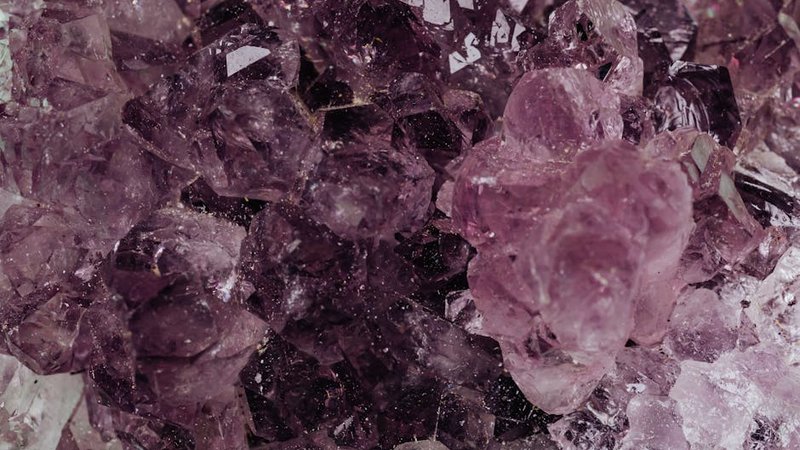
I walked into a crystal shop for the first time on a rainy Saturday afternoon in 2023. I wasn't looking for anything specific — just killing time while waiting for a friend who was running late. Then I saw it: a palm-sized chunk of deep purple stone sitting on a wooden shelf, catching the light in a way that made it look almost alive.
I picked it up and turned it over in my hands. It had this weight to it, this presence that I can't really explain with words. The shop owner, a woman with silver hair and about forty crystal bracelets on each wrist, noticed me staring at it and smiled. "That's amethyst," she said. "It's our most popular one. Everyone wants amethyst."
"Why?" I asked, genuinely curious.
"Because it does a little bit of everything," she said, like she'd answered that question ten thousand times before. "Sleep, stress, focus, protection. It's the Swiss Army knife of crystals."
I bought it for $14 and took it home. That was the start of a rabbit hole I'm still falling down.
What Is Amethyst, Actually?
Let's get the science part out of the way first. Amethyst is a variety of quartz — specifically, the purple kind. Its chemical formula is SiO₂, same as regular clear quartz, but with trace amounts of iron that get trapped in the crystal structure during formation. When those iron-bearing crystals are exposed to natural radiation from the surrounding rocks (yes, real radiation, but totally harmless — we're talking about the same kind of background radiation you get from a banana), the iron atoms shift and produce that signature purple color.
On the Mohs hardness scale, amethyst sits at a 7. That's pretty tough — harder than steel, softer than topaz. You can scratch glass with it, but it won't scratch a sapphire. This hardness is why amethyst has been used in jewelry and carved objects for thousands of years. It holds up to daily wear without getting trashed.
The most significant sources today are Brazil (especially the state of Rio Grande do Sul, which produces those massive geodes you've probably seen in museum gift shops), Uruguay (known for deeper, darker purple varieties), and South Korea. You'll also find amethyst in Zambia, Russia, and parts of the United States, but Brazilian and Uruguayan stones dominate the market.
Color-wise, amethyst runs from very pale lilac — almost transparent with just a blush of purple — to deep, dark purple that's nearly black in low light. The most prized color is often described as "Siberian purple," a rich, saturated violet with slight red flashes. But honestly, beauty is subjective here, and some of my favorite pieces are lighter stones with interesting inclusions.
The History: Why Have Humans Been Obsessed With This Stone for Thousands of Years?
The name "amethyst" comes from the ancient Greek word amethystos, which translates roughly to "not intoxicated" or "not drunk." The Greeks had a myth about it — Dionysus, the god of wine, got angry at a mortal woman named Amethystos (or, in some versions, a young girl who was a devotee of Artemis). Depending on which version you read, he either unleashed tigers on her or was about to attack her himself. Artemis intervened and turned her into a clear crystal. Dionysus, feeling remorseful (or just drunk, depending on your interpretation), poured wine over the crystal, staining it purple forever.
Because of this myth, ancient Greeks and Romans wore amethyst amulets and drank from amethyst cups, believing the stone could prevent drunkenness. Pliny the Elder wrote about it. Medieval European soldiers carried amethyst into battle, thinking it would keep them clear-headed. Catholic bishops wore amethyst rings — you can still see this tradition in some denominations today, which is partly why purple became associated with Lent and penance.
In the Middle Ages, amethyst was considered one of the five "cardinal gemstones" alongside diamond, sapphire, ruby, and emerald. That's pretty elite company for a stone that today you can buy for the price of a nice lunch.
The value of amethyst actually plummeted in the 19th century when massive deposits were discovered in Brazil. Before that, it was genuinely rare and expensive. Leonardo da Vinci reportedly believed amethyst could "dissolve evil thoughts and quicken intelligence," though I haven't found a primary source for that claim, so take it with a grain of salt.
Amethyst Benefits: What Do People Actually Use It For?
Here's where I need to be straightforward. There is no scientific evidence that crystals have any healing properties beyond the psychological effects of belief and ritual. If you're looking at amethyst as a medical treatment, you're going to be disappointed. That said, the traditional uses and the experiences people report are worth understanding — even if the mechanism is more "placebo and mindfulness" than "magic mineral energy."
Better Sleep
This is probably the most commonly reported benefit, and it's the one I noticed most clearly myself. I keep a small amethyst cluster on my nightstand, and whether it's the stone itself or just the ritual of having something calming near my bed, my sleep quality improved after I started doing this. Traditional crystal practitioners recommend placing amethyst near your pillow or under your bed to promote restful sleep and ward off nightmares.
Stress and Anxiety Relief
Many people hold amethyst during meditation or stressful moments. The theory is that amethyst's calming energy helps quiet racing thoughts. Again, whether this works because of the stone's properties or because holding a smooth, cool object and focusing on it is inherently grounding is up for debate. But the reported effect — feeling calmer — is real for a lot of people.
Enhanced Intuition and Mental Clarity
In crystal healing traditions, amethyst is associated with the third eye and crown chakras. Practitioners believe it helps open these energy centers, promoting spiritual awareness, sharper intuition, and clearer thinking. The traditional association with sobriety and clear-headedness from ancient Greek times carries forward here — amethyst is seen as a stone that cuts through mental fog.
Support with Breaking Bad Habits
Going back to its ancient reputation as the "sobriety stone," some people use amethyst as a focus tool when trying to quit smoking, reduce alcohol consumption, or break other habits. The idea is that carrying or wearing amethyst serves as a physical reminder of your intention and provides a grounding point when cravings hit. It's essentially a tangible commitment device — which, frankly, is a pretty smart use of any object regardless of its metaphysical properties.
How to Use Amethyst: Practical Guide
In the Bedroom for Sleep
Place a small amethyst piece on your nightstand or under your pillow. A tumbled stone or small cluster works well — nothing too large or pointy. Some people prefer a polished worry stone they can hold while falling asleep. The traditional recommendation is to cleanse the stone first (more on that below) and set an intention like "restful sleep" or "peaceful mind" while placing it.
During Meditation
Hold a palm stone or tumbled piece in your receiving hand (the non-dominant one) during meditation. Some practitioners place amethyst directly on the third eye (center of the forehead) or crown (top of the head) during lying-down meditation. I personally find this a bit uncomfortable and prefer just holding it, but plenty of people swear by the direct placement method.
Crystal Water — With a Big Caveat
Making crystal water — placing a crystal directly in your drinking water — is popular, but you need to be careful. Only use polished amethyst for this, never raw or rough specimens. Raw amethyst can contain trace minerals, iron, and potentially other elements that could leach into water. Polished stones have been treated and sealed in a way that minimizes this risk.
Even safer: use the indirect method. Place your amethyst next to a glass of water rather than in it. The water won't have any physical contact with the stone, which eliminates contamination concerns entirely while still letting you go through the ritual if that's meaningful to you.
Wearing It
Amethyst jewelry is probably the easiest way to keep the stone's energy close throughout the day. Pendants worn near the heart are traditional for emotional calming. Rings on the receiving hand are common for stress relief. Bracelets let the stone make skin contact along the wrist, which some practitioners believe is an energy-sensitive area.
Crystal Combinations: What Pairs Well With Amethyst?
One of the fun things about getting into crystals is experimenting with combinations. Here are the pairings that come up most often in crystal communities:
Amethyst + Rose Quartz: This is the classic emotional healing combo. Rose quartz brings unconditional love and heart-centered energy, while amethyst provides calming and intuitive support. Together, they're often recommended for grief, heartbreak, or self-love work. I have a small grid with these two that I made after a rough breakup, and while I can't prove the stones did anything, the ritual of setting it up and sitting with it definitely helped me process things.
Amethyst + Black Obsidian: Amethyst opens you up spiritually; black obsidian grounds you and provides protection. Think of it as spiritual exploration with a safety net. This pairing is popular for people doing deep inner work, shadow work, or intense meditation practices where they want to stay connected to reality while exploring expanded states.
Amethyst + Clear Quartz: Clear quartz is known as the "amplifier" in crystal healing — it's believed to enhance the properties of whatever stone it's paired with. Adding clear quartz to amethyst is like turning up the volume on amethyst's calming, intuitive qualities. This is a good combination for meditation spaces or altars.
Amethyst + Citrine: Citrine's warm, energizing quality balances amethyst's cooler, calming energy. This pairing is sometimes recommended for people who want the calming benefits of amethyst without feeling sluggish or disconnected. Citrine brings in creativity and motivation while amethyst keeps things grounded.
Cleansing and Caring for Amethyst
Crystals in traditional practice are believed to absorb energy over time and need periodic cleansing. Whether or not you buy into the energy aspect, basic care will keep your amethyst looking beautiful for years.
Moonlight Cleansing
The most commonly recommended method for amethyst is moonlight — specifically, leaving it outside or on a windowsill during a full moon. Moonlight is gentle and won't damage the stone's color. Some people prefer the actual full moon night, while others do this monthly as a routine regardless of the lunar phase.
Running Water
Holding your amethyst under cool running water for a minute or two is another common cleansing method. The water should be cool, not hot, and the stone should be dried thoroughly afterward. This works best for tumbled and polished stones — avoid doing this with raw specimens that have crevices where water can get trapped.
What to Avoid
Here's the big one: prolonged sunlight exposure. Amethyst's purple color is caused by iron in a specific oxidation state, and UV radiation from sunlight can actually alter that state, causing the stone to fade or turn yellowish-brown. This isn't reversible. Keep your amethyst out of direct sun for extended periods — a few minutes is fine, but don't leave it on a sunny windowsill for days.
Also avoid harsh chemicals, ultrasonic cleaners (can cause internal fractures), and extreme temperature changes. Basic common sense care, really.
How to Choose a Good Amethyst
After buying probably too many amethyst pieces over the past two years, here's what I've learned about picking good ones:
Color depth isn't everything. Deep purple amethyst tends to be more expensive, and there's a market perception that darker equals better. But some of the most visually stunning pieces I own are medium-purple stones with interesting color zoning — bands of lighter and darker purple that create a landscape-like effect inside the crystal. Don't dismiss a lighter stone just because it's not dark.
Look at the inclusions. Inclusions — the tiny internal features of a crystal — are part of what makes each piece unique. Some people love "garden quartz" or "lodolite," where mineral inclusions create scenes inside the stone. Others prefer clean, inclusion-free pieces. Neither is objectively better. But if you're paying a premium, make sure the inclusions add character rather than detract from the stone's beauty.
Check the cut and polish. For tumbled stones, the polish should be smooth and even with no rough patches. For faceted pieces in jewelry, look for symmetrical cuts and good proportions. For raw specimens, check that there are no unstable fractures that could cause the piece to break later.
Trust your gut. I know this sounds like crystal-shop-owner talk, but it's genuinely true for me. The piece that caught my eye in that rainy Saturday shop — the one that started this whole thing — wasn't the most valuable amethyst in the store. It wasn't the darkest or the clearest. But something about it resonated with me, and I still keep it on my desk two years later. Sometimes you just know.
Amethyst might be common, it might be affordable, and it might not have the scientific backing that some people want. But there's a reason it's been popular for thousands of years across dozens of cultures. It's beautiful, it's durable, it's accessible, and whether you believe in its metaphysical properties or just enjoy it as a gorgeous purple stone, it's a pretty great thing to have around.
That first piece I bought for $14? Still on my nightstand. Still purple. Still doing its thing.
Comments