What Is Citrine, Exactly?
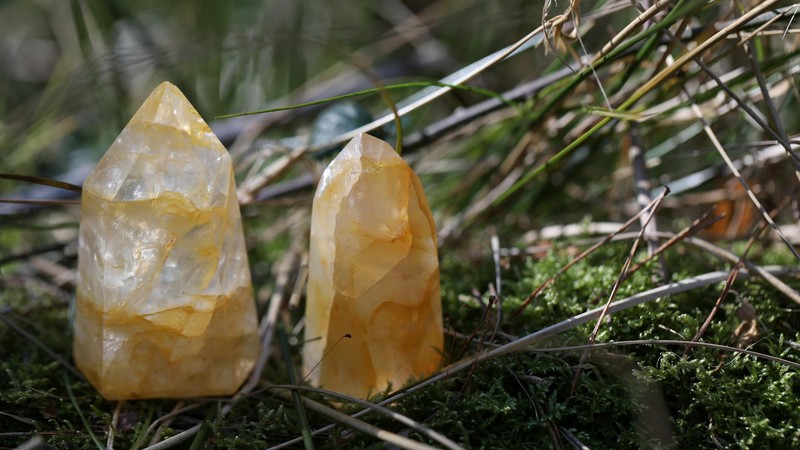
Last spring, a friend of mine opened a small boutique in our neighborhood. She was equal parts excited and terrified — first-time business owner energy, you know? I wanted to get her something meaningful for the grand opening, something beyond a generic "congrats" card. So I went to a crystal shop I''d been meaning to check out for months, and I walked out with a raw chunk of citrine the color of honey in sunlight.
"It''s called the Merchant''s Stone," I told her when I handed it over. "Supposed to bring in wealth and good energy for businesses. Keep it near your register."
She laughed. Not a mean laugh — a "my friend has gone full crystal lady" laugh. She put it on the shelf behind the counter anyway, mostly because she''s polite and I was standing right there.
Three months later, she texted me a photo of that same citrine chunk, now sitting on a little velvet tray next to her cash register. "I don''t know if it''s the stone or if I just got lucky," she wrote, "but June was our best month by far. I''m not moving this thing."
Is it the citrine? I genuinely don''t know. Maybe it''s the confidence boost of feeling like you''ve got a lucky charm. Maybe it''s confirmation bias. Maybe there''s something to it that science hasn''t caught up with yet. Either way, that moment sent me down a rabbit hole of learning everything I could about this sunny yellow stone, and I want to share what I''ve found.
What Is Citrine, Exactly?
Citrine is a variety of quartz — the same mineral family as amethyst, rose quartz, and clear quartz. It gets its warm yellow-to-amber color from trace amounts of iron inside the crystal structure, combined with heat (either natural, from the earth''s geothermal processes, or applied artificially).
On the Mohs hardness scale, citrine sits at a 7. For reference, that''s harder than glass (5.5) and softer than topaz (8). Practically speaking, this means it''s durable enough for everyday wear — it won''t scratch easily and can handle being tossed in a pocket or purse without crumbling. It''s a good "carry it with you" crystal.
The major sources of natural citrine are Brazil (by far the biggest producer), Spain, Russia, Madagascar, and the Ural Mountains. If you''re buying citrine, there''s a very high chance it came from Brazil, specifically the Minas Gerais region, which is basically the crystal capital of the world.
Now here''s something most crystal shops won''t volunteer: a significant portion of the citrine on the market isn''t actually natural citrine. It''s amethyst that''s been heat-treated. Amethyst and citrine are both quartz with iron impurities — the difference is that amethyst''s iron ions are in a different oxidation state, giving it purple color. Heat it enough (usually around 400-500°C), and those ions rearrange into the warm yellow-orange of citrine.
Is that a bad thing? Not necessarily. We''ll get into the differences in the next section.
Natural Citrine vs. Heat-Treated: Does It Matter?
This is probably the most debated topic in the citrine world, so let''s break it down honestly.
Natural citrine is relatively rare. It forms when amethyst-bearing rock is naturally heated by nearby volcanic or geothermal activity over millions of years. True natural citrine tends to be pale yellow, sometimes with a smoky or honeyed quality. The color is often uneven — you might see zones of pale yellow blending into clear or slightly smoky areas. It''s subtle, not flashy.
Heat-treated citrine (also called "heat-treated amethyst") is much more common and usually more vibrant. The color tends toward deeper amber, orange, and sometimes even reddish tones. It''s often more saturated and uniform than natural citrine. If you see citrine with deep orange or reddish-brown color — especially with white "phantom" zones that were originally amethyst — it''s almost certainly heat-treated.
From a traditional crystal healing perspective, most practitioners consider them functionally equivalent. The argument goes that the stone''s fundamental energy comes from its quartz structure and iron content, not from whether the heat was applied by the earth or by a kiln. I''ve seen practitioners on both sides of this debate get pretty heated (pun very much intended), so take it with a grain of salt.
My personal take? If you want natural citrine for the sake of having something that formed the way nature intended, go for it — but expect to pay more and accept paler color. If you want something that looks gorgeous and fits a reasonable budget, heat-treated citrine is perfectly fine. Most of the citrine I own is heat-treated, and it hasn''t stopped me from finding the practice meaningful.
Meaning and Symbolism: Why Is It Called the Merchant''s Stone?
Citrine''s reputation as a wealth-attracting stone goes back centuries. In ancient times, merchants and traders would carry citrine in their pockets or place it in their cash boxes. The belief was that the stone''s sunny, golden energy mirrored the energy of wealth and abundance — like attracts like.
The name "Merchant''s Stone" stuck, and it''s still the most common association. But citrine is also called the "Success Stone" and the "Stone of the Mind" in various traditions, and its symbolic meanings go beyond just money:
Wealth and abundance — The most famous association. In crystal traditions, citrine is believed to attract prosperity, success, and all forms of abundance (not just financial — abundance of opportunities, relationships, creativity).
Confidence and personal power — Citrine is associated with the solar plexus chakra, which is considered the center of personal power, self-esteem, and confidence in many energy traditions. Working with citrine is said to strengthen your sense of self-worth and assertiveness.
Creativity and motivation — The warm, energizing quality of citrine is linked to creative inspiration and the drive to turn ideas into action. Some people keep citrine on their desk while working on creative projects for this reason.
Joy and positivity — There''s a reason citrine is often described as "captured sunshine." Its warm color and energizing reputation make it a go-to stone for people dealing with low moods, seasonal affective issues, or just needing a little brightness in their day.
Healing Properties: What Do People Use Citrine For?
I want to be upfront here: there''s no scientific evidence that crystals have healing properties. What follows is what people in crystal healing traditions believe, based on centuries of use and personal experience. If you''re interested in the science side, citrine is genuinely beautiful quartz with a fascinating geological story, and that''s reason enough to appreciate it.
That said, here''s how citrine is traditionally used in healing practices:
Emotional uplift — Citrine is often recommended for people going through depressive episodes, grief, or emotional burnout. The idea is that its "solar" energy counteracts feelings of heaviness and darkness. Many people report simply feeling happier when they carry or wear citrine daily.
Boosting self-confidence — Because of its association with the solar plexus chakra, citrine is used in practices aimed at building self-esteem, overcoming imposter syndrome, and finding the courage to pursue goals. Some people hold citrine during affirmations or journaling exercises for this purpose.
Enhancing focus and clarity — Citrine''s "Stone of the Mind" nickname comes from its reputation for sharpening mental clarity and concentration. Students, writers, and anyone doing detail-oriented work sometimes keep it nearby.
Energy cleansing — In many traditions, citrine is one of the few crystals believed to be self-cleansing — meaning it doesn''t absorb negative energy the way some other stones supposedly do. Whether or not that''s true, it''s a nice property if you don''t want to worry about constantly "clearing" your crystals.
How to Use Citrine in Your Daily Life
In Your Wallet or Purse
This is the classic use, and it''s where the Merchant''s Stone really earned its name. Tuck a small piece of citrine — even a tumbled stone the size of a grape — into your wallet, coin pocket, or the cash compartment of your bag. The traditional belief is that it helps money flow toward you and prevents financial energy from getting "stuck."
I''ve had a small tumbled citrine in my wallet for about eight months now. Has my financial life transformed? Not dramatically. But I do think there''s something to the psychological effect — every time I open my wallet and see that little golden stone, it''s a tiny reminder to be mindful about spending and to stay open to opportunities. That alone has value.
On Your Desk or Workspace
A larger piece of citrine — a cluster, a geode, or a polished point — makes a beautiful desk accessory. Beyond aesthetics, the traditional placement is in the back left corner of your workspace, which in feng shui is the "wealth corner" of a room.
Even if you don''t subscribe to feng shui, having a warm, glowing crystal on your desk creates a more pleasant work environment. Mine sits next to my monitor, and I catch the light hitting it throughout the day. It''s a small thing, but it genuinely makes my workspace feel more inviting.
During Meditation
If you meditate, try holding a piece of citrine in your receiving hand (usually your non-dominant hand) or placing it on your solar plexus (just above your navel). The warmth of the stone in your palm can be grounding, and focusing on the color — that golden amber — gives your mind something to hold onto when thoughts start wandering.
I''m not a daily meditator, but when I do sit down with my citrine, I find it easier to settle in. Whether that''s the crystal or just the ritual of choosing to focus, I couldn''t tell you. Doesn''t matter — the result is the same.
In Crystal Grids
Crystal grids are arrangements of stones set in specific geometric patterns with an intention in mind. For abundance and prosperity grids, citrine is almost always a central stone. A common setup places citrine in the center with green aventurine, pyrite, and clear quartz at the outer points.
You can keep this as simple or elaborate as you want. My "grid" is literally just three stones arranged in a triangle on a piece of cardboard: citrine in the center, green phantom quartz on one side, and a small piece of pyrite on the other. I change the intention written on the cardboard every few weeks. It''s not fancy, but it works for me.
Crystal Pairings: What Goes Well With Citrine?
Citrine plays well with others. Here are some popular combinations and what they''re traditionally used for:
Citrine + Green Phantom Quartz (Green Aventurine) — This is the classic "double abundance" pairing. Citrine covers the wealth and confidence angle while green stones represent growth, new opportunities, and nature''s prosperity. Together, they''re supposed to create a powerful energy for financial and personal growth. I keep this combo on my desk during busy work months.
Citrine + Black Obsidian — This is a protective pairing. Black obsidian is known for grounding and shielding against negative energy, while citrine attracts positive energy. The idea is that obsidian keeps your wealth and good fortune from being drained by external negativity — a "guard your blessings" combination.
Citrine + Rose Quartz — Love and abundance together. Rose quartz opens the heart, promotes self-love and compassion, while citrine brings confidence and material well-being. This pairing is often recommended for people who want to attract a loving relationship that''s also financially stable and supportive.
Citrine + Clear Quartz — Clear quartz is known as an "amplifier" in crystal work. Pairing it with citrine is said to magnify citrine''s energy, making your intentions stronger. Some people place a clear quartz point next to their citrine to "charge" it.
Citrine + Amethyst — An interesting one, since they''re chemically almost identical. Amethyst calms and citrine energizes. Together, they''re said to create balance — the yin and yang of the quartz family. Good for people who want abundance energy without burning out.
Cleansing and Caring for Your Citrine
One of the best things about citrine is how low-maintenance it is compared to some other crystals:
Sunlight cleansing — Citrine loves the sun. Like, genuinely thrives in it. Unlike amethyst (which can fade in direct sunlight) or rose quartz (same problem), citrine''s color actually comes from light and heat. A few hours in direct sunlight is the traditional way to "recharge" citrine. I leave mine on the windowsill on bright mornings.
Moonlight cleansing — If you prefer a gentler approach, a full moon overnight works too. Some people alternate between sun and moon depending on what kind of energy they want to emphasize.
Running water — A quick rinse under cool running water is another simple method. Just don''t use hot water (not that you would, but some people get overzealous with the tap). Pat dry with a soft cloth afterward.
Sound cleansing — If you have a singing bowl or tuning fork, a few minutes of sound near your citrine is a popular method. No water or light needed — just vibes.
For storage, citrine is pretty forgiving. Keep it in a soft pouch or wrapped in cloth if you''re tossing it in a bag with harder stones (like diamond or sapphire), since those could scratch it. Otherwise, it''s tough enough to handle normal wear and tear.
How to Choose a Good Piece of Citrine
If you''re shopping for citrine — whether at a crystal shop, online, or at a gem show — here''s what to look for:
Color isn''t everything — The deepest, most saturated orange citrine isn''t necessarily the "best." In fact, some of the most energetically valued natural citrine is quite pale. Don''t assume darker = better quality. What matters more is that you''re drawn to the piece.
Clarity and inclusions — Hold the stone up to the light. Some internal inclusions (tiny fractures, mineral deposits, or "rainbow" iridescence) are normal and can actually make a piece more interesting. Completely clear citrine exists but is less common. A few wispy inclusions or subtle color zoning usually indicate natural formation.
Weight matters — Citrine should feel substantial for its size. Quartz is relatively dense, so if a piece feels oddly light, it might be glass or a lower-quality simulant. Not that glass is inherently bad — but you should know what you''re getting.
Trust your gut — This sounds woo-woo, but honestly, pick the piece that catches your eye first. In crystal traditions, it''s believed that the right stone "chooses" you. In practical terms, if you keep going back to look at one specific piece, that''s probably the one that''ll mean the most to you.
Natural vs. heat-treated — If this matters to you, ask the seller directly. Reputable crystal shops will usually disclose whether their citrine is natural or heat-treated. If they dodge the question or claim all their citrine is "100% natural" while it looks deep orange with white phantom zones, that''s a red flag. Heat-treated isn''t bad — dishonesty is.
Getting Started With Citrine
You don''t need to spend a fortune or fill your house with crystals to start working with citrine. A single tumbled stone — they''re usually $3 to $10 depending on size and quality — is enough to begin. Put it somewhere you''ll see it daily: your desk, your nightstand, your wallet, your windowsill.
Pay attention to how you feel when you interact with it. If holding it makes you feel calmer, more confident, or just a little happier, there''s your answer — whether it''s the crystal''s "energy" or the power of intention, something real is happening. And if you feel nothing? That''s okay too. Not every practice resonates with every person.
My friend still has that chunk of citrine on her register. Her boutique is doing well — she just signed a lease on a second location. I''d love to tell you it''s all because of the stone, but the truth is she works incredibly hard, makes smart business decisions, and genuinely cares about her customers. The citrine is just a sunny little reminder on her shelf that she took a leap of faith, and it worked out.
Sometimes that''s all you need.
Comments