A Complete Guide to Sage, Lavender and Rosemary Cleansing
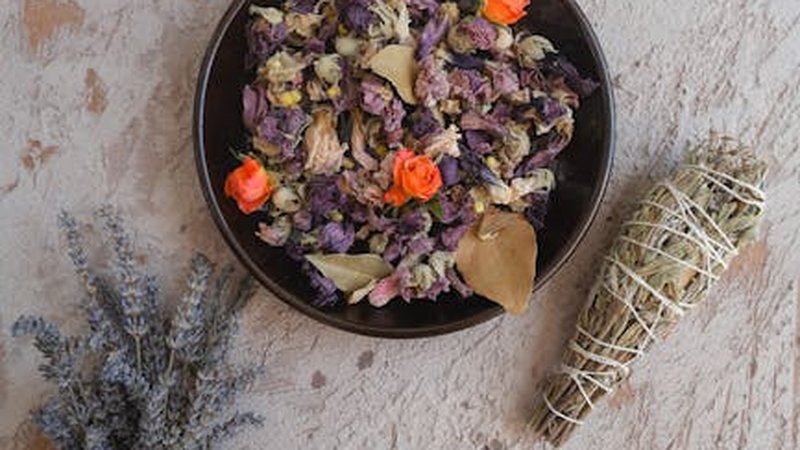
The Bundle of Dried Herbs That Changed My Mind
When I moved into my current apartment a couple years back, a friend showed up on moving day with a small paper bundle tied with twine. "You need to cleanse the space first," she said, very matter-of-fact, like this was as essential as changing the locks. Inside was a bundle of dried white sage, and she walked me through the whole process — light it, blow it out, walk through every room waving the smoke, open the windows. I went along with it mostly because I wanted my friend to feel helpful, but also because the apartment did have this weird heavy feeling I couldn't quite explain.
Whether it was the sage or just the psychological reset of intentionally "clearing out" the old energy, the place felt different afterward. Lighter, maybe. Either way, I was curious. Sage worked — or felt like it worked — but was it the only option? Turns out there's a whole world of cleansing herbs out there, and sage is just the beginning.
After experimenting with several over the past two years, here's what I've learned about the most popular options and how to figure out which one is right for what you're trying to do.
White Sage: The Classic for a Reason
White sage (Salvia apiana) is what most people think of when they hear "smudging" or "space cleansing." It's been used for centuries by Indigenous peoples of the Americas in purification ceremonies. The dried leaves are bundled into smudge sticks, and when burned, they produce a thick, aromatic smoke that's become the standard for energetic cleansing in spiritual and wellness communities.
The smoke is strong — earthy, sharp, almost peppery. Some people love it immediately. Others find it overwhelming at first. I remember my first time thinking it smelled like a campfire mixed with something medicinal. It's not subtle.
How to Use White Sage for Cleansing
The process is straightforward. Open a window or two — you want the old energy and smoke to have somewhere to go. Light the tip of the sage bundle until it catches, then blow out the flame so it's smoldering. Walk through your space slowly, starting at the back and working toward the front door. Wave the smoke into corners, along walls, into closets — anywhere that feels "stuck" or heavy. Some people use a feather to direct the smoke, but your hand works fine.
When you're done, press the burning end into a fireproof bowl or shell (abalone shells are traditional) to extinguish it. Don't run it under water — that makes the bundle hard to relight. The whole process takes ten to fifteen minutes for a standard apartment.
Types of Sage: Not All Sage Is the Same
This confused me early on. "Sage" at the grocery store is culinary sage (Salvia officinalis), great for stuffing but not what you want for cleansing. Here's the breakdown:
White sage (Salvia apiana): The gold standard. Strong, purifying smoke. What most smudge sticks are made from.
Desert sage (Artemisia tridentata): Also called sagebrush. Milder, slightly sweeter scent. Good if white sage is too intense.
Blue sage (Salvia azurea): Lighter, more floral scent. Often used for meditation and spiritual work rather than heavy-duty cleansing.
Lavender: Cleanse and Calm
Lavender was my second foray into space cleansing, and honestly it might be my favorite for certain situations. While sage feels like a deep clean, lavender feels more like a gentle reset. It purifies, but it also brings a sense of calm that sage doesn't really offer.
The scent is much softer and sweeter than sage — floral in a clean, green way, not perfumey or artificial. Even people who can't stand incense tend to like lavender.
I first tried it after a stressful week at work. My apartment felt like it was physically holding onto that tense energy. I burned a lavender bundle in the bedroom and living room, and within minutes the space genuinely felt more relaxed. Whether that's the herb doing something metaphysical or just my brain associating the smell with calm — it worked.
When Lavender Shines
Lavender is ideal for bedrooms, meditation spaces, and anywhere you want to promote relaxation. It's great after an argument, a hard day, or when you're having trouble sleeping. The burning process is the same as sage — light, blow out, walk through the space, open windows. Lavender burns a bit faster and produces less smoke, which is actually a plus for smaller spaces.
I like to alternate: sage for the main cleansing, then lavender after to set a calm, peaceful tone. It's a nice one-two punch.
Rosemary: Energy, Protection, and Fresh Starts
Rosemary was a happy accident. I'd bought a fresh bunch for cooking, had extra, and read you could dry and burn it for cleansing. The first time, I was surprised by how different the energy felt compared to sage and lavender.
If sage is a deep clean and lavender is a spa day, rosemary is like opening all the windows on a crisp morning. It's invigorating. The smoke is sharp and piney, activating rather than calming. I've seen rosemary described as "protective" and "energizing" in various traditions, and that matches my experience.
Historically, rosemary has rich symbolism. In ancient Greece, students wore rosemary garlands during exams, believing it improved memory. In medieval Europe, it was hung in doorways to ward off illness. Whether you buy into the metaphysical aspects or not, rosemary is about clarity and protection.
Best Uses for Rosemary
I reach for rosemary when I'm starting something new, when my home office feels stagnant and I need a creative boost, or after having people over and the space feels crowded with leftover social energy. It's not my go-to for relaxation — that's lavender's job — but for shaking things loose and creating forward momentum, rosemary is excellent.
Burn dried rosemary sprigs the same way as sage. They're a bit woody and might take an extra second to catch. Some people combine rosemary with sage in a single bundle for a cleansing ritual that's both purifying and energizing.
Other Herbs Worth Knowing About
Sage, lavender, and rosemary are just the beginning. Here are a few others worth knowing:
Cedar: Warm, woodsy smoke that's deeply grounding. Often used for protection and stability. I've burned cedar after traveling to help "land" back home. The smell is rich and resinous, like a cedar closet.
Sweetgrass: The opposite of sage — while sage clears out negative energy, sweetgrass invites in positive energy. It smells sweet, almost like vanilla or fresh hay. Burn it after sage to refill the space with good energy.
Frankincense resin: Technically tree resin, not an herb, but it belongs here. Burn it on a charcoal disk for a rich, complex smoke that feels deeply purifying on a spiritual level. Associated with meditation and spiritual cleansing for thousands of years. More involved (you need charcoal tablets and a heat-safe burner), but worth it.
How to Choose the Right Herb for Your Situation
After working with these for a while, I've settled on a pretty simple decision framework. It's not scientific, but it works for me:
Need a deep, thorough cleanse? White sage. Moving into a new place, after an argument, after being sick, when the space just feels "off" for no clear reason. Sage is the heavy hitter.
Want to relax and create a peaceful atmosphere? Lavender. Bedrooms, meditation spaces, before sleep, after a stressful day. Lavender soothes while it cleanses.
Looking for energy, focus, or a fresh start? Rosemary. New beginnings, creative blocks, after hosting guests, when you need to shake off stagnation. Rosemary activates.
Need grounding and stability? Cedar. After travel, during times of change or uncertainty, when you feel scattered. Cedar anchors.
Want to attract positive energy after clearing? Sweetgrass. After sage, as a follow-up to "refill" the space with good energy.
Going for something deeper and more spiritual? Frankincense. Meditation, ritual work, when you want the cleansing to feel ceremonial rather than routine.
And you don't have to pick just one. Combining herbs is common and can give you a more nuanced effect. Sage and lavender together cleanse and calm. Sage and rosemary together cleanse and energize. Cedar and sweetgrass together ground and uplift. Experiment and see what resonates with you.
Safety Tips You Actually Need to Follow
A few practical things that don't get mentioned enough:
Smoke alarms: I've set off my alarm burning sage in a small bathroom with poor ventilation. Open windows before you start, and don't burn herbs right under a detector.
Pets: Many burning herbs are toxic to cats and dogs. Sage contains compounds harmful to pets in concentrated amounts; lavender is problematic for cats. Either burn herbs in a room pets aren't in, or research pet-safe alternatives. Ask your vet.
Ventilation: Always burn herbs in a well-ventilated area. Open at least one window. If you have asthma or respiratory issues, consider very short burning times or alternatives like sound cleansing with bells or singing bowls.
Fire safety: Keep a fireproof bowl nearby to catch falling embers. Don't leave burning herbs unattended. I once set a smudge stick on a plate, thought it was out, and came back to a scorch mark on my countertop. Learn from my mistake.
Sourcing: Wild white sage is being overharvested in Southern California. Look for sustainably grown sage, or grow your own. Rosemary, lavender, and cedar are easier to source sustainably.
Final Thoughts
Cleansing your space with herbs is one of those practices that's simple, inexpensive, and — at least for me — genuinely effective at creating a shift in how a room feels. Whether that's a psychological effect, an energetic one, or some combination of both, I don't really care. The result is what matters.
Start with sage if you're new to this — it's the most accessible and the most straightforward. But don't stop there. Lavender, rosemary, cedar, and the others each bring their own character to the practice. The fun is in experimenting and finding what works for you and your space.
And that bundle my friend gave me on moving day? I still have the leftover stub of it, tucked in a drawer. I don't use it anymore — I've moved on to fresh bundles and other herbs — but it reminds me of the beginning. Sometimes the best place to start is wherever someone hands you something and says "try this."
Comments