Black Tourmaline: The Complete Crystal Guide
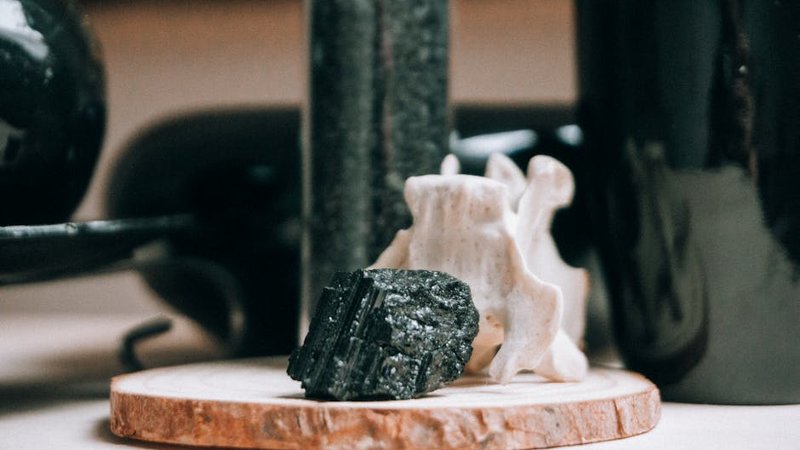
I walked into a crystal shop for the first time on a rainy Tuesday afternoon. I wasn't planning to buy anything—I was just killing time while waiting for my car to get serviced next door. The owner, a woman in her sixties with silver rings on every finger, looked at me for about three seconds, reached under the counter, and handed me a chunk of black stone.
"You've been under a lot of stress lately, haven't you?" she said. Not as a question.
I had. Work was a mess, I wasn't sleeping well, and I'd been having that tight-chest feeling for weeks. I didn't know her. She didn't know me. But I bought the stone for $12, took it home, and put it on my nightstand mostly out of curiosity.
I'm not going to tell you it changed my life overnight. But I started sleeping better within a week. Whether that was the stone, the placebo effect, or just the fact that I'd started paying attention to my stress levels for the first time in months—I honestly can't say. What I can say is that black tourmaline has been a part of my daily routine ever since, and I've spent the last two years learning everything I can about it.
What Is Black Tourmaline, Exactly?
Black tourmaline—also known as schorl—is a boron silicate mineral. It gets its deep black color from iron content within its crystal structure. It's one of the most common forms of tourmaline, which is ironic considering it's also considered one of the most powerful in crystal healing traditions.
On the Mohs hardness scale, black tourmaline ranks between 7 and 7.5. That's pretty tough—harder than glass, softer than quartz. It won't scratch easily in your pocket or purse, which is part of why it's so popular as a carry stone. You don't have to baby it.
Major deposits are found in Brazil (which produces some of the highest quality specimens), Africa (particularly Namibia and Madagascar), Afghanistan, and parts of the United States like Maine and California. The Brazilian pieces tend to have a slightly more lustrous surface, while African specimens often have more interesting internal inclusions and formations.
Tourmaline as a mineral group is actually fascinating from a geological perspective. It's piezoelectric and pyroelectric—meaning it can generate an electric charge under pressure or when heated. This property has been known since the 18th century, when Dutch traders used tourmaline to pull ash from their tobacco pipes (they called it "aschentrekker," or ash puller). That electrical property is part of why black tourmaline is associated with energy work and protection in metaphysical traditions.
Meaning and Symbolism: Why It's Called the "Protection Stone"
In crystal healing and metaphysical communities, black tourmaline is pretty much synonymous with protection. It's considered the heavyweight champion of shielding stones—the one you reach for when everything else feels too gentle or too specific.
Traditionally, black tourmaline is believed to:
Absorb negative energy from your environment and from other people. Think of it as an energetic sponge. If you've ever walked into a room and immediately felt drained after talking to someone, black tourmaline practitioners would say that's exactly the kind of energy this stone is designed to intercept.
Block electromagnetic radiation. This is one of the most common uses—people place black tourmaline near their computers, Wi-Fi routers, and cell phones. The idea is that the stone's piezoelectric properties help neutralize or deflect EMF emissions. We'll dig into this more in a dedicated section below.
Provide grounding. In crystal terminology, "grounding" means connecting your energy to the earth—staying present, centered, and stable instead of anxious, scattered, or unmoored. Black tourmaline is considered a root chakra stone, associated with feelings of safety, security, and belonging.
Deflect psychic attacks or malicious intent. This is where it gets into more esoteric territory. Some practitioners believe black tourmaline doesn't just absorb negativity but actively repels it, like an energetic force field. Whether or not you buy into that particular belief, the stone's reputation for protection is consistent across cultures and traditions.
The symbolism is almost always tied to darkness and earth—not in a negative sense, but in the way that dark soil is fertile, that caves provide shelter, that nighttime is when your body heals. Black tourmaline represents the protective, grounding aspects of the natural world.
Healing Properties: What Crystal Practitioners Say
Before diving in, I want to be upfront: none of what follows has been scientifically proven. Crystal healing is considered a complementary practice, not a medical treatment. If you're dealing with serious anxiety, insomnia, or other health issues, please talk to a professional. What I'm sharing here is what crystal enthusiasts and practitioners have reported anecdotally over many years.
That said, the reported benefits of black tourmaline are extensive and surprisingly consistent across different sources:
Stress and anxiety relief. This is the #1 thing people use black tourmaline for, and it's what the crystal shop owner picked up on the day I first encountered it. Many people report feeling calmer and more centered when carrying or wearing black tourmaline, especially during high-stress situations like job interviews, difficult conversations, or travel.
Better sleep. Placing black tourmaline under your pillow or on your nightstand is a very common practice. People who do this regularly often report falling asleep faster, sleeping more deeply, and having fewer nightmares. I personally keep a piece on my nightstand and have noticed I wake up less often during the night.
Increased sense of safety. This ties into the grounding aspect. People who work in high-stress environments (hospitals, retail, customer service) sometimes carry black tourmaline as a way to maintain emotional boundaries. It's not that the stone solves your problems—it's that it can help you feel more anchored and less reactive to the chaos around you.
Grounding during meditation. Some people find that holding black tourmaline during meditation helps them stay present instead of drifting into anxious thought loops. The weight and texture of the stone give your hands something to focus on, and the association with root chakra energy is supposed to help you feel connected to your body and your surroundings.
Emotional resilience. Long-term practitioners often describe a cumulative effect—the more consistently they work with black tourmaline, the more "buffered" they feel against negativity. Like building an energetic immune system over time. Again, this could easily be explained by the psychological benefit of having a mindfulness practice and a physical focal point, but the effect is real for the people who experience it.
EMF Protection: The Big Debate
This is probably the most controversial claim associated with black tourmaline, so let's break it down honestly.
The belief: black tourmaline can reduce or neutralize the effects of electromagnetic field (EMF) radiation from electronic devices like computers, phones, Wi-Fi routers, and smart meters. Proponents point to tourmaline's natural piezoelectric and pyroelectric properties as evidence that the stone interacts with electromagnetic energy in a meaningful way.
The practice: thousands of people place black tourmaline near their laptops, on their desks, next to their bed (near the phone charger), or even tape small pieces to the back of their phones. Some people wear black tourmaline jewelry specifically for EMF protection during the workday.
The science: there is currently no peer-reviewed research demonstrating that black tourmaline reduces EMF exposure in any measurable way. The piezoelectric effect is real, but it occurs under mechanical pressure or temperature change—it's not the same thing as passively absorbing ambient electromagnetic radiation. A chunk of tourmaline sitting on your desk is not generating or modifying electromagnetic fields in any detectable manner.
So why do so many people swear by it? A few possible explanations:
The placebo effect is powerful and shouldn't be dismissed. If you believe you're protected, you may feel less anxious about your exposure, which reduces stress-related symptoms that people sometimes attribute to EMFs.
Having a physical reminder to take breaks from screens, practice digital wellness habits, and be mindful of your environment creates behavioral changes that genuinely improve how you feel. The stone becomes a trigger for healthy habits, not a magic shield.
Some of what people experience as "EMF sensitivity" may actually be stress, poor ergonomics, eye strain, or other factors that improve when you start paying attention to your workspace and self-care routines—which is often what happens when someone starts working with crystals.
My take? Use black tourmaline however it helps you. If placing it near your router makes you feel better, do it. Just don't treat it as a substitute for reasonable EMF reduction practices like using speakerphone, taking screen breaks, and keeping devices out of the bedroom.
How to Use Black Tourmaline: Practical Guide
1. Carry It With You
This is the simplest and most common approach. Tuck a small piece into your pocket, purse, or wallet. Some people prefer raw (natural, unpolished) pieces for carrying because the rough texture gives you something to fidget with—a grounding tactile experience on its own. Others prefer tumbled (polished) pieces because they're smoother and won't scratch other items in your pocket.
I carry a tumbled piece about the size of a grape in my left pocket. Why the left? Some traditions say the left side of the body is the receiving side, so that's where you want your protective stone. I have no idea if that's true, but it's become a habit and habits are grounding in their own way.
2. Place It in Your Workspace
Put a piece on your desk, near your computer, or anywhere you spend long hours. If you work from home, this is especially relevant—you're spending eight-plus hours in the same energetic space. A larger specimen (2-4 inches) works well for this because it's visible and present without being in your way.
Some people create a small grid or arrangement with black tourmaline and other stones on their desk. A single piece in the corner facing the door is a common feng shui placement for "protecting" your workspace from negative influences.
3. Put It Under Your Bed or on Your Nightstand
This is my personal favorite placement. The reasoning is twofold: first, you spend a third of your life in bed, so it makes sense to have protective energy there. Second, many people report that black tourmaline near the bed improves sleep quality and reduces nightmares.
Placement matters, apparently. Under the mattress (near the head of the bed) is considered ideal for grounding. On the nightstand works too. Some people put a piece under each corner of the bed for full coverage, though that might be overkill for most situations.
4. Place It Near Entrances
In feng shui and various protective traditions, placing black tourmaline near the front door of your home is supposed to block negative energy from entering. Think of it as an energetic doorman. A medium-sized raw piece on a shelf or table near your entryway is the traditional placement.
I have a chunk of raw black tourmaline the size of my fist sitting on a shelf next to my front door. My partner thinks it's a paperweight. It's been there for two years. The house hasn't burned down, our relationship hasn't imploded, and we haven't been visited by any particularly negative entities. Correlation or causation? You decide.
Cleansing and Caring for Black Tourmaline
Unlike quartz or amethyst, which many practitioners believe can be cleansed less frequently, black tourmaline is generally considered to need regular cleansing because of its role as an "absorber" of negative energy. If it's soaking up the bad stuff, the thinking goes, it needs to be emptied out periodically.
Here are the most common cleansing methods:
Running water. Hold your black tourmaline under cool running water for 30-60 seconds. Visualize the negativity washing away. This is the simplest method and the one I use most often. Since black tourmaline is relatively hard (7-7.5 on Mohs), water won't damage it. Just dry it thoroughly afterward—prolonged moisture can affect the surface over time.
Sea salt soak. Submerge the stone in a bowl of dry sea salt or salt water for a few hours or overnight. Salt is traditionally associated with purification in many cultures. If using salt water, don't leave it too long (more than 24 hours) and rinse with clean water afterward. Note: some people argue that salt can be too harsh on certain stones, but black tourmaline is tough enough to handle it.
Moonlight bathing. Place your stone outside or on a windowsill during a full moon. The moonlight is believed to recharge and purify crystals gently. This is the most low-effort method—just set it and forget it until morning. Some practitioners prefer the full moon specifically, while others say any moonlight works.
Smoke cleansing. Pass your black tourmaline through the smoke of sage, palo santo, cedar, or sweetgrass. This is a traditional practice in many Indigenous cultures (please source your herbs respectfully). The smoke is believed to clear stagnant or negative energy from the stone's surface. Hold the stone in the smoke for 15-30 seconds while setting your intention for cleansing.
How often should you cleanse? It depends on how you use it. A piece sitting on a shelf collecting ambient energy might need it once a month. A piece you carry daily and use during stressful situations might benefit from weekly cleansing. Trust your instincts—if the stone feels "heavy" or less effective, it's probably time.
Crystal Pairings: What Works Well With Black Tourmaline
Black tourmaline plays well with others. Here are the most popular and traditionally recommended combinations:
Black Tourmaline + Clear Quartz: This might be the most common pairing in crystal work. The idea is that clear quartz amplifies and purifies energy while black tourmaline absorbs and blocks negativity. Together, they create a dual-action system—quartz boosts the positive, tourmaline filters out the negative. I keep a clear quartz point and a piece of black tourmaline next to each other on my desk for exactly this reason.
Black Tourmaline + Amethyst: Amethyst is associated with calm, intuition, and spiritual awareness. Paired with black tourmaline, the combination is supposed to offer both protection (tourmaline) and peace (amethyst). This is a popular pairing for meditation—hold one in each hand, with black tourmaline in your receiving hand (usually left) and amethyst in your giving hand (usually right). It's also commonly used on nightstands for sleep support.
Black Tourmaline + Red (Rubellite) Tourmaline: This pairing is about balance—black tourmaline grounds and protects, while red tourmaline (rubellite) activates and energizes the root and heart chakras. It's described as balancing yin and yang energy within the body. If you've been feeling stuck or numb, adding a warm-colored stone to your black tourmaline practice might help restore some vitality without losing the protective benefits.
Black Tourmaline + Hematite: Double grounding. Both are associated with root chakra energy, earth element, and protection. This is a heavy-duty combination for people who feel genuinely ungrounded, scattered, or disconnected. It's not subtle—if you need to feel like you have your feet planted firmly on the ground, this pairing is about as anchored as it gets.
Black Tourmaline + Selenite: Selenite is one of the few stones believed to cleanse other crystals. Placing black tourmaline on or next to a selenite wand or plate is thought to continuously clear absorbed negativity without you having to actively cleanse the tourmaline. It's the "self-cleaning" crystal setup. I keep a selenite tower on my nightstand with black tourmaline pieces around its base.
How to Choose a Good Piece
If you're buying black tourmaline for the first time—or adding to your collection—here's what to look for:
Luster. Good black tourmaline has a vitreous (glass-like) to resinous sheen. It should catch light, even if it's subtle. Dull, chalky pieces might be lower quality or could even be a different mineral being sold as tourmaline. Run it under a bright light and look for that characteristic sheen.
Weight. Tourmaline is a relatively dense mineral. A piece should feel heavier than it looks for its size. If it feels unusually light, it might be a lower-quality specimen or even a synthetic. Trust your hands on this one.
Internal inclusions. Unlike clear stones where inclusions are considered flaws, black tourmaline often looks more interesting with visible internal structures. Look for chatoyancy (a cat's-eye effect), growth lines, or even small quartz inclusions within the black matrix. These don't affect the stone's energetic properties (as far as anyone knows) and often make the piece more visually interesting.
Raw vs. tumbled. This comes down to personal preference and intended use. Raw (natural, unpolished) pieces are generally preferred for energy work and protection because they're in their natural state—rough edges and all. They also tend to be more affordable per gram. Tumbled pieces are smoother, more portable, and look nicer as jewelry or desk decorations. For a dedicated protection piece, I'd lean toward raw. For something you'll carry daily, tumbled is more practical.
Size matters for placement. For carrying, aim for something between a marble and a golf ball. For desk or nightstand placement, something the size of a chicken egg or larger. For doorway placement, go bigger—a fist-sized piece makes a statement and has more "presence" in the space.
Avoid pieces that look suspiciously perfect—uniformly black, completely smooth, and geometrically shaped raw pieces are rare in nature. Some sellers dye lower-quality stones or sell synthetic material. Buy from reputable crystal dealers who can tell you where their specimens were sourced.
A Final Note
Black tourmaline isn't magic. It won't solve your problems, protect you from every negative thing in the world, or replace therapy, medication, or healthy boundaries. What it can do is serve as a physical anchor for your intentions—a reminder to stay grounded, protect your energy, and pay attention to how environments and situations affect you.
The crystal shop owner who handed me that first piece wasn't psychic. She probably just read my body language—slumped shoulders, tired eyes, the general energy of someone running on empty. But the stone she gave me started something. I started sleeping better. I started paying attention to my stress levels. I started building routines and habits that genuinely improved my life.
Was it the tourmaline or was it me? Probably both. And I'm okay with that.


Comments