Selenite vs Satin Spar: Why the Crystal You Bought Might Not Be Real Selenite
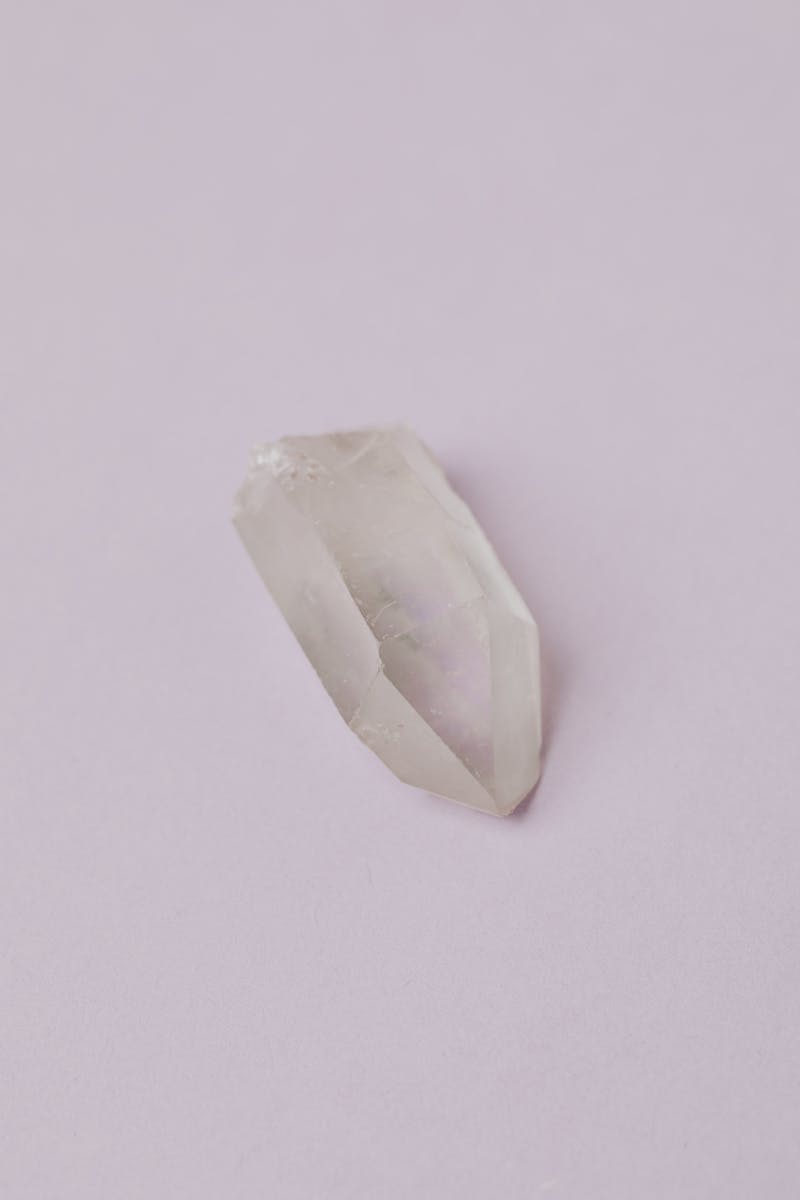
Selenite vs Satin Spar: Why the Crystal You Bought Might Not Be Real Selenite
Meta description: Most "selenite" sold online is actually satin spar, a different form of gypsum. Learn how to tell them apart by transparency, texture, and structure.
The confusing part: they are both gypsum
Selenite and satin spar are both varieties of the same mineral, gypsum. Gypsum is calcium sulfate dihydrate, a fairly common mineral that forms in evaporite deposits, sedimentary beds, and hydrothermal veins. The chemical formula is the same for both. What differs is how the crystals grew and what they look like as a result.
True selenite forms as large, transparent to translucent, flat crystals. Think of those long, blade-like pieces that look like frosted glass. Satin spar forms as fibrous, silky masses where the crystal structure is oriented in parallel fibers. The light hits those fibers differently, which is why satin spar has that soft, cat-eye sheen instead of clear transparency.
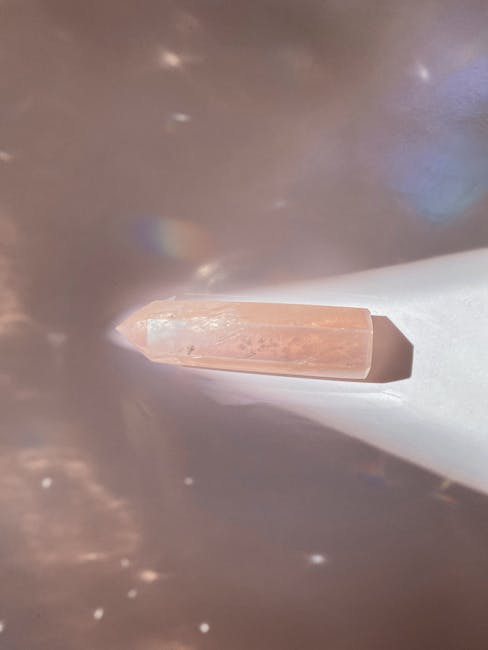
In mineralogy, the distinction is structural. In the marketplace, the distinction is basically ignored. I have seen listings on major retail sites that label satin spar towers as "selenite wands," "selenite towers," or "selenite charging logs." Some of those listings have hundreds of reviews from buyers who think they purchased real selenite. They did not, technically, but the seller is not lying in the sense that both are gypsum. The marketing is just imprecise.
I think this matters if you care about what you are actually getting, especially at the price points some sellers charge.
How to identify real selenite
Real selenite has a few characteristics that set it apart from satin spar once you know what to look for.
Transparency
This is the biggest tell. True selenite is noticeably transparent or at least translucent. If you hold a thin piece up to a light source, you should be able to see light pass through it, sometimes even read text through a very thin slab. Satin spar, by contrast, is opaque. Light does not pass through it. It glows on the surface when lit from the right angle, but you cannot see through it.
Crystal shape
Selenite crystals grow as flat, blade-like or tabular formations. They often have distinct edges and faces that look like they were cut by a jeweler, even though they are natural. You will find them as individual blades, clusters, or the famous "desert rose" formations where flat crystals radiate outward from a central point.
Satin spar grows as fibrous masses, usually in elongated logs or towers. The surface looks silky or fibrous when you examine it closely. It does not have flat crystal faces. The fibers run parallel along the length of the piece, which is what creates the chatoyant sheen when you rotate it under light.
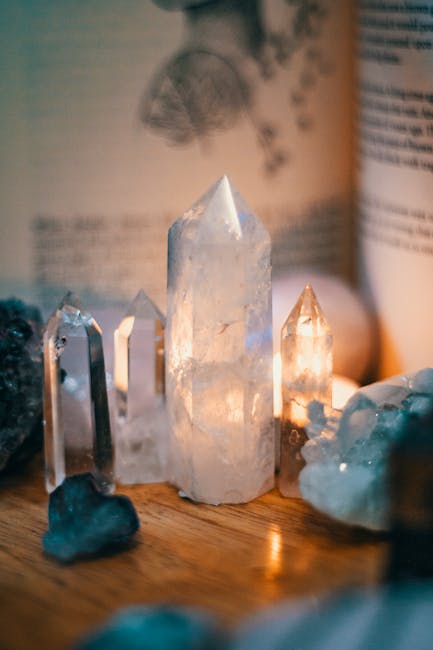
Texture and feel
Selenite has a smooth, almost glassy feel. Satin spar feels softer and more fibrous, almost like a very fine piece of wood or a densely packed bundle of threads. If you run your fingernail along the edge of a satin spar piece, you might feel individual fibers. Selenite will feel more uniform.
How they break
Both selenite and satin spar are very soft, rating a 2 on the Mohs scale. You can scratch both with your fingernail. But they break differently. Selenite tends to split along flat cleavage planes, producing smooth, flat surfaces when it fractures. Satin spar splinters or shatters into fibrous pieces, almost like breaking a bundle of thin sticks.
Why the market is saturated with satin spar
The practical reason is economics. Satin spar is easier to mine in large quantities, easier to cut into uniform shapes like towers and spheres, and it is cheaper per kilogram at the wholesale level. A satin spar tower that sells for $15 online might cost the seller $2 to $3 in bulk from a Moroccan supplier. True selenite, especially transparent pieces of any size, commands a significantly higher price.
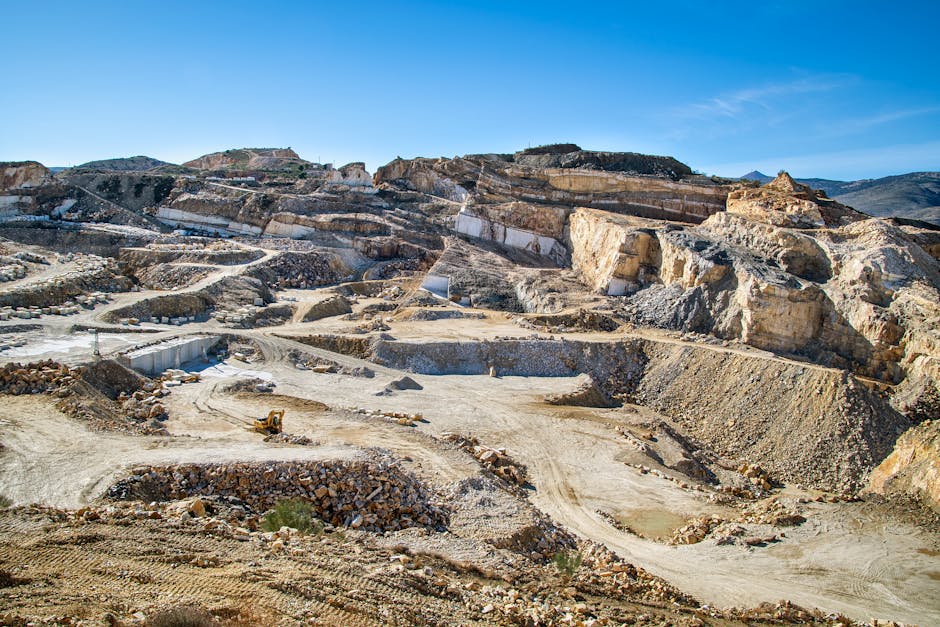
Morocco is the primary source for both varieties sold in the crystal market. The country has enormous gypsum deposits, and mining operations there produce thousands of tons per year. Most of the "selenite" products you see online, from charging plates to massage wands to decorative towers, are satin spar from Moroccan mines.
I do not think most sellers are trying to deceive anyone. The terms have been used loosely for so long that many people in the crystal trade genuinely use "selenite" as a catch-all term for any transparent or translucent gypsum product, whether it is technically selenite or satin spar. But if you are paying a premium for what you believe is transparent, gem-quality selenite, you should know the difference.
Does it matter for practical purposes
If you are buying crystals because you like how they look, the mineralogical label probably does not matter to you. A satin spar tower looks nice on a shelf regardless of what you call it. Both varieties are the same chemical compound. Both are soft, fragile, and will dissolve slowly in water.
But if you are collecting minerals with any level of seriousness, or if you are paying premium prices expecting transparent selenite, it is worth checking what you actually received. Hold the piece up to a light. If you cannot see through it at all, it is satin spar. That does not make it bad. It just makes it a different thing than what the label says.
I keep a piece of transparent selenite on my desk and a satin spar tower on my bookshelf. They are both gypsum, they both look nice, and I like knowing which one is which.
Comments