Can You Put Crystals in Water? The Complete Safety Guide You Actually Need
Can You Put Crystals in Water? The Complete Safety Guide You Actually Need
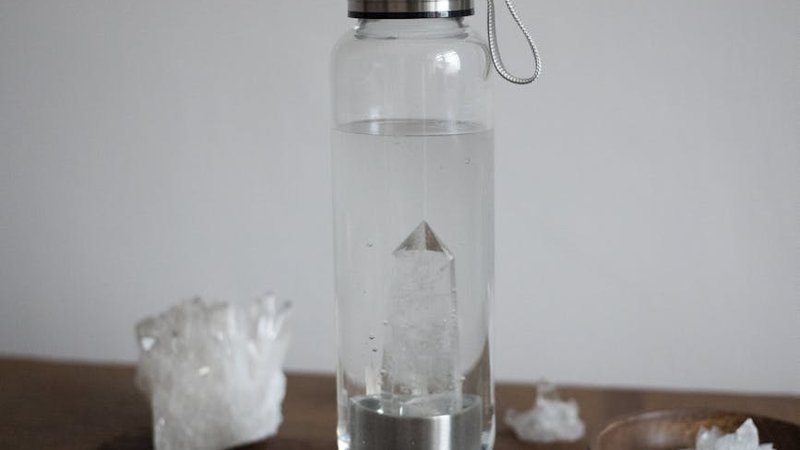
If you've spent any time in crystal shops or scrolled through Instagram, you've probably seen those gorgeous crystal water bottles — clear glass cylinders with amethyst or rose quartz floating inside. They look stunning, and the idea of drinking "crystal-infused water" sounds magical. But before you drop your favorite stone into your water bottle, there's something you need to know: not all crystals are safe in water. Some can actually be toxic.
In this guide, we'll cut through the wellness marketing noise and give you the real facts about crystals and water. Which stones are safe? Which ones are dangerous? And how can you enjoy crystal water without risking your health?
The Short Answer
Some crystals are perfectly safe to put in water. Others contain heavy metals or toxic minerals that can leach into your drinking water. The safest approach is to use the indirect method — placing crystals around your water glass rather than inside it — unless you're 100% certain the specific stone is water-safe.
Crystals That Are Generally Safe in Water
These crystals have a stable mineral composition that doesn't break down or release harmful substances when submerged in water:
- Clear Quartz — The most popular choice. Chemically stable and non-toxic. This is your safest bet for crystal water.
- Rose Quartz — Safe, gentle, and widely available. A favorite for self-love themed water bottles.
- Amethyst — Generally considered safe for short periods. Some sources suggest it may contain trace iron, but the amounts are negligible for occasional use.
- Citrine — Safe and non-toxic. Its warm golden color makes it a popular aesthetic choice.
- Smoky Quartz — Safe in water. No known toxic components.
- Aventurine — Green aventurine is generally considered safe, though blue aventurine may contain trace elements worth being cautious about.
- Carnelian — Safe and stable in water.
- Jade (nephrite) — Safe. Nephrite jade has been used in Chinese culture for centuries, including in tea vessels.
⚠️ Crystals You Should NEVER Put in Water
This is the list you really need to pay attention to. These crystals contain minerals that can be harmful — even toxic — when they leach into water:
Highly Toxic — Do Not Use Under Any Circumstances
- Malachite — Contains copper, which is toxic in high amounts. Even trace amounts in water can cause nausea, vomiting, and liver damage with prolonged exposure.
- Azurite — Also contains copper. Same risks as malachite.
- Chrysocolla — Copper-based mineral. Not safe for direct water contact.
- Galena — Contains lead. Absolutely not safe for water use.
- Cinnabar — Contains mercury. This is one of the most toxic minerals you can encounter. Never use it in or near water you'll consume.
- Stibnite — Contains antimony. Toxic when ingested.
Potentially Harmful — Use Caution
- Pyrite (Fool's Gold) — Contains sulfur and can produce sulfuric acid when combined with water over time. Not safe for drinking water.
- Lepidolite — Contains lithium. While lithium has medical uses, you don't want uncontrolled amounts leaching into your drinking water.
- Fluorite — Contains fluorine compounds. While small amounts are generally considered safe, prolonged exposure through water isn't well-studied.
- Tourmaline — Generally considered safe, but some varieties contain trace elements like aluminum or iron. Black tourmaline is the safest bet.
- Hematite — Contains iron oxide. While not typically dangerous, it can rust in water and may have trace heavy metals depending on the source.
- Selenite — This one won't poison you, but it will dissolve in water. Selenite is a form of gypsum, which is water-soluble. Your crystal will literally disappear.
- Halite (Rock Salt) — It's salt. It will dissolve and make your water undrinkable. Obviously not a safety issue, but worth mentioning.
Crystals That Can Be Damaged by Water
Even if a crystal won't harm you, water might harm the crystal. These stones can degrade, fade, or crack when exposed to water:
- Angelite — Transforms into gypsum when wet. It will eventually crumble.
- Turquoise — Porous and can be damaged by water. Many turquoise pieces are also treated or stabilized with substances you don't want in your water.
- Lapis Lazuli — Contains pyrite inclusions (see above) and is porous. Can be damaged by water exposure.
- Opal — Contains water naturally (it's a hydrated silica). Prolonged soaking can cause cracking or clouding.
- Pyrite — Will oxidize and rust in water, creating an unpleasant and potentially harmful liquid.
- Moonstone — Can be damaged by prolonged water exposure. The layered structure may separate.
The Indirect Method: The Safest Way to Make Crystal Water
If you want the crystal water experience without any risk, the indirect method is the way to go. Here's how to do it:
- Choose your crystal — Any crystal works with this method, even the "unsafe" ones, because they never touch your water.
- Clean your crystal — Rinse it under running water (if water-safe) or wipe it with a damp cloth.
- Set your intention — Hold the crystal and think about what you want to infuse into your water (calm, energy, love, etc.).
- Place the crystal beside your glass — Put it right next to your water glass or bottle. Some people place it underneath the glass on a coaster.
- Wait 10-15 minutes — Let the crystal's energy (as you believe it) transfer to the water.
- Drink mindfully — Enjoy your water with the awareness of the intention you set.
This method gives you the ritual and intention-setting aspect of crystal water without any of the mineral-leaching risks. Many crystal practitioners actually prefer this method because it works with any crystal in your collection.
What About Those Crystal Water Bottles?
Crystal water bottles have become a massive trend, and many of them are beautiful and well-made. The key question is: what crystal is inside?
Most reputable crystal water bottle brands use safe stones like clear quartz, rose quartz, amethyst, or aventurine. The crystals are typically placed in a separate chamber that doesn't directly contact the water — which is essentially the indirect method built into a bottle design.
However, there are some concerns to keep in mind:
- Cheap knockoffs — Some inexpensive bottles may use dyed glass or synthetic materials instead of real crystals. The dyes could potentially leach into water.
- Direct contact designs — A few designs have the crystal sitting directly in the water. Make sure you know which type you're buying.
- Cleaning difficulty — The crystal chamber in these bottles can be hard to clean properly, potentially harboring bacteria over time.
Our recommendation: if you want a crystal water bottle, buy from a reputable brand that uses a separate crystal chamber, and verify the crystal type is from the safe list above.
The Bottom Line
Crystal water can be a lovely, mindful practice — but it's not worth risking your health over. The mineral composition of crystals is real chemistry, not just metaphysics. Copper, lead, and mercury are genuinely dangerous substances, and some beautiful crystals contain them.
The safest approach: use the indirect method for any crystal you're not 100% certain about, and stick to clear quartz, rose quartz, or citrine if you want to put crystals directly in water. When in doubt, keep the crystal next to the glass, not in it.
Your wellness practice should support your health, not compromise it. There's nothing wrong with enjoying the beauty and intention of crystals — just be smart about how you use them.
Comments