Angelite: The Complete Guide to the Stone of Angelic Connection
Angelite: The Complete Guide to the Stone of Angelic Connection
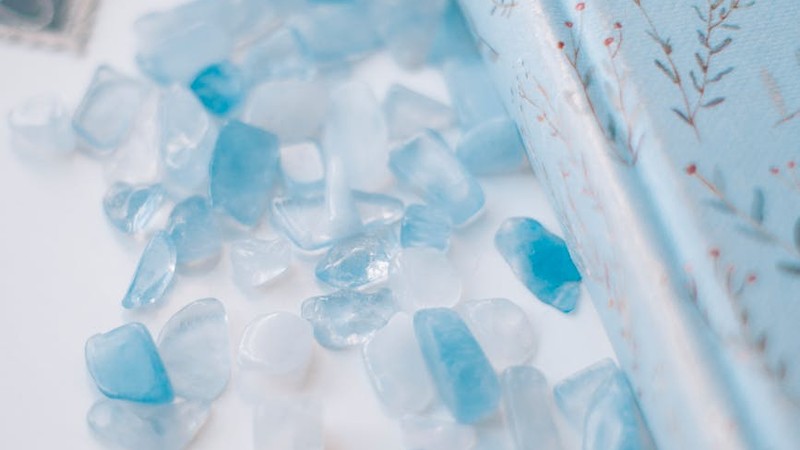
If you have ever picked up a piece of angelite and felt an almost immediate sense of calm wash over you, you are not imagining things. This soft, sky-blue stone has earned its reputation as one of the most peaceful crystals in the mineral world. Known among crystal enthusiasts as the "Stone of Angelic Connection," angelite is believed to bridge the gap between the physical world and higher spiritual realms, making it a favorite for meditation, sleep support, and energy work.
But what exactly is angelite? Where does it come from, and why do so many people swear by its gentle energy? This guide covers everything you need to know about angelite, from its geological origins to its metaphysical properties, how to use it, and how to keep it safe.
What Is Angelite? The Geology Behind the Stone
Angelite is the trade name for a blue variety of anhydrite, a mineral composed of calcium sulfate (CaSO₄). The word "anhydrite" literally means "without water" in Greek, which tells you something important about how this stone forms. Anhydrite is essentially gypsum that has lost its water molecules through geological processes over millions of years. When gypsum (calcium sulfate dihydrate) is subjected to heat and pressure deep underground, it dehydrates and transforms into anhydrite.
What makes angelite special is its distinctive color. While most anhydrite is white or grayish, angelite displays soft blue to blue-white hues caused by trace amounts of iron and other minerals present during formation. The color can range from pale icy blue to a slightly deeper denim shade, often with white inclusions or banding that adds visual interest.
Angelite was first identified as a distinct gemstone material in Peru during the late 1980s, and it quickly gained popularity in the crystal healing community. Its relatively recent discovery means it does not have the ancient historical pedigree of stones like lapis lazuli or jade, but its gentle beauty and metaphysical associations have made it a modern favorite.
Physical Properties of Angelite
Understanding the physical characteristics of angelite is essential, especially because this stone requires specific care that many other crystals do not. Here are the key properties:
- Chemical composition: Calcium sulfate (CaSO₄)
- Color: Pale blue to blue-white, sometimes with white banding or inclusions
- Hardness: 3 to 3.5 on the Mohs scale — this is quite soft, similar to calcite
- Luster: Vitreous to pearly on cleavage surfaces
- Transparency: Translucent to opaque
- Cleavage: Perfect in three directions (cubic cleavage)
- Crystal system: Orthorhombic
- Density: Approximately 2.9–3.0 g/cm³
The low hardness rating of 3–3.5 means angelite is relatively fragile. It can be scratched by a copper coin and will chip or break if dropped onto a hard surface. This softness is one reason you will often find angelite sold as tumbled stones, polished pieces, or carved shapes rather than faceted gemstones — it simply is not durable enough for everyday ring or bracelet wear.
If you are interested in comparing hardness levels across different stones, our Mohs Scale of Hardness guide explains what these numbers mean in practical terms.
Why Is It Called the Stone of Angelic Connection?
The name "angelite" was coined by crystal healers who noticed that the stone's energy felt distinctly peaceful, ethereal, and connected to higher frequencies. In the metaphysical community, angelite is associated with:
- Angelic communication: Many people use angelite during meditation to facilitate a sense of connection with guardian angels, spirit guides, or higher consciousness.
- Inner peace: The stone's gentle blue energy is said to promote a deep sense of tranquility and emotional calm.
- Compassion and empathy: Angelite is believed to open the heart to understanding and kindness, both toward yourself and others.
- Astral travel: Some practitioners place angelite under their pillow or hold it during out-of-body meditation to promote safe, grounded astral exploration.
The association with angels is not arbitrary. The soft blue color of angelite evokes images of clear skies and peaceful celestial realms. When you hold a piece, it feels almost weightless in your hand, which adds to the sensation of working with something from a lighter, more refined plane of existence.
It is worth noting that angelite is often compared to celestite, another blue crystal strongly associated with angelic realms. We will look at the differences between these two stones later in this guide.
Chakra Associations
Angelite is primarily associated with two energy centers:
Throat Chakra (Vishuddha): The throat chakra governs communication, self-expression, and speaking your truth. Angelite's connection to this chakra is believed to help people express themselves more clearly and authentically, especially when communicating spiritual or emotional experiences. If you have ever struggled to put your intuitive feelings into words, angelite may help bridge that gap.
Third Eye Chakra (Ajna): Located between the eyebrows, the third eye chakra is the center of intuition, insight, and inner wisdom. Angelite's connection to this chakra supports enhanced perception, deeper meditation experiences, and a stronger connection to your inner guidance system. Many people report feeling more intuitively aware after working with angelite regularly.
Some practitioners also associate angelite with the Crown Chakra (Sahasrara) at the top of the head, as it is believed to facilitate connection to higher spiritual realms and universal consciousness.
For a deeper dive into how different stones correspond to energy centers, our chakra bracelet guide breaks down the complete system of matching stones to your seven main energy centers.
How to Use Angelite in Your Daily Practice
Meditation
Angelite is one of the best crystals for meditation, especially if your goal is inner peace or spiritual connection. Hold a piece in your receiving hand (usually the left hand) or place it on your third eye or throat during seated meditation. Close your eyes, breathe slowly, and allow the stone's gentle energy to help quiet mental chatter. Many people find that angelite makes it easier to enter a meditative state and stay there longer.
Sleep Support
One of the most popular uses for angelite is placing it under your pillow or on your nightstand. Its calming energy is believed to promote restful sleep, reduce nightmares, and encourage peaceful dreaming. Some people report more vivid and meaningful dreams when sleeping near angelite. If you struggle with insomnia or restless nights, angelite is worth trying alongside other sleep-supporting stones. Our guide to crystals for sleep and insomnia covers a range of options that pair well with angelite.
Angelic Rituals and Prayer
Because of its strong association with angelic realms, angelite is often used in spiritual rituals, prayer, or intention-setting practices. Hold the stone while setting an intention, asking for guidance, or expressing gratitude. Some people create small altars with angelite at the center, surrounded by candles and other meaningful objects.
Crystal Grids
Angelite works beautifully in crystal grids, especially those focused on peace, communication, or spiritual growth. It pairs particularly well with selenite for amplifying spiritual energy, or with amethyst for deepening meditation. Place angelite at the center of your grid or at the points corresponding to the throat and third eye positions.
If you are new to crystal grids, our crystal grid guide for beginners explains the basics of setting up your first grid.
As a Pendulum
Because of its connection to higher guidance, angelite is sometimes used as a crystal pendulum for dowsing and divination. Its light weight and soft energy make it responsive to subtle energetic shifts. When using an angelite pendulum, practitioners often ask questions related to spiritual growth, life direction, or communication with guides.
How to Cleanse and Care for Angelite
This is perhaps the most important section of this entire guide. Angelite requires special care, and getting it wrong can permanently damage your stone.
Keep It Dry — Seriously
Here is the critical thing about angelite: it is water-soluble. Remember that anhydrite is essentially dehydrated gypsum? When exposed to water, angelite can actually reabsorb moisture and begin to revert toward its original gypsum form. This process can cause the stone to soften, develop a cloudy or chalky surface, or even begin to dissolve and crumble over time.
This means:
- Never rinse angelite under running water
- Never soak angelite in a bowl of water
- Never wear angelite jewelry while swimming, bathing, or washing dishes
- Never leave angelite in a humid environment for extended periods
This is a crucial distinction from harder stones that can tolerate water cleansing. For more details on which crystals are water-safe and which are not, our water safety guide for crystals covers the full list.
Safe Cleansing Methods
Since water is off the table, here is how to cleanse your angelite safely:
Smudging: Pass your angelite through the smoke of burning sage, palo santo, or incense. This is one of the gentlest and most traditional methods. Our guide to sage, lavender, and rosemary cleansing covers the basics of smudging technique.
Sound cleansing: Use a singing bowl, tuning fork, or even a gentle bell near your angelite. The vibrations from sound are effective at clearing stagnant energy without any physical contact with the stone. This is one of the safest methods for water-soluble crystals.
Moonlight: Place your angelite on a windowsill or outside during a full moon. Moonlight is gentle and will not damage the stone. Avoid direct sunlight, however, as prolonged exposure can cause the blue color to fade.
Visualization: Hold the stone in your hands and visualize a beam of pure white light passing through it, clearing away any accumulated energy. This method costs nothing and is completely safe for any crystal.
Selenite charging: Place your angelite on or near a piece of selenite overnight. Selenite has natural cleansing properties and can refresh other stones without any risk of damage. Our guide to charging crystals explains several additional methods.
Physical Care Tips
- Store angelite in a soft pouch or wrapped in cloth to prevent scratches
- Keep it away from harder stones in your collection to avoid contact damage
- Handle it gently — remember, it is only a 3 on the Mohs scale
- If your angelite gets dusty, wipe it gently with a dry, soft cloth
- Avoid exposing it to perfumes, lotions, or cleaning chemicals
For general crystal care best practices, our complete guide to cleaning and caring for your crystal collection is a helpful reference.
Angelite vs. Celestite vs. Blue Lace Agate
These three blue stones are frequently confused, but they are quite different in composition, energy, and care requirements.
Angelite
- Mineral: Anhydrite (calcium sulfate)
- Color: Soft blue to blue-white, often cloudy or milky
- Hardness: 3–3.5
- Energy: Deeply peaceful, angelic connection, compassion
- Key risk: Water-soluble — must be kept completely dry
Celestite
- Mineral: Strontium sulfate
- Color: Pale to medium blue, often in well-formed crystal points
- Hardness: 3–3.5
- Energy: Uplifting, divine communication, mental clarity
- Key risk: Also soft and slightly water-soluble — handle with care
Our complete guide to celestite covers this "Angel Stone" in depth.
Blue Lace Agate
- Mineral: Banded chalcedony (silicon dioxide)
- Color: Light blue with white or darker blue banding patterns
- Hardness: 6.5–7
- Energy: Communication, calm expression, soothing anxiety
- Key risk: Much more durable — can tolerate light water exposure
Our complete guide to blue lace agate explores this communication stone in full detail.
The key takeaway: if you want angelic connection and deep peace, choose angelite. If you want uplifting divine communication with more clarity, choose celestite. If you want help expressing yourself calmly in everyday situations, choose blue lace agate. All three are beautiful, but they serve different purposes.
Where Does Angelite Come From?
Angelite is found in several locations around the world, but the most significant sources are:
Peru: Peru is the primary source of high-quality angelite and where the stone was first marketed as a gemstone material. Peruvian angelite tends to have a soft, uniform blue color with occasional white inclusions and is considered the standard for comparison.
Mexico: Mexico produces angelite specimens with slightly different color characteristics, sometimes leaning toward a grayish-blue. Mexican deposits are less commonly seen in the commercial market but can yield beautiful pieces.
Poland: Poland has notable anhydrite deposits, including some that display the blue coloration prized in angelite. Polish specimens sometimes have a slightly more crystalline appearance.
Britain: The United Kingdom, particularly England, has significant anhydrite deposits. While not all British anhydrite is blue enough to be called angelite, some specimens from these locations have been used in lapidary work.
Other minor sources include Germany, Canada, and the United States, but Peruvian angelite remains the gold standard in the crystal market.
Choosing Quality Angelite
When shopping for angelite, here is what to look for:
- Color consistency: Higher quality pieces have a more uniform blue color without excessive mottling, though some white banding is natural and can be attractive.
- Surface quality: Since angelite is soft, polished pieces may show minor scratches from handling. Look for pieces with smooth, even polishing.
- Weight: Angelite should feel relatively lightweight for its size due to its composition.
- Translucency: Holding a piece up to light should reveal some translucency, especially at thinner edges. Completely opaque pieces are lower quality.
- No cracks or chips: Because of its low hardness, angelite is prone to damage. Inspect for any fractures before purchasing.
Our authenticity guide can help you distinguish genuine angelite from dyed or synthetic alternatives that sometimes appear in the market.
Angelite Combinations That Work Well
Angelite pairs beautifully with several other crystals for specific purposes:
- Angelite + Selenite: The classic spiritual combination. Selenite amplifies angelite's connection to higher realms while adding its own purifying energy.
- Angelite + Amethyst: Deepens meditation and enhances intuitive abilities. Together, they create a powerful combination for spiritual exploration.
- Angelite + Rose Quartz: Adds a layer of self-love and emotional healing to angelite's peaceful energy. Great for heart-centered meditation.
- Angelite + Clear Quartz: Clear quartz amplifies the properties of any stone it is paired with, making this combination ideal for boosting angelite's gentle energy.
- Angelite + Black Tourmaline: Adds grounding and protection to angelite's ethereal energy. Useful if you tend to feel ungrounded after spiritual work.
Our guide to crystal combinations explores more pairing strategies in detail.
Is Angelite Right for You?
Angelite is an excellent choice if you are drawn to:
- Deepening your meditation practice
- Exploring spiritual connection or angelic communication
- Finding a calming stone for anxiety or emotional overwhelm
- Improving your sleep quality
- Working with the throat or third eye chakras
- Building a crystal grid focused on peace or spiritual growth
It may not be the best choice if you want a durable stone for everyday jewelry, or if you prefer stones that you can cleanse with water. For those needs, harder alternatives like blue lace agate or aquamarine might be more practical.
Final Thoughts
Angelite may be a soft stone in terms of physical hardness, but its energy is remarkably profound. Whether you are a seasoned crystal practitioner or just beginning your journey, this gentle blue mineral offers a accessible gateway to deeper peace, clearer communication, and a stronger sense of spiritual connection. Treat it with the care it requires — keep it dry, handle it gently, and cleanse it with smoke or sound — and it will be a peaceful companion in your collection for years to come.
As with all crystals, the most important thing is your personal connection to the stone. If angelite calls to you, trust that instinct. Sometimes the quietest stones have the most to say.
Comments