The Non-Crystal Crystal Gift Guide
May 14, 2026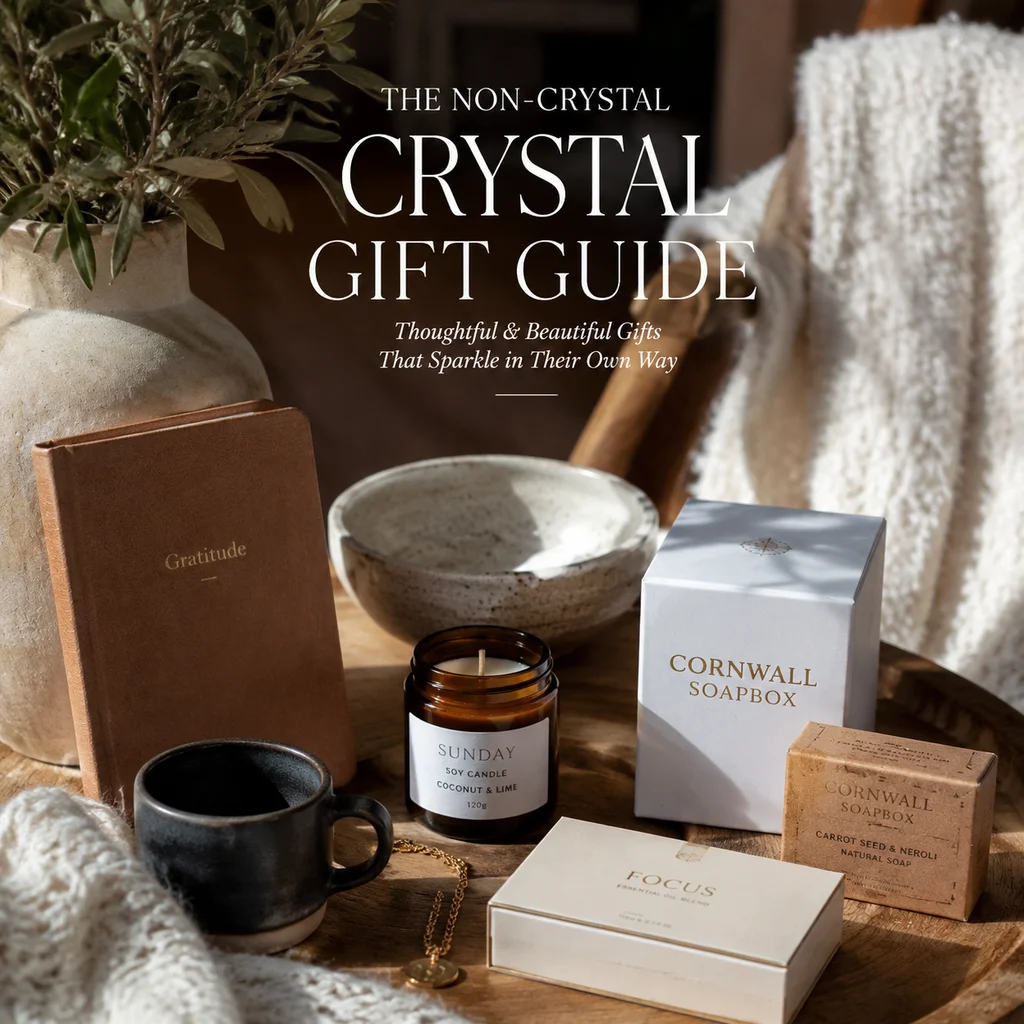
The Non-Crystal Crystal Gift Guide: For People Who Don't Want Another Raw Stone
Crystal collectors already have stones. What they don't have — and actually want — are things that complement their collection: tools for working with crystals, display solutions, books that aren't the same three recommendations, and practical accessories. This guide covers gifts for crystal enthusiasts that aren't just more rocks.
Under $15: Small But Useful
Display stands: A set of clear acrylic easel-style stands (usually $6-12 for a pack of 10) lets collectors display specimens upright so the interesting parts face outward. Most crystal collections live in boxes because people don't have good ways to show them off. This solves that problem.
Carrying pouches: Drawstring velvet or leather pouches ($3-8 each). Not the cheap organza bags — those rip. Velvet pouches protect stones from scratching each other and look nice when gifting individual specimens. Buy a set of different sizes.
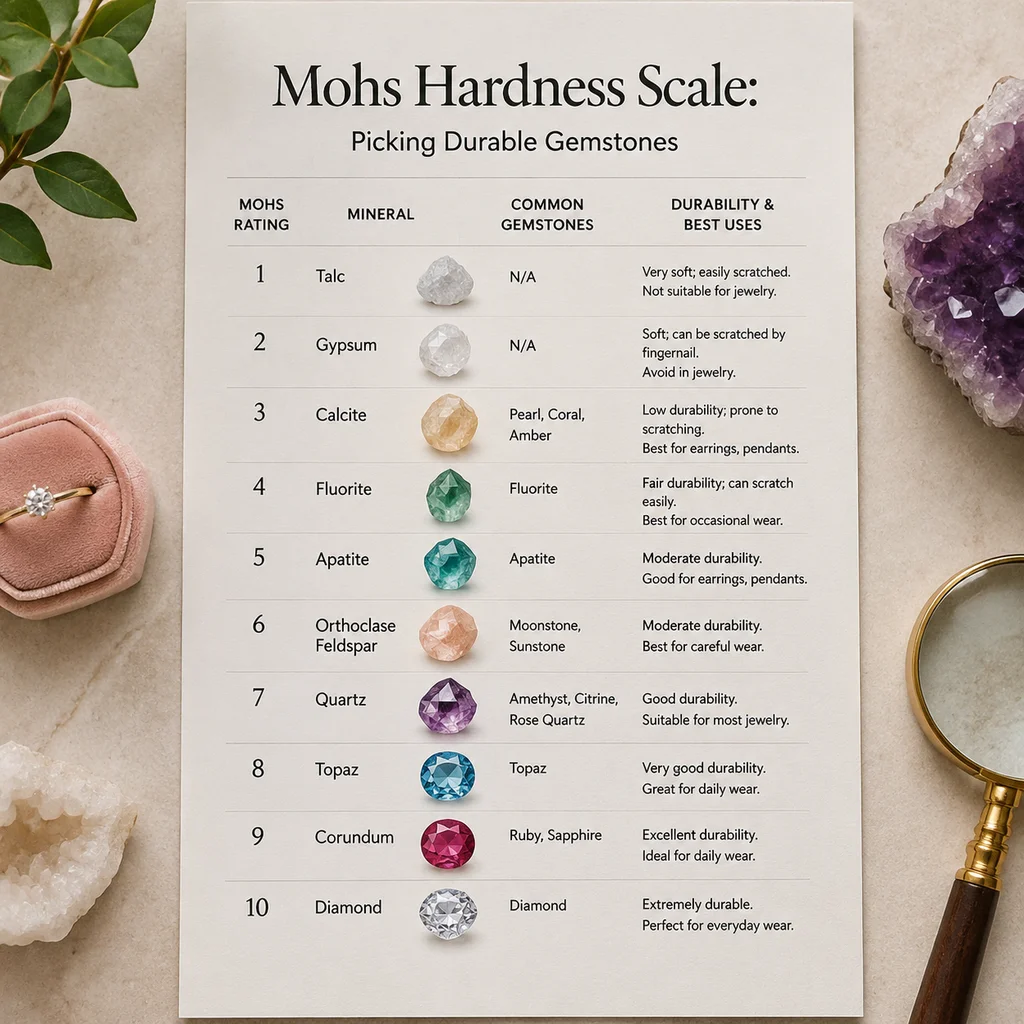
Mohs hardness kit: A small kit with reference minerals for testing hardness ($10-15). Most crystal collectors eventually want to identify unknown specimens, and a hardness kit is the most practical tool for this. Pair it with our Mohs scale guide printed out as a reference card.
UV flashlight: A 365nm UV flashlight ($8-12) reveals fluorescence in minerals — fluorite, calcite, some quartz varieties. This is genuinely fun and educational. Many collectors don't realize their own stones fluoresce until they check.
$15-30: The Sweet Spot
Book: "Simon & Schuster's Guide to Rocks and Minerals" ($18-25). A proper field guide with color photos and identification keys. Most crystal books for beginners are heavy on "meanings" and light on actual mineralogy. This one goes the other direction.
Jewelry wire and tools kit: Copper wire (multiple gauges), round-nose pliers, and flat-nose pliers ($15-25 total). For collectors who want to turn their stones into wearable jewelry. Include a printout of basic wire-wrapping instructions.
Microfiber cleaning cloths (bulk): A 24-pack of microfiber cloths ($12-15) sounds boring but is incredibly useful. Crystal collectors clean their stones regularly, and regular cloths can scratch softer minerals.
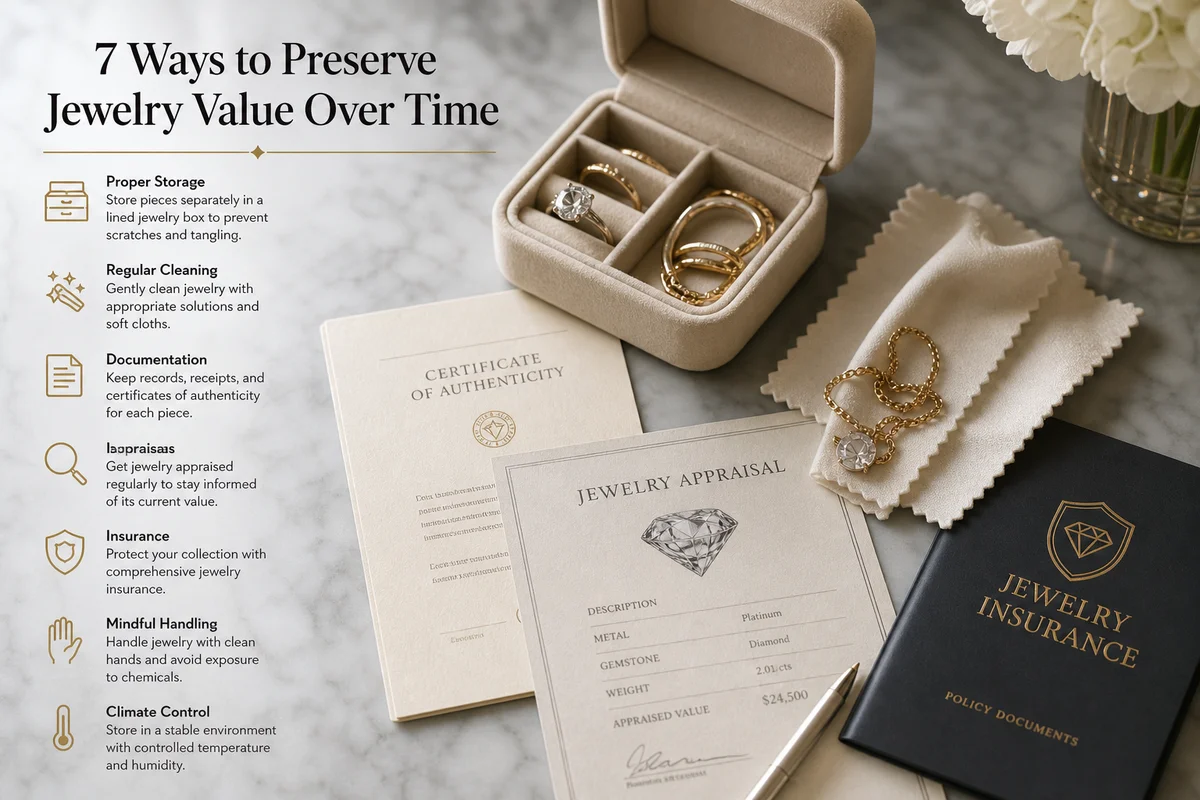
Anti-tarnish strips: A pack of 3M anti-tarnish strips ($8-15). Essential for anyone who stores silver jewelry or silver mineral specimens. Proper storage with anti-tarnish materials prevents oxidation damage.
$30-60: Meaningful Gifts
Jewelry loupe (10x triplet): A proper gemological loupe ($25-40) is dramatically better than cheap magnifying glasses. Triplet lenses correct distortion and color fringing. This is the single most useful tool for crystal identification after a hardness kit.
Display cabinet or shadow box: A wall-mounted shadow box with compartments ($30-50) gives collectors a way to display small specimens without taking up table space. Look for ones with glass fronts to keep dust out.
Rock tumbler (entry-level): A basic rotary tumbler like the National Geographic Hobby Tumbler ($40-60). Rough stones go in, polished stones come out 4-6 weeks later. Beginners love watching the transformation.
$60-150: Serious Gifts
Dremel rotary tool with polishing kit: ($60-100). For collectors who want to clean, shape, and polish their own specimens. Endlessly useful for crystal and jewelry work.
Professional mineral specimen: Rather than a random crystal, buy a specific, well-documented specimen from a reputable dealer. A labeled galena cube, a twinned staurolite, or a rutilated quartz with good visual impact. The label matters — a specimen with locality information (where it was found) is worth more than an unlabeled one.
Gifts to Avoid
"Crystal healing" books: Unless you know the recipient specifically wants this, most collectors find these books pseudoscientific and not useful. Opt for mineralogy or geology books instead.
Pre-made crystal kits: Those "chakra kits" with seven small tumbled stones in a box. They're overpriced for what they contain, and serious collectors already have all seven stones.
Water-soluble "bath crystals": These are bath products, not mineral specimens. The naming overlap causes confusion and disappointment.
Uncertified expensive stones: If you're spending over $50 on a single specimen, it should come with some form of authentication or at minimum a dealer guarantee. Dyed and treated stones are common in the gift market.
Gifts by Age
Kids (5-10): UV flashlight + tumbled stone assortment + crystal bingo game. Total: ~$20. Kids love the UV reveal.
Teens (11-15): Entry rock tumbler or wire-wrapping kit. Either gives them a hands-on activity that produces tangible results. More age-specific recommendations here.
Adults new to crystals: Mohs hardness kit + loupe + a good field guide. This gives them the tools to engage with crystals as specimens rather than decorative objects.
Experienced collectors: Something they wouldn't buy themselves — a professional loupe, display cabinet, or documented specimen from a specific locality they don't have yet.
The Gift That Always Works
When in doubt: a gift certificate to a reputable online mineral dealer (we like Minerals.net and Crystal Classics). Crystal collectors are particular about what they add to their collection, and letting them choose is always the right call.
Enhancing Your Crystal Collection: Advanced Gift Ideas
Once you've covered the basics with tools and accessories, the next step in expanding a crystal enthusiast's collection is to dig into into more specialized and meaningful gifts. These items can elevate their hobby to a new level, providing both utility and aesthetic appeal.
Under $60: Unique Finds
Crystal growth kits: For the collector who's always curious about how crystals form, a crystal growth kit ($20-40) can be a fascinating gift. These kits often include everything needed to grow a variety of crystals, from citrine to fluorite, right in their home.
Crystal specimen kits: A curated collection of rare or unique crystal specimens can be a significant gift. Look for a kit that includes a mix of shapes, sizes, and types of crystals, such as a "Best of the World" collection ($30-50).
Crystal cutting and polishing set: For those who want to get hands-on with their crystals, a cutting and polishing set ($30-50) can be an exciting gift. This set typically includes a variety of wheels, abrasives, and polishing compounds to craft crystals into finished pieces.
$60-100: Thoughtful Gifts
Crystal healing book: A comprehensive guide to crystal healing, such as "Crystal Healing for the Modern World" ($60-70), can be a gift that not only educates but also inspires. It's perfect for collectors who are interested in the spiritual aspects of crystals.
Crystal cabinet or display case: A beautifully crafted cabinet or display case ($60-100) can provide a stunning showcase for a crystal collection. Look for options with adjustable shelves to accommodate different sizes of crystals.
Crystal cleaning machine: A professional-grade crystal cleaning machine ($70-90) can make the task of cleaning delicate crystals much easier. These machines use ultrasonic technology to remove dirt and oils without damaging the crystal's surface.
$100-200: Luxury Gifts
Crystal microscope: For the serious crystal enthusiast, a high-quality crystal microscope ($100-150) can be a game-changer. It allows for detailed examination of crystal structures and inclusions that are invisible to the naked eye.
Custom crystal cutting service: A custom-cut crystal from a reputable crystal cutter ($100-200) can be a unique and personal gift. You can choose the type of crystal, shape, and even have a message or design etched into it.
Crystal jewelry set: A set of handcrafted crystal jewelry pieces ($100-200) can be a luxurious gift that combines the beauty of crystals with the elegance of wearable art.
Expert Tips for Crystal Collectors
As someone who's been in the crystal collecting game for years, here are some tips I've picked up along the way:
- Always buy from reputable sources: Whether you're purchasing a single stone or a collection, make sure the seller is known for their quality and authenticity.
- Keep a detailed inventory: Document each crystal's type, size, color, and source. This will make it easier to track your collection and identify any duplicates or missing pieces.
- Store crystals properly: Use anti-tarnish strips, microfiber cloths, and airtight containers to protect your crystals from damage and environmental factors.
- Join a community: Crystal collecting can be a very social hobby. Joining a local club or online forum can help you connect with like-minded individuals and expand your knowledge.
- Keep learning: Crystal collecting is a vast and ever-evolving field. Stay curious and continue to learn about different types of crystals, their properties, and their cultural significance.
Common Mistakes to Avoid When Buying Crystal Gifts
When shopping for crystal gifts, it's easy to make mistakes. Here are a few to watch out for:
- Purchasing from untrusted sources: Always buy from reputable dealers to ensure the authenticity and quality of the crystals.
- Ignoring the recipient's interests: Tailor your gift to the specific types of crystals the collector is interested in to avoid giving something they won't appreciate.
- Overlooking practicality: While aesthetics are important, practicality should also be considered. Avoid gifts that are difficult to store or maintain.
- Not considering the budget: Crystal collecting can be an expensive hobby. Make sure your gift is within the recipient's budget and doesn't overwhelm them.
- Buying generic gifts: Crystal enthusiasts appreciate unique and thoughtful gifts. Avoid the temptation to buy a generic crystal or a gift that is too common.
FAQ
What's the best way to clean my crystal collection?
What's the best way to clean my crystal collection?
Clean your crystals using a soft cloth and lukewarm water. For tougher grime, a gentle soap can be used. Avoid using harsh chemicals or abrasive materials that can scratch or damage the crystals.
How can I tell if a crystal is real?
How can I tell if a crystal is real?
Real crystals typically have a unique shape, color, and clarity. They also have a natural feel and may have imperfections. If in doubt, purchase from a reputable dealer who can provide a certificate of authenticity.
What's the difference between a mineral and a crystal?
What's the difference between a mineral and a crystal?
A mineral is a naturally occurring inorganic solid with a specific chemical composition and crystal structure. A crystal is a solid material that has a regular geometric arrangement of atoms, ions, or molecules. All crystals are minerals, but not all minerals are crystals.
Can crystals be dangerous?
Can crystals be dangerous?
While most crystals are safe, some can be harmful if ingested or if they have sharp edges. Always handle crystals with care and keep them out of reach of children and pets.
How can I display my crystal collection?
How can I display my crystal collection?
There are many ways to display your crystals, from simple stands to elaborate cabinets. Choose a method that complements your home decor and allows you to showcase the beauty of your collection.
Comments