Crystal Gifts by Age: What to Give Everyone from Toddlers to Grandparents
May 14, 2026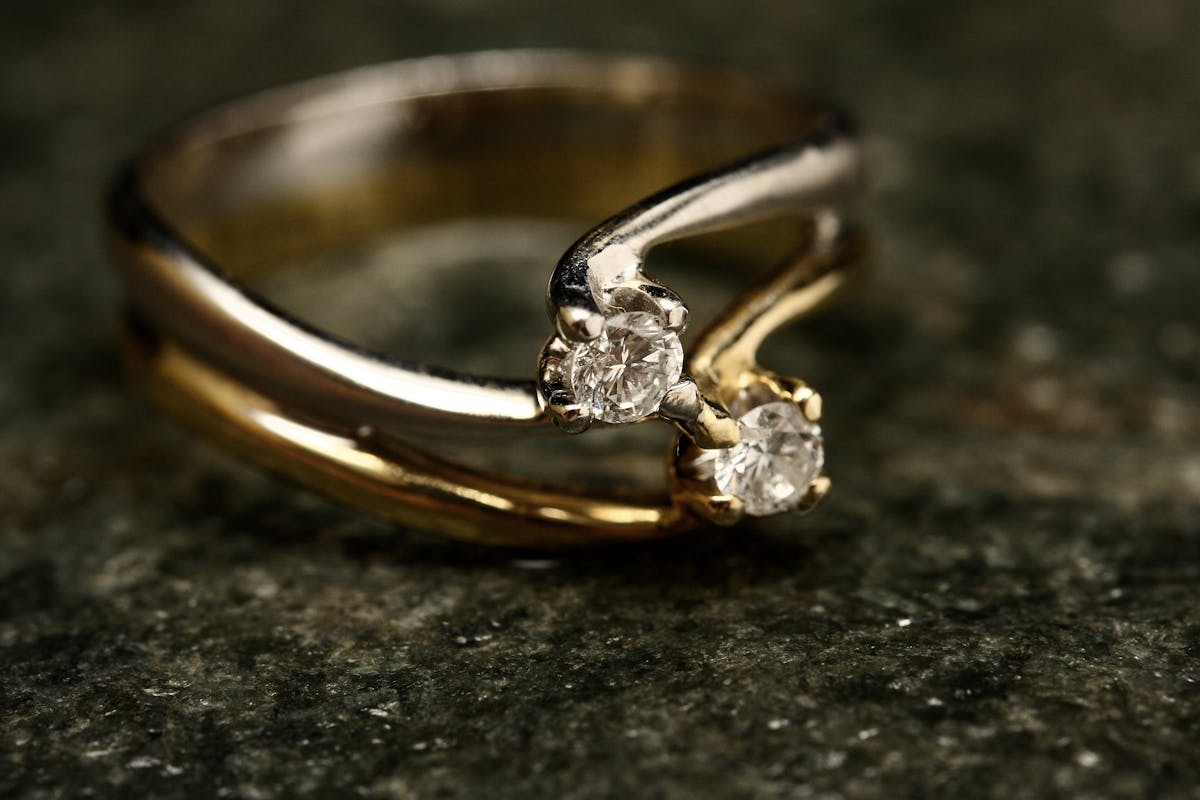
Crystal gifts by age: what to give everyone from toddlers to grandparents
I once gave my eight-year-old cousin a polished rose quartz heart for her birthday. She looked at it for about four seconds, said "thanks," and went back to playing with the Lego set someone else had given her. The quartz heart ended up at the bottom of a drawer. I'd picked it because I thought rose quartz was pretty and age-appropriate. I was half right — it was pretty. But I hadn't thought about what an eight-year-old actually does with a crystal, and the answer was: not much.
That experience taught me something I now apply to every crystal gift I give. The right specimen for the right person at the right age makes a lasting impression. The wrong one collects dust. Here's what I've learned about matching crystal gifts to the people receiving them, from the very young to the genuinely old.
Ages 0-3: not crystals, actually
Let's get this out of the way: babies and toddlers should not have loose crystals. Small pieces are choking hazards. Polished stones that are large enough not to fit in a mouth are technically safe, but a one-year-old doesn't engage with a rock in any meaningful way. Skip the crystal itself and give something crystal-adjacent instead.
- Crystal mobile or suncatcher — Hang it over the crib or near a window where light hits it. The rainbow refractions from a glass or acrylic prism are genuinely mesmerizing for infants. A real crystal prism (even a small one) will outlast any plastic toy. Budget: $12-25.
- Board book about rocks and minerals — There are several good ones. "My First Book of Rocks and Minerals"-style titles exist specifically for this age group. The parents will appreciate something that isn't another stuffed animal. Budget: $8-12.
- A "birthstone" stuffed animal or blanket — Some Etsy sellers make plush toys or baby blankets incorporating the birth month's gemstone color. It's a nod to the crystal world without the safety concerns. Budget: $20-40.
Ages 4-8: start a collection
This is where crystal gifts start to get fun. Kids this age are natural collectors — stickers, Pokemon cards, seashells, rocks. A starter crystal kit taps into that collecting instinct and can spark an interest that lasts for years.
- A starter mineral collection (8-12 specimens) — National Geographic and several smaller companies sell boxed sets with labeled specimens. The key is variety: different colors, textures, and crystal habits. A kid who can line up quartz, amethyst, pyrite, calcite, and obsidian on a shelf feels like they have a real museum. Look for sets that include identification cards. Budget: $15-30.
- A "break your own" geode kit — This is the single most satisfying crystal gift for a five-to-eight-year-old. You put a geode in a sock or bag, hit it with a hammer, and it cracks open to reveal crystals inside. Every kid I've given this to has been absolutely thrilled. Budget: $10-20 for a set of 4-6 geodes.
- Tumbled stones in a velvet pouch — Simple, tactile, and portable. Kids this age love sorting and arranging. A mix of colorful tumbled stones (carnelian, lapis lazuli, green aventurine, tiger's eye) gives them something to look at and trade with friends. Budget: $10-15.
- A small display box or case — If you're giving crystals, give them somewhere to put them. A wooden or cardboard compartment box turns a handful of rocks into a "collection," and kids respond to that framing. Budget: $8-15.
Safety note: Even for this age group, avoid crystals smaller than about 1.5 inches across. Kids still put things in their mouths occasionally. Tumbled stones are safer than raw crystals because there are no sharp edges.
Ages 9-12: the hobbyist phase
Pre-teens are capable of genuine engagement with mineralogy if you give them the right entry point. They can handle fragile specimens, understand basic geology, and appreciate things like crystal structure and formation. They're also developing personal taste, so the gift needs to feel like it was chosen for them specifically.
- A single impressive specimen — One really good piece beats a box of mediocre ones. A well-formed quartz cluster, a piece of deep purple amethyst, or a slice of polished agate with visible banding. The trick is to pick something with visual drama — color, size, or an unusual formation. Budget: $20-45.
- A UV flashlight + fluorescent minerals — This was the hit gift at my nephew's 11th birthday party. A small UV flashlight (about $8) plus 3-4 fluorescent mineral specimens (willemite, fluorite, calcite) that glow under UV light. The total cost is under $35 and the effect is genuinely cool. It also sneakily teaches them about mineral properties.
- A rock tumbler starter kit — National Geographic makes a decent entry-level rotary tumbler for about $40-50. It's noisy and takes weeks to produce results, but the payoff — turning rough rocks into polished gemstones — is huge. Fair warning to parents: it makes a low grinding noise constantly. Put it in the garage. Budget: $40-50 for the kit, $10-15 for additional grit.
- A field guide — "National Audubon Society Field Guide to Rocks and Minerals" is the classic, and it's genuinely useful. If the kid in your life hikes, camps, or just picks up interesting rocks, this book gives them a way to identify what they find. Budget: $15-20.
Teenagers: aesthetics matter
Teenagers are tricky. They're too old for "kids'" crystal kits and too young (usually) to appreciate a serious mineral specimen. What works is anything that looks good on a desk, shelf, or windowsill. Function and aesthetics.
- A crystal bookend pair — Polished agate slices or rough quartz clusters used as bookends are genuinely beautiful and actually useful. This is one of those gifts that works because it's decorative first and crystal-related second. Look for pairs with contrasting colors — blue agate and white, or pink and grey. Budget: $25-40.
- A phone stand or desk organizer with crystal accents — Etsy has dozens of sellers who make small desk accessories with crystal elements. A phone stand with a polished crystal base, or a pen holder with raw crystal points. It's practical enough to actually get used. Budget: $15-30.
- A crystal growing kit (the real kind) — Not the cheap ones from the toy store. I mean a proper crystal growing kit with alum, copper sulfate, or potassium ferricyanide that produces real single crystals over days and weeks. Thames & Kosmos makes good ones. Teenagers who are into science will find this genuinely engaging, and the results are display-worthy. Budget: $25-35.
- A birthstone pendant on a simple chain — Not the heavily marketed, overpriced "birthstone jewelry" from mall stores. Find a small lapidary or Etsy seller who sets genuine stones (not glass or synthetic) in simple sterling silver. A peridot for August, a garnet for January. Understated is the key here — anything too flashy will gather dust. Budget: $20-45.
Twenties: small, meaningful, personal
People in their twenties are often living in small apartments, moving frequently, and building their adult identities. Crystal gifts for this group should be compact, transportable, and personal. They're also the most likely age group to genuinely appreciate the cultural and aesthetic significance of crystals.
- A pocket stone they actually carry — A single tumbled stone that fits in the palm: hematite for its weight, howlite for its marble-like appearance, labradorite for its flash. The trick is choosing something that feels good to hold. People in their twenties are the most likely demographic to actually carry a pocket stone and use it as a tactile grounding object during meetings, commutes, or stressful moments. Budget: $3-8 per stone.
- A small shelf or windowsill specimen — A piece of polished labradorite that shows blue flash, a slice of rainbow moonstone, or a raw celestite cluster. Nothing huge — 2-3 inches is plenty. This is decor, not a collection. Budget: $15-30.
- An engraved crystal — Some sellers laser-engrave images, initials, or short messages inside clear quartz points or polished cubes. It's personalized in a way that feels modern, not cheesy. Budget: $20-40.
- A zodiac-themed set — If you know their sign, a small curated set of stones traditionally associated with that zodiac sign — packaged in a small box or bag — makes a thoughtful gift. It works because it shows you paid attention to something personal about them. Whether they're "into" astrology doesn't matter; the gesture lands. Budget: $15-25 for a set of 3-4 stones.
Thirties and forties: functional beauty
By their thirties, most people have established some version of a home. Crystal gifts here should complement their space — something they'd choose for themselves but might not think to buy.
- A statement piece for the home — A large amethyst geode section (even a small one — 4-5 inches), a polished selenite tower, or a chunk of raw black tourmaline. These work as decor objects that happen to be crystals. A good specimen looks expensive and intentional on a bookshelf or mantel. Budget: $30-50 for something worthwhile.
- A crystal wine stopper or bottle opener — Functional, attractive, and crystal-adjacent. Polished amethyst or agate tops on stainless steel bases. These are the kind of gifts that get used and noticed. Budget: $15-25.
- A set of coasters — Agate slice coasters with gold-painted edges have been popular for a few years now, and for good reason — they look great on a coffee table. Sets of four usually run $25-40. Choose a color that matches their decor if you've been to their place. Budget: $25-40.
- A personalized birthstone ring — A thin band with a small, genuine birthstone. This is a step up from the teen pendant — more mature, more subtle. Several Etsy jewelers make these in the $30-50 range in sterling silver. Budget: $30-50.
Fifty and up: sentiment and quality
Older recipients tend to value meaning and craftsmanship over trendiness. A crystal gift for someone in their fifties, sixties, or beyond should feel considered — something with a story or personal connection.
- A birthstone or anniversary piece — This is where birthstone jewelry truly shines (pun intended). A pair of garnet earrings for a January birthday, or a pendant with the birthstones of her grandchildren. The multi-birthstone concept — a necklace or bracelet with small stones representing each family member — is a gift that consistently gets emotional reactions. Budget: $30-50 for sterling silver settings with genuine stones.
- A crystal clock or weather station — A desk clock with a polished stone base (malachite, marble, or agate) is the kind of thing a grandparent actually uses and displays. It's practical, traditional, and has enough visual weight to feel like a "real" gift. Budget: $25-45.
- A framed mineral specimen — Some sellers mount polished agate slices, thin quartz slabs, or colorful mineral samples in floating frames. Hung on a wall or propped on a shelf, it's art that also happens to be a crystal. Budget: $20-40.
- A garden stone or yard accent — A large, weather-resistant crystal or geode section for a garden or patio. Raw quartz clusters or amethyst cathedrals (the small ones) look striking among plants. This works especially well for someone who gardens and spends time outside. Budget: $25-50.
Personalization that doesn't feel forced
The difference between a generic crystal gift and one that feels personal usually comes down to one or two small choices:
- Birthstones — The most obvious and still one of the most effective personal touches. Knowing someone's birth month and choosing a genuine stone (not synthetic) in that month's traditional color shows attention.
- Engraving — Initials, a short word, or a date engraved on a polished stone or crystal piece. Less is more here. One initial or a two-word phrase ("be brave," "stay curious") works better than a full sentence.
- Zodiac associations — As mentioned in the twenties section, stones traditionally associated with zodiac signs add a layer of personal meaning without being over-the-top.
- Place-based stones — If you know where someone grew up, went to school, or got married, you can sometimes find a stone that's local to that region. A piece of Maine tourmaline for someone from New England, or sunstone for someone from Oregon. This requires more effort but lands powerfully.
What I got wrong: a brief confession
Beyond the rose quartz heart incident, I've made other crystal gifting mistakes. I once gave my mother a raw black tourmaline chunk for Mother's Day. She thanked me politely and later told my sister she didn't know what to do with "a rock." She was right — a raw mineral specimen means nothing without context, and I'd given her none. Now when I give crystals to people who aren't collectors, I always include a small card explaining what the stone is, where it comes from, and why I thought of them. That context turns a rock into a gift.
I also once spent $60 on a "crystal gift box" subscription for a friend. It arrived with four tiny tumbled stones in a pretty box and a card with vague descriptions. My friend was underwhelmed, and so was I. The lesson: curated doesn't always mean good. Sometimes one thoughtfully chosen $15 stone in a nice bag beats a $60 assortment of forgettable ones.
Packaging matters more than you think
Crystal gifts are tactile and visual. How you present them changes how they're received. A few things I've learned:
- Use a small box or bag, not wrapping paper alone. A tumbled stone wrapped in paper looks like you forgot to buy an actual present. The same stone in a small kraft box with a ribbon looks intentional. Small jewelry boxes from a craft store cost about $0.50 each.
- Include a handwritten card — Not a printed card, and definitely not a card with crystal "meanings" printed on it. A few handwritten sentences about why you chose this stone for them specifically. The personal note is what turns a purchase into a gift.
- For specimens, use a small display stand — Plastic or wooden mineral display stands cost $2-5 and make a crystal look like it belongs on a shelf rather than in a drawer. Give the stone a stage.
- Avoid cheap gift bags with crystal-printed designs. They look mass-produced because they are. A plain linen or cotton drawstring bag is classier and costs the same.
The best crystal gift I ever gave was a $12 tumbled piece of labradorite in a brown kraft box with a note that said "this reminded me of the northern lights you told me about." It's still on her desk. Cost barely mattered. The connection did.


Comments