Crystal Gifts for Every Budget
May 14, 2026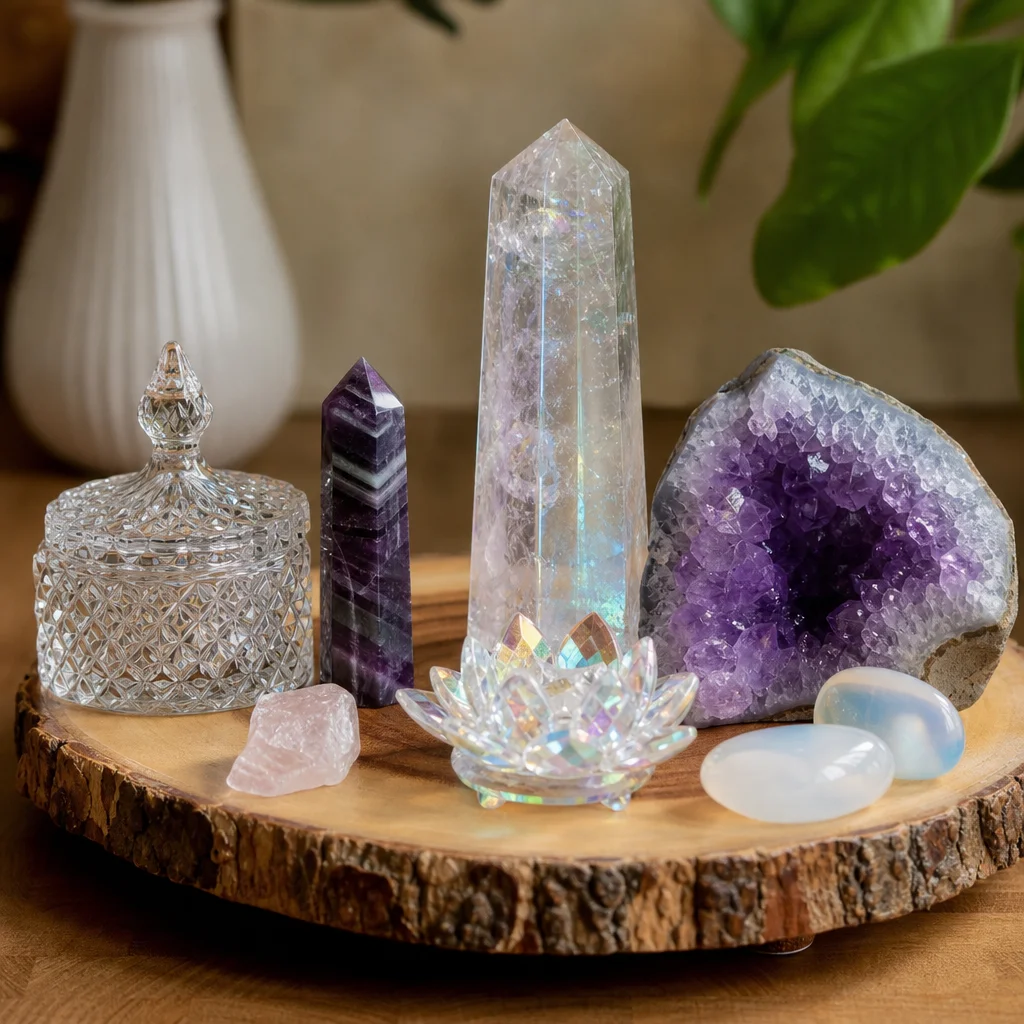
Crystal Gifts for Every Budget: A Practical Guide for Non-Experts
Buying a crystal as a gift sounds simple until you're standing in a shop staring at two hundred different stones with names you can't pronounce. Is a $5 tumbled stone too cheap? Is a $200 geode too much? Does the recipient even like crystals, or are you projecting?
This guide cuts through the confusion with specific recommendations by budget, relationship, and occasion. No crystal mysticism required — just practical advice for giving something beautiful and meaningful.
Under $15: Small but Thoughtful
Good crystal gifts don't have to be expensive. The key at this price point is presentation — a $8 stone in a nice bag with a handwritten note beats a $30 stone in a plastic bag every time.
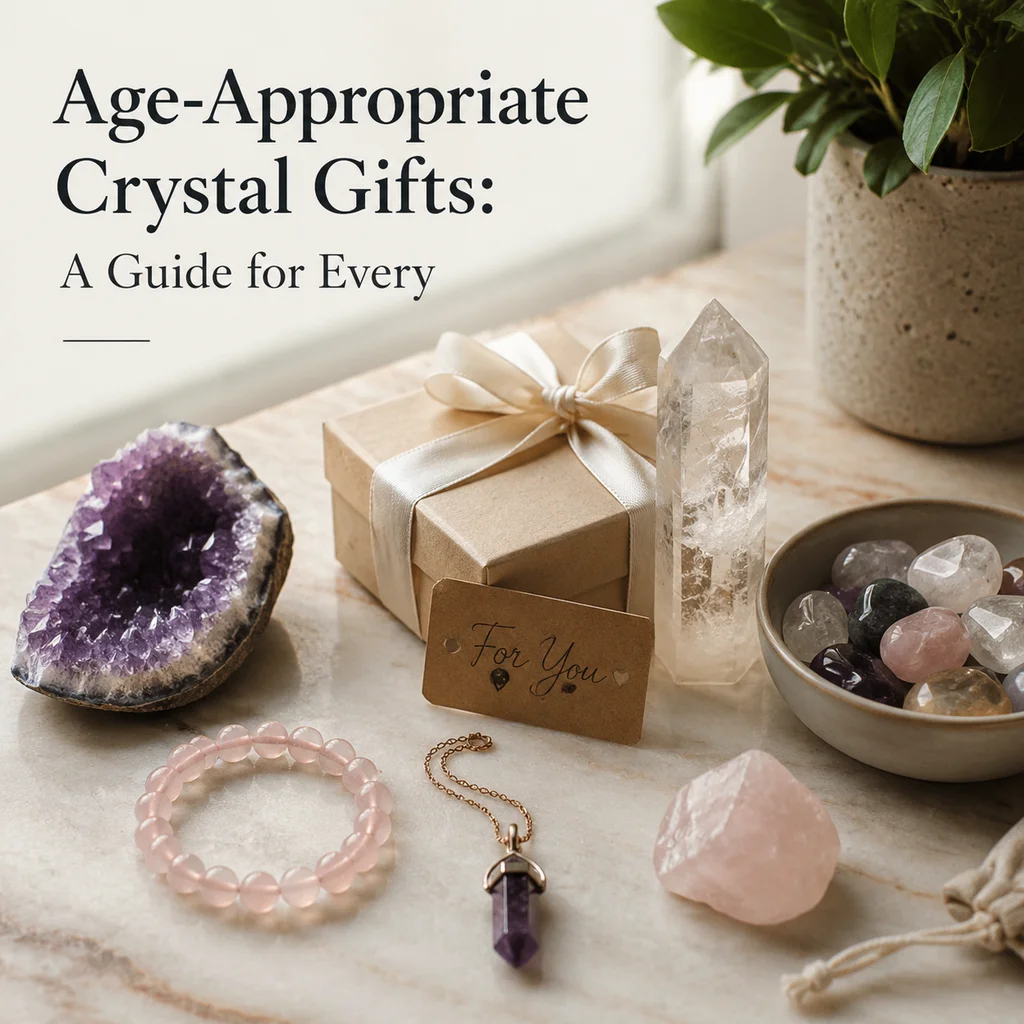
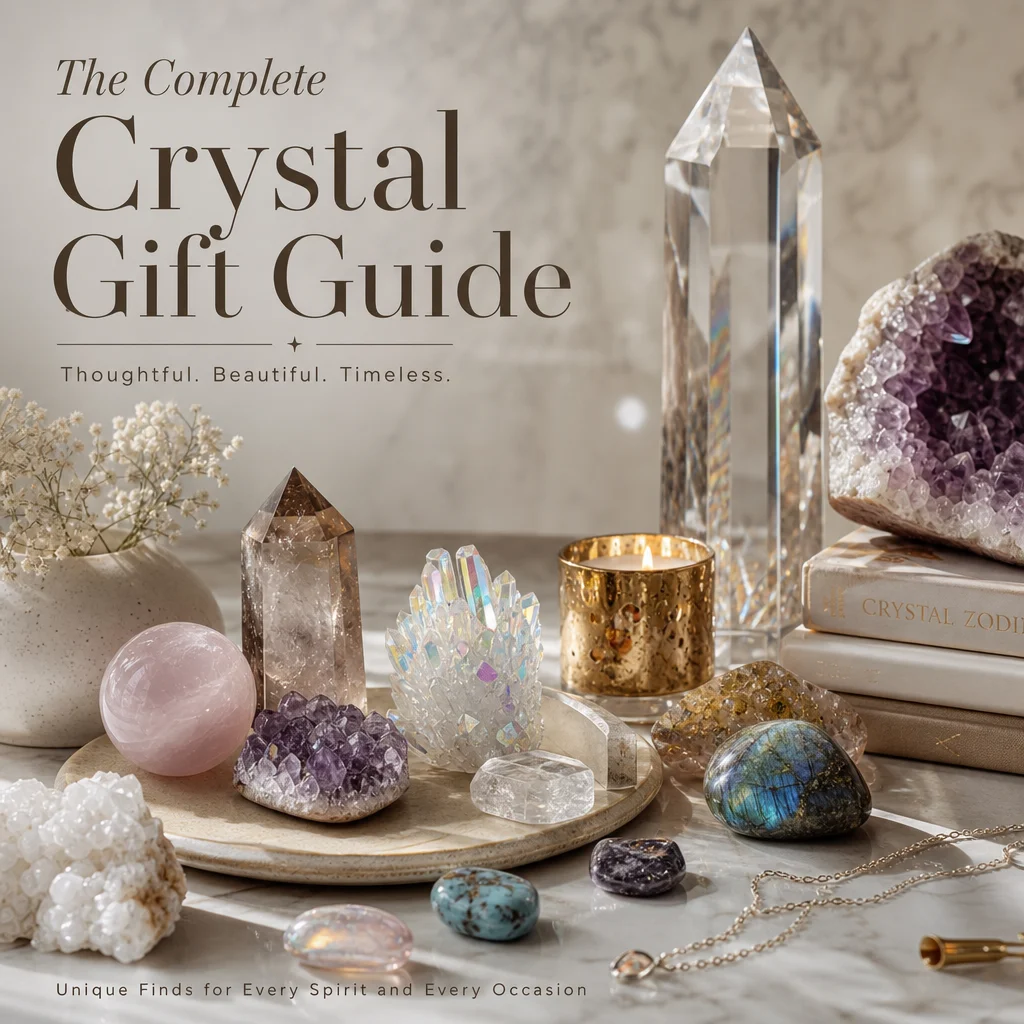
Tumbled stones in a pouch: Pick 3-5 stones with complementary colors (amethyst + rose quartz + clear quartz = purple-pink-white, looks great together). Put them in a small drawstring bag (available at any craft store for $1-2). Total cost: $10-14.
Single statement stone: A palm-sized piece of polished labradorite (the one with the blue flash) costs $8-15 and looks much more expensive than it is. The optical effect is genuinely impressive even to people who don't care about crystals. Labradorite's labradorescence is one of those things that photographs poorly but stuns in person.
Crystal point (natural quartz): A clear quartz point (the ones that look like six-sided pencils) costs $5-12 depending on size. It's the classic crystal shape that everyone recognizes from movies and media.
Selenite tower: White, translucent, and inexpensive ($8-15 for a small one). Looks like a glowing pillar when light passes through it. Practical note: selenite is water-soluble, so mention this if you're giving it to someone who might try to wash it.
$15-40: The Sweet Spot
This is where you find gifts that look intentional without being extravagant.
Crystal jewelry: A wire-wrapped pendant in copper or silver wire is $15-35. Wire wrapping turns any stone into wearable art. Quartz, amethyst, and rose quartz are the most popular choices.
Small geode half: A cut geode (amethyst or agate) that sits flat as a display piece. The inside reveals crystals that formed over millions of years. $20-40 for a fist-sized piece. These work well as desk decor — everyone who walks past will pick it up.
Tumbled stone set with identification cards: A curated set of 8-12 stones, each labeled with its name and a brief description. Many crystal shops sell these pre-made, or you can build your own. Include a mix of colors and textures: smooth (rose quartz), banded (malachite), metallic (pyrite), translucent (calcite).
Book + crystal combo: A crystal identification book ($12-15) paired with a specimen the recipient can look up in the book. Meta, but effective.
$40-100: Impressive Without Being Excessive
For significant others, close family, or milestone occasions.
Large display specimen: A piece of amethyst cluster, citrine geode, or fluorite cube that's large enough to be a conversation piece. Size matters at this price point — get one impressive piece rather than several small ones.
Crystal grid kit: A crystal grid with a printed geometric template and the stones needed to fill it. Appeals to people who like both aesthetics and process.
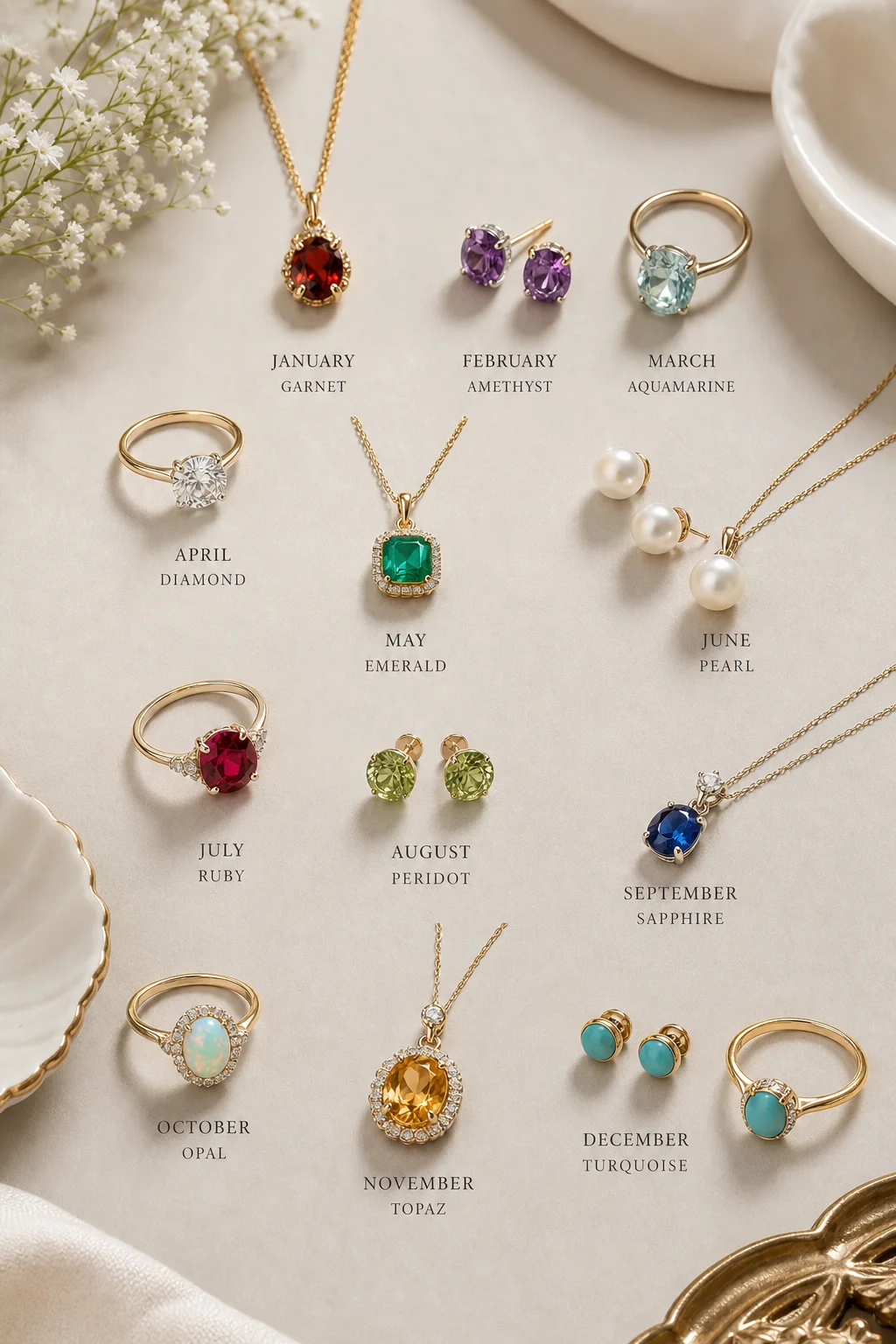
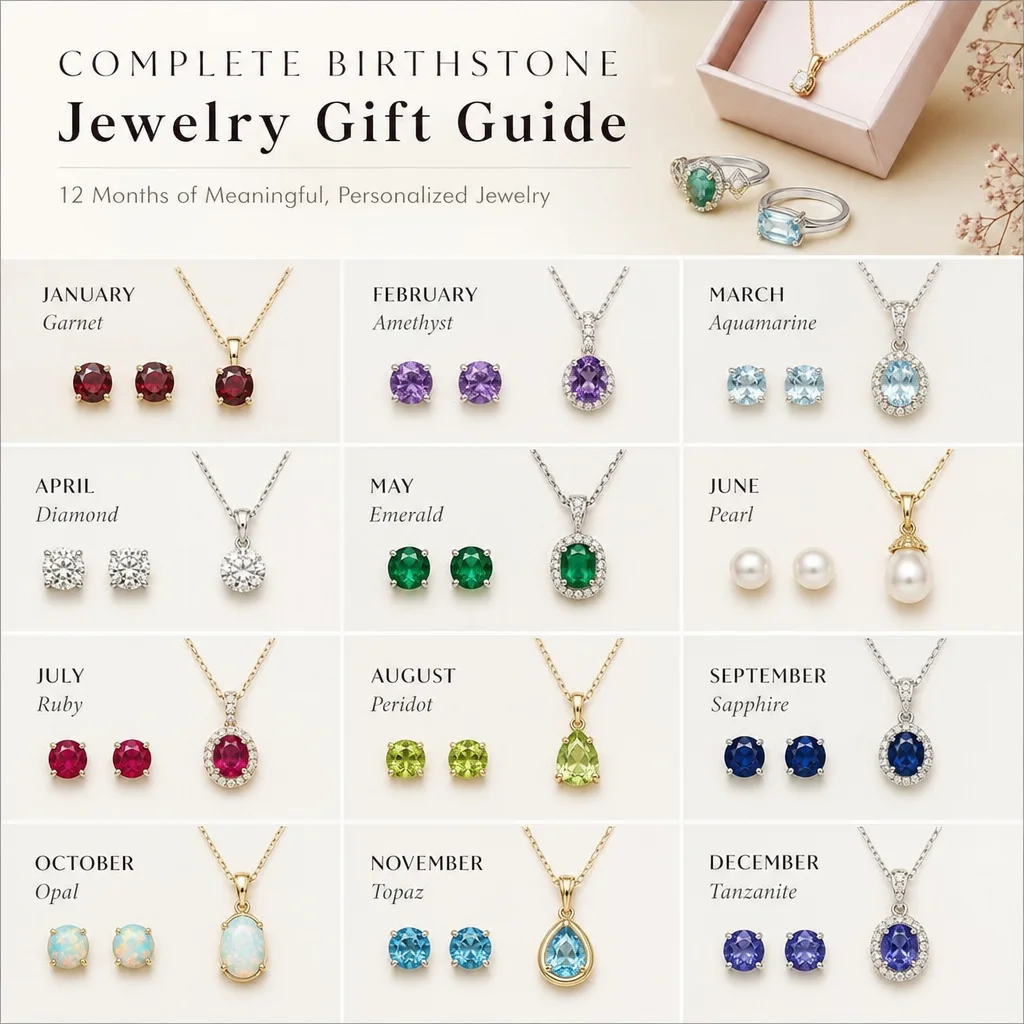
Custom jewelry: Commission a wire-wrapped or bezel-set piece with a specific stone that has meaning to the recipient. Birthstones work well here — each month has a traditional stone with associated symbolism.
Rock tumbler starter kit: A basic rotary tumbler ($40-60) with rough stones and polishing grit. Tumbling takes 3-4 weeks, so this is a gift that keeps giving. Good for kids and adults who like process-oriented hobbies.
$100+: Serious Gifts
For collectors, enthusiasts, or very special occasions.
Specimen-grade mineral: A high-quality crystal with well-defined shape, good color, and minimal damage. This is where you want to buy from a reputable dealer who can tell you the specimen's origin and confirm it's natural (not treated or synthetic).
Lapidary equipment: For someone who's expressed interest in gemstone carving or lapidary work, a Dremel kit with diamond bits ($80-150) opens up a whole hobby.
Antique or vintage crystal jewelry: Art Deco crystal brooches, Victorian seed pearl pieces, mid-century rhinestone sets. These have both material and historical value.
Gifts to Avoid
Some crystal gifts create problems instead of joy:
- Raw, uncut specimens for non-collectors: That raw malachite looks cool in the shop, but the recipient has nowhere to put it, can't clean it (toxic when wet), and doesn't know what it is. Polished or tumbled is safer for non-enthusiasts.
- "Mystery boxes": Pre-sealed boxes of "surprise crystals" are usually filled with the cheapest stones the seller couldn't sell individually. You're paying for packaging, not value.
- Crystals in water bottles: The trend of putting crystals inside water bottles is problematic — many popular crystals are not safe for prolonged water contact, and the "energetic benefit" of a stone separated from the water by glass is nonexistent.
- Anything described as having "healing properties" without context. If the recipient is into that, fine. If not, it comes across as weird or pushy.
Gifts for Kids by Age
Kids love crystals — the colors, the shapes, the idea that rocks can be beautiful. Age-appropriate recommendations matter more for safety than interest:
Ages 4-7: Large, tumbled stones that can't be swallowed. Avoid anything smaller than a golf ball. Rose quartz, aventurine, and howlite are safe and pretty. A magnifying glass ($3-5) makes the gift interactive.
Ages 8-11: Crystal growing kits, tumbled stone collections, and basic identification guides. Crystal bingo is a fun add-on. Kids this age can handle small specimens safely.
Ages 12+: Rock tumblers, wire wrapping kits, specimen-grade pieces. Teenagers who get into crystals often develop serious collecting habits — a good starter gift can launch a lifelong hobby.
Presentation Tips
How you give a crystal matters as much as which one you chose:
- Include a small card with the stone's name, where it comes from (country or mine), and one interesting fact. "This is amethyst from Brazil. The purple color comes from iron atoms that were irradiated over millions of years."
- Wrap in tissue paper, not gift wrap — crinkling paper around a stone can chip softer minerals
- If giving multiple stones, arrange them by color rather than randomly
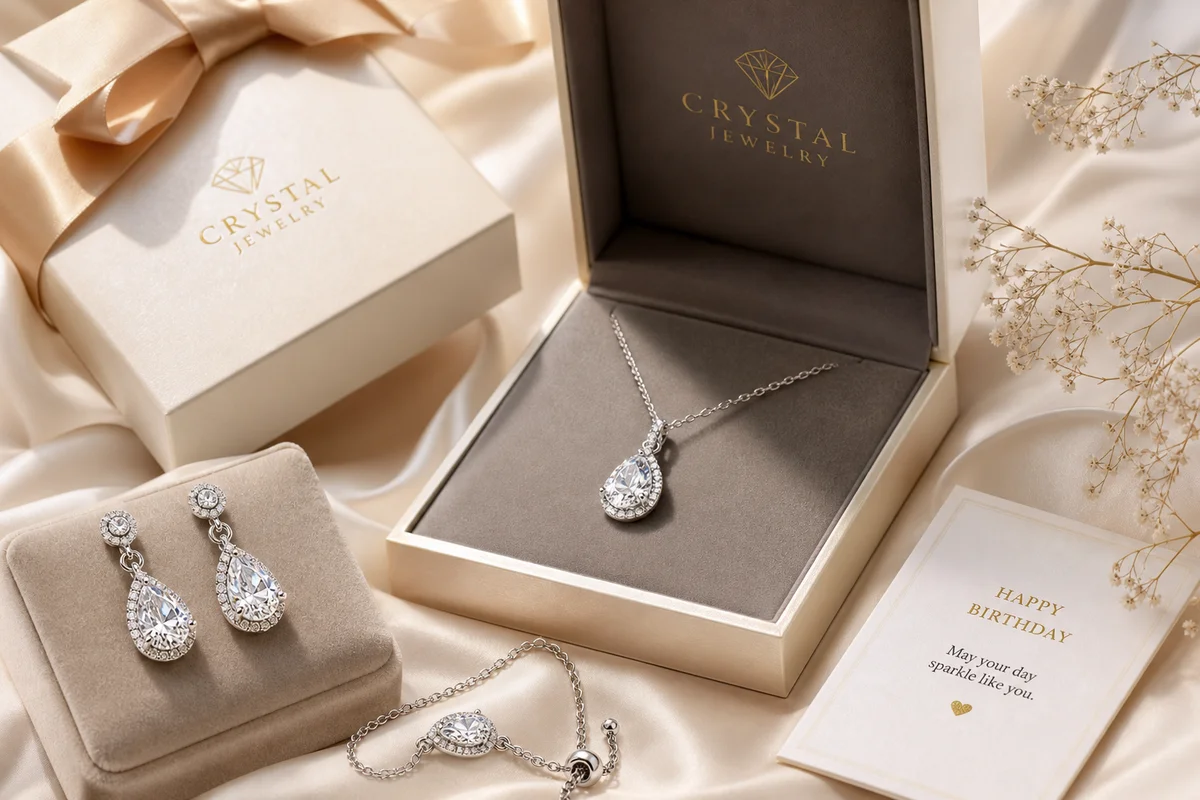
- For jewelry, a simple jewelry box elevates the presentation significantly
The best crystal gifts aren't the most expensive — they're the ones that show you thought about what the recipient would actually enjoy and display. A $10 labradorite picked because "it reminded me of that blue dress you wore" will be appreciated more than a $100 specimen chosen at random.
Crystal Gifts for Every Budget: A Practical Guide for Non-Experts (Continued)
Continuing from where we left off, let's dig into deeper into the world of crystals and how you can find the perfect gift for any budget. We've already covered the basics, but there's so much more to explore!
$40-100: Expanding Your Options
At this price point, you can start to consider more unique and personal pieces that will truly stand out.
Crystal bowl: A hand-carved crystal bowl is not only a beautiful piece but also a functional one. They can be used for meditation, crystal healing, or as a decorative item. Prices vary widely, but you can find a good-quality bowl for $50-100.
Crystal wand: These are often used for energy work and are a great gift for someone who is interested in crystal healing or metaphysics. A basic wand can be found for $40-70, depending on the material and craftsmanship.
Large tumbled stone: A large, high-quality tumbled stone can make a statement. Think of a large piece of rose quartz or citrine. Prices range from $50-100, and they can be used as a centerpiece on a bookshelf or desk.
$100-200: The Luxury Tier
When you're looking to spend a bit more, you open up a world of possibilities, from high-end jewelry to rare and unique stones.
Custom jewelry: Have a piece of jewelry custom made with a specific stone. This could be a ring, necklace, or bracelet. Prices will vary based on the stone and craftsmanship, but you can expect to pay $100-200 for a quality piece.
Rare crystal: If you're looking for something truly unique, consider a rare crystal like a blue apophyllite or a citrine. These can range from $100-200 depending on size and clarity.
Crystal Care and Maintenance
Once you've found the perfect crystal, it's important to take care of it. Here are a few tips:
- Cleaning: Use a soft cloth and gentle soap to clean your crystals. Avoid using water on selenite or other water-soluble stones.
- Charging: Place your crystals in direct sunlight or moonlight to charge them. You can also use a crystal charging plate or a smudging stick.
- Storing: Keep your crystals in a safe, dry place. A crystal cabinet or a soft pouch can help protect them from damage.
Crystal Meanings and Symbolism
Each crystal has its own unique properties and meanings. Here are a few popular ones:
- Amethyst: Known for its calming properties, amethyst is often associated with sobriety and peace.
- Citrine: A stone of joy and abundance, citrine is said to attract wealth and happiness.
- Rose quartz: Known as the stone of love, rose quartz is often used for healing and emotional balance.
- Laboradorite: Known for its protective properties, labradorite is often used to shield against negative energy.
Crystal Gifts for Specific Occasions
Crystal gifts can be a meaningful addition to any occasion. Here are a few ideas:
- Birthday: A crystal pendant or a set of tumbled stones can make for a unique and personal gift.
- Wedding: A crystal bowl or a set of crystals can be a beautiful and symbolic gift for a couple.
- Graduation: A crystal wand or a large tumbled stone can symbolize the journey ahead.
- Valentine's Day: A rose quartz pendant or a heart-shaped crystal can express love and affection.
FAQ
Can I use any crystal for healing purposes?
Can I use any crystal for healing purposes?
Yes, many crystals are believed to have healing properties. However, it's worth knowing that crystals are not a substitute for medical treatment. They can be used as a complementary tool for wellness and relaxation.
How do I choose the right crystal for someone else?
How do I choose the right crystal for someone else?
Think about their personality, interests, and what they might need. For example, if someone is going through a tough time, a stone like amethyst or rose quartz might be a good choice.
Can I wear crystals everyday?
Can I wear crystals everyday?
Yes, you can wear crystals everyday. However, it's important to choose stones that resonate with you and to take care of them properly.
Are all crystals the same?
Are all crystals the same?
No, each crystal has its own unique properties and meanings. It's important to choose a stone that resonates with you or the person you're buying for.
How do I clean my crystals?
How do I clean my crystals?
Use a soft cloth and gentle soap. Avoid using water on water-soluble stones like selenite. You can also use a crystal cleaning tool or a smudging stick.
Comparison Table: Crystal Gifts by Budget
| Price Range | Types of Gifts | Approximate Cost |
|---|---|---|
| Under $15 | Tumbled stones, single statement stones, crystal points, selenite towers | $5 - $15 |
| $15 - $40 | Crystal jewelry, small geode halves, tumbled stone sets | $15 - $40 |
| $40 - $100 | Crystal bowls, crystal wands, large tumbled stones | $40 - $100 |
| $100 - $200 | Custom jewelry, rare crystals | $100 - $200 |
Crystal gifts can be a meaningful and beautiful addition to any occasion. Whether you're looking for something small and thoughtful or a luxurious and unique piece, there's a crystal out there for everyone.
For more information on crystals and jewelry, check out our related articles:
- The Complete Crystal Gift Guide
- Crystal Gifts for Coworkers and Colleagues
- Karat vs. Carat: Unraveling the Jewelry Jargon
- Jewelry Metal Allergies: Stop Green Skin with Prevention
- What do gold karats actually mean
Understanding the Basics
This section covers important aspects of understanding the basics. For detailed information, please refer to the FAQ section below.
Key Factors to Consider
This section covers important aspects of key factors to consider. For detailed information, please refer to the FAQ section below.
Step-by-Step Instructions
This section covers important aspects of step-by-step instructions. For detailed information, please refer to the FAQ section below.
Common Mistakes to Avoid
This section covers important aspects of common mistakes to avoid. For detailed information, please refer to the FAQ section below.
Comments