Sandalwood Mala: Fragrant Meditation Aid
June 10, 2026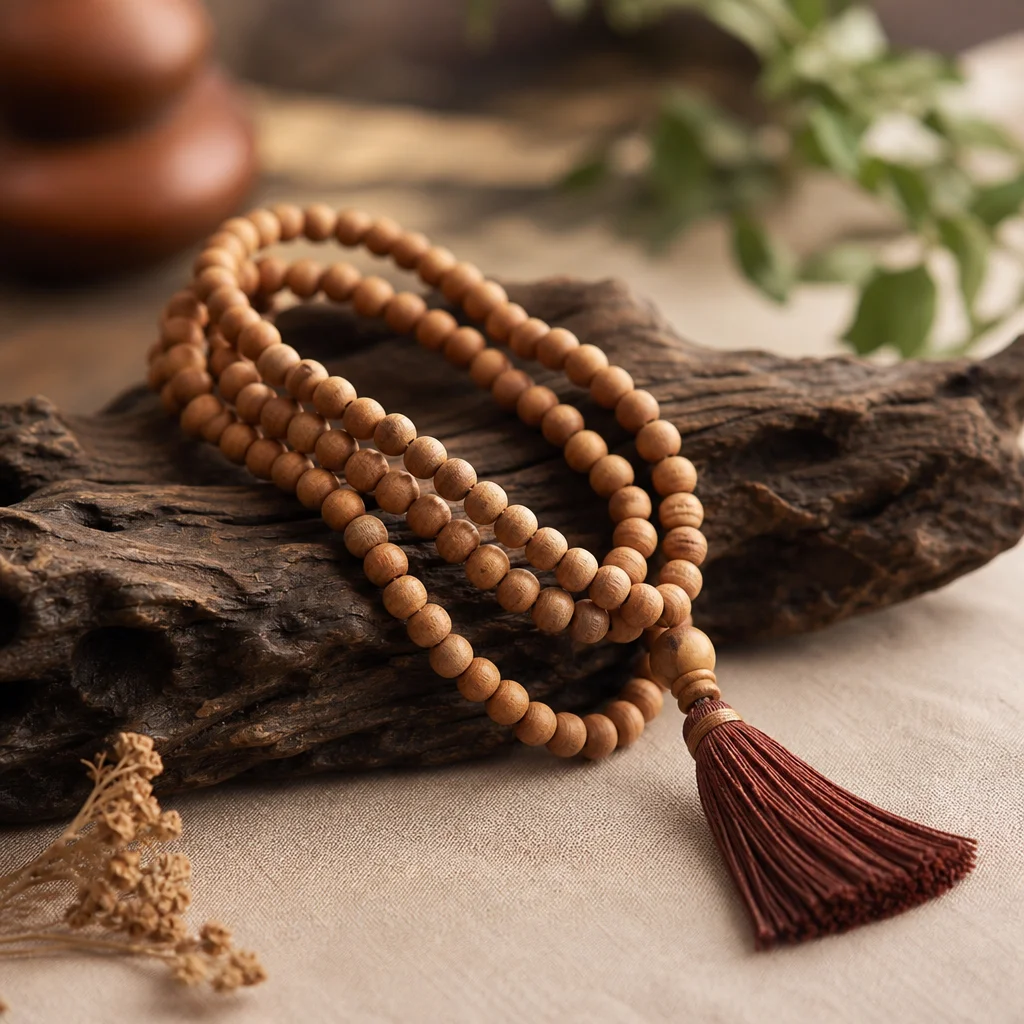
What Are Sandalwood Mala Beads?
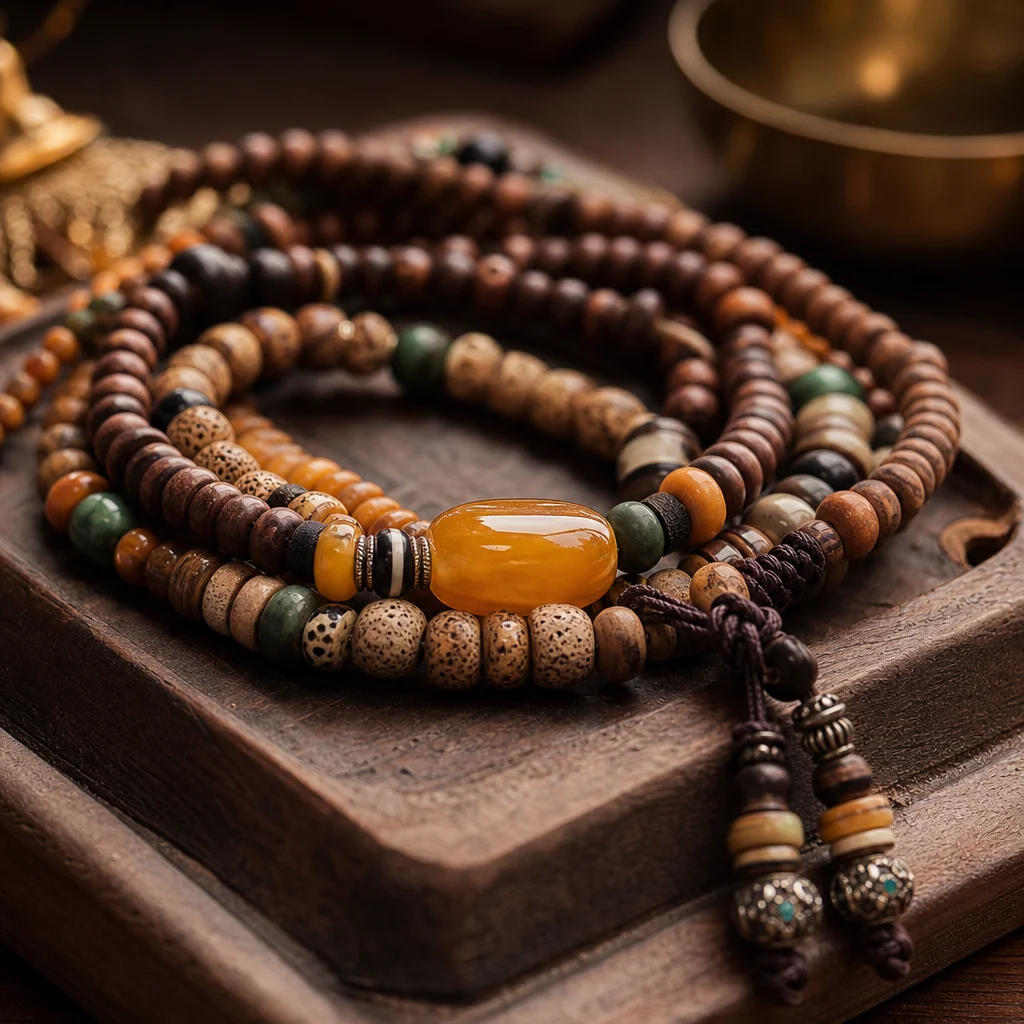
Sandalwood Mala Beads are a sacred and highly revered component in many spiritual and meditative practices. Originating from the heartwood of the sandalwood tree, these beads are crafted into malas, which are used for counting mantras and maintaining focus during meditation. The sandalwood tree, scientifically known as Santalum album, is a species native to the Indian subcontinent, although it is also found in other regions such as Australia, Hawaii, and Indonesia. What makes sandalwood so special is its unique aromatic properties and the high concentration of santalol, a natural compound that imparts a rich, sweet, and woody scent. This scent is not only pleasing to the senses but also has been used for its therapeutic benefits for centuries. The use of sandalwood in malas is deeply rooted in tradition and symbolism. In Hinduism, sandalwood is considered a sacred material, often used in rituals and ceremonies. It is believed to have purifying properties and is associated with Lord Krishna, the deity of compassion and love. The scent of sandalwood is also believed to enhance spiritual awareness and promote tranquility. Also, the smooth texture of the wood makes it ideal for bead making, as it is easy to work with and does not splinter or crack easily.Types of Sandalwood Used in Malas
There are several types of sandalwood used in the creation of malas, each with its own unique characteristics and origins. The most common types include:- Indian Sandalwood (Santalum album): This is the most sought-after variety, known for its high concentration of santalol and its rich, sweet aroma. Indian sandalwood is native to the Indian subcontinent and is protected due to overharvesting.
- Australian Sandalwood (Santalum spicatum): Also known as kwila, this species is native to Australia and is valued for its strong, sweet scent and high oil content. Australian sandalwood is also endangered due to excessive logging.
- Hawaiian Sandalwood (Santalum ellipticum): Native to Hawaii, this variety is known for its delicate scent and is highly prized for its rarity. Hawaiian sandalwood is critically endangered and is protected by law.
- Indonesian Sandalwood (Santalum album): Similar to Indian sandalwood, this variety is found in Indonesia and is also known for its high santalol content and aromatic properties.
The Art of Making Sandalwood Malas
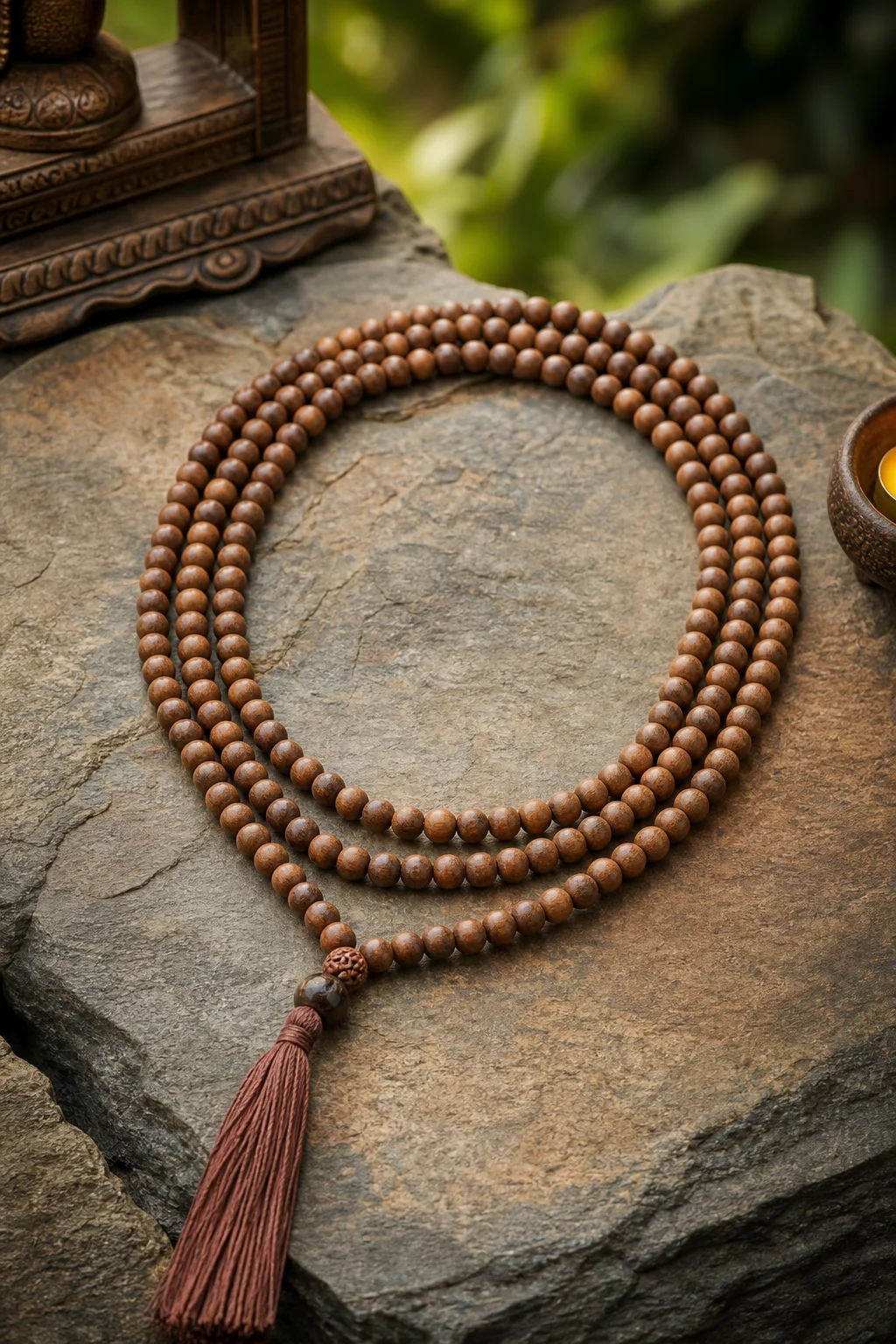
The process of making sandalwood malas is a meticulous and time-consuming craft. It begins with the careful harvesting of the heartwood from mature sandalwood trees. The trees are typically aged between 40 and 80 years to ensure the highest quality of wood. Once harvested, the wood is then dried in the sun for several months to reduce moisture content and enhance its scent. The next step is the bead-making process. The dried wood is cut into small, uniform pieces and then shaped into beads. This is done using various tools, including chisels, files, and sandpaper. The beads are then polished to a smooth finish, which not only makes them more durable but also enhances their natural luster. After the beads are made, they are strung onto a thread or string. The process of stringing is done with great care to ensure that the beads are evenly spaced and the mala is balanced. The final step involves adding tassels or knots at both ends of the mala, which are used for hanging and for marking the start and end of the meditation sequence.How to Use a Sandalwood Mala
Using a sandalwood mala is a practice that has been passed down through generations. The most common use of a sandalwood mala is for the 108-bead practice, which is believed to be the number of times Lord Buddha spoke the truth. To use the mala, you hold it in your right hand and use your thumb to rotate each bead as you recite a mantra or silently meditate. The mantra is typically repeated for each bead, starting from the first bead and moving towards the tassel. Once you reach the tassel, you reverse the direction and start again. This process is repeated until you have counted 108 beads. The practice of using a sandalwood mala is not only a way to count mantras but also to focus the mind and deepen the meditation experience.Sandalwood Aroma and Its Effects
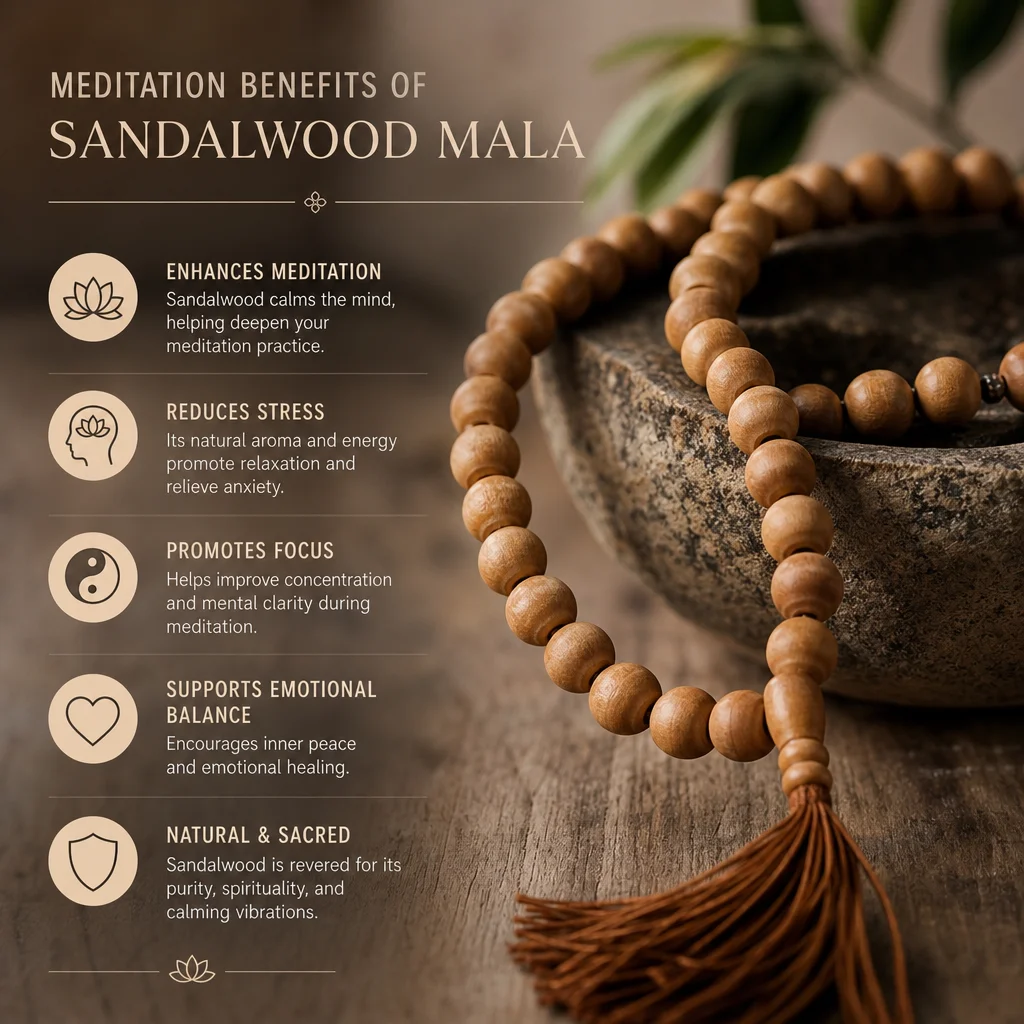
The aroma of sandalwood is complex and evolves over time. It is primarily composed of santalol, which is a monoterpene alcohol. Santalol is known for its calming and grounding effects on the mind and body. It has been used in aromatherapy for its ability to reduce stress, improve mood, and enhance relaxation. The scent of sandalwood is also believed to have a positive impact on the respiratory system, helping to clear congestion and improve breathing. It is often used in diffusers or as an essential oil to create a serene and peaceful atmosphere. The evolution of the sandalwood scent is a fascinating process, as it becomes more complex and rich over time, developing deeper notes as the wood ages.Caring for Your Sandalwood Mala
To maintain the longevity and integrity of your sandalwood mala, it is important to care for it properly. Here are some tips:- Oil Maintenance: Sandalwood malas should be periodically oiled to preserve their scent and luster. You can use a natural oil such as coconut oil or jojoba oil. Simply apply a few drops to the beads and rub them together with your fingers.
- Storage: Store your sandalwood mala in a cool, dry place away from direct sunlight. This will help to prevent the wood from drying out and cracking.
- Scent Fade: Over time, the scent of your sandalwood mala may fade. This is a natural process, as the wood slowly releases its oils. To refresh the scent, you can use a sandalwood oil diffuser or apply a few drops of sandalwood essential oil directly to the beads.
Sandalwood Mala vs Other Mala Materials
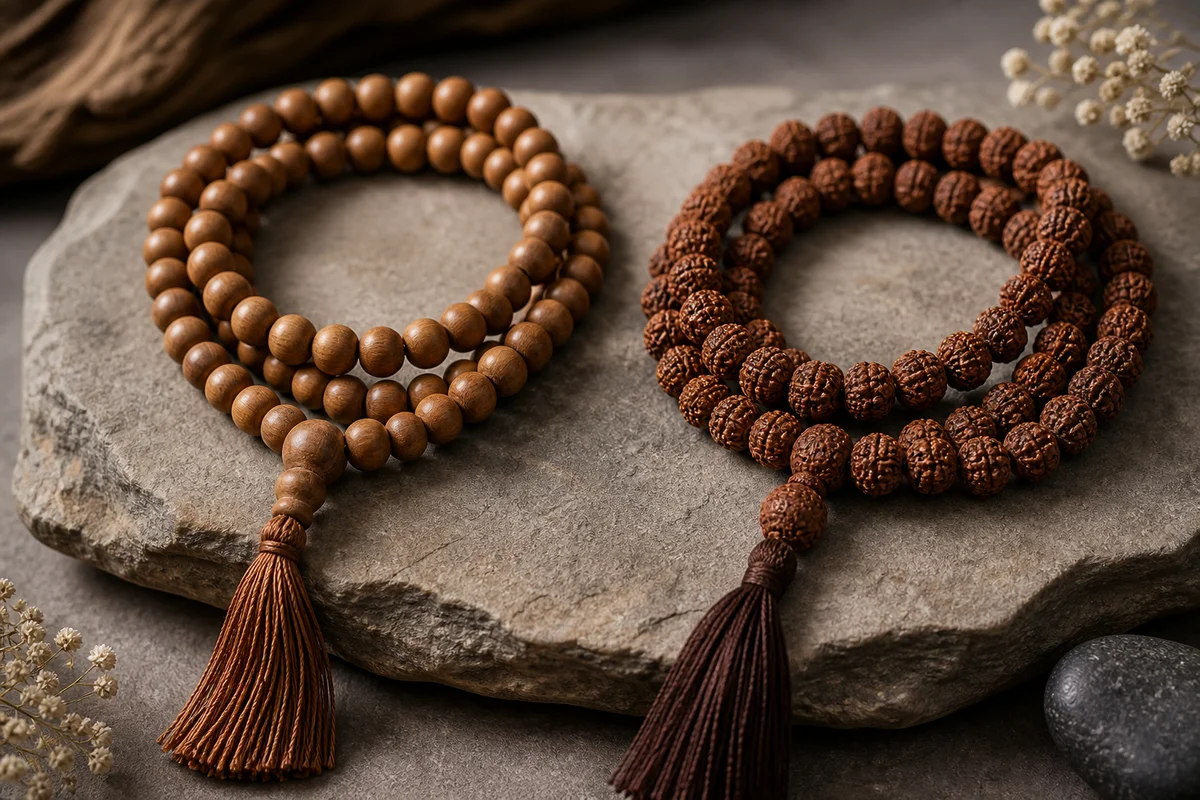
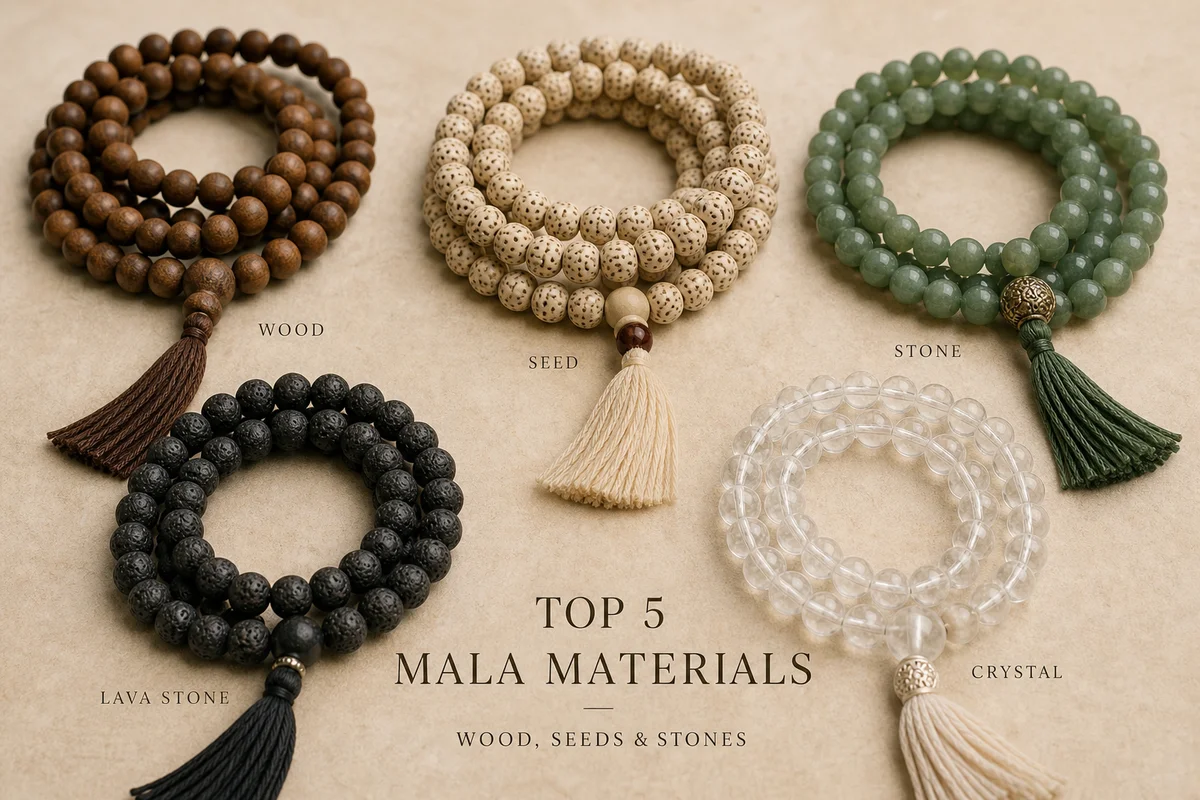
When it comes to mala beads, the choice of material can significantly impact the experience and symbolism of your practice. Sandalwood malas stand out among other popular materials like rudraksha, rosewood, gemstones, and lotus seed. Each material carries unique properties and meanings, making them appealing for different reasons.Sandalwood
Sandalwood, known for its rich, creamy hue and aromatic scent, has been revered in many cultures for centuries. It is believed to have calming and grounding properties, making it a popular choice for meditation and mindfulness practices. The wood is also known for its durability and the ability to retain its scent for a long time.Rudraksha
Rudraksha beads, which are actually seeds from the Elaeocarpus ganitrus tree, are considered to have spiritual significance and are believed to have healing properties. They are often used in Hindu and Buddhist practices. Each bead is categorized by the number of "eyes" or segments, with different numbers believed to offer various benefits and spiritual insights.Rosewood
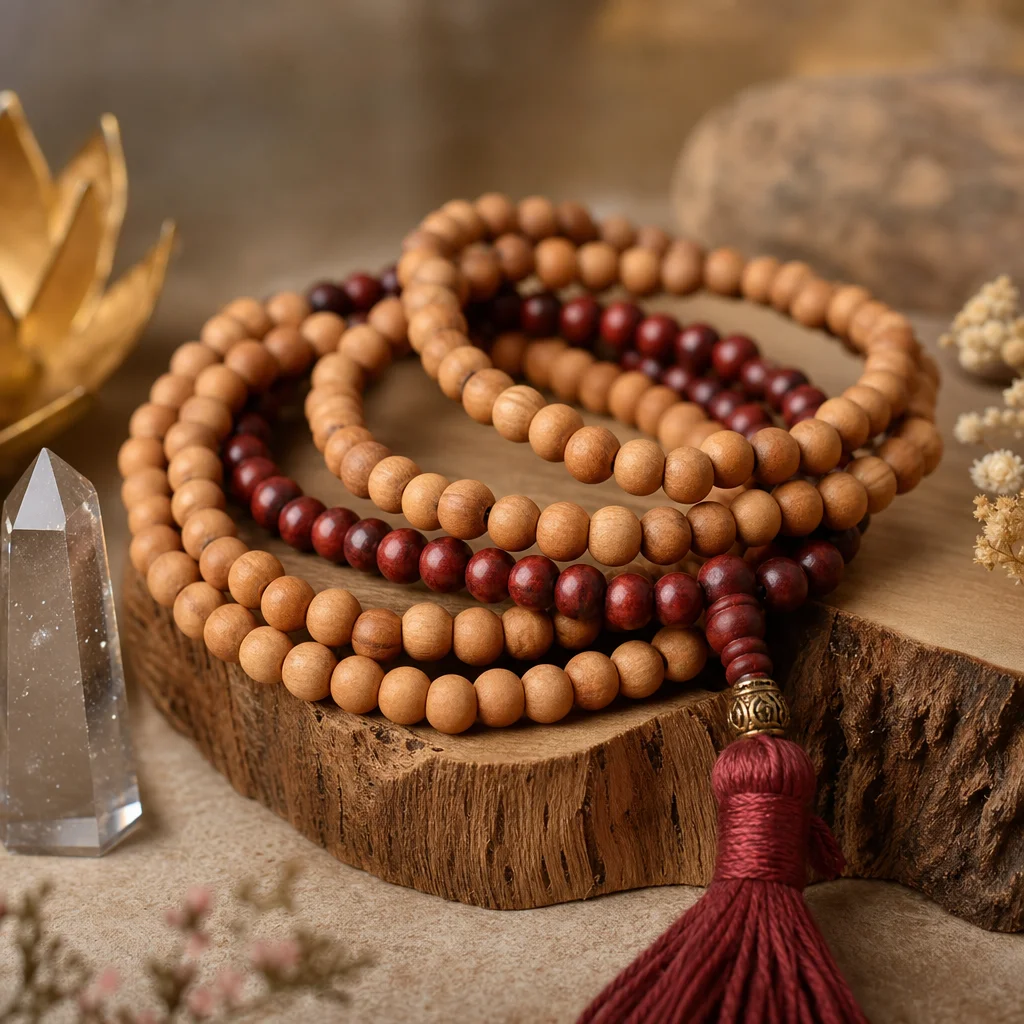
Rosewood malas are another popular choice, known for their deep red color and strong, rich scent. They are often associated with passion and strength, and are believed to enhance creativity and focus. Rosewood is also highly valued for its durability and luster.Gemstones
Gemstone malas are a favorite among those who appreciate the beauty and energy of different stones. Each gemstone is believed to possess unique healing properties and can be chosen for its specific energetic qualities. For example, malas made from amethyst are often used for meditation and stress relief, while malas made from jade are thought to promote calm and balance.Lotus Seed
Lotus seed malas are a more recent trend, gaining popularity for their simplicity and elegance. The lotus flower is a symbol of purity and rebirth, and the seeds are believed to carry these same qualities. Lotus seed malas are often used for meditation and are known for their smooth, cool texture. While each material has its own unique attributes, sandalwood malas often stand out due to their combination of scent, durability, and spiritual significance.How to Choose Quality Sandalwood Mala
Selecting a quality sandalwood mala is crucial for both the longevity of the beads and the effectiveness of your meditation practice. Here are some key factors to consider when choosing a sandalwood mala.Weight Test
A quality sandalwood mala should have a substantial weight to it. This indicates that the beads are made from solid wood and not hollow or filled with other materials. Hold the mala in your hand and feel its weight; it should feel solid and heavy.Aroma Test
Sandalwood is known for its distinctive scent, often described as sweet and earthy. When you hold a sandalwood mala, take a moment to inhale deeply. The aroma should be strong and pleasant, not overpowering but definitely noticeable.Grain Inspection
Inspect the wood grain of the beads. High-quality sandalwood malas will have a smooth, consistent grain pattern. Look for any inconsistencies or gaps in the grain, which may indicate that the wood has been treated or altered.Price Ranges
The price of a sandalwood mala can vary widely. While it's possible to find affordable options, be wary of extremely low prices, as they may indicate poor quality or the use of non-sandalwood materials. High-quality, handcrafted sandalwood malas can range from $50 to over $200, depending on the size, craftsmanship, and the number of beads. Remember, investing in a high-quality sandalwood mala is an investment in your meditation practice and well-being.Frequently Asked Questions
Here are some common questions about sandalwood malas and their answers.Q: How often should I clean my sandalwood mala?
A: It's a good idea to clean your sandalwood mala regularly to maintain its scent and appearance. Use a soft cloth and a mild natural oil or beeswax to gently wipe down the beads. Avoid using water, as it can damage the wood over time.
Q: Can I use my sandalwood mala in water?
A: No, sandalwood is a porous material and should not be submerged in water. Exposing it to water can lead to cracking, warping, and damage to the wood's natural oils.
Q: Are there any precautions I should take when using a sandalwood mala?
A: Yes, it's important to keep your sandalwood mala away from direct sunlight and extreme temperatures, as these can fade the color and weaken the wood. Also, avoid exposing it to harsh chemicals or perfumes, which can alter the scent.
Q: How long does a sandalwood mala last?
A: With proper care, a sandalwood mala can last for many years. The longevity of the mala depends on factors like the quality of the wood, how often it's used, and how well it's maintained.
Q: Can I use a sandalwood mala for other purposes besides meditation?
A: While sandalwood malas are primarily used for meditation and mindfulness practices, some people use them for other spiritual or decorative purposes. However, it's important to keep in mind the fragility and sacred nature of sandalwood when using it in different contexts.
Comments