Sacral Chakra Crystals: Svadhisthana Guide
June 10, 2026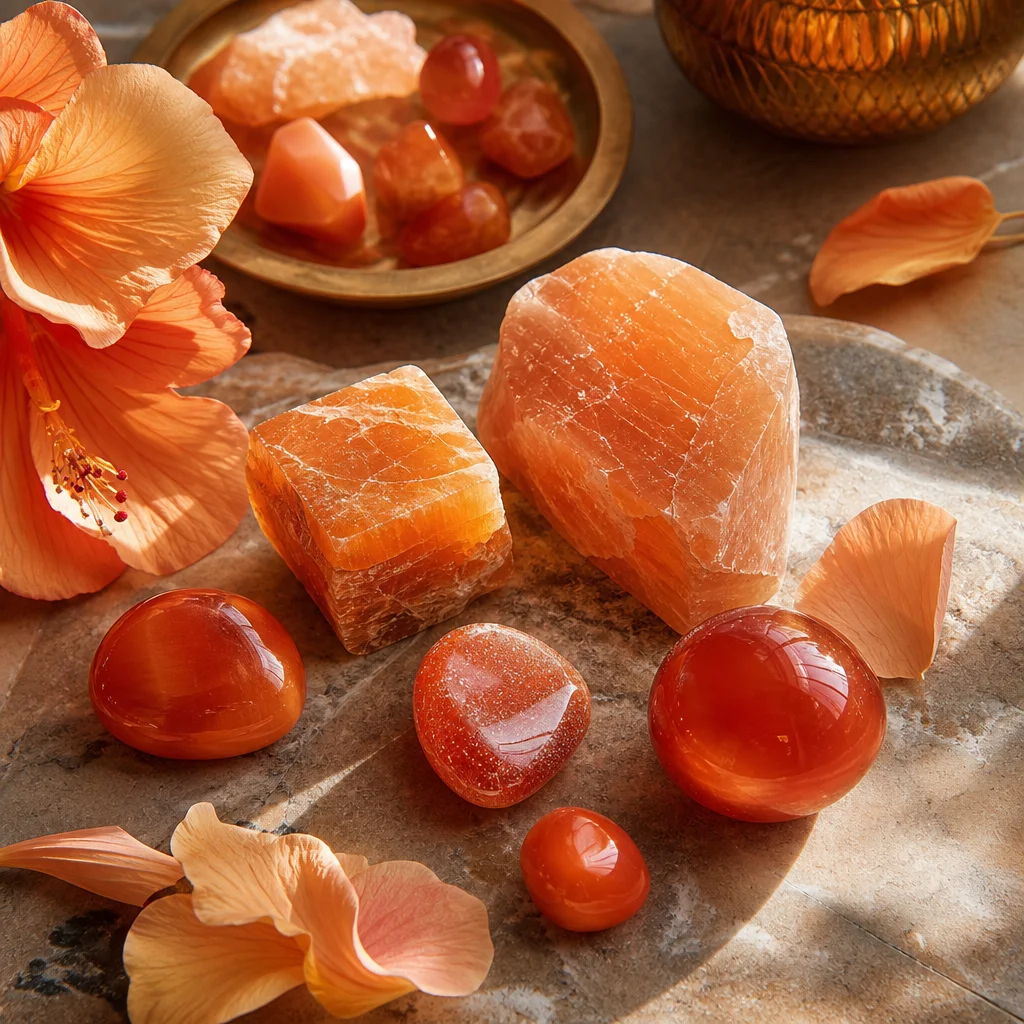
Crystal Wisdom: Unveiling the Sacral Chakra's Radiant Beauty
The Sacral Chakra, Svadhisthana, nestled below the navel, is a beacon of the water element, a world brimming with creativity, emotions, and pleasure. Its vibrant hues and flowing energy invite us to embrace life's joys and face our emotional tides with grace. Let's dig into into the Sacral Chakra's mystical world, exploring the top crystals that can illuminate this pivotal energy center.Signs of Imbalance: A Glimpse into the Subtle Currents
When the Sacral Chakra is out of balance, we may experience emotional numbness or face creative blocks that stifle our creative essence. It's crucial to recognize these signs so we can navigate the waters of emotional healing and creative flow. Here are some indicators that your Sacral Chakra could use some rejuvenating attention:- Feelings of emotional numbness or detachment
- Difficulty expressing or experiencing emotions
- Creative blocks or lack of inspiration
- Sexual dysfunction or low libido
- Feeling unbalanced or scattered emotionally
The Alchemy of Crystals: The Sacral Chakra's Best Friends
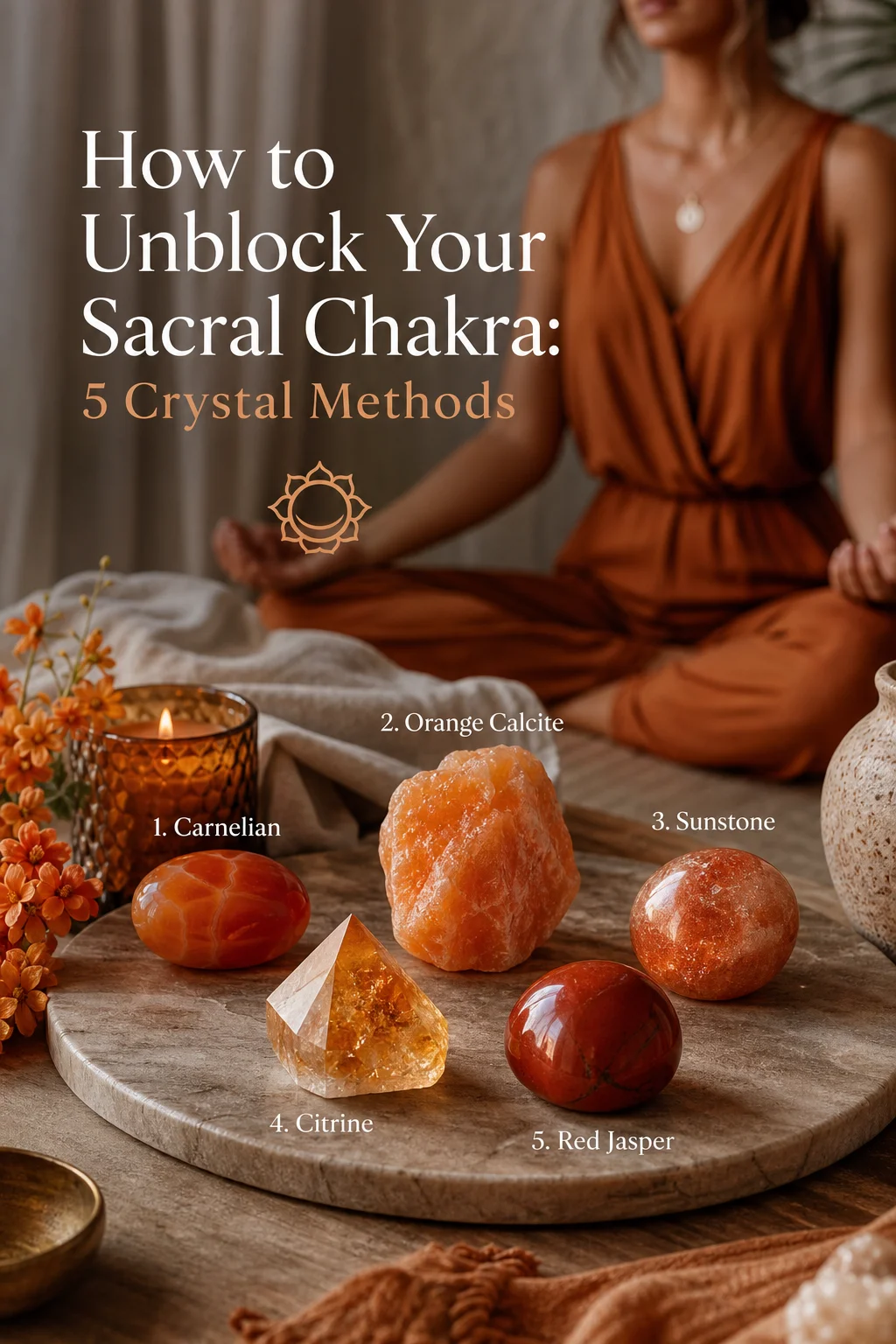
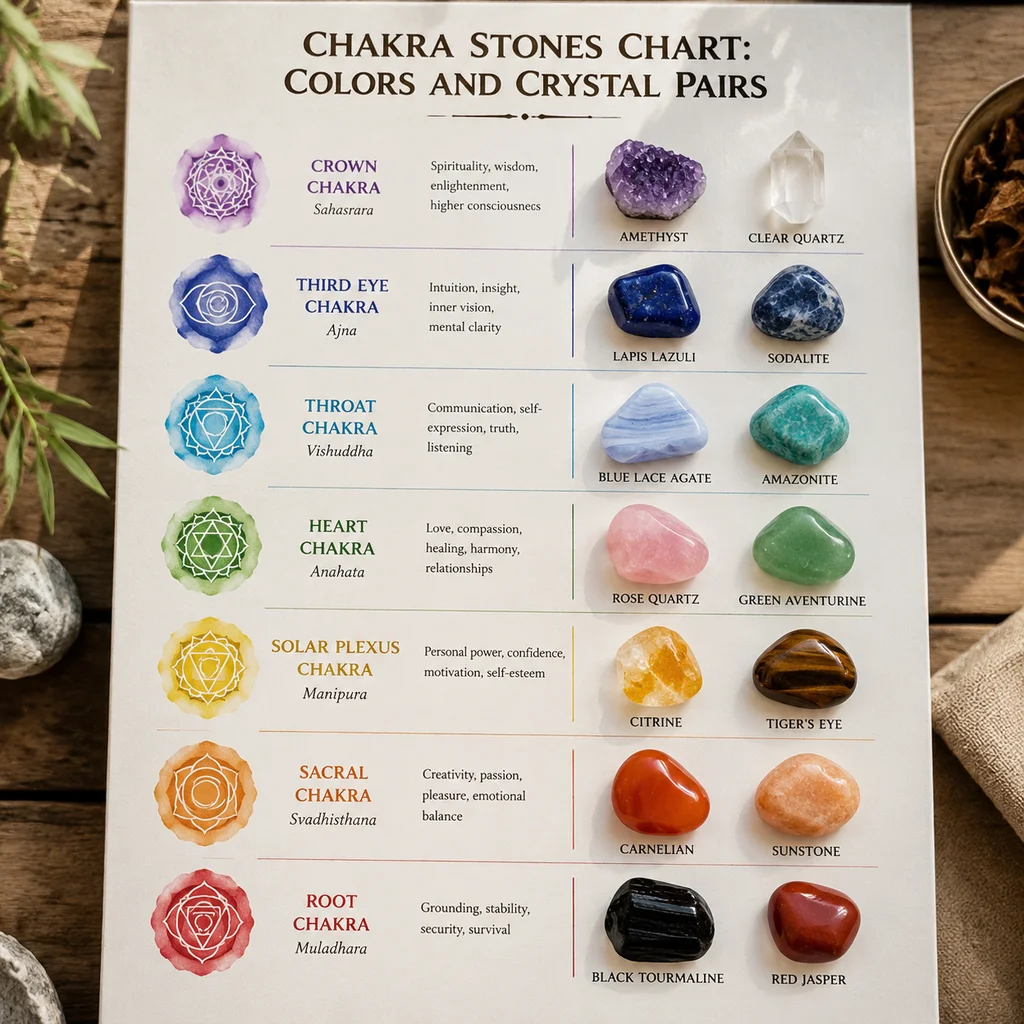
When seeking to harmonize and balance the Sacral Chakra, certain crystals rise to the surface, their radiant hues and inherent properties offering guidance and healing. Here are some top crystals that resonate with the Sacral Chakra:- Carnelian (Orange Passion) - This stone ignites the fires of passion and rekindles the zest for life. Its warm, orange hues stimulate the Sacral Chakra, fostering a sense of connection and joy.
- Orange Calcite (Creative Flow) - With a striking orange glow, this stone promotes creativity and artistic expression. It encourages a smooth flow of energy, nurturing a sense of harmony and balance.
- Moonstone (Intuition) - This ethereal stone amplifies intuition and empathy. Its luminescent sheen inspires emotional healing and deepens our connection to our innermost feelings.
- Sunstone (Joy) - Known for its radiant, golden sparkle, this crystal instills joy and a positive outlook on life. It is an excellent stone for those seeking to infuse their daily lives with a touch of sunlight.
- Tiger's Eye (Confidence) - This dynamic stone boosts confidence and assertiveness. Its striking patterns encourage clarity of thought and help us navigate the emotional waters with poise.
- Peach Aventurine - A gentle stone with a soft, peach hue, this crystal fosters emotional balance and stability. It is particularly useful for healing and releasing past emotional wounds.
Daily Practice: Nurturing Your Sacral Chakra
Integrating these crystals into your daily routine can support the health of your Sacral Chakra and enhance your overall well-being. Here are some practical ways to use these stones:- Wear the crystals as jewelry or place them around your living or workspace.
- Meditate with the crystals by holding them in your hands or placing them in a specific area of your body.
- Incorporate crystals into your yoga or dance practice, using their energies to ground and invigorate your movements.
- Inhale the scents of essential oils with crystal-infused reed diffusers, creating an environment conducive to Sacral Chakra healing.
Cultural Insight: The Chakra System's Rich Heritage
The concept of the chakra system is deeply rooted in the rich tradition of Hinduism. Originating in ancient India, the chakra system is a model for understanding the subtle energies within the body. Each chakra corresponds to a different aspect of life, representing various emotional, psychological, and spiritual experiences. The Sacral Chakra, Svadhisthana, is the second chakra in this system, located in the lower abdomen. It is often associated with the element of water and governs the area from the base of the spine to the navel. This chakra is considered to be the center of emotions, creativity, and pleasure, connecting us to the emotional and physical aspects of life.Meditation Guidance: Aligning with Your Inner Waters
To enhance your connection to the Sacral Chakra and invite balance into your life, here's a meditation guide that combines visualization and the use of crystal energy:Find a comfortable and quiet space to sit or lie down. Close your eyes and take several deep, grounding breaths.
-
Visualize a beautiful river flowing within your lower abdomen, its waters a vibrant orange, symbolizing the energy of the Sacral Chakra.
-
Place a Sacral Chakra-friendly crystal on your abdomen, allowing its energy to blend with your own.
-
Visualize light from the crystal entering the river, illuminating your emotional landscape and clearing away any blocks or obstacles.
-
With each breath, allow the water of the river to flow gently around your chakra, cleansing and revitalizing its energy.
-
Consciously invite feelings of joy, creativity, and passion into your life, embracing the gifts of the Sacral Chakra.
-
When you're ready, slowly bring your awareness back to the present, feeling grounded and energized by your Sacral Chakra meditation.
Conclusion: Embracing the Flow
The Sacral Chakra, with its dynamic energies and profound significance, is a cornerstone of our emotional and creative selves. By using the power of crystal allies and engaging in mindful practices, we can unlock the potential of this vital chakra, fostering emotional balance, creativity, and a zest for life. Remember, while crystals are often used in the practice of crystal healing, it is essential to approach them as companions to our spiritual and physical journeys rather than as substitutes for medical treatment.Geological Formation
The Svadhisthana Chakra crystal, commonly known as Moonstone, is formed through a geological process known as the hydrothermal alteration of feldspar minerals. Its chemical composition primarily consists of potassium, aluminum, silicon, and oxygen, with varying amounts of magnesium and iron contributing to its color. The crystal system of Moonstone is triclinic, which means it has three axes of unequal length and angles that are not right angles. The formation of Moonstone occurs in hydrothermal veins, where hot water rich in minerals seeps into cracks in the earth's crust. Over time, as the water cools, the minerals precipitate out, forming the characteristic layered structure of Moonstone.Color Varieties and Origins
Moonstone exhibits a wide range of colors, primarily white, gray, blue, and peach, with a shimmering iridescence that is often referred to as "rainbow sheen." The white and gray varieties are typically formed in pegmatites, while the blue and peach hues are more commonly found in rhyolitic lavas. The iridescence is caused by the interference of light on the tiny, interlocking layers of feldspar within the crystal. The blue color, known as "blue moonstone," is often attributed to the presence of iron and magnesium, while the peach color, or "sacred moonstone," is believed to result from the presence of manganese.How to Identify Quality Specimens
When purchasing Svadhisthana Chakra crystals, there are several factors to consider to ensure you are getting a quality specimen. Look for crystals that are transparent or translucent, with vibrant and clear iridescence. Avoid crystals with cracks, chips, or other signs of damage, as these can reduce the crystal's integrity and energy. The weight of the crystal can also be an indicator of quality; heavier crystals often have a higher mineral content. Be wary of overly polished or treated stones, as this can alter their natural appearance. A reputable seller should be able to provide information about the origin and geological formation of the crystal.Care and Maintenance Guide
To maintain the integrity and energy of your Svadhisthana Chakra crystal, it is important to follow proper care and maintenance guidelines. Begin by cleaning the crystal with lukewarm water and a soft cloth to remove any dirt or oils. Avoid using harsh chemicals or abrasive materials, as these can damage the crystal's surface. Store your Moonstone in a cool, dry place away from direct sunlight, as prolonged exposure to light can fade the iridescence. It is also beneficial to periodically charge your crystal by placing it on a windowsill or under moonlight to replenish its energy.Frequently Asked Questions
Q: Can Moonstone be used for healing purposes?
A: While Moonstone is often associated with spiritual and emotional healing, keep in mind that it is not a substitute for medical treatment. Many people use Moonstone for its metaphysical properties, but it should not be considered a replacement for professional healthcare.
Q: How often should I cleanse my Moonstone crystal?
A: It is recommended to cleanse your Moonstone crystal at least once a month. This can be done through methods such as moonlight, running water, or using sage smudging. However, if the crystal becomes particularly dirty or dull, you may need to cleanse it more frequently.
Q: Can I wear Moonstone jewelry every day?
A: Yes, you can wear Moonstone jewelry every day. However, it is important to remove it before engaging in activities that could cause damage, such as swimming or heavy lifting.
Q: How can I tell if my Moonstone is genuine?
A: Genuine Moonstone can be identified by its unique iridescence, which is caused by the interference of light on the crystal's internal layers. It should also feel smooth to the touch and have a pearly luster. Be cautious of stones that are overly polished or treated, as these may not be genuine.
Q: Can Moonstone be used in meditation?
A: Yes, Moonstone is often used in meditation for its calming and grounding properties. It is believed to help connect one with their intuition and emotional well-being, making it a popular choice for meditation practices focused on self-reflection and emotional healing.
Related Crystals
- Amber: Known for its warm, golden hues, Amber is often associated with the solar plexus chakra. It is believed to bring clarity and enhance personal power.
- Lapis Lazuli: With its vibrant blue and gold coloration, Lapis Lazuli is often linked to the third eye chakra. It is thought to stimulate insight and encourage self-expression.
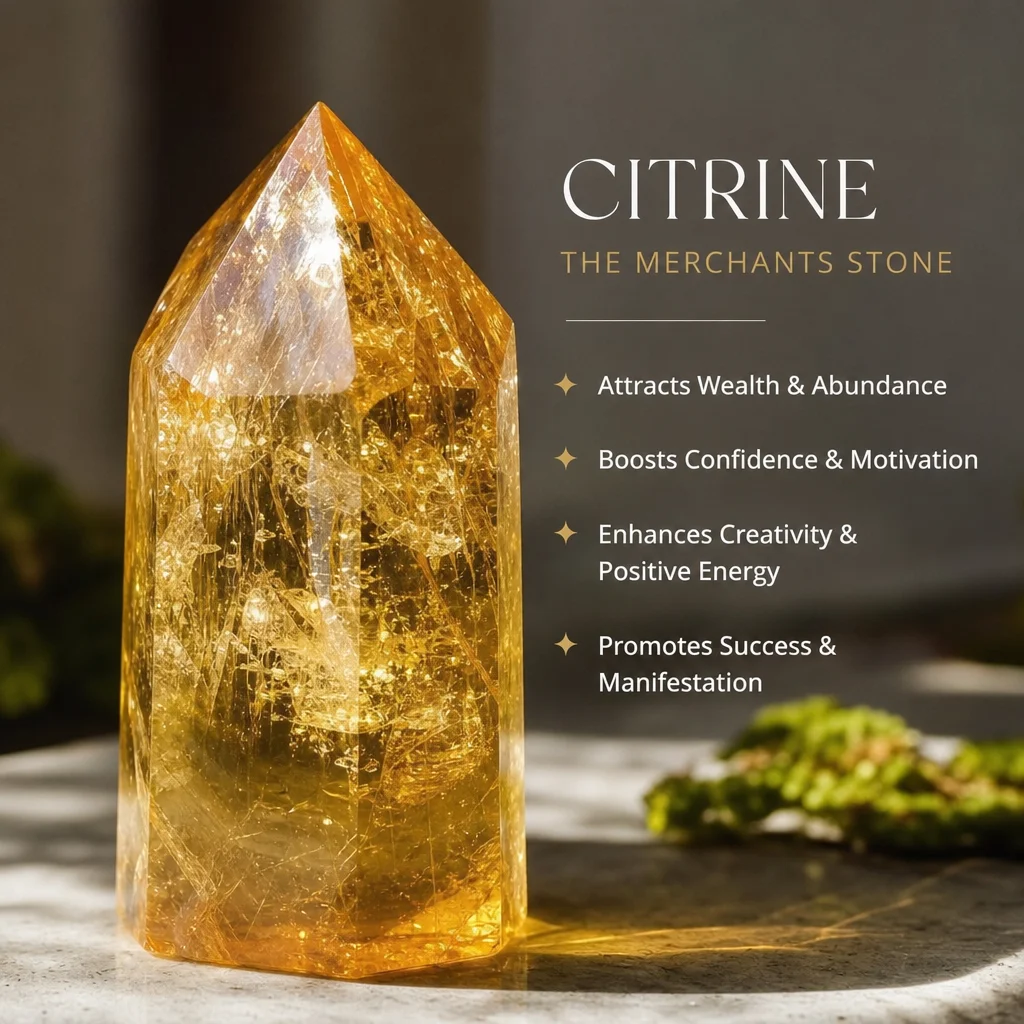
- Citrine: This bright yellow crystal is associated with the solar plexus chakra and is believed to promote joy and abundance.
- Rose Quartz: Known for its soft pink hue, Rose Quartz is often used to open and heal the heart chakra. It is thought to foster love, compassion, and emotional balance.


Comments