How to Unblock Your Sacral Chakra: 5 Crystal Met
June 3, 2026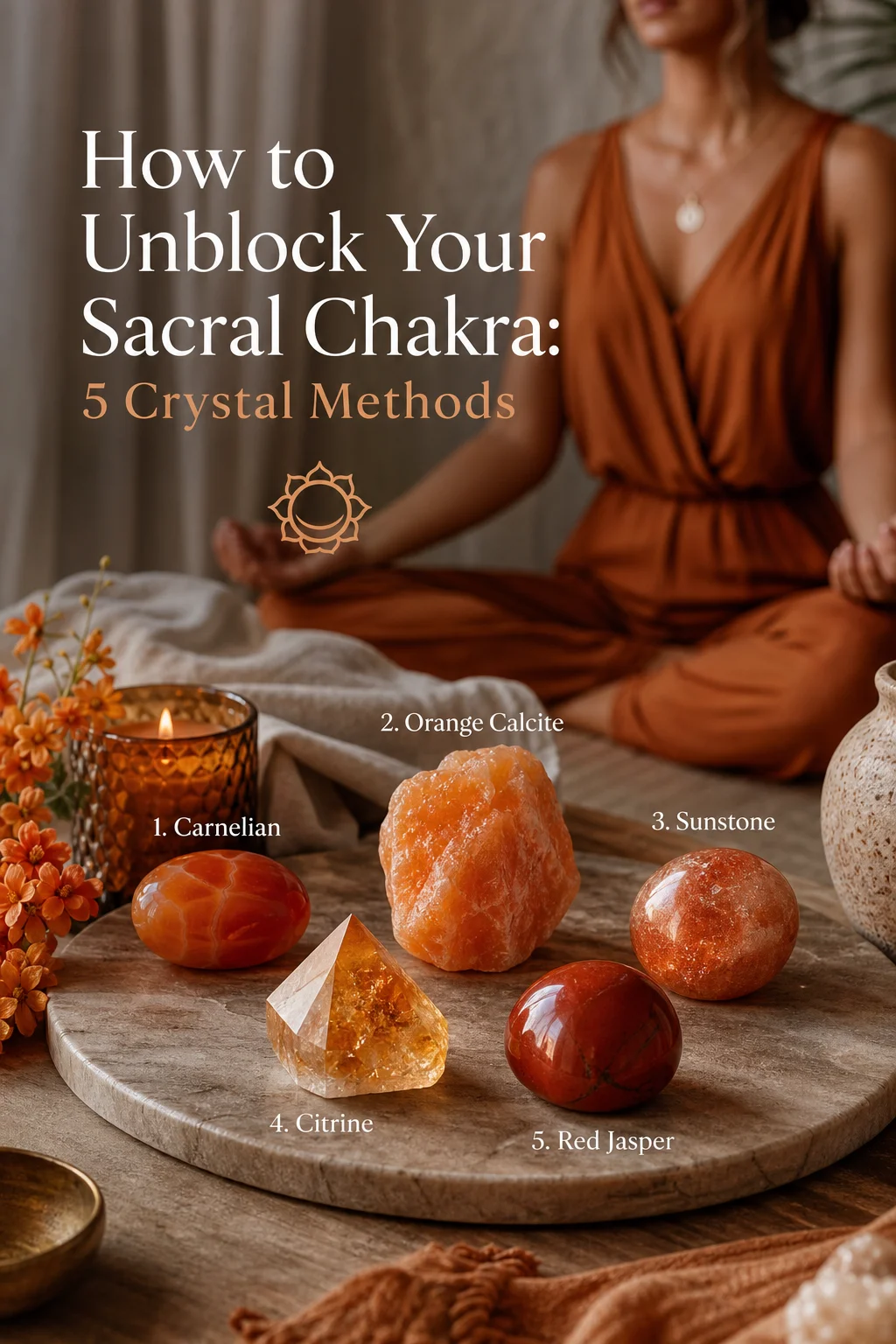
Understanding the Sacral Chakra (Svadhisthana)
The sacral chakra, called Svadhisthana in Sanskrit, is traditionally located in the lower abdomen, roughly two inches below the navel. It is the second of the seven primary chakras and is associated with the element of water, the color orange, and themes of creativity, emotional expression, sexuality, and pleasure. In crystal healing traditions, when this energy center is described as "blocked" or "imbalanced," practitioners typically point to experiences of creative stagnation, emotional flatness, difficulty feeling pleasure, or a sense of disconnection from one's own desires.
keep in mind that chakra theory is a traditional framework rooted in Hindu and yogic philosophy, not a medically recognized concept. Crystals will not treat or cure medical conditions related to the pelvic region, reproductive system, or emotional disorders. What they can do—practically speaking—is serve as tools for mindfulness, creative stimulation, and self-reflection rituals that help you focus attention on specific areas of your life that may need attention.
Signs Your Sacral Chakra May Need Attention
Before diving into crystal methods, it helps to understand the framework. In chakra theory, sacral imbalances manifest in two directions:
Underactive (blocked): difficulty expressing emotions, feeling emotionally numb or "flat," loss of interest in creative activities that used to bring joy, social withdrawal, low libido, resistance to change, chronic boredom, difficulty experiencing pleasure from normally enjoyable activities.
Overactive: emotional reactivity (mood swings, tears over small things), co-dependency in relationships, obsessive attachment to pleasure-seeking, creative ideas that never get executed (all inspiration, no discipline), addictive behaviors around food, substances, or relationships.
The crystal methods below are oriented toward the underactive pattern—helping to gently stimulate and "warm up" the sacral area. If you suspect you are dealing with overactive patterns, the approach would shift toward grounding stones (hematite, black tourmaline) rather than the warming, stimulating stones recommended here.
Method 1: Carnelian Crystal Meditation (Primary Technique)
Carnelian is the stone most consistently associated with the sacral chakra across nearly all crystal healing traditions, and there are practical reasons for this beyond esoteric claims. Carnelian's warm orange-to-red color matches the sacral chakra's color association, which means it serves as a strong visual cue during meditation. More importantly, carnelian is a stone that many people find visually energizing—its warm tones are stimulating in a way that aligns with the sacral chakra's themes of creativity and vitality.
The practice: Lie on your back in a comfortable position. Place a tumbled carnelian stone (roughly 2-3cm) directly on your lower abdomen, about two inches below the navel. Close your eyes and take slow, deep breaths for 5-10 minutes. As you breathe in, imagine drawing warm orange light into your lower belly. As you breathe out, release tension. The physical weight and warmth of the stone against your body creates a sensation that anchors your attention to that specific area, which is the entire point—focused body awareness in the sacral region.
Start with 5-minute sessions and gradually extend to 15 minutes as you become more comfortable with the practice. Carnelian is affordable ($4-10 for a tumbled stone) and widely available, making it accessible for daily practice.
Method 2: Water Rituals with Moonstone
Since the sacral chakra is associated with the water element, practices involving water are particularly aligned with this energy center. Moonstone (a feldspar mineral that displays adularescence—a soft, floating light effect) is traditionally associated with water, the moon, and emotional cycles, making it a natural pairing with sacral water rituals.
The practice: Fill a small bowl with room-temperature water and place a moonstone (tumbled or rough, NOT a jewelry piece) in the water. Let it sit for 10-15 minutes while you engage in a creative activity—writing, drawing, playing music, or even cooking. Afterward, remove the stone, dry it, and use the water to water a plant (do not drink it—the stone may have surface treatments or mineral traces not suitable for ingestion). The act of pairing water with a creative activity creates a ritual structure that many people find helpful for breaking through creative blocks.
Important note: Moonstone is relatively hard (Mohs 6-6.5) and can handle brief water exposure, but prolonged soaking is not recommended. A 10-15 minute ritual dip is fine. Always dry the stone afterward and store it properly.
Method 3: Citrine Creative Warm-Up
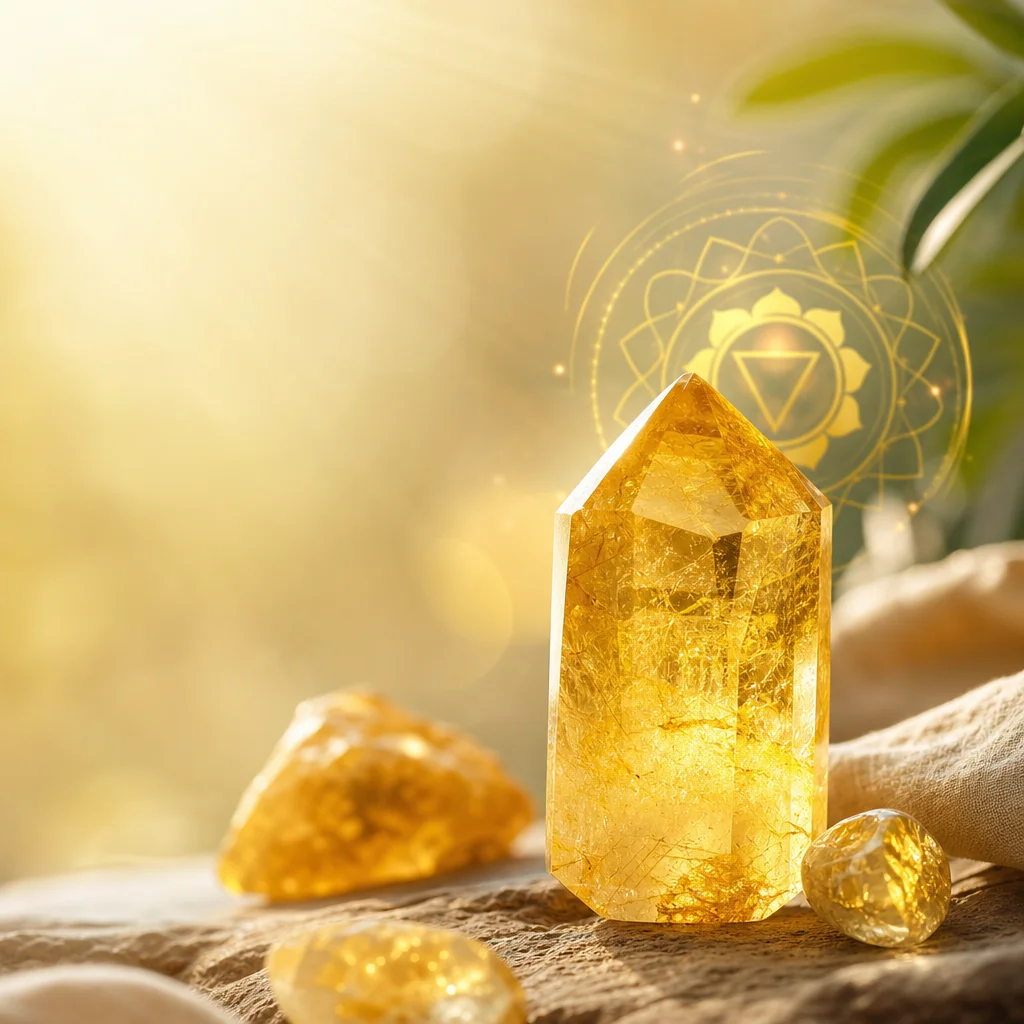
Citrine's warm yellow-to-amber color sits between the solar plexus chakra (yellow) and the sacral chakra (orange), which means it bridges the energy of personal power and creative expression. For sacral work specifically, citrine is often used as a creative warm-up stone—something to engage with before starting a creative project to shift the mind from analytical mode into generative mode.
The practice: Before beginning a creative task (writing, painting, brainstorming, designing), spend 3-5 minutes with a citrine stone. Hold it in your dominant hand, roll it between your fingers, and focus on the warm yellow-orange color. Then set the stone on your desk or workspace where you can see it while you work. The stone serves as a visual anchor—a warm, bright object that your peripheral vision can register throughout the creative session, keeping the mind in a generative rather than critical mode.
This method is less about meditation and more about environmental design. Having warm-colored, visually stimulating objects in your creative workspace is a practice shared by artists and designers across many traditions, not just crystal work.
Method 4: Orange Calcite Body Layout
Orange calcite (CaCO₃, calcium carbonate) is a soft stone (Mohs 3) that comes in vivid orange to yellow-orange colors. Its softness means it is not suitable for jewelry but works well for body layouts—placing stones directly on the body during rest or meditation. The vivid orange color is the most saturated of all sacral chakra stones, providing a strong visual cue.
The practice: Lie down comfortably and place one orange calcite stone on your lower abdomen (sacral area) and a second one about 4 inches below the first (closer to the pubic bone). Close your eyes and focus on the warmth and weight of the stones for 10-15 minutes. Orange calcite is relatively light, so the physical sensation is gentle rather than heavy—but the vivid orange color is the primary anchor here, especially if you practice with eyes half-open.
Because orange calcite is soft, handle it carefully. It can be scratched by other stones and should be stored separately from harder specimens. Brief contact with skin during a body layout is fine, but avoid water exposure.
Method 5: Sacral Chakra Bracelet for Daily Wear
Perhaps the most practical long-term method is wearing a sacral chakra bracelet as part of your daily routine. A sacral bracelet typically combines carnelian beads with orange aventurine, sunstone, or tiger's eye in warm orange tones. The advantage of a bracelet is that it provides continuous, low-level stimulation—you see the warm colors on your wrist throughout the day, feel the stones against your skin, and have a tangible reminder of your intention every time you look at your wrist.
For the sacral chakra specifically, wearing the bracelet on the left wrist (the "receiving" side in traditional energy work) is generally recommended. But this is a convention, not a rule—wear it wherever it is comfortable and visible to you.
When choosing a sacral bracelet, look for genuine carnelian beads (not dyed howlite or dyed agate, which are common substitutes). Genuine carnelian has a translucent quality when held up to light and shows natural color variation. Dyed stones look unnaturally uniform in color.
Building a Daily Sacral Care Routine
The most effective approach combines multiple methods rather than relying on a single technique. Here is a practical daily framework:
- Morning: 5-minute carnelian meditation (stone on lower abdomen, focused breathing)
- During creative work: citrine on desk as visual anchor
- Throughout the day: sacral bracelet on wrist
- Evening: moonstone water ritual or orange calcite body layout (10-15 minutes)
This layered approach means the sacral chakra theme is present in your awareness throughout the day in different forms: direct body awareness (morning meditation), environmental design (citrine on desk), continuous reminder (bracelet), and winding-down ritual (evening practice).
Crystals to Avoid for Sacral Work
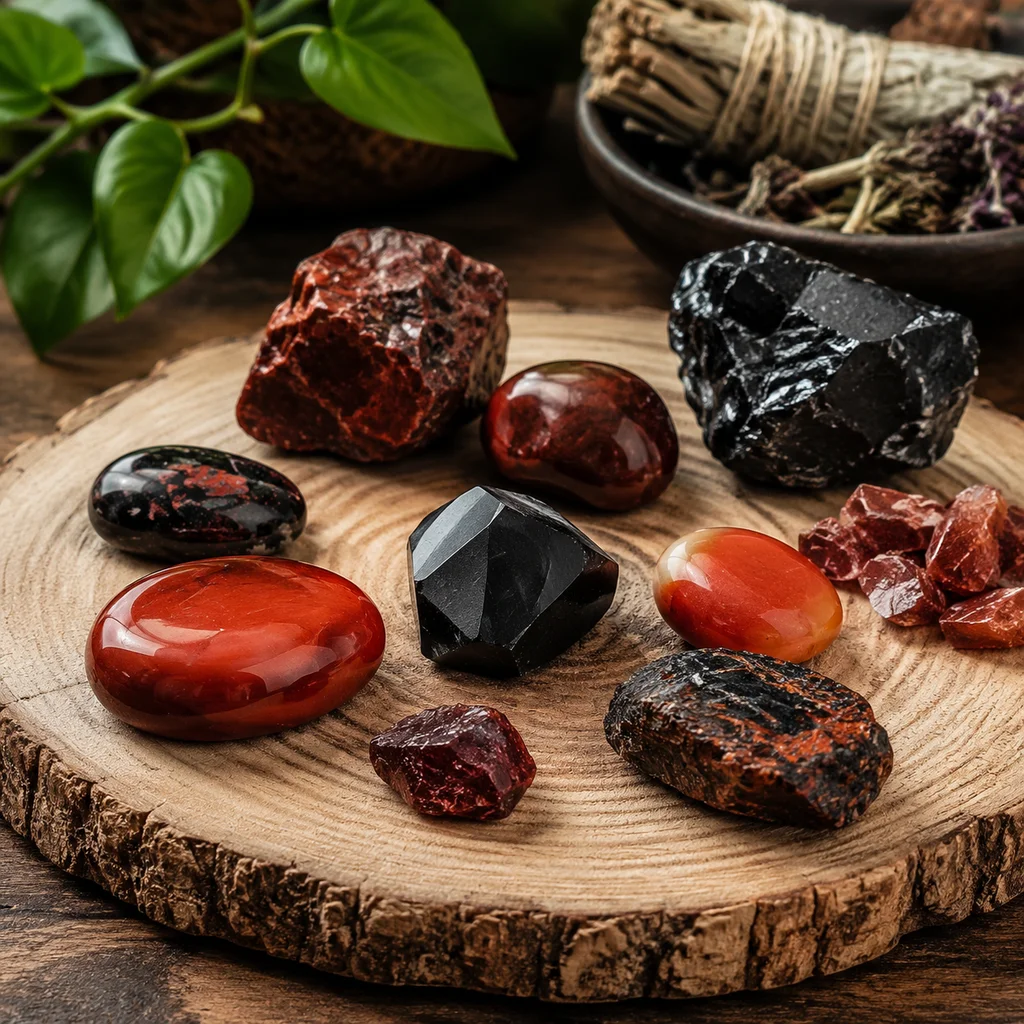
Dark, grounding stones (black tourmaline, obsidian, hematite) are generally not recommended for sacral chakra work because their heaviness and darkness can further suppress the qualities you are trying to activate—warmth, creativity, emotional flow, and vitality. Save these stones for root chakra grounding or for when you need to calm an overactive sacral chakra.
Similarly, very hard, cold-feeling stones (diamond, sapphire) can feel incongruent with the warm, fluid qualities associated with the sacral chakra. This is subjective, but many practitioners report that warm-colored, warm-feeling stones work best for sacral practices.
Frequently Asked Questions
How long does it take to unblock a sacral chakra with crystals?
This varies. Some people notice a shift in their creative energy and emotional responsiveness within a few days of consistent practice. For others, it may take several weeks. The key factor is consistency—daily practice is far more effective than sporadic, intensive sessions.
Can I use essential oils alongside sacral crystal work?
Yes. Sweet orange, ylang-ylang, and sandalwood essential oils are commonly paired with sacral chakra work. Apply diluted oil to your lower abdomen before meditation, or diffuse during your practice. Do not apply undiluted essential oils directly to skin, and avoid use if pregnant or nursing without medical guidance.
Is sacral chakra work safe during pregnancy?
Crystal body layouts that place weight on the lower abdomen are generally not recommended during pregnancy. However, wearing a sacral bracelet or keeping carnelian on your desk is fine. Always consult with your healthcare provider about any new practices during pregnancy.
Frequently Asked Questions
What are the best crystals for the sacral chakra?
The best crystals for the sacral chakra are typically orange stones that resonate with the lower abdomen. At SagStone, we love using Carnelian to boost vitality and passion, Moonstone for emotional balance, and Orange Calcite to awaken creativity. Citrine is another excellent choice for bringing joyful, warm energy into your daily artistic endeavors and personal relationships.
Can I wear sacral chakra jewelry every day?
Absolutely! Wearing a handcrafted sacral chakra bracelet daily is one of the easiest ways to keep your creative and emotional energy flowing. By wearing genuine Carnelian or Moonstone against your skin, you allow the stones' natural vibrations to interact continuously with your body's energy field. It serves as a beautiful, wearable reminder to embrace your passions and stay emotionally balanced.

Comments