12 Crystals to Boost Your Creative Flow
June 5, 2026
The Connection Between Crystals and Creative Energy
Every artist, writer, musician, and creator has experienced it: that frustrating state where ideas feel blocked, the well seems dry, and no amount of forcing produces anything worthwhile. Creative blocks are not just psychological — they often have physical components too, including tension, fatigue, and scattered mental energy. For centuries, cultures around the world have associated certain minerals and stones with creative awakening, using them as focal points during artistic practice.
The connection between specific crystals and creativity often traces back to traditional associations with the sacral chakra (the energy center linked to passion, flow, and creative expression) and the solar plexus chakra (linked to confidence and personal power in sharing your work). In crystal traditions, stones with warm tones — oranges, yellows, golds — are frequently connected to creative fire, while blue and purple stones are associated with the clarity of thought needed to express ideas effectively.
What follows is a practical guide to 12 crystals commonly linked with creativity, organized by the type of creative challenge they are traditionally used to address. Whether you paint, write, compose music, design, or engage in any other form of creative work, you will find stones here that match your specific needs.
Carnelian: The Classic Creativity Stone
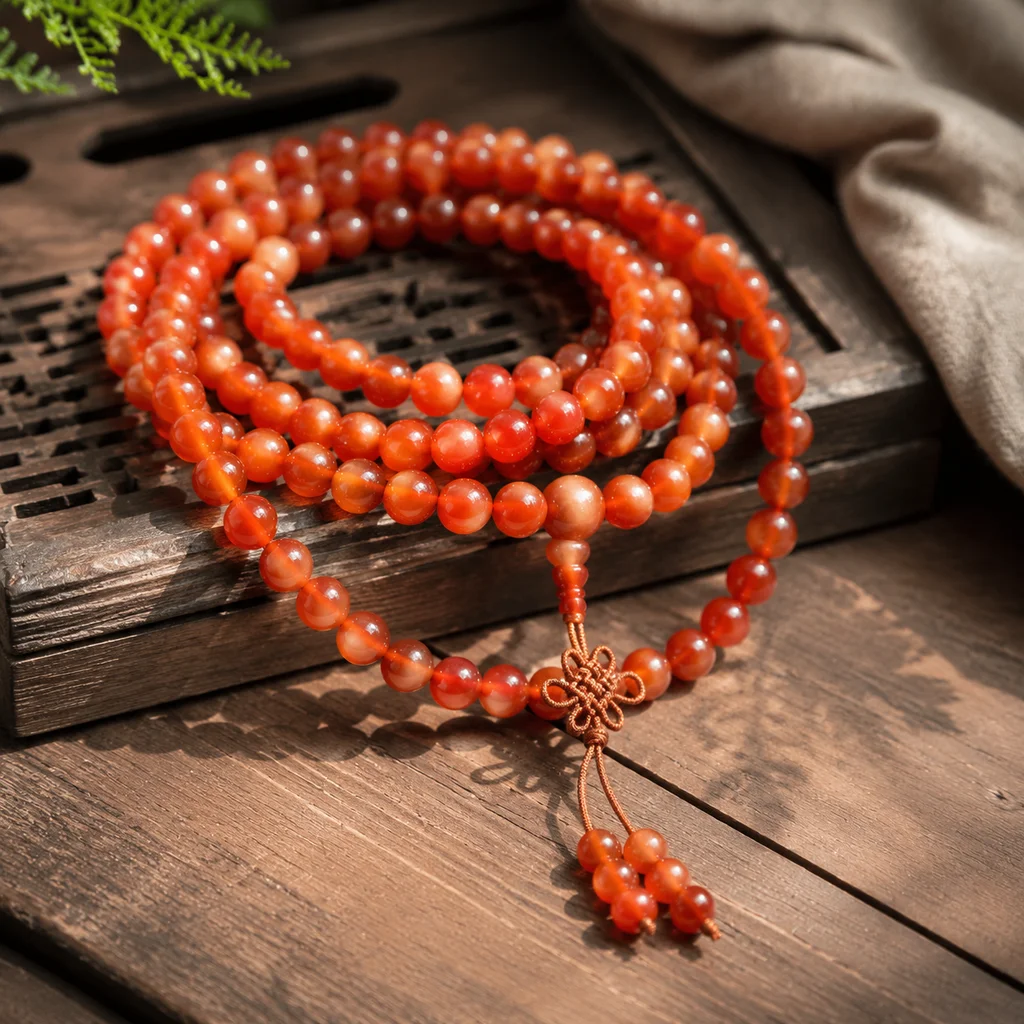
If there is one stone most consistently associated with creative energy across traditions, it is carnelian. This translucent orange-to-red variety of chalcedony has been used as a creative talisman since ancient Egypt, where artisans carved amulets from it and believed it stimulated bold, uninhibited expression.
Carnelian is traditionally linked to the sacral chakra, the energy center associated with passion, flow, and creative drive. When you feel creatively numb or apathetic — when you have the skills but not the motivation — carnelian is often recommended as the go-to stone. Its warm orange color is visually energizing, and many artists keep a piece on their desk or workspace as a constant creative companion.
Practically, carnelian is affordable and durable (Mohs 6.5-7), making it easy to wear as a bracelet or pendant during creative work. Place a tumbled piece near your computer, paint station, or music setup as a visual and tactile anchor to your creative intentions. Hold it briefly before starting a session to create a ritual transition from everyday thinking into creative mode.
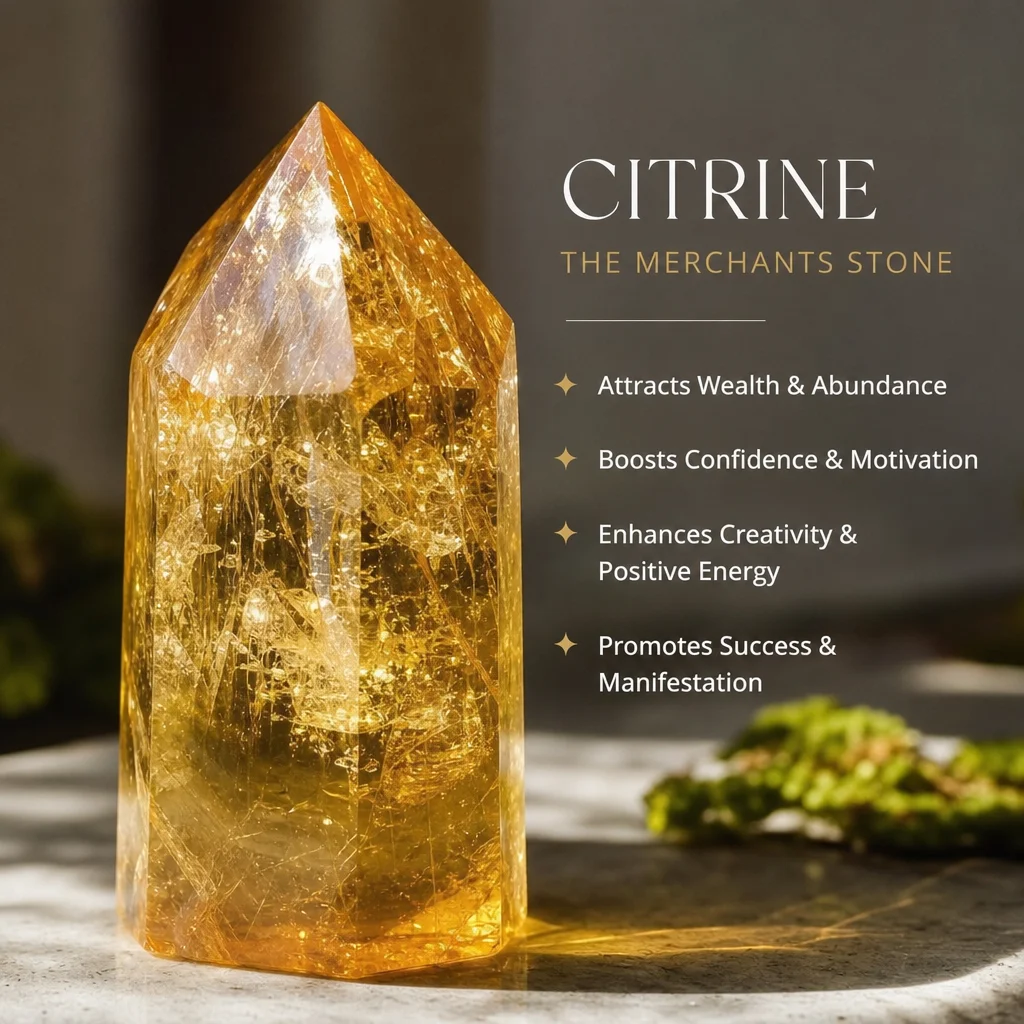
Citrine: Confidence in Sharing Your Work
Many creative blocks are not about generating ideas — they are about the fear of sharing them. Citrine, with its warm yellow-to-gold coloration, is traditionally associated with the solar plexus chakra and the qualities of personal confidence, self-expression, and optimism. For artists who struggle with self-doubt, perfectionism, or fear of judgment, citrine is often turned to as a supportive stone.
Natural citrine is relatively rare — most commercial citrine is actually heat-treated amethyst, which produces a similar warm yellow color. Both natural and treated varieties carry the same traditional associations in crystal practice. Citrine is also one of the few stones that is not traditionally "cleansed" in crystal work — it is believed to hold and amplify energy without absorbing negativity.
Keep a citrine piece on your desk when you are working on pieces intended for public display or publication. Some writers keep a small citrine near their laptop as they draft, and musicians place it on amplifiers or music stands. The visual warmth of the stone serves as a constant reminder to create boldly rather than self-censor.
Orange Calcite: Easing Into Creative Flow
Calcite in its orange form is a gentle, warming stone that many practitioners associate with removing creative blocks by dissolving the mental tension and overthinking that prevents ideas from flowing naturally. Unlike carnelian's fiery energy, orange calcite is more like a slow, steady thaw — it is associated with relaxation, creative openness, and the release of perfectionist patterns.
Orange calcite has a Mohs hardness of only 3, making it quite soft and easy to scratch. This means it is better suited as a desktop stone than as everyday jewelry. Place a chunk on your workspace where it catches ambient light — its warm color is uplifting. Handle it during breaks, turning it over in your hands while letting your mind wander. The tactile engagement combined with the visual warmth creates a brief meditative pause that often precedes creative breakthroughs.
Sunstone: Igniting Passion and New Ideas
Sunstone is a plagioclase feldspar with distinctive inclusions of goethite, hematite, or copper that create a shimmering, aventurescent effect — tiny flashes of light that move across the surface as you turn the stone. This visual quality is why sunstone is associated with sparking new ideas and revitalizing stalled projects.
In crystal tradition, sunstone is linked to leadership, vitality, and the courage to pursue unconventional ideas. For artists working on experimental or boundary-pushing projects, sunstone represents the energy of creative risk-taking. It is less about generating a high volume of ideas and more about having the boldness to pursue unusual ones.
Sunstone pairs well with carnelian in a workspace arrangement — carnelian provides the steady creative drive, while sunstone adds flashes of unconventional inspiration. Both are hardy stones suitable for daily handling.
Lapis Lazuli: Deep Thinking and Expressive Clarity
Lapis lazuli takes a different approach to creativity. Rather than the fiery, energizing qualities of orange stones, lapis lazuli is associated with deep intellectual clarity, structured thinking, and articulate self-expression. For writers, analysts, designers who work with complex systems, and any creator whose work depends on organizing and communicating ideas, lapis lazuli has been a go-to stone for millennia.
The ancient Egyptians prized lapis lazuli above almost all other materials — it was used in the funeral mask of Tutankhamun and ground into pigment for the most expensive blue paint in Renaissance art. Its deep blue color with flecks of gold pyrite has an inherently contemplative quality that many artists find helpful during the editing, refining, and polishing phases of creative work.
When you have plenty of ideas but struggle to organize them, or when your creative work requires clear communication rather than raw expression, lapis lazuli is traditionally the appropriate choice. Keep it near your workspace during drafting, revision, and any stage that demands mental clarity rather than creative abandon.
Labradorite: Seeing Connections and Unexpected Combinations
Labradorite is famous for its labradorescence — an optical effect where flashes of blue, green, gold, and sometimes purple appear and disappear as you rotate the stone. This quality is why labradorite is associated with seeing hidden connections, recognizing patterns, and making creative leaps that others might miss.
For creators who work across disciplines — mixed media artists, interdisciplinary designers, writers who blend genres — labradorite represents the ability to synthesize ideas from different sources into something new. Its energy is described as illuminating: it does not generate ideas from scratch but reveals the connections between existing ones.
Keep a labradorite piece where you can see and handle it during brainstorming sessions. The shifting colors serve as a physical metaphor for the creative process itself — different perspectives revealing different possibilities.
Amazonite: Speaking Your Creative Truth
Amazonite, a blue-green variety of microcline feldspar, is traditionally associated with authentic self-expression and the courage to share creative work that feels personal or vulnerable. Many artists struggle not with creating but with the act of putting their work into the world — submitting manuscripts, exhibiting paintings, releasing music. Amazonite is linked to the throat chakra and the energy of clear, honest communication.
If your creative block is specifically about sharing rather than making, amazonite may be the stone to work with. Its soothing blue-green color is calming without being sedating, and many practitioners find it helpful during the emotionally vulnerable process of publishing, exhibiting, or presenting creative work.
Tiger's Eye: Sustained Focus for Long Creative Projects
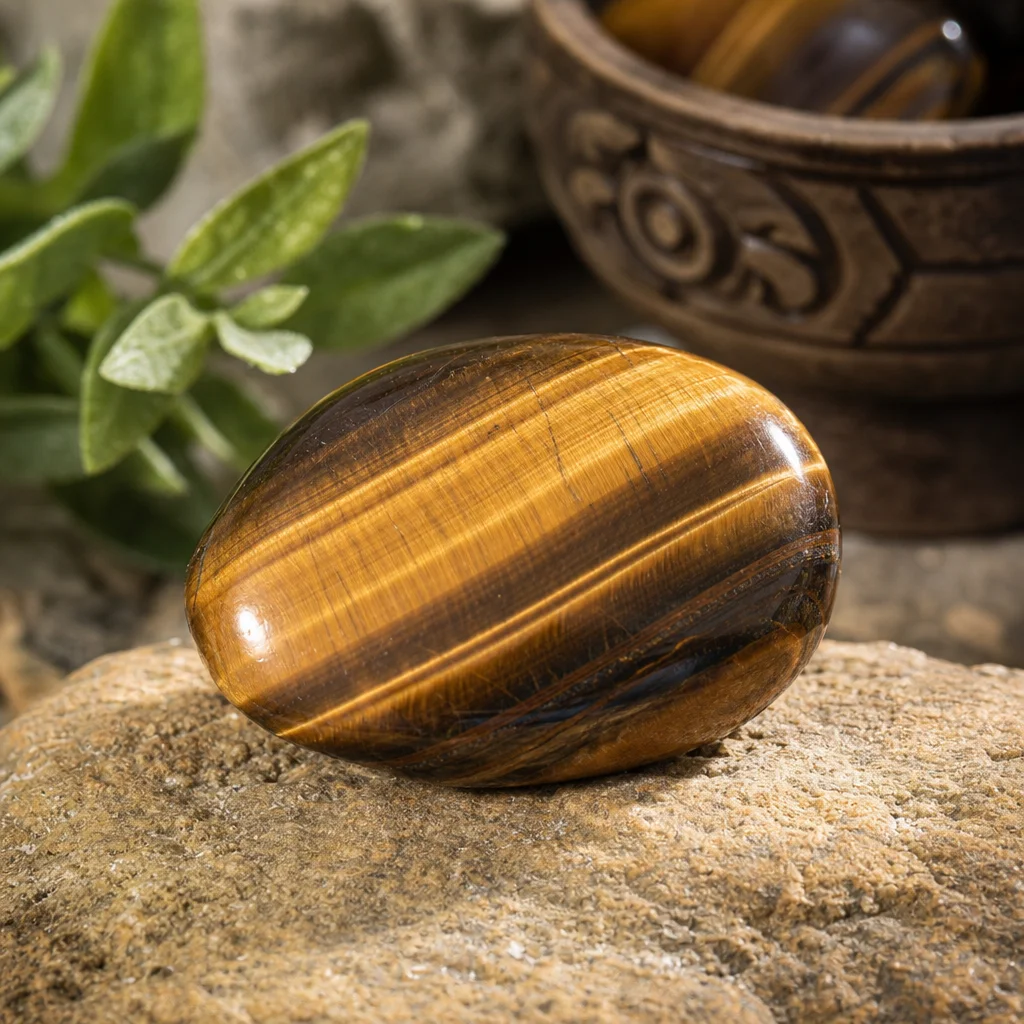
Not every creative challenge is about inspiration — sometimes the problem is stamina. Long-form projects like novels, large paintings, albums, and complex designs require sustained focus over weeks, months, or even years. Tiger's eye, with its distinctive golden-brown chatoyant bands, is traditionally associated with persistence, discipline, and the ability to maintain concentration through the tedious middle stretches of major projects.
Tiger's eye is one of the most practical stones in this list — it is hard, durable, affordable, and available in many forms. A tiger's eye bracelet worn during long work sessions serves as both a grounding presence and a tactile focus tool when attention starts to wander.
Setting Up a Creative Crystal Workspace
How you arrange crystals in your creative space matters less than consistency. The key principle is creating a physical environment that signals to your brain: "this is where I create." Some practical approaches that artists use:
Place your primary creativity stone (carnelian or citrine for most people) directly in front of your main work area. Add a secondary stone based on the type of work — lapis lazuli near writing stations, labradorite near brainstorming areas, tiger's eye on the desk during revision phases. Keep the arrangement simple: three to five stones maximum. Too many create visual clutter that can be counterproductive.
The physical act of arranging and touching your stones before a creative session can function as a brief grounding ritual that helps transition your mind from everyday mode into creative mode. This is not magic — it is a psychological anchoring technique that many artists find effective regardless of their beliefs about crystal energy.
When You Hit a Wall: Emergency Creative Unblock Techniques
Sometimes creative blocks resist every approach. In those moments, try this technique: hold a carnelian or orange calcite in your non-dominant hand, close your eyes for three minutes, and breathe slowly. Focus entirely on the physical sensation of the stone — its temperature, texture, weight. Do not try to think about your project. When you open your eyes, immediately begin working without allowing yourself to edit or judge what you produce. Give yourself permission to make bad work for ten minutes. Often, the block is not about lack of ideas but about the inner critic being too active too early in the process.
Rotate through different stones rather than relying on one. If carnelian is not working today, try lapis lazuli instead — shifting the visual and tactile stimulus can disrupt the mental pattern that is feeding the block. Walk away from your workspace entirely with a palm stone, and return only when you feel a genuine impulse to create rather than a sense of obligation.
Frequently Asked Questions
What is the best crystal for writers?
For writers, Labradorite is often recommended due to its ability to enhance focus and creativity, helping you to see connections and unexpected combinations in your writing.
Can crystals help with creative block?
Yes, crystals like Citrine can help alleviate creative block by boosting confidence and encouraging you to share your work, while Orange Calcite can ease you into a more creative state of mind.
Are there crystals that can help with artistic inspiration?
Sunstone is known for igniting passion and new ideas, making it a great crystal for artists seeking inspiration. It can help spark the creative flame within you.
Which crystal is best for visual artists?
Amazonite is highly favored by visual artists as it supports speaking your creative truth and can enhance your ability to see the world in new ways, fostering artistic vision.
How can I use crystals to enhance my creative meditation practice?
Using crystals like Lapis Lazuli during meditation can help deepen your thinking and promote expressive clarity, which can be particularly beneficial for those looking to explore their creative potential through meditation.
Comments