Root Chakra Crystals for Grounding
May 28, 2026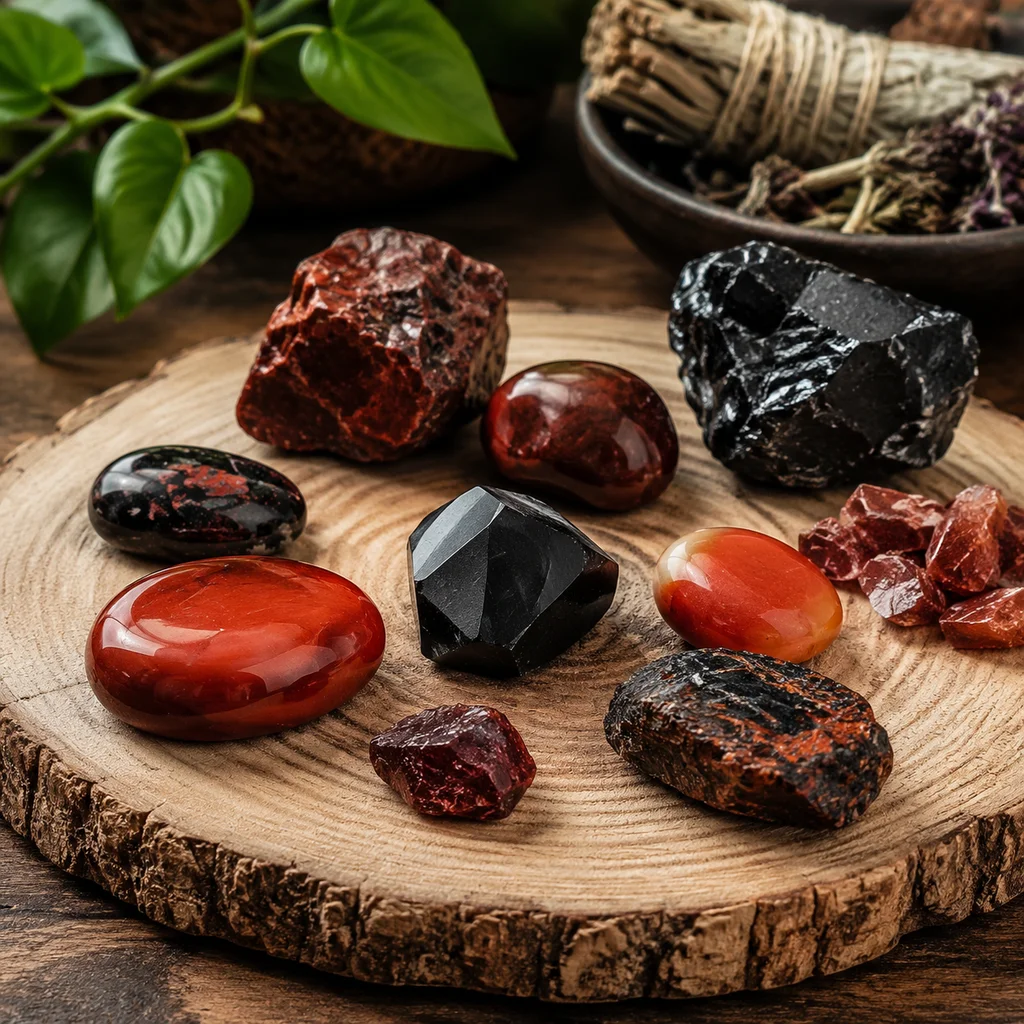
Understanding the Root Chakra (Muladhara)
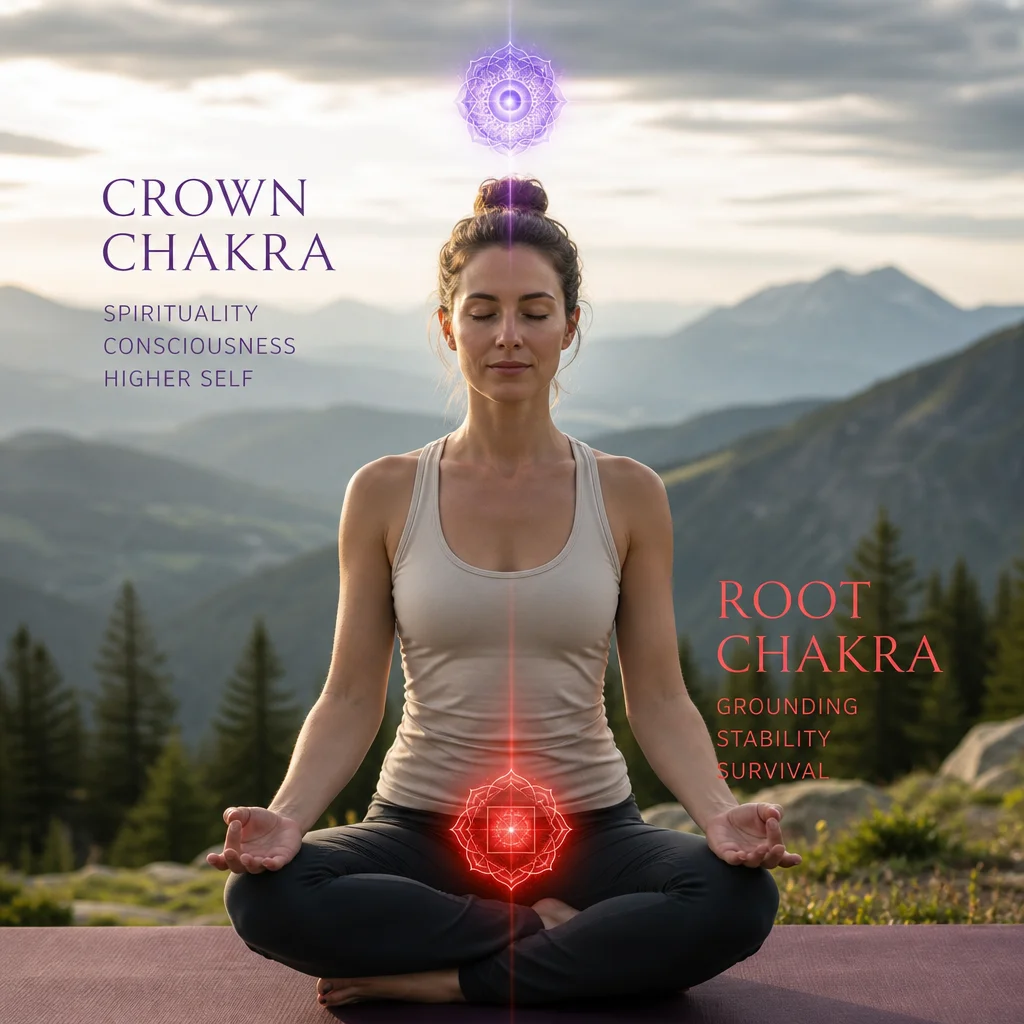
In the chakra system that originated in ancient India, the root chakra — called Muladhara in Sanskrit — sits at the base of your spine. "Mula" means root, "adhara" means foundation or support. It's the first of the seven primary chakras, and it's exactly what the name suggests: your foundation.
The root chakra is associated with your most basic survival needs: food, shelter, safety, financial security, and physical health. When people talk about feeling "grounded" or "ungrounded," they're describing the state of their root chakra in everyday language. If you've ever felt like you're floating through your days without direction, or if financial insecurity keeps you up at night, that's root chakra territory.
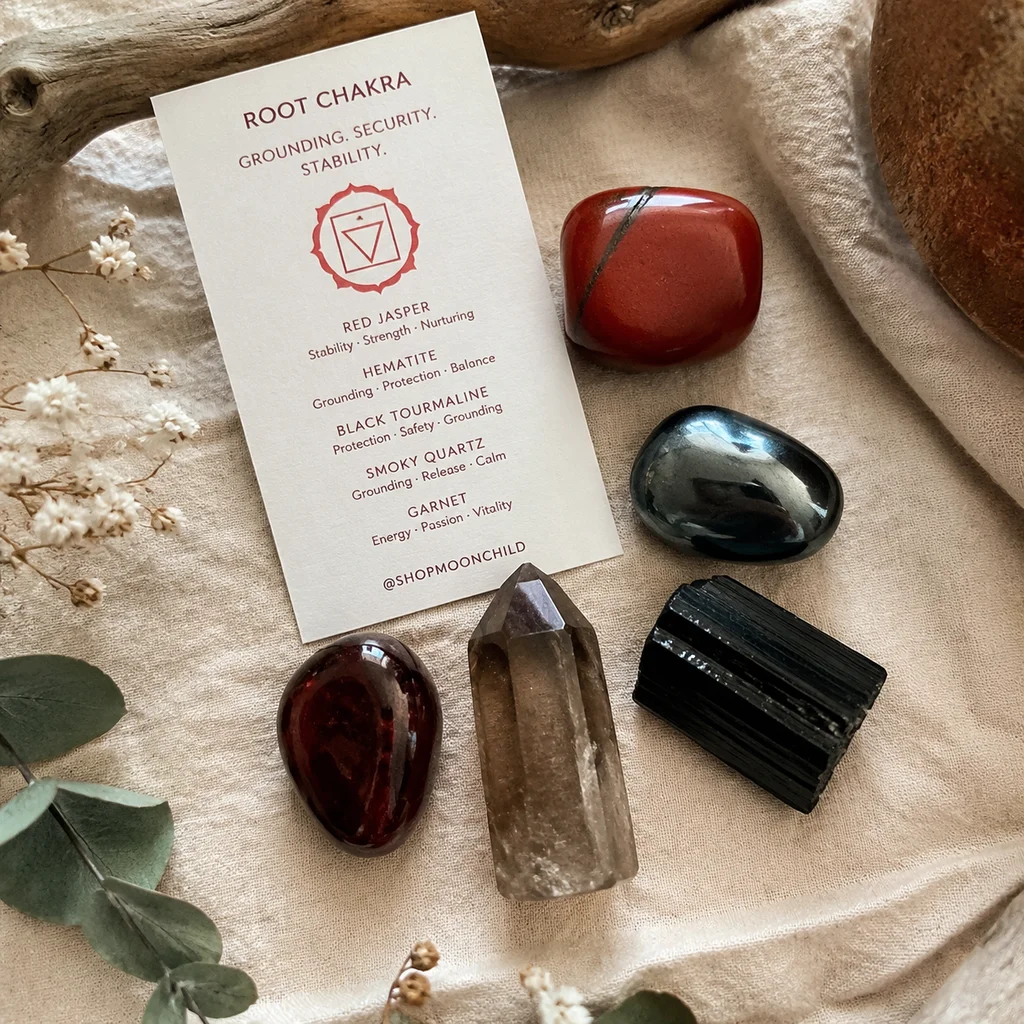
The color associated with Muladhara is red, which connects to the element of earth. In traditional depictions, the root chakra symbol is a four-petaled lotus containing a downward-pointing triangle — representing the grounding of energy into the earth.
Crystals are not a substitute for professional medical or mental health treatment.
Signs of a Blocked Root Chakra
Before diving into which crystals to use, it helps to recognize when your root chakra might be out of balance. Common indicators include:
Underactive Root Chakra
- Constant anxiety about money, safety, or basic survival
- Feeling disconnected from your body or physical surroundings
- Difficulty maintaining routines or structure in daily life
- Frequent daydreaming or inability to stay present
- Chronic fatigue or low energy that has no medical cause
- Feeling like you don't belong anywhere
Overactive Root Chakra
- Obsessive materialism or hoarding tendencies
- Resistance to change, even when change would be beneficial
- Excessive rigidity in routine
- Anger or aggression as a default response
- Overattachment to physical comfort and security
9 Crystals for the Root Chakra
1. Red Jasper
Red jasper is often called the "supreme nurturer" among grounding stones. Its deep, earthy red comes from iron oxide inclusions, and its dense, opaque quality feels genuinely weighty in your hand — which is part of why it's so effective for grounding work.
How to use it: Hold a piece in each hand during seated meditation, or place one at the base of your spine while lying down. Red jasper is also excellent as a pocket stone — something you can reach for during the day when you feel scattered.
Mohs hardness: 6.5–7 — durable enough for daily wear in jewelry
2. Black Tourmaline
Black tourmaline (schorl) is one of the most popular grounding crystals, and for good reason. It's hard, dense, and visually striking — a glossy black column that looks like it was designed specifically for the job. In crystal practice, black tourmaline is associated with protection and energetic boundaries.
How to use it: Place black tourmaline at the four corners of a room for grounding the entire space, or wear it as a bracelet or pendant. Many people keep a piece near their front door.
Mohs hardness: 7–7.5
3. Hematite
Hematite is an iron oxide mineral with a distinctive metallic silver-gray sheen. It's heavy for its size — noticeably denser than most crystals — which makes it physically grounding just to hold. The word "hematite" comes from the Greek haima (blood), because the stone leaves a red streak when scratched (from the iron content).
How to use it: Hematite rings and bracelets are popular for daily wear. During meditation, hold a hematite palm stone and focus on its weight. The physical heaviness helps anchor attention to the body.
Caution: Hematite can rust if exposed to water for extended periods. Remove before showering.
Mohs hardness: 5.5–6.5
4. Smoky Quartz
Smoky quartz is transparent to translucent with a brownish-gray color caused by natural radiation exposure in the earth. It's one of the most efficient grounding stones in the quartz family — harder and more durable than hematite, and its transparency makes it visually lighter than the opaque black and red stones typically associated with the root chakra.
How to use it: A smoky quartz point placed on your desk while you work can help maintain focus and presence. For meditation, place it at your feet.
Mohs hardness: 7
5. Garnet
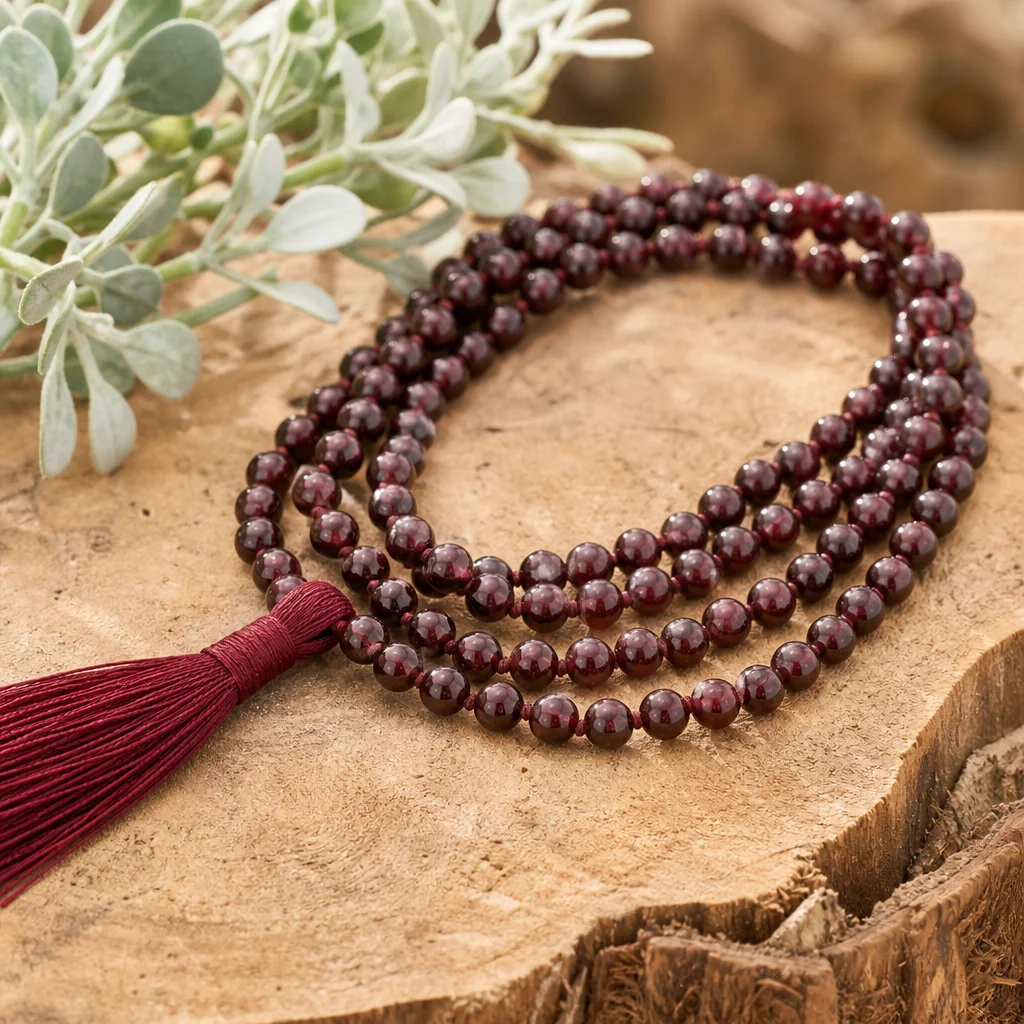
Garnet is a group of silicate minerals that come in several colors, but deep red almandine and pyrope garnets are most associated with the root chakra. Garnet has been used in jewelry for over 5,000 years — the ancient Romans carved signet rings from it, and it appears frequently in medieval European regalia.
How to use it: Garnet makes beautiful, durable everyday jewelry. A garnet ring or pendant keeps the stone in contact with your body throughout the day.
Mohs hardness: 6.5–7.5 (varies by type)
6. Bloodstone
Bloodstone (heliotrope) is dark green chalcedony with red jasper inclusions scattered throughout. Its earthy coloring and solid, opaque quality connect it directly to the root chakra's grounding function. The red spots against green make it one of the more visually distinctive grounding stones.
How to use it: Carry as a palm stone or wear as a beaded bracelet. Bloodstone's Mohs 6.5-7 hardness makes it suitable for daily wear.
7. Black Obsidian
Obsidian is volcanic glass — not technically a crystal, but widely used in crystal practice for grounding and protection. Its mirror-like black surface has made it significant across cultures: the Aztecs carved mirrors and weapons from it, and many Indigenous American traditions used obsidian in ceremony.
How to use it: Obsidian palm stones and spheres are popular. The smooth, cool surface is satisfying to hold during meditation.
Mohs hardness: 5–5.5 — relatively fragile, avoid dropping on hard surfaces
8. Apache Tear (Black Obsidian Variant)
Apache tears are rounded, naturally tumbled nodules of black obsidian. They're smoother and more ergonomic than cut obsidian, making them natural palm stones. According to Apache legend, these stones are the tears of Apache warriors who chose to leap from a cliff rather than surrender — giving the stone an association with grief processing and resilience.
How to use it: Hold during meditation, especially when working through feelings of insecurity or loss.
9. Moissanite (Honorary Mention: Ruby)
Ruby — red corundum — is the traditional "king of root chakra stones" in Vedic gemology. However, quality rubies are expensive (often $500+/ct for gem-grade stones). If you want ruby's root chakra association without the price tag, red jasper or garnet offer similar coloring and grounding qualities at a fraction of the cost.
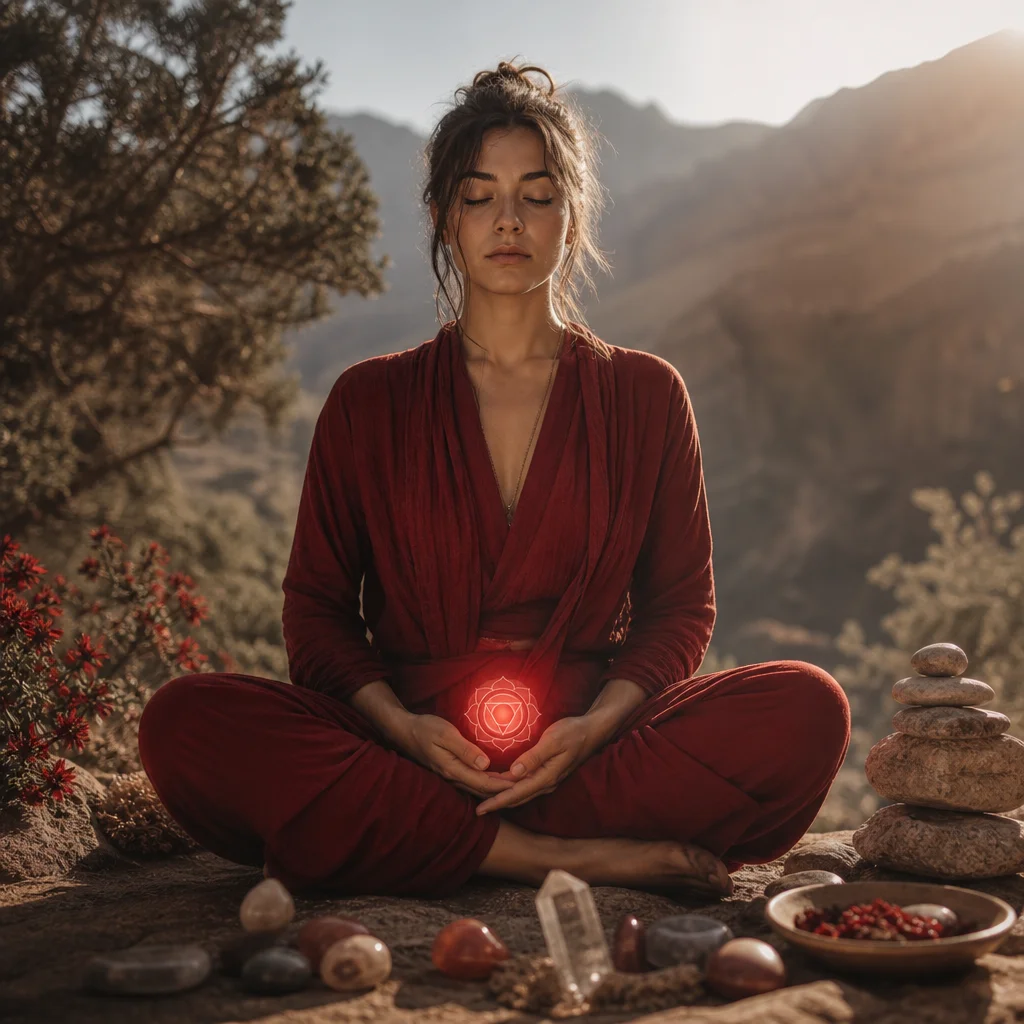
Root Chakra Meditation With Crystals
Here's a simple 10-minute grounding meditation using any of the crystals above:
- Sit comfortably on the floor with your legs crossed, or in a chair with your feet flat on the ground.
- Place your crystal at the base of your spine (if lying down) or hold it in your hands.
- Close your eyes and breathe deeply for 30 seconds, settling into your body.
- Visualize roots growing from the base of your spine down through the floor, through the building's foundation, deep into the earth.
- Hold the image for 3–5 minutes. Feel the physical weight of your body on the ground. Notice the points of contact — your sit bones, your feet, the crystal in your hands.
- Breathe into your belly. Root chakra work involves slow, deep belly breathing rather than chest breathing.
- When you're ready, gently bring your awareness back to the room. Thank the crystal (or just set it down — whatever feels natural).
Consistency matters more than duration. Ten minutes daily is more effective than an hour once a week.
Pairing Root Chakra Crystals With Other Chakras
Root chakra crystals work well in combination with higher chakra stones:
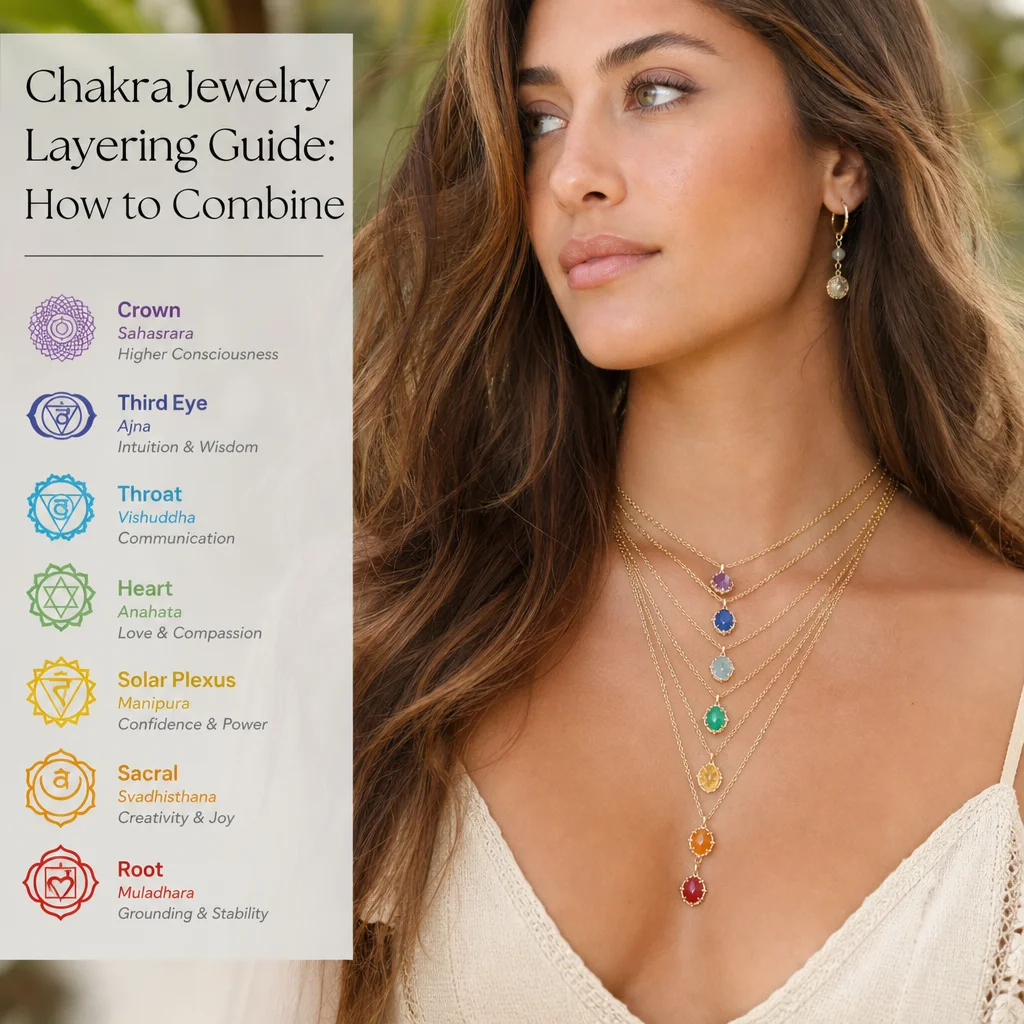
- Root + Sacral: Red jasper + carnelian — grounding combined with creative energy
- Root + Heart: Black tourmaline + rose quartz — security and self-compassion together
- Root + Crown: Hematite + clear quartz — grounding spiritual experiences into daily life
See our guides on sacral chakra crystals and heart chakra crystals for the full chakra crystal series.
FAQ
Q: Can I use multiple root chakra crystals at the same time?
A: Yes. There's no conflict between combining red jasper and black tourmaline, for example. Many people wear multiple grounding stones as stacked bracelets or keep several on their meditation altar.
Q: How do I know if my root chakra is opening?
A: People often report feeling more "present," less anxious about basic survival concerns, sleeping better, and having more stable energy throughout the day. These are subjective experiences, not medical claims.
Q: Do I need to charge root chakra stones differently?
A: Root chakra stones respond well to earth-based charging methods — burying them in soil or placing them on bare earth. Moonlight also works for all of these stones. Avoid prolonged sunlight for garnet and bloodstone (colors can fade).
Frequently Asked Questions
How do you unblock your root chakra?
Unblocking your root chakra involves grounding practices like walking barefoot, mindful breathing, and meditation. Wearing natural root chakra crystal jewelry, like our handcrafted Black Tourmaline or Hematite pieces, is an excellent way to keep grounding energy close to your body throughout the day, promoting continuous feelings of safety and stability.
What are the best stones for the root chakra?
The best stones for Muladhara are typically deep red, black, or earth-toned natural crystals. Popular choices include Red Jasper, Black Tourmaline, Smoky Quartz, and Hematite. When set in artisan handcrafted jewelry, these beautiful natural stones provide daily grounding energy, helping you stay anchored, calm, and secure in your daily life.
Where do you place root chakra crystals during meditation?
To balance Muladhara during meditation, lie on your back and place your chosen natural crystals directly at the base of your spine or between your feet. Alternatively, wearing handcrafted gemstone jewelry allows the stones to rest against your skin, effectively channeling grounding vibrations into your body without needing to hold them.
Can I wear root chakra jewelry every day?
Absolutely! Wearing root chakra jewelry daily is highly recommended for maintaining energetic balance. Our artisan-crafted natural crystal bracelets and necklaces are designed for everyday wear, allowing you to carry the protective, stabilizing frequencies of grounding stones with you wherever your journey takes you.
How do I know if my root chakra is opening?
As your root chakra begins to open and align, you will likely notice a profound shift in your mindset. Feelings of anxiety and fear start to dissipate, replaced by a deep sense of inner peace, physical vitality, and emotional security. Wearing grounding crystal jewelry during this time helps support and stabilize this beautiful transformation.
Comments