Best Chakra Crystals: Complete Set Guide
May 31, 2026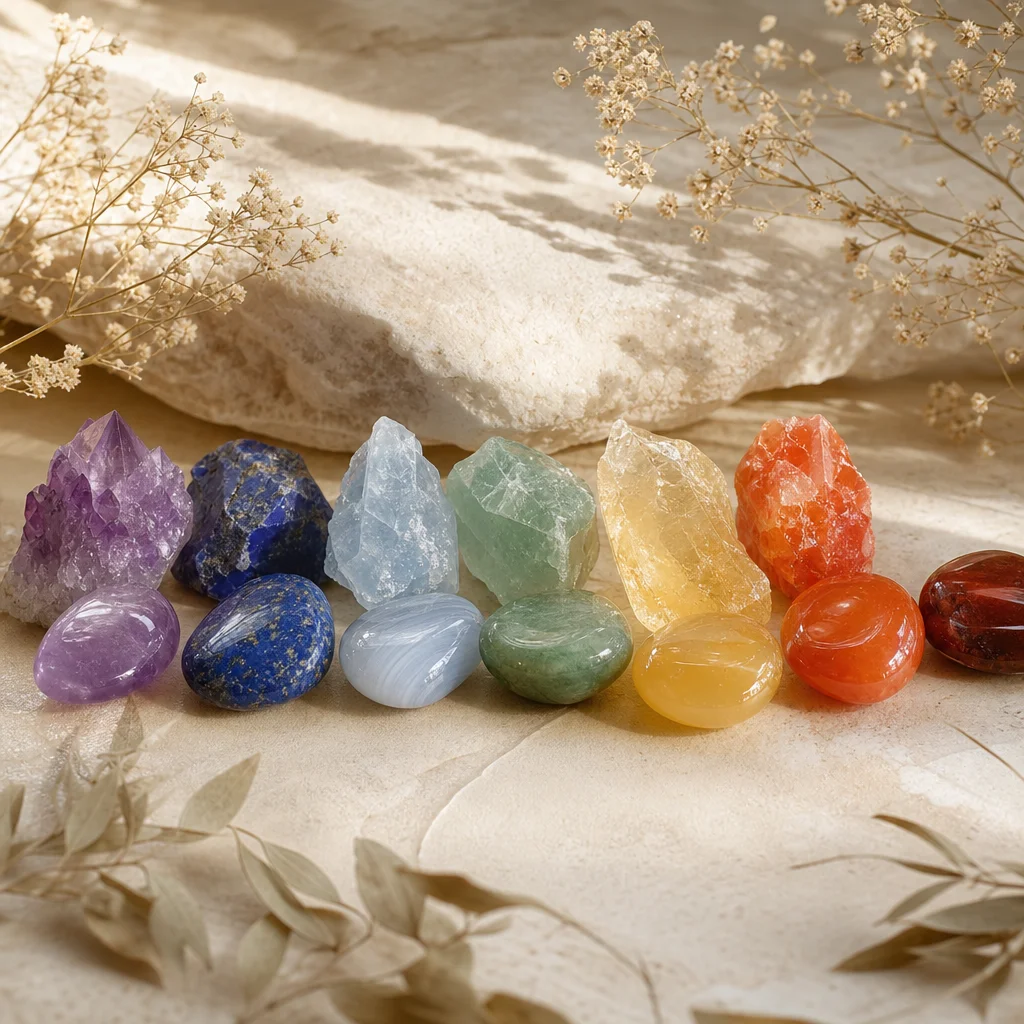
What a 7 Chakra Crystal Set Actually Includes
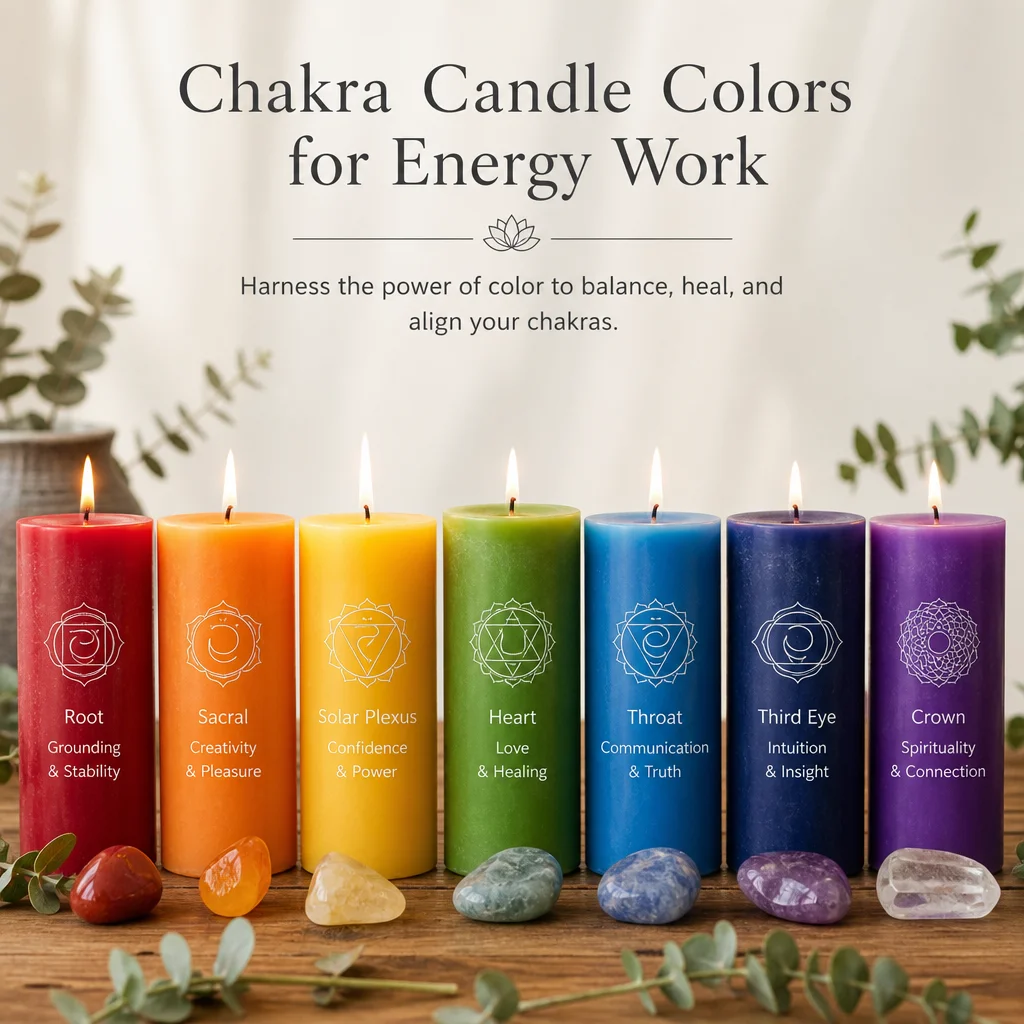
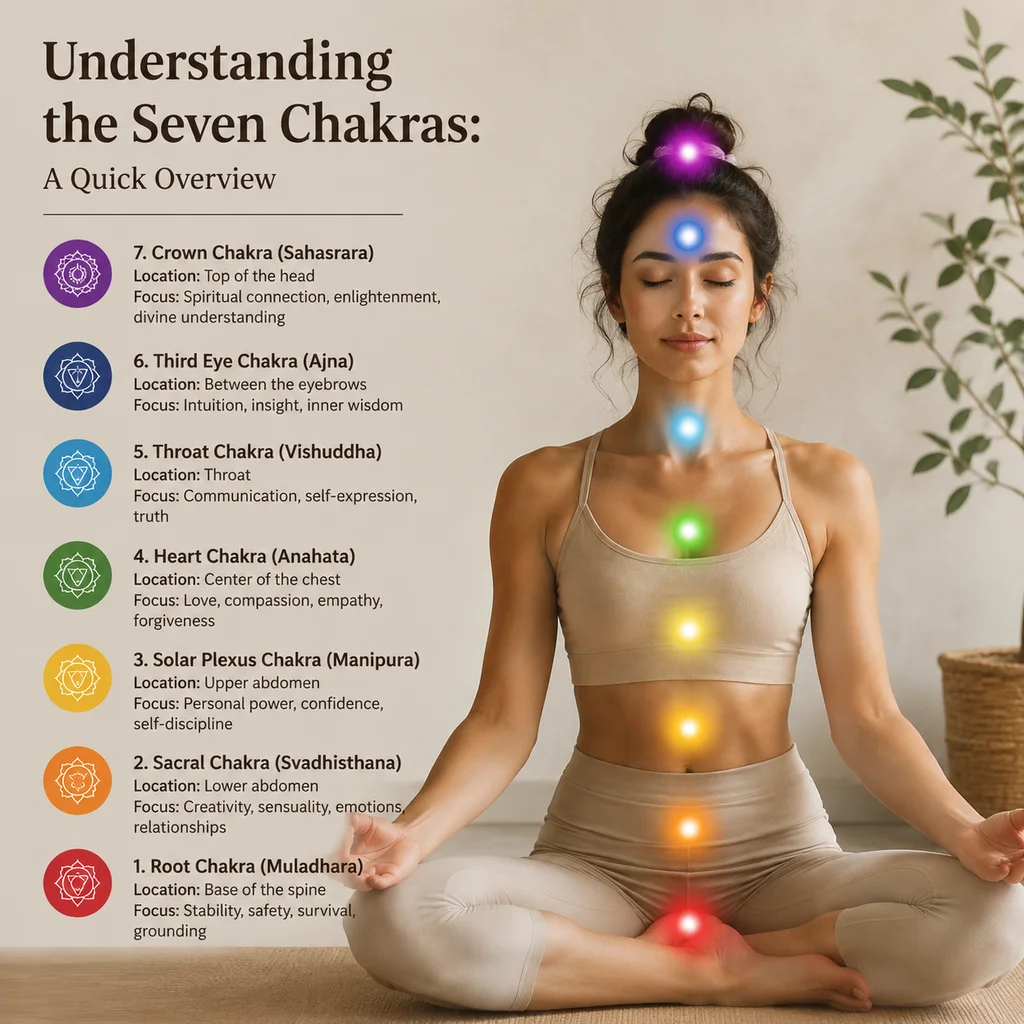
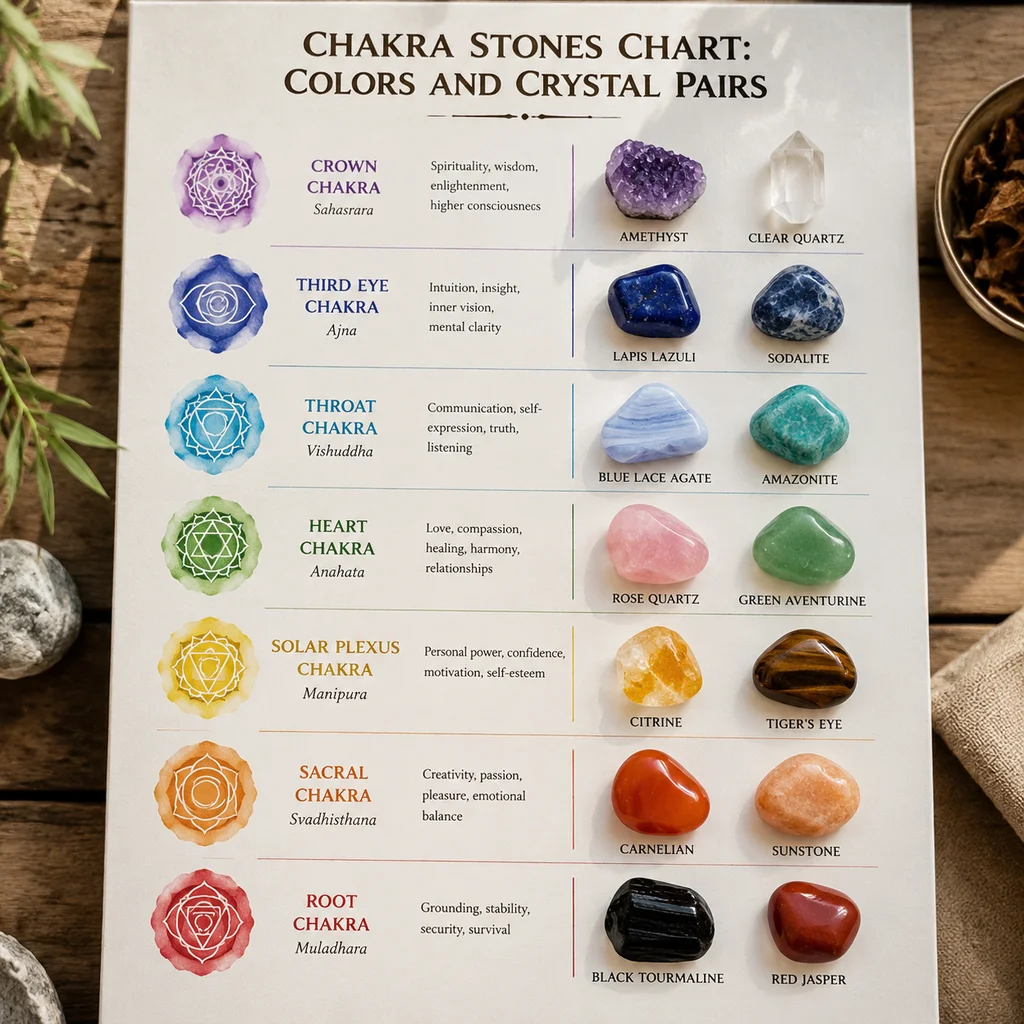
A traditional 7 chakra crystal set contains one stone for each of the seven major energy centers, moving from the base of the spine to the crown of the head. The concept comes from Hindu and Buddhist traditions, where these energy centers (chakras, Sanskrit for "wheels") are believed to govern different aspects of physical, emotional, and spiritual well-being.
Whether you approach this from a traditional perspective or simply enjoy collecting colorful stones that represent different life themes, a 7 chakra set gives you a structured way to explore crystal work. Here's what each position represents and which stones are traditionally paired with it.
The Classic Seven: Stone by Stone
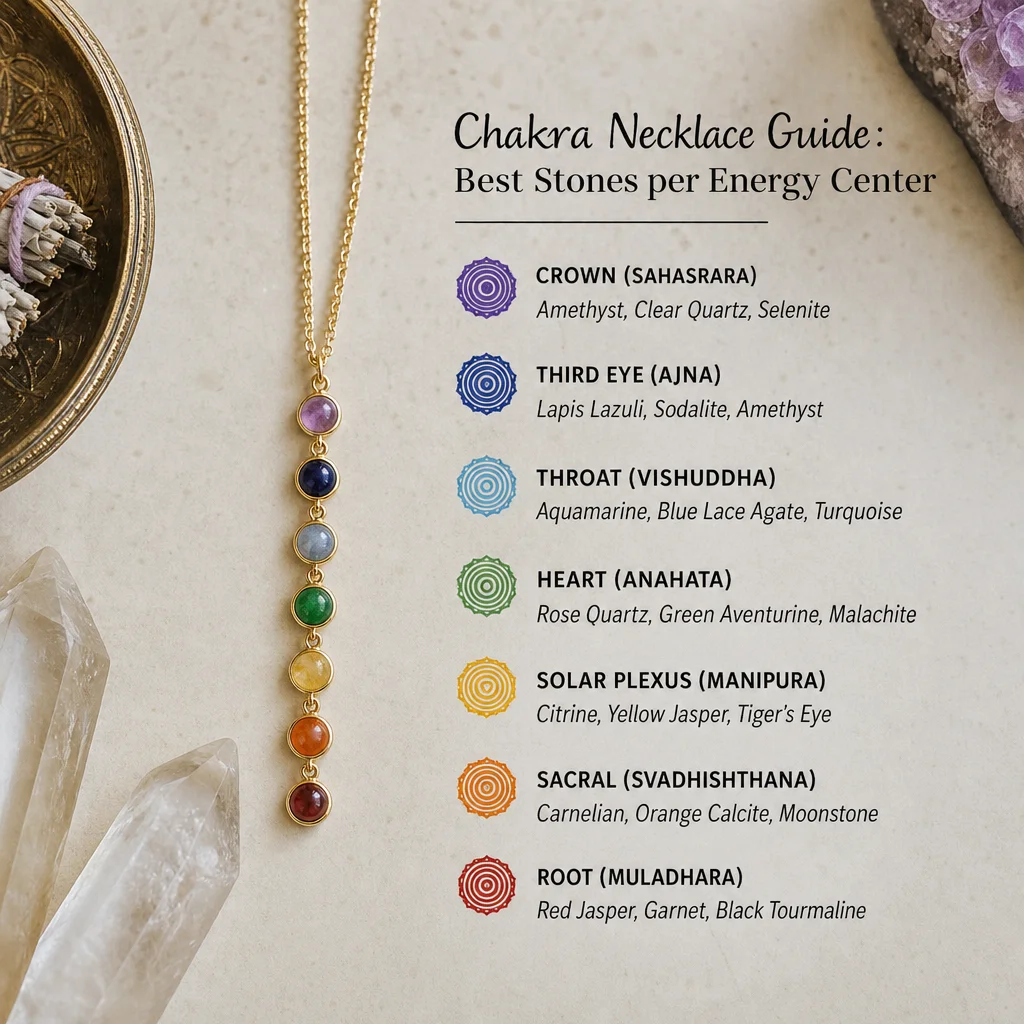
Root Chakra (Muladhara) — Red Stones
Location: Base of the spine. Associated themes: stability, security, survival instincts, connection to the physical world, financial security, feeling grounded.
Red jasper is the most recommended stone for the root chakra. It's affordable (usually $3-$8 per tumbled stone), durable enough to toss in a bag without worry, and has a warm, earthy red-brown color that matches the root chakra's red association. It's an opaque form of silicon dioxide with iron oxide inclusions.
Hematite is the second most popular choice. Its metallic silver-grey appearance doesn't match the traditional red, but its heavy, grounding physical feel makes it a favorite for grounding work. At Mohs 5.5-6.5, it's reasonably hard but can scratch if dropped on hard surfaces.
Black tourmaline and garnet are solid alternatives. Garnet is more expensive ($8-$20 for a decent piece) but offers a deep, true red that's visually striking in a set. Black tourmaline doesn't fit the color scheme at all but is practically useful for people who want a stone they can carry daily for grounding.
Sacral Chakra (Svadhisthana) — Orange Stones
Location: Below the navel. Associated themes: creativity, emotional flow, sexuality, pleasure, relationships, adaptability.
Carnelian dominates this position. It's a form of chalcedony (cryptocrystalline quartz) colored by iron impurities, ranging from pale orange to deep rust-red. Most carnelian on the market is natural, though some is heat-treated to deepen the color. Price: $3-$10 for tumbled stones.
Orange calcite is a budget-friendly alternative at $2-$5 per piece. It's softer (Mohs 3) and can scratch easily, so it's better suited to display than daily carry. But the warm orange color is vibrant and the stone is widely available.
Sunstone offers a more premium option. This feldspar mineral contains tiny hematite or goethite inclusions that create a sparkling effect called aventurescence. Prices range from $5-$15 for tumbled stones, but high-quality cabochons can be much more expensive.
Solar Plexus Chakra (Manipura) — Yellow Stones
Location: Upper abdomen. Associated themes: personal power, confidence, self-esteem, willpower, intellectual clarity, digestion.
Citrine is the go-to stone. Here's an important caveat: natural citrine (formed by heat from geological processes) is relatively rare and tends to be pale yellow with cloudy inclusions. Most "citrine" on the market is actually amethyst that's been heat-treated to turn yellow-orange. Both are real quartz—just different formation paths. For a chakra set, heat-treated citrine works fine. Price: $3-$8 per piece.
Tiger's eye is another popular choice. Its golden-brown chatoyancy is distinctive, and the stone is durable (Mohs 6.5-7). Tiger's eye is actually a pseudomorph of crocidolite (blue asbestos) replaced by quartz, which gives it its characteristic silky bands. $3-$10 for standard tumbled stones.
Yellow jade is a premium option if you can verify authenticity. True jade (nephrite or jadeite) in yellow is uncommon and typically costs $15-$40+ per piece. Much of what's sold as "yellow jade" is actually dyed quartz or aventurine.
Heart Chakra (Anahata) — Green (or Pink) Stones
Location: Center of the chest. Associated themes: love, compassion, forgiveness, emotional balance, relationships, self-acceptance.
Green aventurine is the most common heart chakra stone. This form of quartzite contains fuchsite (chromium-rich mica) inclusions that give it a soft green shimmer. It's inexpensive ($2-$6), durable, and widely available. The green color is natural and varies from pale mint to forest green.
Rose quartz is equally common and represents the pink side of the heart chakra. This translucent pink quartz gets its color from trace amounts of titanium, manganese, or iron. It's one of the most affordable stones in any set ($2-$5), but quality varies significantly—look for pieces with even color and minimal internal fractures.
Malachite is a more dramatic green option with its distinctive banded patterns. It's a copper carbonate mineral that forms in oxidized copper deposits. Malachite is softer (Mohs 3.5-4) and contains copper, so it shouldn't be used in water (copper can leach out). Price: $5-$20 for polished pieces.
Green jade (nephrite) is a traditional choice across East Asian cultures. Durable (Mohs 6-6.5), smooth, and subtly colored. Genuine nephrite jade costs $10-$30 for tumbled pieces, while jadeite commands much higher prices.
Throat Chakra (Vishuddha) — Blue Stones
Location: Throat. Associated themes: communication, self-expression, truth, speaking your needs, active listening.
Lapis lazuli is the classic throat chakra stone. This rock (not a single mineral) is a mixture of lazurite, calcite, and pyrite, creating the iconic deep blue with gold flecks. Afghanistan has been the primary source for thousands of years. Quality lapis with intense blue and minimal calcite whitening costs $8-$25 for tumbled stones.
Blue lace agate is gentler—translucent blue and white banded chalcedony. It's often recommended for people who find lapis too intense. $3-$8 for tumbled pieces.
Aquamarine (blue beryl) is the premium option. Its pale blue-to-teal color comes from iron impurities. Real aquamarine is becoming scarce in tumbled form; expect $15-$50 for a decent piece. Much of what's sold cheaply as aquamarine is actually dyed quartz or glass.
Sodalite is a budget-friendly blue alternative with white veining patterns. It's a sodium aluminum silicate chloride that closely resembles lapis but lacks the pyrite inclusions. $3-$7 for tumbled stones.
Third Eye Chakra (Ajna) — Indigo Stones
Location: Forehead between the eyebrows. Associated themes: intuition, insight, imagination, clarity of thought, inner wisdom, decision-making.
Amethyst dominates this position despite being purple rather than true indigo. Its availability, affordability, and widespread cultural association with spiritual insight make it the default choice. Prices range from $2-$5 for small tumbled stones to hundreds for large geodes. The most prized variety is deep purple with red flashes (found in specimens from Uruguay and Zambia).
Fluorite comes in purple and green banded varieties that some practitioners prefer for the third eye. It's softer (Mohs 4) and can cleave along crystal faces if dropped, but the color range is beautiful. $3-$10 for tumbled stones.
Iolite (cordierite) shows strong pleochroism—appearing violet-blue from one angle, yellow-grey from another. This optical property makes it interesting for meditation. $8-$20 for decent tumbled pieces.
Crown Chakra (Sahasrara) — White or Violet Stones
Location: Top of the head. Associated themes: spiritual connection, consciousness, unity, transcendence, higher awareness.
Clear quartz is the universal crown chakra stone. Abundant, affordable ($2-$5), and used as an "all-purpose" crystal across every chakra position when you need a substitute. High-clarity pieces are visually stunning.
Selenite is a popular alternative—a form of gypsum (calcium sulfate) that forms transparent to translucent white blades. It's very soft (Mohs 2) and can literally be scratched with a fingernail, so it's display-only, not pocket-worthy. $3-$10 for wand or palm pieces.
Howlite is a budget white stone with grey veining. It's calcium borosilicate and relatively hard (Mohs 3.5). $2-$4 for tumbled stones. Much of the "turquoise howlite" on the market is actually white howlite dyed blue.
Amethyst clusters bridge the crown and third eye, being both violet and white-tipped. Some practitioners prefer this dual association.
Buying a Set vs. Building Your Own
Pre-Made Sets: The Quick Option
Pre-assembled 7 chakra sets are everywhere—Etsy, Amazon, crystal shops, metaphysical stores. They typically cost $15-$60 depending on stone quality. Advantages: convenient, curated, and often come with a reference card or pouch. Disadvantages: you can't choose individual stone quality, and pre-made sets sometimes include filler stones (like cheap dyed agate) for positions where better options exist.
When buying pre-made, check what's actually in the set. Some sellers use the cheapest possible stone for each color position rather than the traditionally recommended ones. A set with red glass instead of jasper, or dyed quartz instead of natural lapis, isn't giving you the real experience.
Building Your Own: The Better Option
For the same $30-$40 you'd spend on a mid-range pre-made set, you can hand-pick each stone from a reputable crystal shop. This lets you:
- Feel each stone before committing—texture, weight, and temperature preference matter
- Choose the exact shade and quality you prefer
- Substitute stones based on your personal associations (e.g., use moonstone for the crown if that feels right to you)
- Gradually build the set over time, finding each stone as you're ready for it
Many crystal shops sell individual tumbled stones for $2-$8 each. Building a complete 7-stone set this way typically costs $20-$60 depending on your choices.
Budget Options at Three Price Points
$20 Set (Budget-Friendly)
| Chakra | Stone | Approx. Cost |
|---|---|---|
| Root | Red jasper | $3 |
| Sacral | Carnelian | $3 |
| Solar Plexus | Citrine (heat-treated) | $3 |
| Heart | Green aventurine | $2 |
| Throat | Sodalite | $3 |
| Third Eye | Amethyst | $3 |
| Crown | Clear quartz | $2 |
Total: ~$19 — All genuine natural stones, all readily available. This is a solid starter set that covers all seven positions with traditionally appropriate materials.
$50 Set (Mid-Range)
| Chakra | Stone | Approx. Cost |
|---|---|---|
| Root | Garnet | $10 |
| Sacral | Sunstone | $8 |
| Solar Plexus | Tiger's eye (high quality) | $6 |
| Heart | Rose quartz (deep color) | $5 |
| Throat | Lapis lazuli | $12 |
| Third Eye | Amethyst (deep purple) | $5 |
| Crown | Selenite wand | $8 |
Total: ~$54 — Upgraded stones with richer colors and better clarity. Each piece is more visually impressive and the set looks cohesive together.
$100 Set (Premium)
| Chakra | Stone | Approx. Cost |
|---|---|---|
| Root | Black tourmaline (high grade) | $15 |
| Sacral | Peach moonstone | $15 |
| Solar Plexus | Natural citrine (untreated) | $20 |
| Heart | Moldavite (small piece) | $20 |
| Throat | Aquamarine | $15 |
| Third Eye | Sugilite | $15 |
| Crown | Danburite | $15 |
Total: ~$115 — Rare and unusual stones. This set is for collectors and experienced practitioners who want something beyond the standard recommendations. Note that some of these stones are harder to source; availability varies by region.
Using Your Set: Practical Approaches
Layout Meditation
The most common way to use a chakra set is to lie down and place each stone on or near its corresponding body position. Root stone at the base of the spine, sacral stone below the navel, and so on up to the crown. Lie still for 15-20 minutes, focusing on each position in sequence. Remove stones from top to bottom (crown first) when finished.
Practical tip: use a small cloth or mat underneath to protect your skin from rough crystal edges, and set a timer so you don't fall asleep and forget the stones are there.
Chakra Bracelet
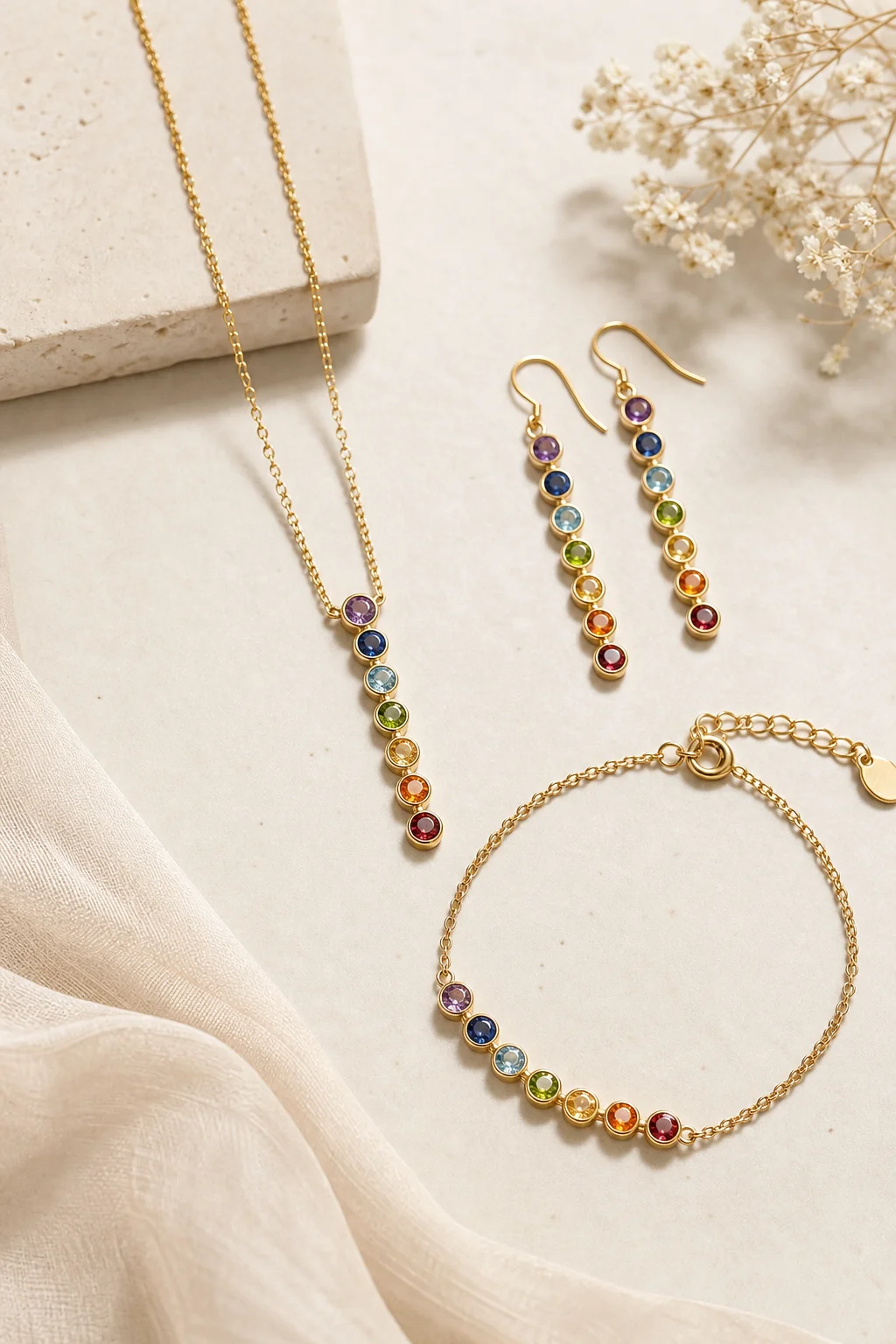
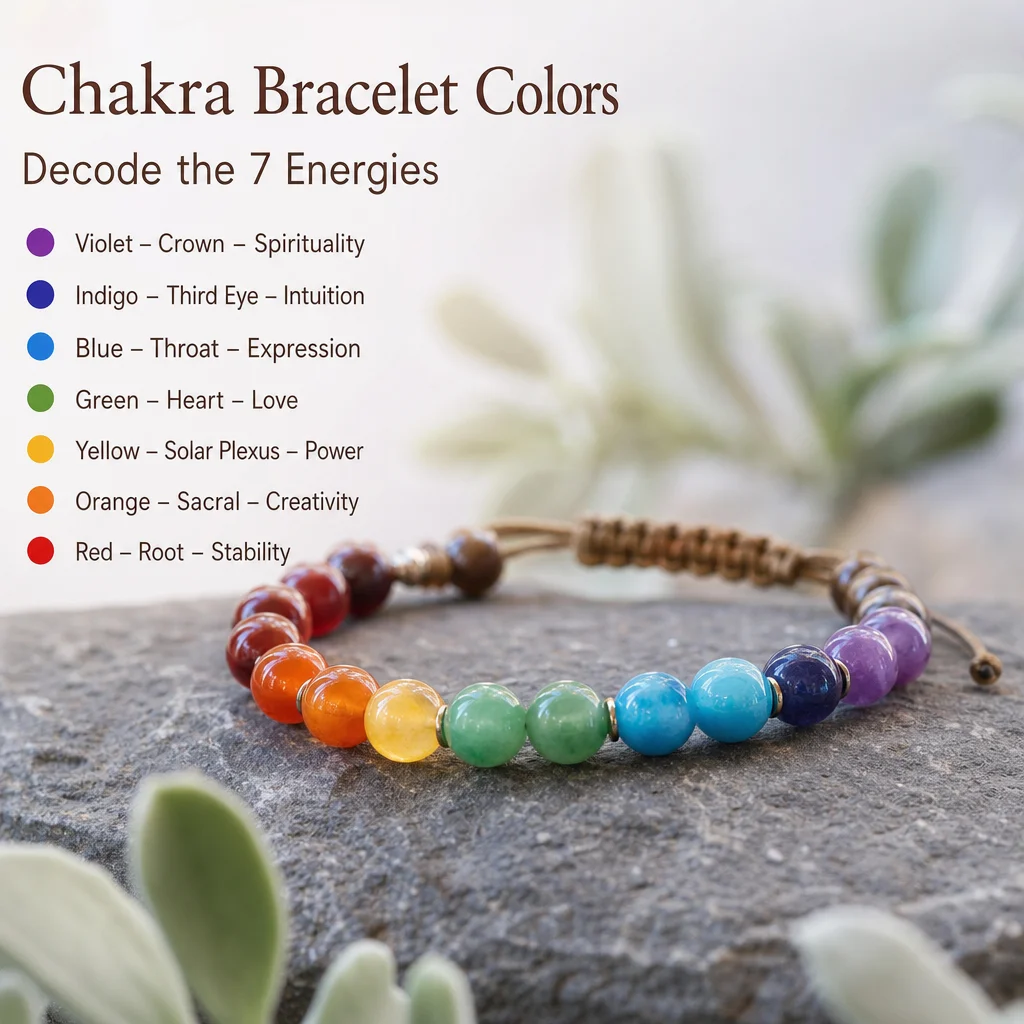
A 7-chakra bracelet strings all seven stones (or representatives of each color) on a single elastic or metal band. These are extremely popular and affordable ($5-$30). The advantage is portability—you can wear the intention throughout your day. The downside is that each bead is small, so you're getting a tiny chip of each stone rather than a full-sized piece.
Grid Work
Some practitioners arrange their seven stones in geometric patterns on a surface, placing intentions or written goals in the center. This is more of an artistic practice and doesn't have deep traditional roots, but many people find the process of arranging stones meditative in itself.
What Beginners Often Get Wrong
Thinking All Stones in a Set Need to Match
Your root chakra stone doesn't need to be the same size as your crown chakra stone. Some positions work better with larger, heavier pieces (root and sacral) while others benefit from smaller, lighter ones (third eye and crown). A visually uniform set looks nice in photos but isn't necessary for practical use.
Storing Stones Together
Keeping all seven stones loose in one bag causes harder stones (quartz, garnet at Mohs 7+) to scratch softer ones (malachite, selenite, calcite at Mohs 3-4). If you keep them in a shared pouch, wrap softer stones individually in tissue or cloth first.
Replacing Stones When They "Stop Working"
Some sources claim crystals need to be "cleared" or "recharged" regularly, or that they "absorb negative energy" and become less effective. From a practical standpoint, tumbled stones are stable mineral specimens. They don't degrade from use or need any special maintenance beyond basic cleaning. If you enjoy the ritual of clearing (moonlight, sage smoke, sound bowls), that's fine—but it's a personal practice, not a mineralogical necessity.
Frequently Asked Questions
Do I need all seven chakra stones to start?
No. Many people start with just one or two stones that address their current focus. If you're working on communication, a lapis or blue lace agate piece alone is sufficient. Build the full set gradually if and when you want to explore further.
Can I substitute stones not on the traditional list?
Of course. The traditional associations are guidelines, not rules. If you feel drawn to larimar for the throat chakra instead of lapis, or Unakite for the heart instead of aventurine, go with what resonates. The best stone is the one you'll actually use.
Are chakra crystal sets scientifically proven?
The chakra system itself is a cultural and spiritual concept, not a scientifically verified biological framework. Using crystals in meditation can be a calming, focusing practice, and many people report subjective benefits—but these should be understood as complementary practices, not medical treatments. If you're dealing with anxiety, depression, or other health concerns, professional support is the appropriate first step.
Frequently Asked Questions
How do I cleanse and charge my 7 chakra stones?
To keep your chakra crystals vibrating at their highest frequency, you should cleanse them regularly. You can use sage or palo santo smoke, place them under the light of a full moon overnight, or rest them on a selenite charging plate. Since SagStone handcrafts these pieces with natural elements, gentle cleansing methods like moonlight or sound bowls are highly recommended to preserve their artisan beauty and energetic integrity.
Where do I place chakra stones on my body during meditation?
During a grounding session, simply lie down and place each natural stone directly over its corresponding energy center. For example, place root crystals near the base of your spine, heart stones in the center of your chest, and clear quartz right above your head. You can also wear handcrafted chakra jewelry to keep these natural stones aligned with your body effortlessly throughout your busy day.
Comments