Carnelian Crystal Meaning, Healing Properties & How to Use It
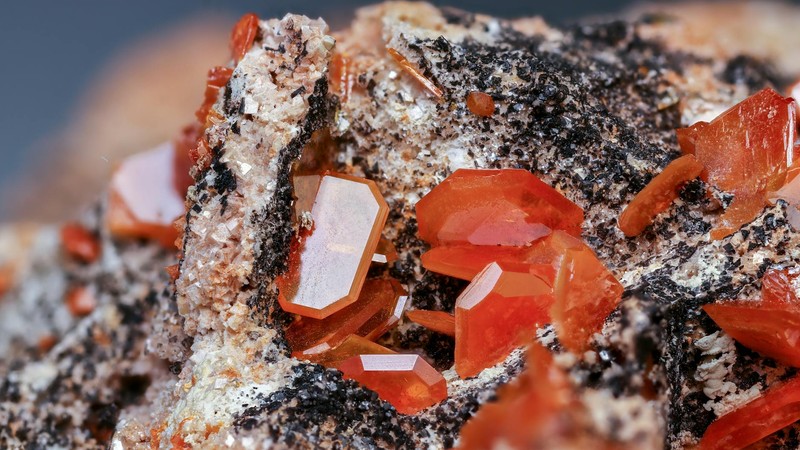
I was staring at a half-finished canvas for the third day in a row. Every brushstroke felt forced, every color choice wrong. My friend Sarah dropped by, saw the mess on my easel, and reached into her bag. She placed this warm, orange-red stone next to my palette and said, "Just put it there while you paint." I laughed — placebo effect, right? She shrugged and said, "Try it. You've got nothing to lose." I left it on the corner of my desk, and honestly? Something shifted. Not overnight, not magically, but every time I hit a wall, I'd pick it up, roll it around in my fingers, and somehow the ideas would start flowing again. That stone was carnelian, and it's been sitting on my workspace ever since.
What Is Carnelian, Exactly?
Carnelian (sometimes spelled "cornelian") is a variety of chalcedony, which itself belongs to the quartz family. Like all chalcedony, it's a cryptocrystalline form of silicon dioxide (SiO₂) — meaning the crystals are so tiny you'd need a microscope to see them individually. That's what gives carnelian its smooth, almost waxy luster instead of the sharp facets you'd see on amethyst or clear quartz.
The color ranges from pale orange to deep brownish-red, and that warm palette comes from iron oxide impurities within the stone. More iron means deeper red tones; less iron leans toward the orange-yellow end. On the Mohs hardness scale, carnelian sits at a solid 6.5 to 7 — tough enough for daily wear but soft enough to carve and polish into beads, cabochons, and small sculptures.
You'll find carnelian in a few key spots around the world. India produces what most collectors consider the finest specimens — deep, translucent orange-red with excellent color saturation. Brazil, Madagascar, and Uruguay are also major sources, each with their own subtle color personality. Here in the US, Oregon is known for some beautiful carnelian deposits, particularly along the beaches where you can literally find them washed up in the gravel. The stone comes in both translucent and semi-translucent varieties, and that waxy, vitreous luster is one of the things that makes it so satisfying to hold and look at.
Carnelian Meaning and Symbolism
Across cultures and centuries, carnelian has been associated with a cluster of related energies: courage, motivation, creativity, passion, confidence, and raw action. It's often called the Artist's Stone because of its reputation for unblocking creative energy and helping people push through creative stagnation. The ancient Egyptians had their own name for it — the Sunset Stone — because its color mirrored the dying light of day, a time they associated with transition and transformation.
What makes carnelian's symbolism unique compared to, say, red jasper or garnet, is that it combines the fire and vitality of red stones with a more approachable, warm energy. It's not aggressive. It's more like a slow burn — the kind of motivation that builds gradually rather than hitting you like a lightning bolt. That's probably why so many artists, writers, and makers are drawn to it. It doesn't demand inspiration; it gently encourages it.
A Stone With Serious History
Carnelian isn't some trendy crystal that popped up in the last decade. This stone has been around, and people have been obsessed with it for thousands of years.
Ancient Egypt
The Egyptians were possibly the biggest carnelian fans in history. When Howard Carter opened Tutankhamun's tomb in 1922, he found carnelian artifacts everywhere — including a carved carnelian scarab placed directly over the pharaoh's heart. The Egyptians believed carnelian had the power to guide the soul in the afterlife and protect the heart from negative judgment. Egyptian craftsmen used carnelian for everything from amulets and beads to inlays in elaborate gold jewelry. The warm orange-red color was associated with blood, life force, and the setting sun.
Ancient Rome
Roman soldiers wore carnelian signet rings — not just as decoration, but as functional tools. The stone's hardness made it perfect for carving intricate seals that could stamp wax on important documents. Some historians believe Roman warriors also wore carnelian into battle for courage, trusting that the stone's fiery energy would keep them bold in combat. Pliny the Elder wrote about carnelian in his Natural History, noting its supposed ability to calm anger and stop bleeding.
Islamic Tradition
In Islamic culture, carnelian holds a special place. It's one of the few stones explicitly mentioned in hadith (the recorded sayings of the Prophet Muhammad) as a preferred stone for rings. Many Muslims wear carnelian rings set in silver, believing the stone offers protection from envy, misfortune, and the evil eye. You'll see them in markets from Marrakech to Istanbul, often with Arabic calligraphy or religious inscriptions carved into the surface.
Napoleon's Carnelian
Even Napoleon Bonaparte was reportedly fond of carnelian. He carried a carnelian seal that he found in an Egyptian campaign, and legend has it that he believed the stone brought him luck in battle. Whether that's true or just good PR, it adds another layer to this stone's already impressive résumé.
Carnelian Healing Properties
Before diving in, let me be upfront: there's no scientific evidence that crystals have healing properties. The benefits people report are largely subjective, rooted in psychology, intention, and the placebo effect — which, by the way, is a real and powerful thing. If holding a warm orange stone makes you feel more creative and less anxious, that's a genuine benefit regardless of the mechanism.
Root and Sacral Chakra Connection
In crystal healing traditions, carnelian is primarily associated with the Root Chakra (Muladhara) and the Sacral Chakra (Svadhisthana). The Root Chakra, located at the base of the spine, governs your sense of safety, stability, and groundedness. The Sacral Chakra, just below the navel, is linked to creativity, pleasure, and emotional flow. Carnelian's warm, earthy energy is said to activate and balance both, creating a foundation of stability while unlocking creative potential.
Commonly Reported Benefits
People who work with carnelian regularly often describe a few consistent effects. Creativity and inspiration come up most frequently — artists place it near their workspace, writers keep it on their keyboard, and musicians tuck it into instrument cases. Confidence and courage are the next most common, especially for people dealing with imposter syndrome or public speaking anxiety. Many users also report that carnelian helps with procrastination — that familiar paralysis where you know you need to start something but just... can't. The stone seems to provide a gentle push toward action.
Physically, some crystal enthusiasts associate carnelian with improved blood circulation, increased vitality, and better energy levels. These claims aren't backed by clinical research, but the psychological effect of feeling more motivated and energized can absolutely translate to physical outcomes — you move more, you engage more, you feel more alive.
How to Use Carnelian in Your Daily Life
One of the things I appreciate most about carnelian is its versatility. You don't need elaborate rituals or expensive setups. Here are five practical ways people incorporate it:
1. Keep It on Your Workspace
This is the method that worked for me, and it's the one I recommend most. Place a piece of carnelian near your computer, drawing table, writing desk, or wherever you do creative work. The idea is simple: having it in your visual field serves as a subtle reminder of your creative intentions. Every time you glance at it, you're reminded to stay open, stay curious, and keep pushing. I keep a palm-sized piece on the right corner of my desk, and I've developed this unconscious habit of picking it up when I'm stuck. It's become a physical anchor for my creative process.
2. Wear It as Jewelry
Carnelian makes beautiful jewelry, and wearing it keeps the stone's energy (or its psychological reminder) close to your body. A pendant worn at chest or belly level is said to be near the Sacral Chakra. Bracelets are probably the most popular option — easy to wear, always visible, and you can fidget with the beads the same way I do with my desk stone. Rings are another great choice, especially if you're drawn to the historical significance of carnelian signet rings.
3. Use It During Meditation
If you meditate, try holding carnelian in your hands or placing it on your lower abdomen (over the Sacral Chakra) during your practice. Some people find that focusing on the stone's warmth and color helps them sink deeper into meditation and access more intuitive, creative thinking. I'm not a daily meditator, but when I do sit with carnelian, I notice my thoughts tend to be more vivid and less scattered.
4. Hold It Before Physical Activity
This one surprised me, but several athletes and fitness enthusiasts I've talked to swear by it. They hold carnelian for a minute or two before workouts, runs, or competitions, using it as a mental trigger for energy and determination. Whether it's the color psychology (orange-red = energy, heat, action) or just a focusing ritual, people report feeling more fired up and ready to go.
5. Keep It in Your Wallet
This is a traditional use that goes way back. Many cultures consider carnelian a stone of prosperity and good fortune, and carrying a small piece in your wallet or purse is meant to attract abundance. I can't speak to the metaphysical mechanism here, but I've been doing it for about a year and my freelance income did go up — though I'm pretty sure that had more to do with the work I was putting in than the rock in my pocket.
Crystal Pairings: What Works Well With Carnelian?
If you're building a crystal collection or want to amplify carnelian's effects, here are some popular pairings:
Carnelian + Citrine: This is probably the most popular combo. Both stones carry warm, solar energy, and together they create what crystal workers call a "double sun" effect — carnelian drives creativity and citrine amplifies abundance and positivity. Great for creative entrepreneurs.
Carnelian + Red Tourmaline (Rubellite): If you need a serious action boost, this is your pairing. Red tourmaline adds raw, grounded power to carnelian's motivational fire. Some people call this the "get things done" combination.
Carnelian + Tiger's Eye: Tiger's eye brings focus and discipline, which balances carnelian's sometimes scattered creative energy. Together, you get motivation plus follow-through — the dream team for anyone who starts projects but struggles to finish them.
Carnelian + Clear Quartz: Clear quartz is known as an energy amplifier. Pairing it with carnelian is like putting a microphone in front of carnelian's natural frequency — it doesn't change the energy, just makes it louder and clearer. Simple and effective.
Cleaning and Caring for Carnelian
The good news is that carnelian is one of the easiest crystals to maintain. At 6.5-7 on the Mohs scale, it's hard enough to withstand most cleaning methods.
Sunlight: Unlike amethyst or rose quartz, which can fade in direct sun, carnelian actually thrives in sunlight. A few hours of direct sun is the traditional way to cleanse and recharge it. Leave it on a windowsill or outside on a bright day.
Water: Carnelian is safe to rinse under running water — lukewarm is ideal. Some people like to leave it in a bowl of water overnight with a pinch of sea salt. Avoid hot water, which can cause thermal shock in any stone.
Smoke Cleansing: Passing carnelian through sage, palo santo, or cedar smoke is a gentle cleansing method that works well if you prefer not to use water or sun.
Ultrasonic Cleaners: Yes, carnelian is hard enough for ultrasonic cleaning. If you have a jewelry ultrasonic cleaner, carnelian pieces can go right in. Just avoid mixing it with much softer stones in the same batch.
How to Choose a Good Carnelian
If you're shopping for carnelian — whether at a gem show, a crystal shop, or online — here's what to look for:
Color: The most valued carnelian has a rich, saturated orange-red color. Pale, washed-out orange pieces are less desirable. Deep red-brown is also beautiful but less commonly associated with the "classic" carnelian look. Trust your eye — if the color makes you feel warm and energized, it's probably a good one for you.
Transparency: Translucent pieces (you can see light passing through them) are generally more valuable than opaque ones. Hold the stone up to a light source and check how much light filters through. The best specimens have an almost glowing, internal warmth.
Natural Texture: Don't be put off by minor inclusions, color variations, or natural banding. These are features, not flaws — they're evidence that the stone is natural and not dyed. Completely uniform, neon-orange pieces are sometimes heat-treated or dyed, which isn't necessarily bad, but natural color is more prized by collectors.
Size: Larger, gem-quality pieces command higher prices, but for practical use (desk stone, meditation, jewelry), you don't need anything huge. A tumbled stone the size of a grape is perfectly functional.
Origin: Indian carnelian is widely considered the gold standard — deep color, good translucency, and excellent polish. Brazilian carnelian tends to be lighter and more yellow-orange. Madagascar produces some stunning pieces with unique color zoning. Each origin has its character, so it comes down to personal preference.
Carnelian vs. Red Agate: What's the Difference?
This question comes up constantly, and it's easy to see why. Both carnelian and red agate are forms of chalcedony. Both can be orange-red. Both have been used in jewelry and decoration for thousands of years. But they're not the same thing.
Carnelian has a relatively uniform color throughout the stone. You might see subtle gradations from orange to red, but there are no distinct bands or stripes. It tends to be more translucent — light passes through it with that characteristic warm glow.
Red agate (also called banded agate when the bands are visible) features distinct layers or bands of color, often alternating between red, orange, white, and sometimes gray. These bands form as mineral-rich water deposits layers of silica in cavities over thousands of years. Red agate is generally more opaque than carnelian, and its visual appeal comes from the contrast between the bands rather than from uniform color saturation.
Think of it this way: carnelian is like a sunset — one continuous gradient of warm color. Red agate is like a layered cake — distinct stripes with clear boundaries between them. Both are beautiful. Both are chalcedony. But they have different vibes, different geological stories, and different traditional associations.
If you're trying to decide which one to get, it really comes down to what draws you. Carnelian for that pure, warm creative energy. Red agate for grounding stability with visual complexity. Or, honestly, just get both — they're not expensive, and they look great side by side on a desk or in a crystal grid.
That little orange stone Sarah gave me all those months ago didn't magically make me a better artist. But it did become a ritual, a touchstone, a small warm object that reminds me to stay open and keep creating. And sometimes, that's exactly what you need.
Comments