Carnelian Mala Beads: Passion, Creativity & S...
June 5, 2026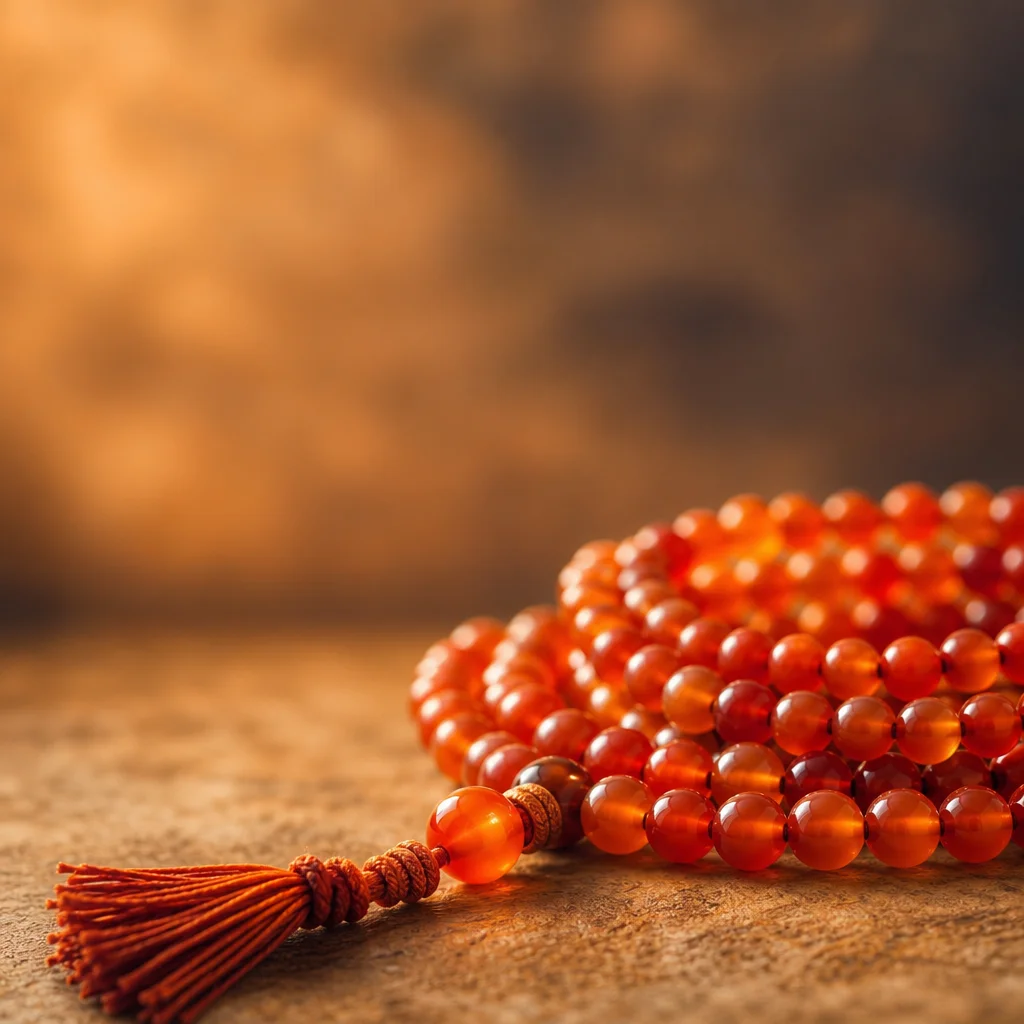
What Makes Carnelian Special for Mala Beads
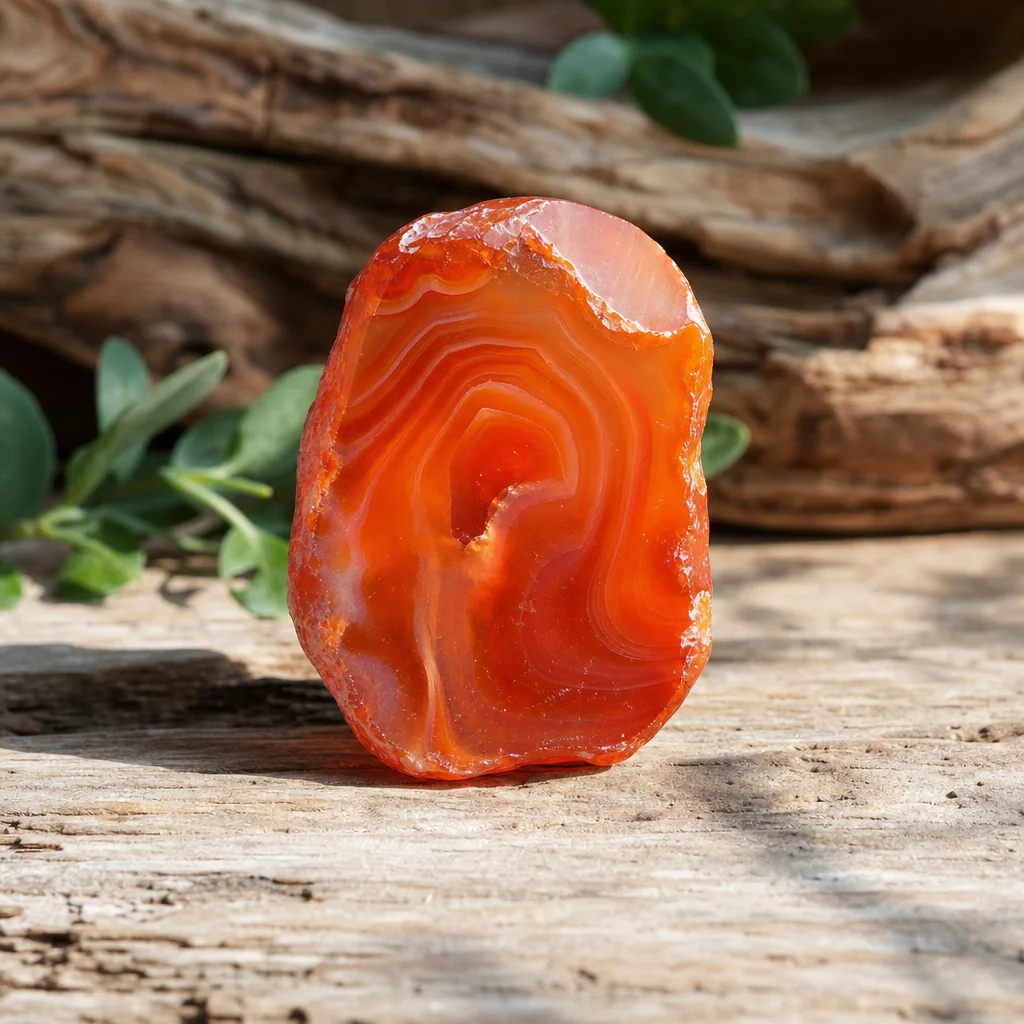
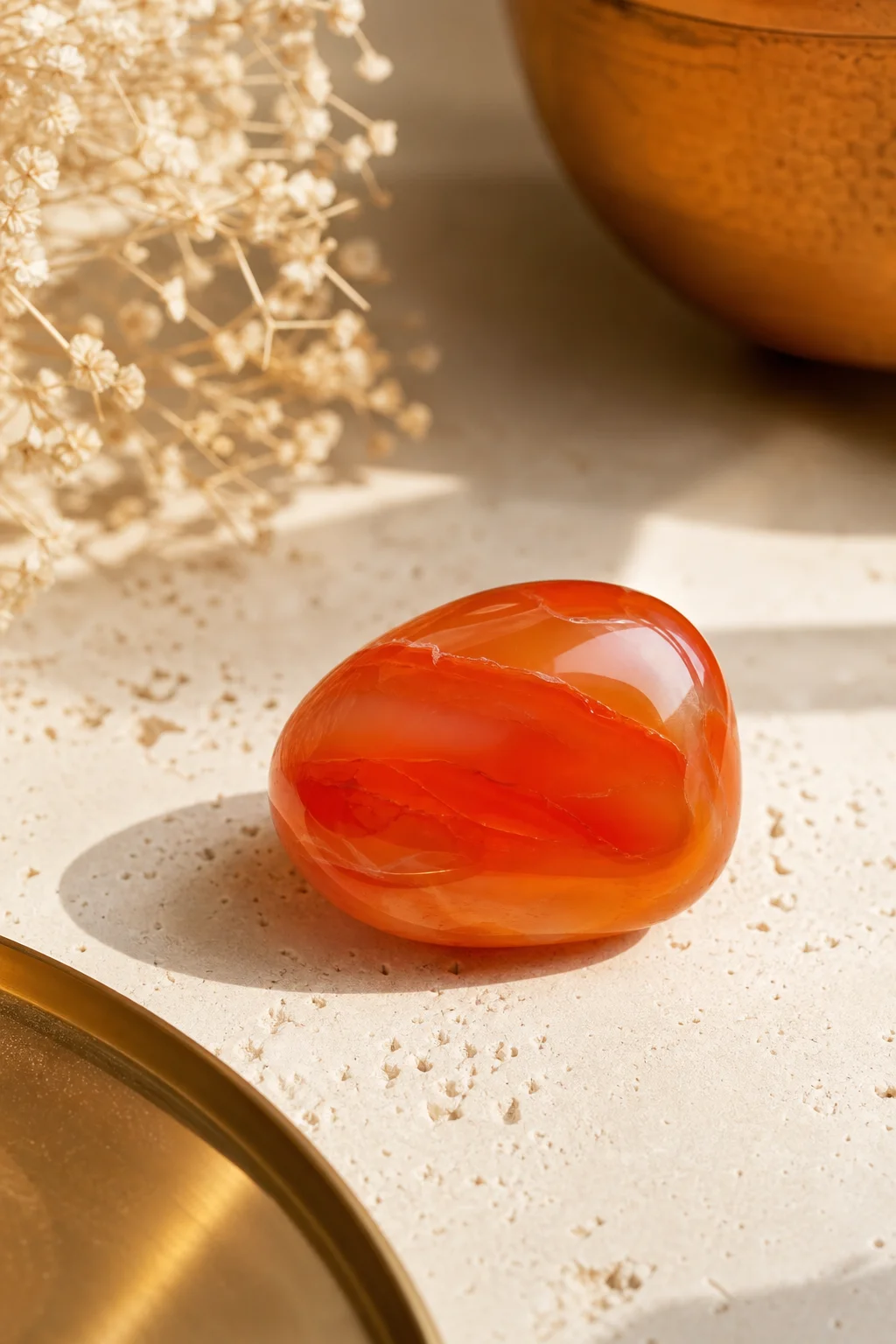
Carnelian is a translucent to semi-translucent variety of chalcedony (microcrystalline quartz) colored by iron oxide impurities. Its color ranges from pale orange to deep reddish-orange to brownish-red, with the most valued specimens showing a warm, uniform orange-red reminiscent of a sunset or ember. The stone has been used in jewelry and amulets for at least 5,000 years, with ancient Egyptian craftsmen fashioning carnelian into everything from scarab amulets to elaborate burial jewelry for pharaohs.
For mala beads specifically, carnelian offers several practical advantages beyond its striking appearance. Chalcedony rates 6.5-7 on the Mohs hardness scale, making it durable enough for daily wear as a necklace. The smooth, polished surface of tumbled or faceted carnelian beads provides a pleasant tactile experience during japa meditation — your fingers glide smoothly from bead to bead, which many practitioners find preferable to the rougher texture of rudraksha seeds or the porous feel of some wooden beads.
Carnelian's warm orange color also carries practical psychological benefits in the context of meditation. Color psychology research consistently links orange tones to energy, enthusiasm, creativity, and emotional warmth. When you're sitting down for a focused meditation session with carnelian mala beads, the visual warmth of the stones creates an immediate mood shift toward alertness and positive engagement — exactly the state you want for creative or passion-focused practices.
The Sacral Chakra Connection
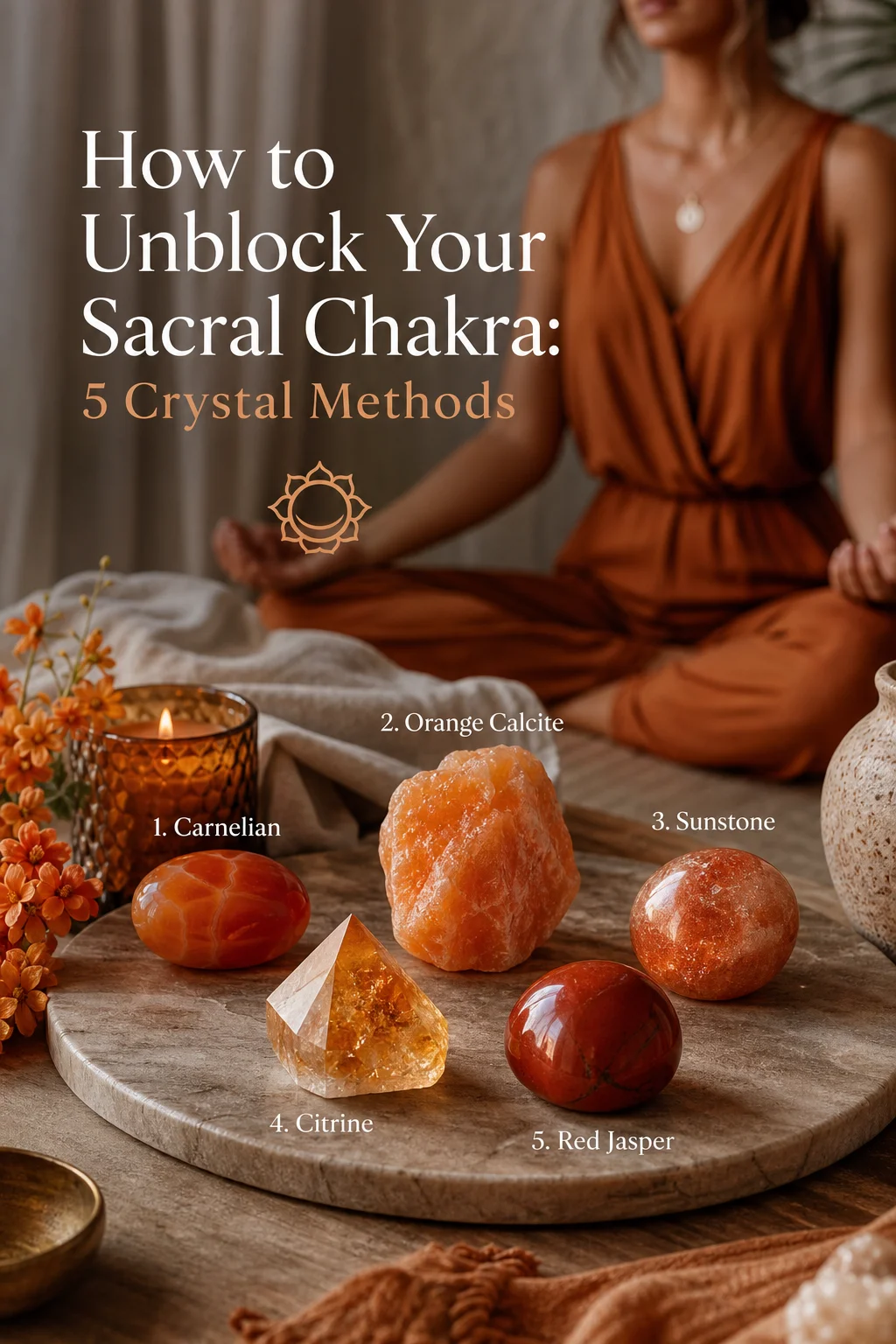
In the Hindu chakra system, carnelian is the primary gemstone associated with Svadhisthana, the sacral chakra. Located in the lower abdomen about two inches below the navel, the sacral chakra governs creativity, passion, sexuality, emotional expression, and the ability to experience pleasure. Its element is water, and its color association is orange — which explains why carnelian, with its natural orange hues, is considered the sacral chakra's most direct crystal ally.
When the sacral chakra is balanced and flowing, you experience creative inspiration, healthy emotional expression, comfortable intimacy, and a genuine zest for life. When it's blocked or depleted, you might feel creatively stuck, emotionally numb, uninspired by things that used to excite you, or disconnected from your body and its needs. A carnelian mala used in meditation is traditionally recommended for people experiencing these symptoms of sacral chakra imbalance.
The connection between carnelian and the sacral chakra isn't arbitrary — it's built on the correspondence between the stone's color (orange), the chakra's color (orange), and the qualities both represent (warmth, passion, creative flow). Whether you approach this from a traditional Ayurvedic perspective or a modern color psychology standpoint, the association creates a coherent, self-reinforcing practice framework.
Choosing Your Carnelian Mala
Not all carnelian mala beads are created equal. When selecting a carnelian mala for meditation practice, several factors distinguish high-quality pieces from mediocre ones.
Color consistency: A well-made carnelian mala uses beads that are relatively consistent in color. Minor variation is natural and even desirable — it shows the stones are genuine rather than dyed — but dramatic color swings (some beads deep red, others pale yellow-orange) suggest poor quality sorting. The overall impression should be warm, uniform orange.
Translucency: Fine carnelian should be at least partially translucent. Hold a bead up to a light source — you should be able to see some light passing through it. Opaque beads are lower quality. Beads that glow warmly when backlit are the most desirable.
Surface quality: The beads should be smoothly polished with no visible scratches, pits, or chips. Each bead should feel consistent in size and shape to the touch. Run your fingers along the mala — if one bead catches or feels rough, it will distract from meditation and potentially snag on fabric.
Treatment disclosure: Most carnelian on the market has been heat-treated to enhance color. This is generally accepted as a standard industry practice and doesn't significantly affect the stone's metaphysical properties. However, some low-end carnelian is dyed rather than heat-treated, which you can identify by looking for color concentration in pits, cracks, and surface scratches. Dyed stones are less desirable for mala use.
Bead size: 8mm is the standard size for carnelian malas, producing a necklace that drapes to mid-chest on most adults. 6mm beads work for a lighter, more delicate mala. Choose the size that feels comfortable for your hand during japa practice — if the beads feel too large or too small for your fingers to navigate smoothly, the meditation experience will be compromised.
Japa Meditation With Carnelian Mala
The standard japa meditation practice with carnelian mala beads follows the same structure as any mala meditation, but the intention and mantra are tailored to the sacral chakra's qualities. Here's a complete practice for creative activation:
Setting: Sit in a comfortable position with your spine straight. Morning practice is ideal — carnelian's energizing quality complements the start of the day. Place the mala over your right middle finger, with the guru bead at the bottom center.
Intention: Before beginning, set a sacral-chakra intention. Frame it as an affirmation: "My creative energy flows freely and I express myself authentically" or "I welcome passion and pleasure into my daily experience." Hold this intention in your mind throughout the practice.
Mantra options: For the sacral chakra, the Bija mantra "Vam" (pronounced "vahm") is traditional. If Sanskrit doesn't resonate, use an English affirmation: "I create" or "I feel" or "I am alive." Repeat the mantra once per bead, using your thumb to push each bead past your middle finger.
Visualization: As you work through the 108 beads, visualize warm orange light in your lower abdomen, about two inches below your navel. Imagine this light growing warmer and brighter with each repetition. Some practitioners envision the light as flowing water — the sacral chakra's element — moving gently through the pelvic region.
Duration: At a comfortable pace, 108 repetitions take approximately 12-15 minutes. Don't rush. The point isn't speed but sustained, focused attention. If your mind wanders, gently return to the mantra and the sensation of the beads moving through your fingers.
Completion: When you reach the guru bead, pause for 10-15 seconds of silent gratitude. Set the mala down and sit quietly for another minute, noticing any shifts in your energy or emotional state. Carry this awareness with you into your day.
Specific Practices for Different Intentions
For creative blocks: Hold the carnelian mala in your receiving (non-dominant) hand and spend 5 minutes before japa silently asking your creative self what it needs. Then begin the 108 recitations with the mantra "I release all blocks to my creative flow." Pay attention to any ideas, images, or feelings that surface during the practice.
For passion and motivation: Use the mantra "I ignite" or "I am on fire." Visualize the orange light expanding from your sacral chakra outward, filling your entire body with warm, motivated energy. This practice is excellent before a creative project, a challenging conversation, or any situation that requires enthusiasm and boldness.
For emotional processing: Carnelian supports healthy emotional expression. Sit with the mala and the mantra "I feel my feelings without judgment." As you move through the beads, allow any emotions that arise to surface fully — don't suppress them. The carnelian provides a grounding, warm container for emotional processing that prevents the experience from becoming overwhelming.
Carnelian Mala vs. Other Mala Materials
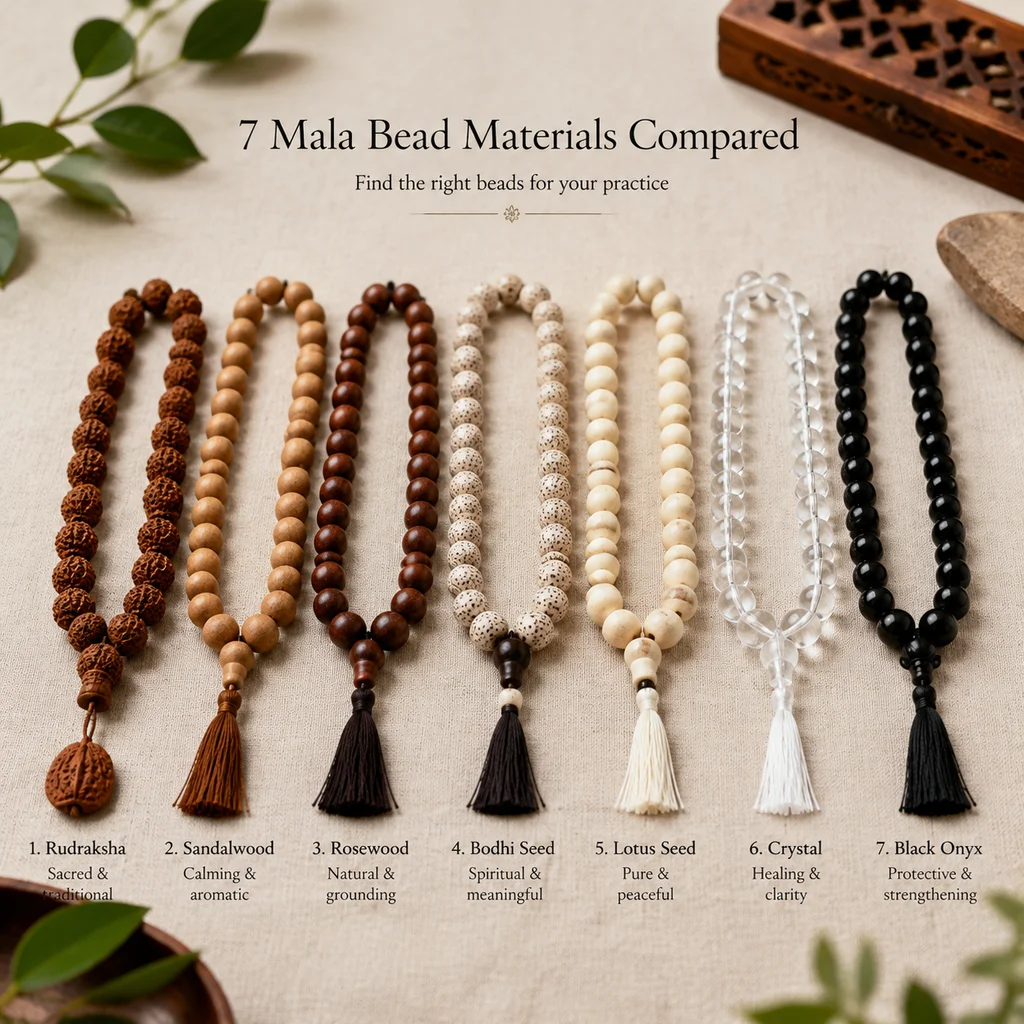
Carnelian vs. Rudraksha: Rudraksha seeds are the traditional Hindu mala material, associated with Lord Shiva and meditation depth. Rudraksha has a textured, earthy feel and is considered the most spiritually potent mala material. Carnelian is more visually appealing and specifically targets creative and emotional energy. Choose rudraksha for deep spiritual meditation and carnelian for creative and passion-focused practices.
Carnelian vs. Sandalwood: Sandalwood malas are calming, fragrant, and associated with peaceful meditation. Where carnelian energizes and activates, sandalwood soothes and quiets. They're complementary rather than competing — some practitioners maintain both and choose based on the type of meditation they're doing that day.
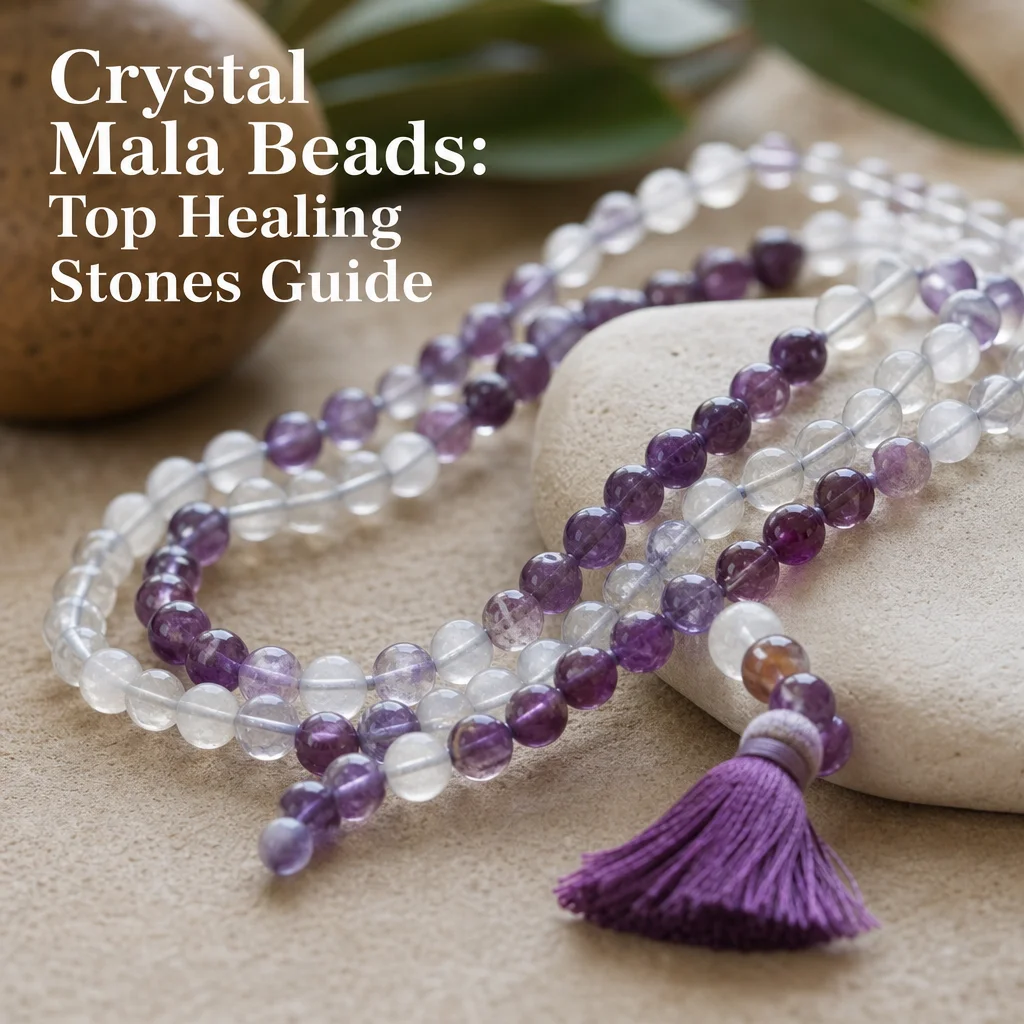
Carnelian vs. Amethyst: Amethyst is the standard mala material for spiritual development and crown chakra work. It's calming, intuitive, and connected to higher consciousness. Carnelian is grounding, creative, and connected to the body and emotions. Amethyst takes you up; carnelian keeps you present and passionate. Both are valuable in a complete mala collection.
Caring for Your Carnelian Mala
Carnelian is relatively low-maintenance at 6.5-7 hardness, but proper care extends its life significantly. Clean the beads periodically with a soft, damp cloth. Avoid soaking — while carnelian is quartz-based and water-safe, prolonged moisture can weaken the silk or nylon thread. Avoid exposure to harsh chemicals including perfume, sunscreen, and household cleaners, which can affect both the stone surface and the stringing material.
Store your carnelian mala flat or draped over a stand when not in use. Hanging it from a nail or hook can stretch the thread over time, especially silk. Keep it away from direct sunlight for extended periods — while carnelian is relatively stable, prolonged UV exposure can very gradually affect the color of some specimens.
If the tassel becomes tangled or frayed, gently comb it with a wide-tooth comb or your fingers. A small drop of fabric softener diluted in water, applied with a cotton swab, can tame frizzy tassel fibers. For professional-looking tassel maintenance, trim any errant threads with sharp scissors.
Frequently Asked Questions
Is carnelian always dyed?
Not always. Natural carnelian exists in warm orange to reddish-brown tones. However, much of the bright orange carnelian on the market has been heat-treated to enhance the color. Heat treatment is permanent, stable, and generally accepted. Dyeing, which produces unnaturally vivid or uniform orange, is less desirable. Hold the beads up to light — natural and heat-treated carnelian shows depth and variation, while dyed material often looks flat and artificial.
Can I wear my carnelian mala every day?
Yes, carnelian is durable enough for daily wear. The main concern is the stringing thread, not the stone itself. Avoid wearing it during activities that subject the mala to heavy abrasion — gym workouts, showering, sleeping with the mala tangled. A carnelian mala worn during meditation and gentle daily activities will last years with basic care.
What chakra is carnelian for?
Carnelian is the primary stone for the sacral chakra (Svadhisthana), located in the lower abdomen. Its orange color directly corresponds to this energy center. Some practitioners also associate carnelian with the root chakra for grounding, but the sacral connection is its most well-established and widely recognized association.
Frequently Asked Questions
How do I cleanse and charge my carnelian mala?
To keep your handcrafted carnelian mala vibrating with high energy, it is important to cleanse it regularly. You can cleanse your crystal beads by placing them in moonlight overnight or smudging them with sage or palo santo. Because carnelian is connected to the fire element, you can also charge it by leaving it in bright, indirect sunlight for a few hours, which helps revitalize its passionate, creative energies.
What mantras work best with carnelian mala beads?
Because carnelian is a stone of creativity, motivation, and the sacral chakra, the best mantras are those focused on empowerment. "I am courageous and creative" is a powerful intention to repeat as you count your 108 beads. The Sanskrit seed sound "Vam" is also deeply effective during Japa meditation to awaken your inner passion and artistic flow with your handcrafted SagStone mala.
Comments