Rhodonite: The Pink Manganese Compassion Stone
June 11, 2026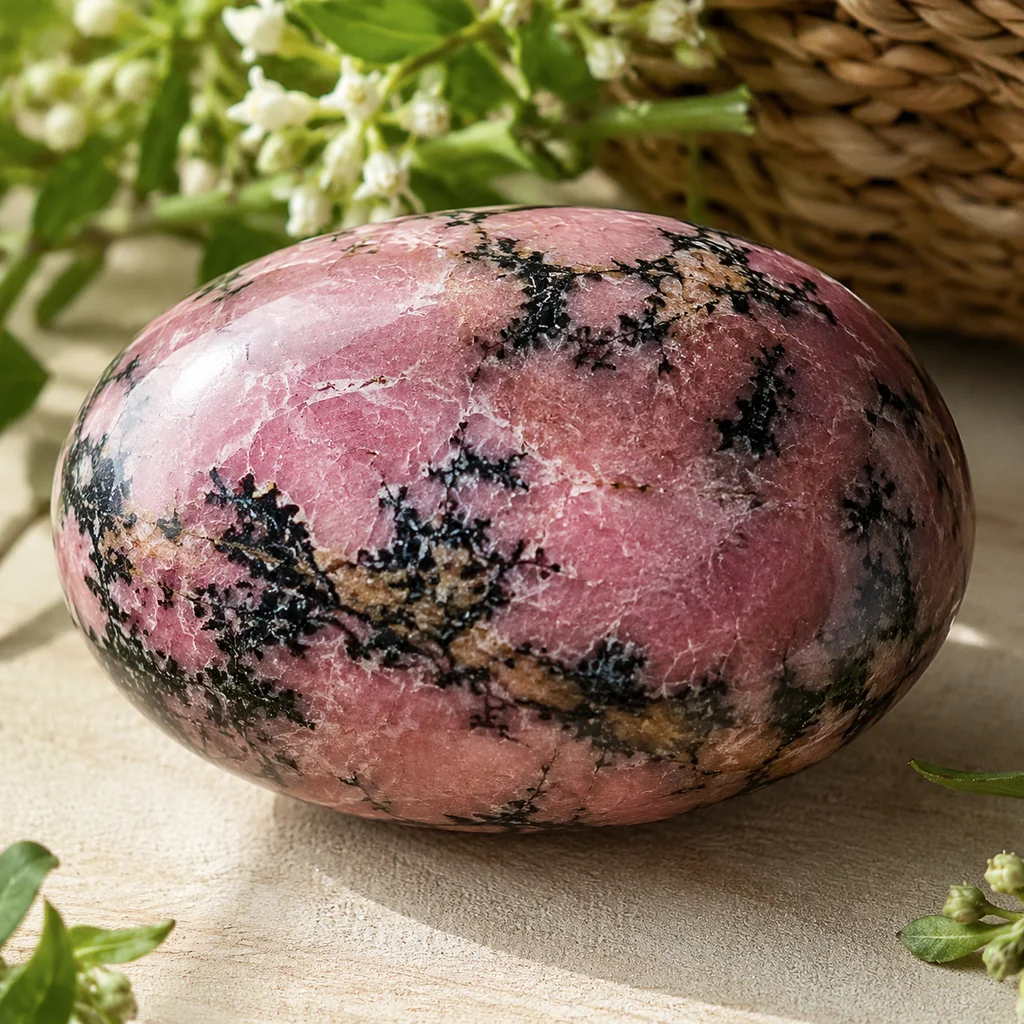
Rhodonite: The Pink Manganese Compassion Stone
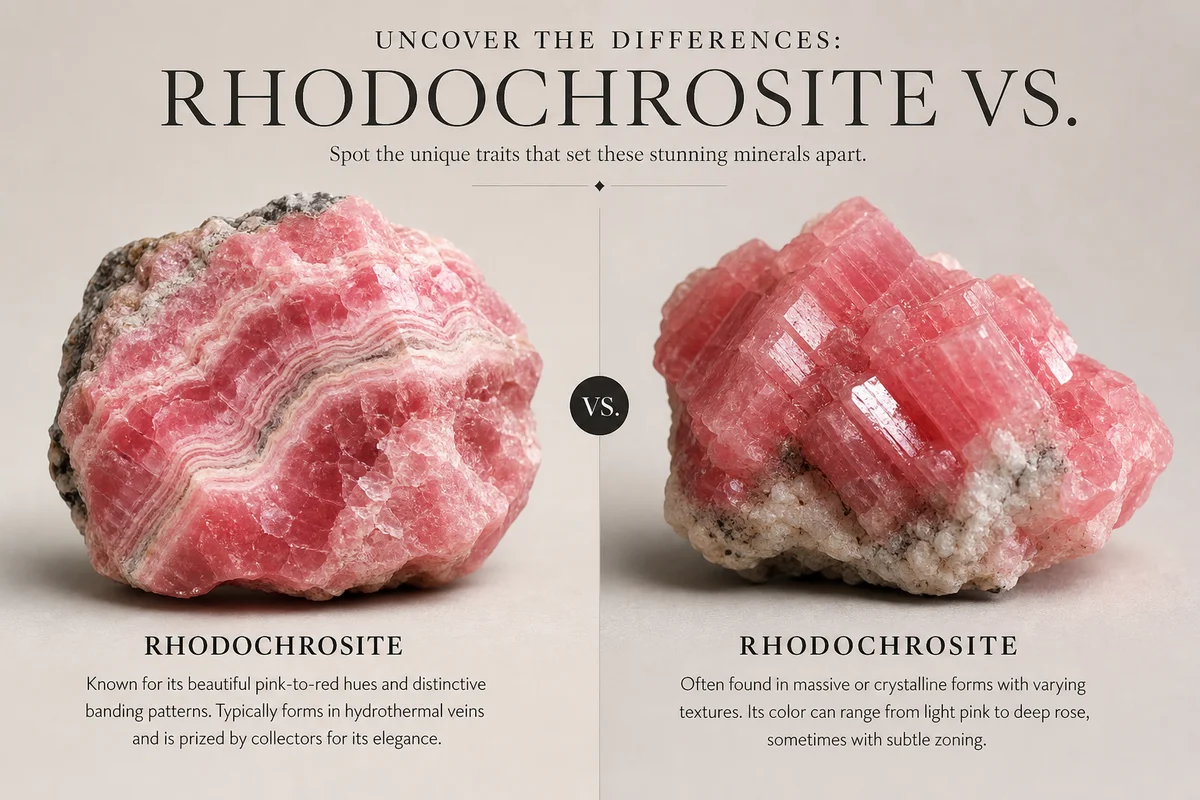
I remember the first time I laid eyes on a rhodonite, it was like I had been transported into a world of pure, rosy magic. This isn't just any gemstone; it's a stone that resonates with a profound sense of compassion and healing. As I held the stone in my hand, I felt its energy pulsating, a warm, inviting glow that seemed to whisper secrets of ancient wisdom. Let me tell you all about this enchanting pink manganese gem, also known as the Compassion Stone. **The Visual Allure of Rhodonite** First and foremost, let's talk about the beauty of rhodonite. Its color ranges from a pale, blush pink to a deep, rose quartz hue, often with black manganese inclusions that add a touch of elegance and intrigue. The stone can vary in transparency, with some pieces being more translucent than others. In my experience, the more inclusions, the more mystical the stone feels. **Rhodonite Dimensions and Specifications** Typically, rhodonite can range in size from small tumbles to large, cabochon stones. I've come across pieces that have been polished to perfection, showcasing the stone's unique veining and color variations. One of the largest rhodonite crystals I've seen was 15 centimeters long, an impressive display of nature's craftsmanship. When it comes to price, rhodonite is surprisingly affordable, especially when compared to other popular gemstones. A small tumbled piece might set you back $5 to $10, while a larger, high-quality piece could cost around $100 to $200. The value increases with the clarity, color, and size of the stone. **Origins of Rhodonite** Rhodonite is found in various parts of the world, but some of the most renowned sources are in the Ural Mountains of Russia and the Dolomites in Italy. These locations yield stones with exceptional color and clarity. In addition, the United States, Canada, and Australia also produce this enchanting gem. **The Spiritual and Healing Properties of Rhodonite** Now, let's dig into into the mystical side of rhodonite. This pink manganese gem is believed to be a powerful stone for emotional healing and spiritual growth. It's said to open the heart chakra, allowing for deep emotional healing and compassion. **Healing the Heart** For those who have experienced heartbreak or have unresolved emotional issues, rhodonite can be a soothing presence. It's often used to help release anger, resentment, and grief, allowing the heart to open to love and healing. I've witnessed the transformation in clients who've worked with rhodonite, and it's truly remarkable. **Spiritual Growth and Compassion** Beyond healing emotional wounds, rhodonite is also known for promoting spiritual growth. It encourages self-forgiveness and understanding, which can lead to a more compassionate view of the world. The stone's energy is both grounding and uplifting, making it an excellent choice for meditation and self-reflection. **Using Rhodonite in Jewelry** Rhodonite is not only beautiful but also versatile, making it a popular choice for jewelry designers. You can find everything from delicate pendants to chunky rings and bracelets. My personal favorite is a rhodonite ring, with its warm pink hue and subtle black inclusions, it's a constant reminder of the stone's healing power. **Rhodonite vs. Rhodochrosite** Now, before we move on, let's clear up a common confusion. Rhodonite and rhodochrosite are often mistaken for one another due to their similar pink color and manganese content. Rhodonite is usually harder and more opaque, with a pink color that can range from pale to deep rose. Rhodochrosite, on the other hand, is softer and more translucent, with a color that tends to be lighter and more pastel-like. **My Personal Experience with Rhodonite** I have been working with rhodonite for several years now, and its impact on my life has been profound. Whether I'm using it for personal meditation or as a healing tool for clients, I'm always amazed by its gentle yet powerful energy. It's a stone that doesn't demand much; it simply offers a comforting presence and a sense of calm. **How to Cleanse and Charge Your Rhodonite** To keep your rhodonite in tip-top shape, I recommend cleansing it regularly with running water or by placing it under the moonlight. It's also beneficial to charge your rhodonite by placing it on a crystal grid or by visualizing positive energy flowing through the stone.Frequently Asked Questions
Frequently Asked Questions
Q?
A. What is the hardness of rhodonite?
With a hardness of 5.5 to 6.5 on the Mohs scale, rhodonite is relatively hard and can be used in jewelry.
Q?
A. Can rhodonite be used for physical healing?
While rhodonite is known for its emotional and spiritual healing properties, it is not a substitute for medical treatment.
Q?
A. How should I care for my rhodonite jewelry?
Store your rhodonite jewelry in a fabric-lined box or jewelry pouch to prevent scratching. Avoid exposing it to harsh chemicals or extreme temperatures.
Q?
A. Can rhodonite be used in crystal healing layouts?
Absolutely! Rhodonite is an excellent stone for crystal healing layouts, especially when focusing on emotional healing and spiritual growth.
Q?
A. Is rhodonite a birthstone?
No, rhodonite is not an official birthstone. However, it's a beautiful and meaningful gift for those born in January.
Geological Formation
Rhodonite is a mineral that forms in a variety of geological settings, primarily in metamorphic and hydrothermal veins. Its formation is a result of the alteration of other minerals, like olivine, pyroxene, or magnetite. The chemical composition of rhodonite is typically manganese(II) phosphate, with the formula MnSO4·Mn3(PO4)2(OH)6. It crystallizes in the orthorhombic crystal system, which is characterized by its three distinct axis lengths and right angles between them. The unique combination of pressure, temperature, and chemical reactions within these environments lead to the formation of rhodonite crystals, often in the shape of tabular or prismatic crystals with a hardness of 5.5 to 6.5 on the Mohs scale.Color Varieties and Their Origins
The color of rhodonite is primarily pink, derived from the manganese content within the mineral. However, the intensity and hue of the pink can vary greatly. Some rhodonites are a pale, rosy pink, while others are a vivid, almost magenta color. The origin of these color variations lies in the presence of trace elements such as iron and cobalt, which can introduce green, brown, or black veining or patches. The presence of impurities can also lead to a color change over time, especially if the stone is exposed to heat or radiation. The most prized rhodonites are those with a deep, uniform pink color and clear transparency.How to Identify Quality Specimens
When buying rhodonite, there are several factors to consider to ensure you're getting a quality specimen. Look for stones with a bright, vibrant pink color, as this indicates a high manganese content. Avoid stones with a lot of black or brown veining, as these can be a sign of contamination or impurities. The transparency of the stone is also important; clear or translucent rhodonites are typically more valuable. Check for any fractures or chips, as these can reduce the stone's value. Finally, a certificate of authenticity can add value and ensure that the stone is genuine.Care and Maintenance Guide
Caring for rhodonite involves a few simple steps to maintain its beauty and longevity. First, clean your rhodonite with lukewarm water and a soft cloth, avoiding any harsh chemicals or abrasive materials. It's best to dry the stone with a soft towel to prevent water spots. Store your rhodonite away from direct sunlight, as prolonged exposure can fade the color. Keep it away from other gemstones, as it can be brittle and prone to scratching. If you need to clean the stone more thoroughly, use a mild, pH-neutral soap solution. Avoid ultrasonic or steam cleaners, as these can damage the stone.Frequently Asked Questions
Is rhodonite a rare stone?
Is rhodonite a rare stone?
Answer. Rhodonite is not as rare as some other gemstones, but it is less common and can be harder to find in high-quality specimens.Can rhodonite be used in jewelry?
Can rhodonite be used in jewelry?
Answer. Yes, rhodonite is often used in jewelry due to its attractive color and hardness. It makes a beautiful and unique addition to rings, pendants, and earrings.Is rhodonite associated with any healing properties?
Is rhodonite associated with any healing properties?
Answer. While rhodonite is sometimes associated with healing properties, it's important to note that these claims are not scientifically proven. Some believe it can help with emotional healing and stress relief.How do I clean a rhodonite stone that has lost its luster?
How do I clean a rhodonite stone that has lost its luster?
Answer. If your rhodonite stone has lost its luster, you can gently buff it with a soft cloth to restore its shine. Avoid using any abrasive materials that could scratch the surface.Can I use rhodonite in a crystal grid?
Can I use rhodonite in a crystal grid?
Answer. Yes, rhodonite can be used in a crystal grid for its supposed emotional healing properties. Place it in a grid with other stones that support emotional well-being for enhanced benefits.Related Crystals You Might Love
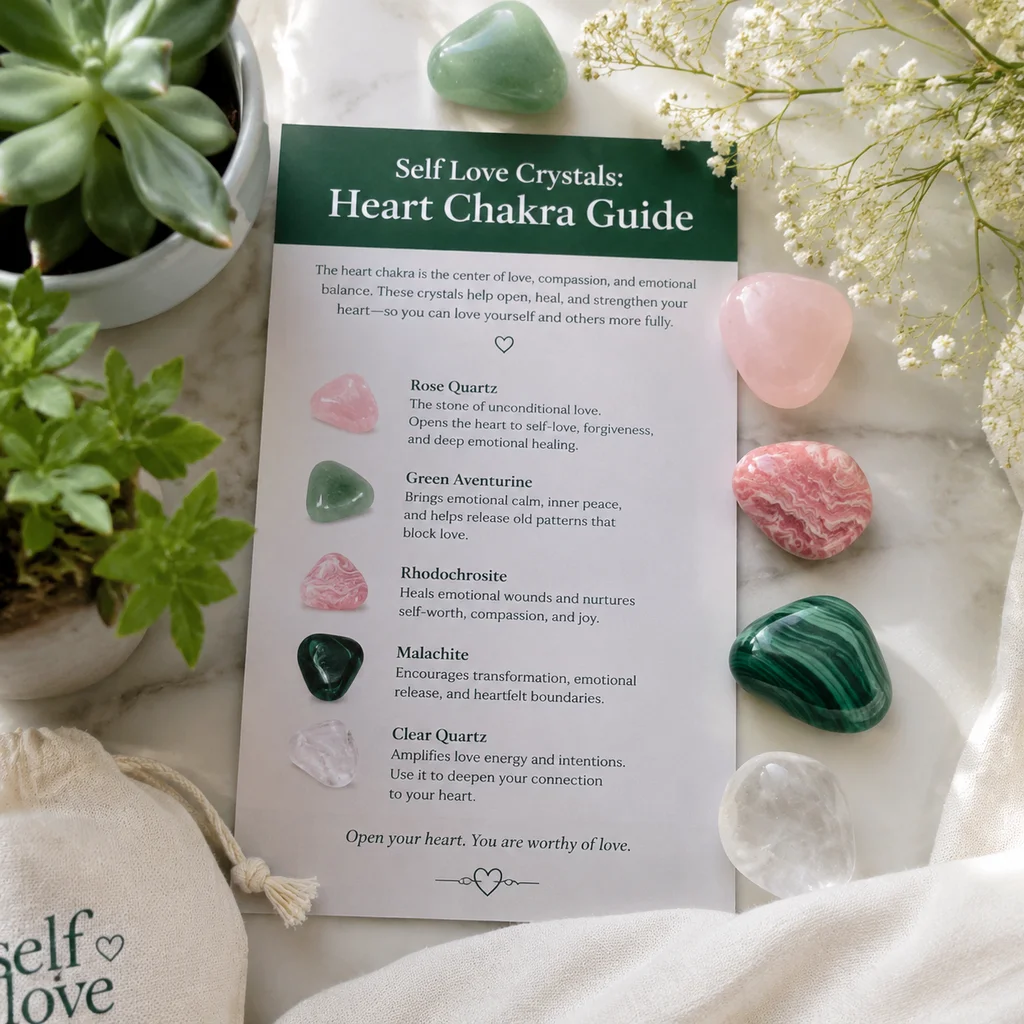
If you enjoy the beauty and energy of rhodonite, you might also be interested in these related crystals:- Rhodochrosite: A manganese carbonate that shares the pink color with rhodonite but has a slightly softer texture.
- Malachite: A green mineral with a rich, vibrant color that can complement the pink hues of rhodonite.
- Chrysocolla: A hydrous copper silicate with a blue-green color that can be paired with rhodonite for a striking contrast.
- Red Coral: A natural gemstone with a rich red color that can provide a complementary or contrasting look to rhodonite in jewelry designs.
Comments