Crystals for the Heart: Emotional Healing & S...
June 5, 2026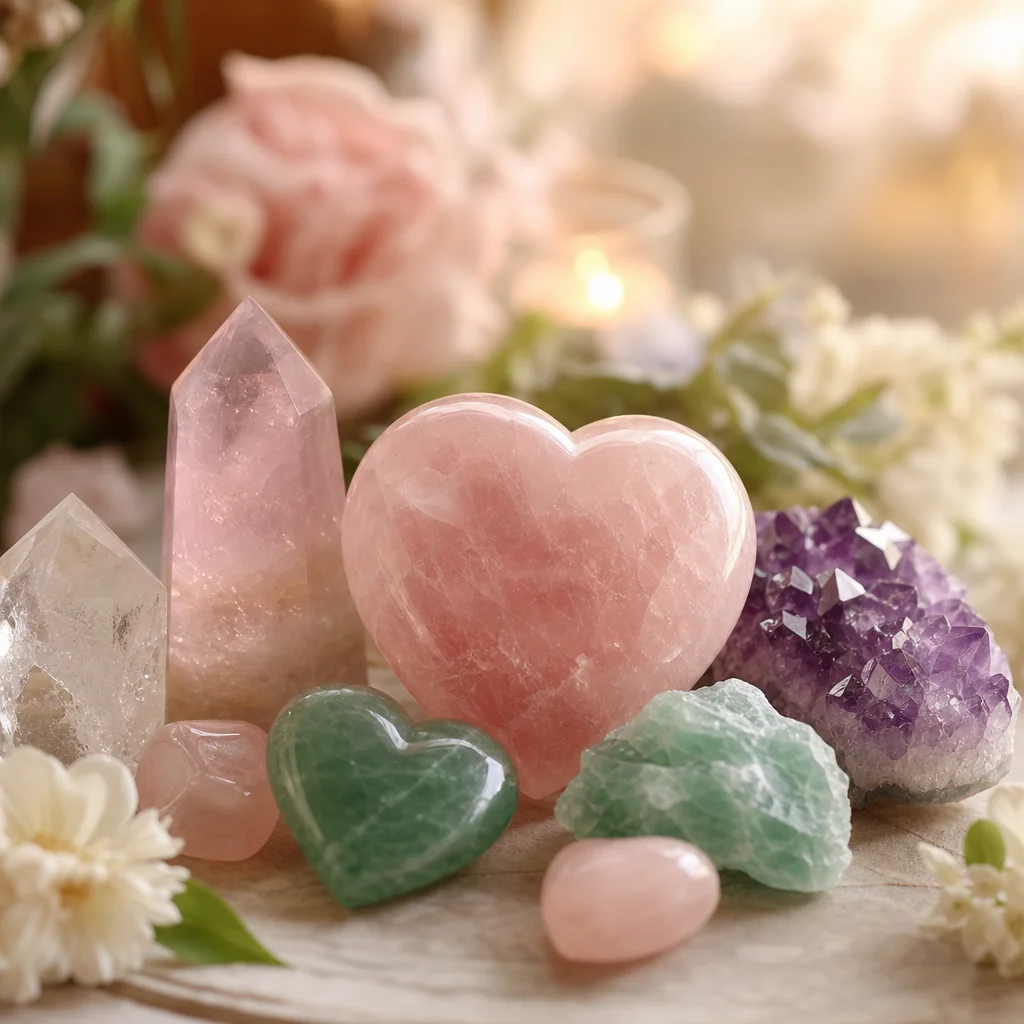
The Connection Between Crystals and Emotional Healing
Emotional healing is messy, non-linear, and deeply personal. There's no single crystal that erases years of pain, and any source that tells you otherwise is being dishonest. What crystals can do is serve as tools in a broader healing practice — tangible objects that help you focus your intention, create ritual around self-care, and remind you to prioritize your emotional well-being on difficult days.
The relationship between humans and stones is older than civilization. Ancient Egyptians carried carnelian for courage, Greeks used hematite for grounding, and Chinese scholars kept jade for moral cultivation. These practices weren't based on scientific evidence — they were based on the universal human tendency to find comfort in beautiful, enduring natural objects. Modern crystal healing draws on this tradition, updating it with contemporary understanding of psychology, mindfulness, and the placebo effect.
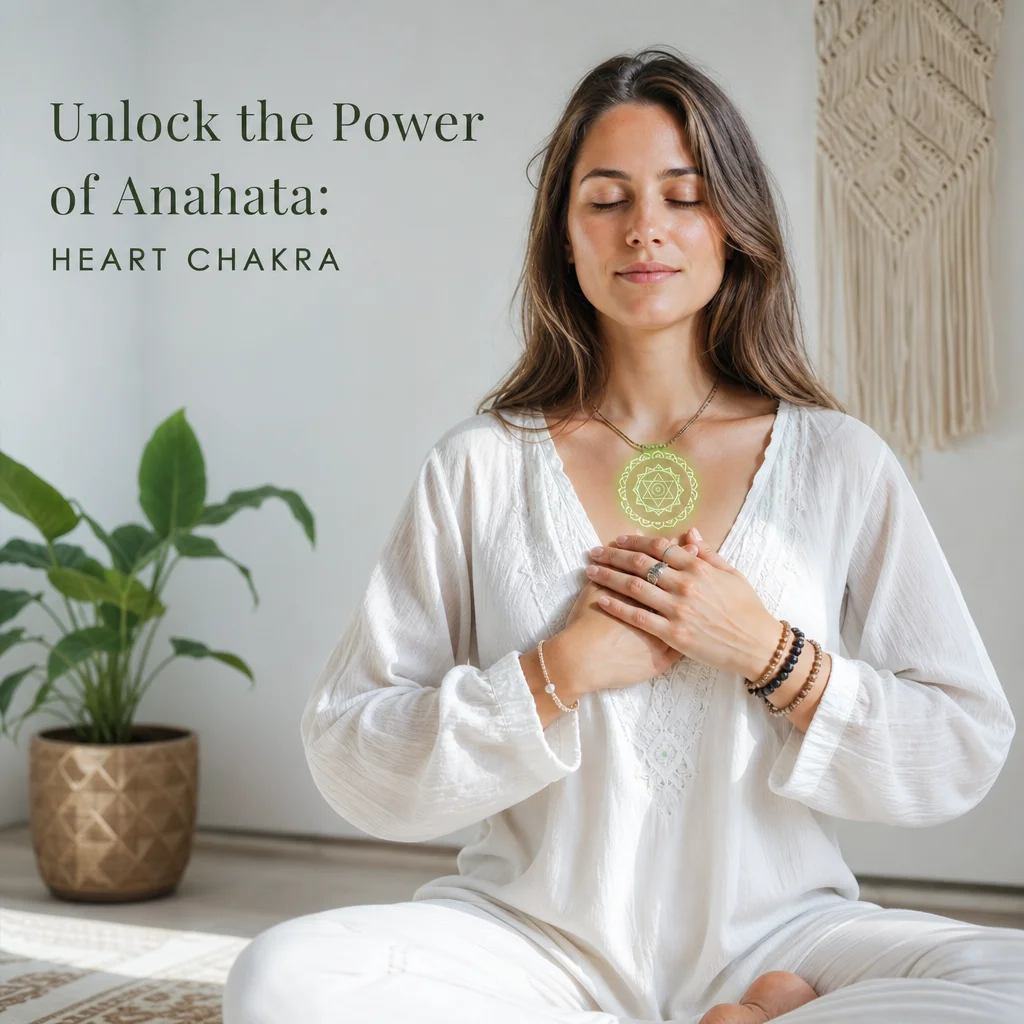
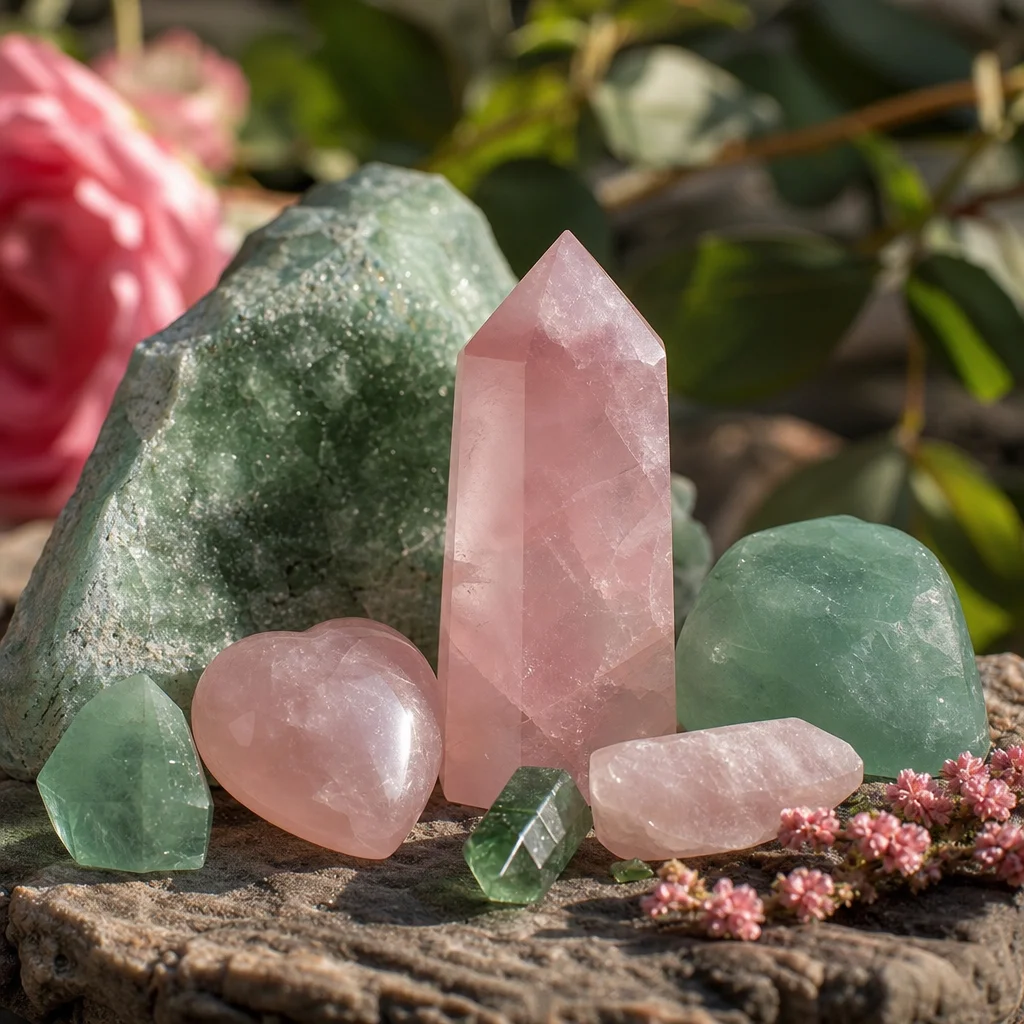
For heart-centered emotional healing, the crystal tradition focuses on green and pink stones that correspond to the heart chakra (Anahata). Whether or not you subscribe to chakra theory, the color association itself has psychological weight — green and pink are universally experienced as calming, nurturing, and emotionally warm colors. Working with stones in these colors creates a visual and tactile framework for processing difficult emotions.
Rose Quartz: The Foundation of Self-Love
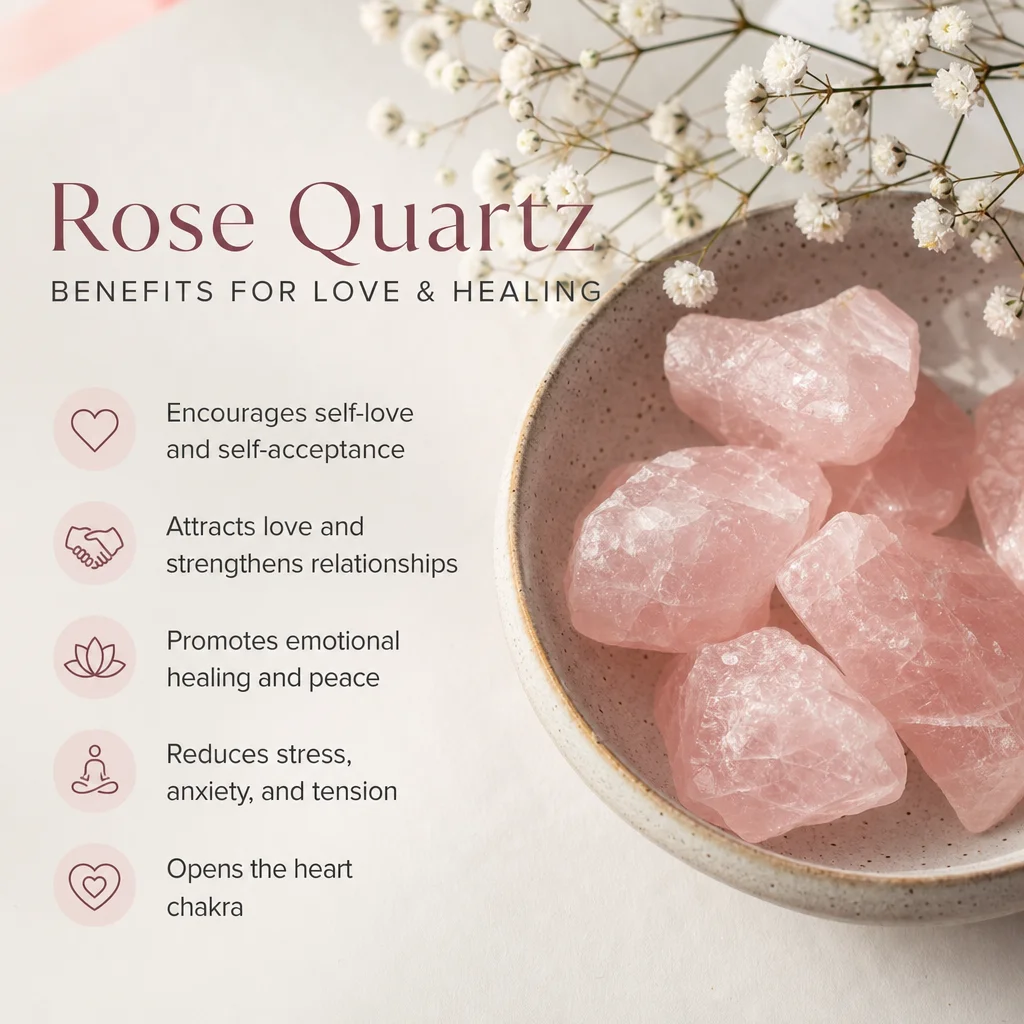
Rose quartz is the starting point for almost every emotional healing journey, and for good reason. This pink variety of quartz (silicon dioxide colored by trace amounts of titanium, iron, or manganese) has been used in love talismans for thousands of years. The Romans believed rose quartz could restore youth and beauty. In medieval Europe, it was used in love potions. Today, it remains the most accessible and widely recommended stone for matters of the heart.
For self-compassion work, rose quartz excels because its energy is gentle and non-demanding. Unlike some crystals that can feel intense or overwhelming, rose quartz is consistently described as soothing, like a warm blanket for your emotions. When you're going through a period of self-criticism, self-doubt, or emotional exhaustion, rose quartz provides a simple, tangible way to interrupt negative self-talk patterns.
Practical exercise: Hold a piece of rose quartz against your chest, over your heart, for 5 minutes while breathing slowly. With each exhale, consciously release one self-critical thought. With each inhale, silently affirm "I am worthy of kindness, starting with my own." This exercise works regardless of what you believe about crystal energy — the combination of focused breathing, physical touch, and intentional self-talk is a validated therapeutic technique. The rose quartz simply makes the ritual feel more substantial and intentional.
Rhodonite: Healing Relationship Wounds
Rhodonite is a manganese silicate mineral that ranges from pale pink to deep rose-red, often with black manganese oxide veins running through it. Those dark inclusions are actually part of what makes rhodonite special for emotional healing — the contrast between the pink stone and dark veining mirrors the human experience of finding love and beauty alongside pain and shadow.
Rhodonite is specifically recommended for emotional wounds related to relationships — betrayal, rejection, codependency, and toxic family dynamics. Where rose quartz focuses on opening the heart to love, rhodonite focuses on healing the damage that closed it in the first place. If you find yourself repeating unhealthy relationship patterns, struggling with trust, or carrying resentment from past relationships, rhodonite is often the more appropriate choice.
Practical exercise: Write the name of a relationship that caused you pain on a small piece of paper. Place it under a rhodonite stone. Each morning, hold the stone and spend 2 minutes recalling the lesson you learned from that relationship — not the pain, but the growth. After 7 days, safely burn or bury the paper as a symbolic release. This ritual transforms passive resentment into active learning, which is the essence of genuine emotional healing.
Rhodochrosite: Inner Child Work and Emotional Release
Rhodochrosite (manganese carbonate) is one of the most visually striking pink stones, with its characteristic banded patterns of pink, white, and sometimes salmon-orange. It forms in rhombohedral crystals and is relatively soft (3.5-4 on the Mohs scale), which means it's best used in pendants, earrings, and loose specimen work rather than rings or bracelets that experience heavy wear.
In crystal healing, rhodochrosite is the go-to stone for inner child work. The inner child concept refers to the emotional patterns, beliefs, and wounds formed during childhood that continue to influence adult behavior. If you find yourself overreacting to minor criticism, seeking validation from unavailable people, or feeling a deep, unexplainable sadness that seems to have no present cause, inner child healing may be relevant.
Rhodochrosite's energy is described as both nurturing and gently confronting — it provides comfort while encouraging honest self-examination. This combination is rare and valuable, because emotional healing work that's only comforting never creates change, and work that's only confronting creates overwhelm. Rhodochrosite walks the middle path.
Practical exercise: Hold rhodochrosite in your receiving (non-dominant) hand. Close your eyes and mentally return to a childhood memory that still carries emotional weight. Instead of re-experiencing the pain, imagine your adult self entering the scene and comforting your younger self. What would you say? What would you do differently? Spend 10 minutes in this visualization. The rhodochrosite provides a tactile anchor that helps keep you present during what can be an emotionally intense exercise.
Kunzite: Opening to Emotional Vulnerability
Kunzite, the pink variety of spodumene, deserves special mention for emotional healing work because it specifically targets emotional openness and vulnerability. Many people who experience emotional pain respond by building walls — refusing to feel deeply, avoiding intimate connection, or presenting a tough exterior that hides genuine emotion. This protective strategy is understandable, but over time it prevents the very emotional experiences (love, joy, connection) that make life meaningful.
Kunzite's soft pink-to-lilac color and its association with emotional openness make it the right choice for people who recognize they've closed themselves off and want to reopen gently. It's not about becoming emotionally vulnerable in unsafe situations — it's about having the courage to feel authentically when the environment and people involved are trustworthy.
Practical exercise: Wear kunzite as a pendant for 7 consecutive days. Each day, practice one small act of emotional vulnerability — telling a friend how much they mean to you, expressing genuine emotion during a conversation, or simply allowing yourself to feel a feeling fully without suppressing it. The kunzite serves as a physical reminder of your commitment to openness.
Green Jade: Calm Equilibrium for the Emotional Body
Jade (both nephrite and jadeite) has been the stone of emotional balance in East Asian cultures for over 5,000 years. Its cool, smooth texture and enduring green color create a sense of stability that few other stones match. For emotional healing, jade is recommended when the primary need is equilibrium — when emotions swing between extremes and the goal is to find a steady, centered baseline.
Jade doesn't push emotional processing the way rhodochrosite or rhodonite does. Instead, it provides a calm foundation from which you can do your own work at your own pace. Think of jade as the steady hand on your shoulder that says "take your time, I'm not going anywhere." This quiet, patient energy is exactly what some people need, particularly if they're already in therapy or actively processing trauma through other means.
Practical exercise: Hold a piece of jade in each hand during meditation. Focus on the physical sensation — the cool weight, the smooth surface, the gentle pressure against your palms. Don't try to process emotions or achieve any particular state. Simply sit with the stone and your own awareness. This non-directive practice of "just being" with an object of beauty is remarkably calming and can interrupt anxiety spirals more effectively than trying to think your way out of them.
Pink Opal: Gentle Emotional Release
Pink opal is a common opal (amorphous silica) colored pink by trace amounts of organic compounds or manganese. Unlike precious opal with its play of color, pink opal has a soft, almost pastel appearance — a gentle pink with occasional cream or peachy inclusions. It's not flashy, and that's exactly why it works so well for emotional healing.
Pink opal is associated with emotional release — specifically, the letting go of stored emotional pain, trauma residue, and grief. In crystal healing, it's sometimes called the "stone of spiritual awakening through emotional healing." Practitioners describe its energy as gentle and cleansing, like warm water washing over old wounds without scrubbing too hard.
For people who find the more intense heart stones (rhodonite, rhodochrosite) overwhelming, pink opal offers a softer entry point. It's ideal for days when you want emotional support without the intensity of deep processing work. Keep a piece of pink opal on your nightstand or carry one in your pocket during emotionally demanding days.
Heart Chakra Crystal Layout for Deep Healing
For a comprehensive emotional healing session, combine multiple heart-centered crystals in a body layout. Lie down in a comfortable position and place stones on or near your body in this arrangement:
Chest center (heart chakra): Rose quartz or rhodonite — the primary healing stone for the session.
Left of chest: Kunzite — supporting emotional openness.
Right of chest: Green aventurine — supporting emotional growth and new patterns.
Throat: Blue lace agate — supporting honest communication of your feelings.
Forehead (third eye): Amethyst — supporting intuitive understanding of your emotional patterns.
Belly (solar plexus): Citrine — supporting self-confidence and personal power.
Remain in this layout for 15-20 minutes, breathing slowly and allowing your attention to move between the stones without forcing any particular emotional response. Some days you'll feel waves of emotion. Other days you'll feel nothing but calm. Both experiences are valid and valuable.
Choosing the Right Form: Raw, Tumbled, or Jewelry
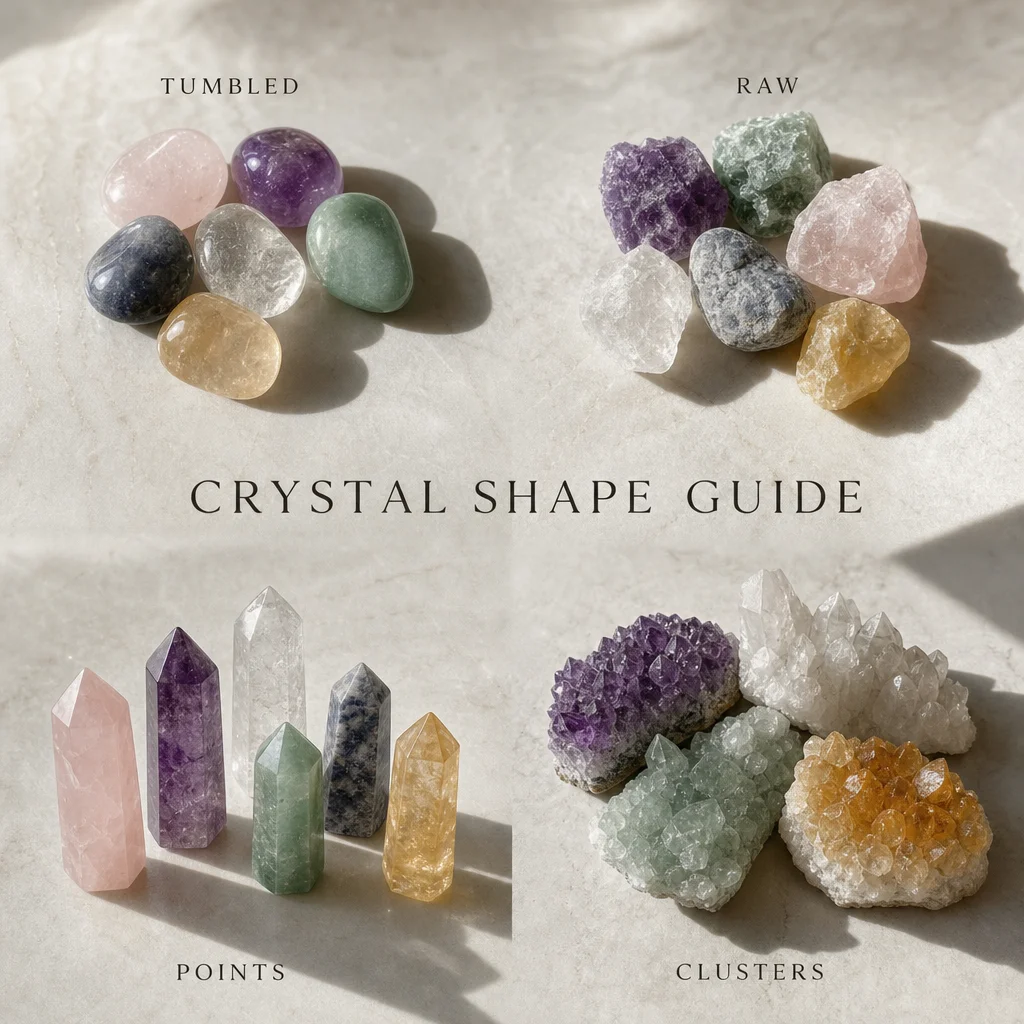
Crystal form affects the practical experience of working with emotional healing stones. Raw or rough specimens carry the most "wild" energy — they look exactly as they came from the earth, which some people find more authentic and powerful. Tumbled stones are smooth, palm-sized, and comfortable to hold during meditation. Crystal jewelry keeps the stone in continuous contact with your body throughout the day.
For emotional healing, the recommendation is usually a combination: a tumbled stone for active meditation sessions (held in the hand or placed on the body) and jewelry for passive, all-day support. A rose quartz pendant worn against the heart combined with a tumbled rhodonite for bedtime meditation gives you both continuous subtle support and focused deep-work tools.
Frequently Asked Questions
Can crystals replace therapy for emotional healing?
No. Crystals are complementary tools, not substitutes for professional mental health care. If you're dealing with clinical depression, anxiety disorders, PTSD, or any mental health condition, a licensed therapist is the primary resource. Crystals can enhance your self-care routine and support therapeutic work, but they should never replace professional treatment.
How do I know which heart crystal is right for me?
Start with the one that draws your attention. If you're browsing a crystal shop and one particular stone catches your eye or feels right in your hand, that's usually the right starting point. Intuition plays a significant role in crystal selection — trust it. If you're choosing online, read through the descriptions and notice which stone's energy resonates with your current emotional needs.
How long does crystal emotional healing take?
There's no fixed timeline. Emotional healing is not linear, and progress often looks like two steps forward and one step back. Some people notice shifts within days of starting a crystal practice. Others work with the same stones for months before recognizing how much has changed. The crystals provide support along the way — they don't set the pace. Your emotional system sets the pace, and rushing it usually backfires.
Frequently Asked Questions
How do I cleanse and charge my heart chakra jewelry?
To keep your handcrafted emotional healing jewelry vibrating at its highest frequency, cleanse it regularly. You can gently rinse your SagStone crystal pieces in cool water, place them on a selenite charging plate, or leave them under the soft glow of the moonlight. Avoid harsh chemicals to protect the natural integrity of the stones.
Which crystal is best for healing a broken heart?
Rose quartz and rhodonite are the ultimate crystals for a broken heart. Rose quartz gently nurtures you back to self-love and compassion, while rhodonite helps process the deeper grief, resentment, and emotional wounds left behind by relationship betrayals or sudden breakups. Wearing them together as artisan jewelry provides constant, comforting support.
Comments