Unlock the Power of Anahata: Heart Chakra
May 28, 2026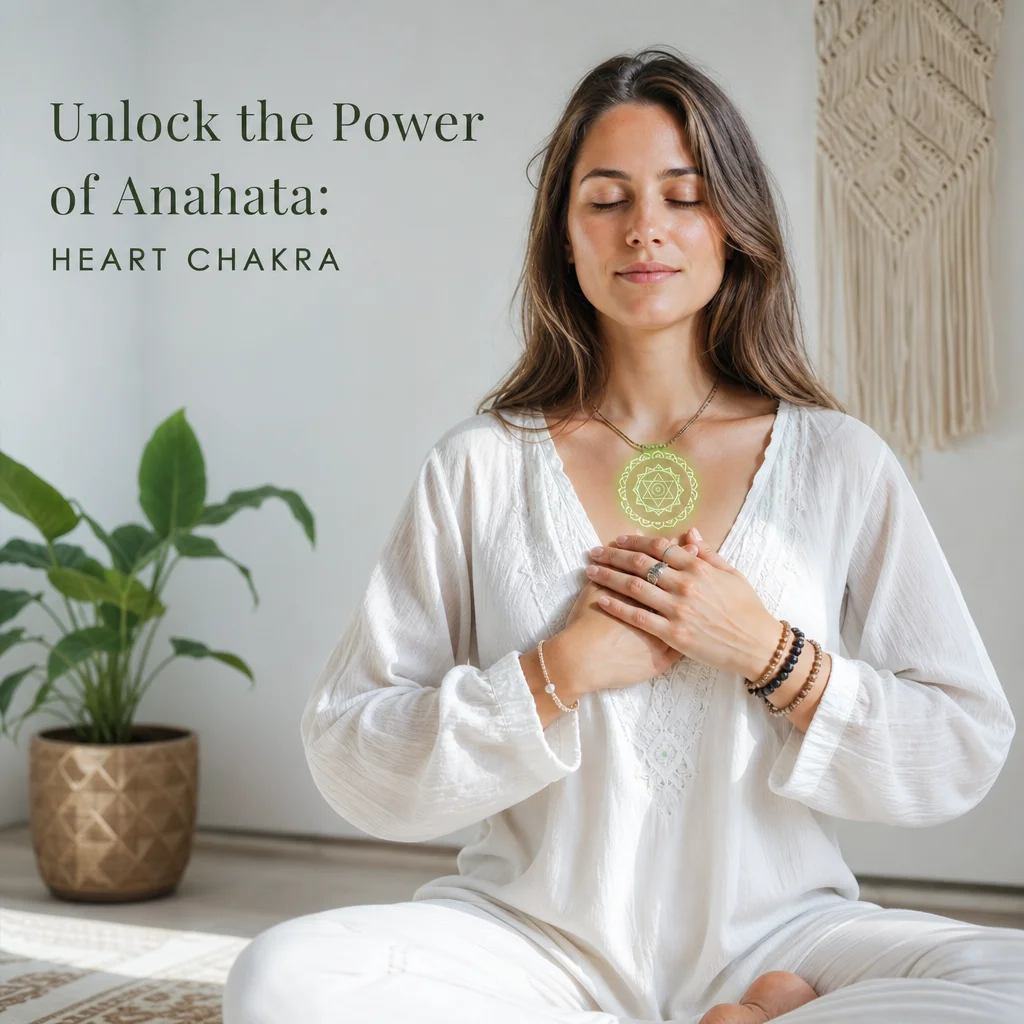
The Heart Chakra: Where Everything Connects
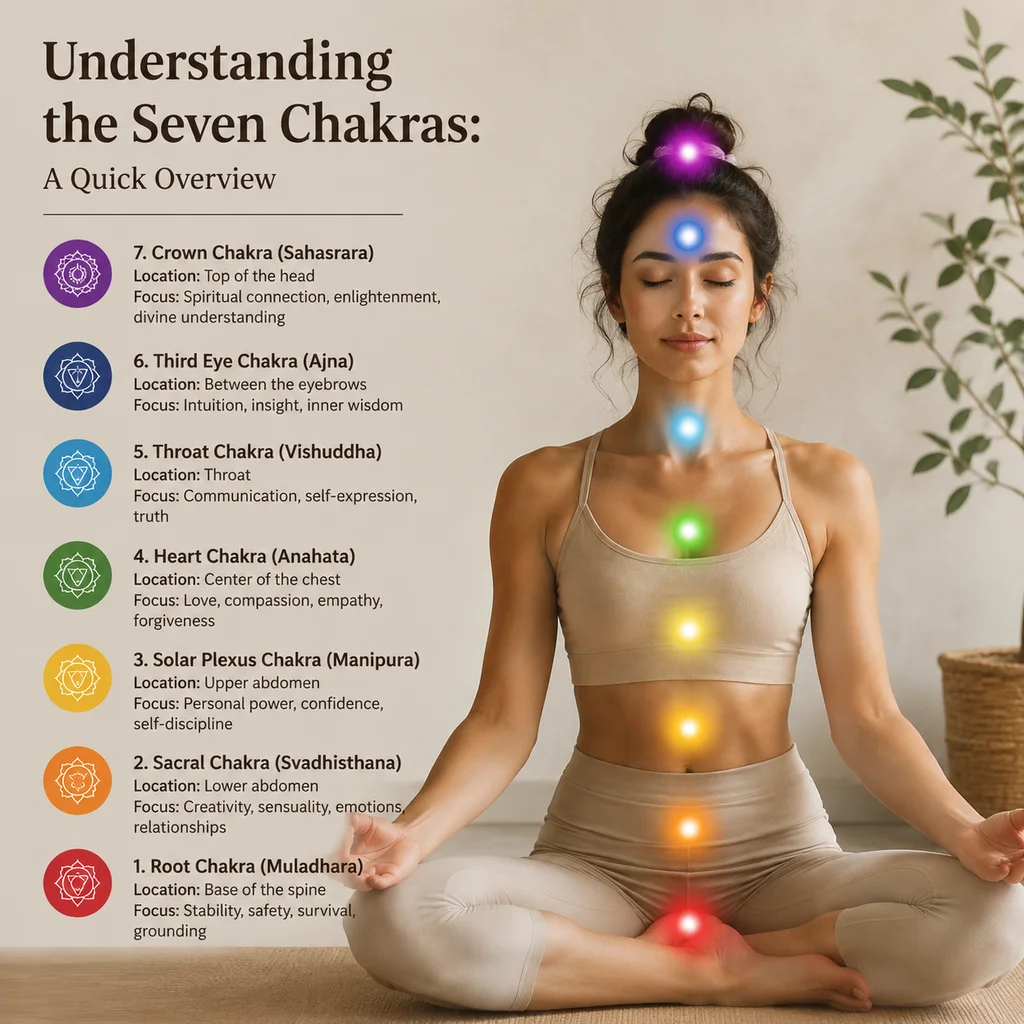
The heart chakra, or Anahata (Sanskrit for "unhurt" or "unstruck"), sits at the center of your chest. It's the fourth chakra and occupies a unique position: it's the bridge between the lower three chakras (which deal with physical survival, emotions, and personal power) and the upper three (which govern communication, intuition, and spiritual connection).
This bridging function is what makes the heart chakra so important — and so easily thrown off balance. When your heart chakra is open and flowing, you can hold compassion for yourself and others simultaneously. You can set boundaries without building walls. You can grieve without getting stuck in grief. You can love without losing yourself.
When it's blocked, you might notice patterns like: keeping people at arm's length, holding onto grudges long after the situation has passed, struggling to accept love or compliments, or giving so much to others that you have nothing left for yourself.
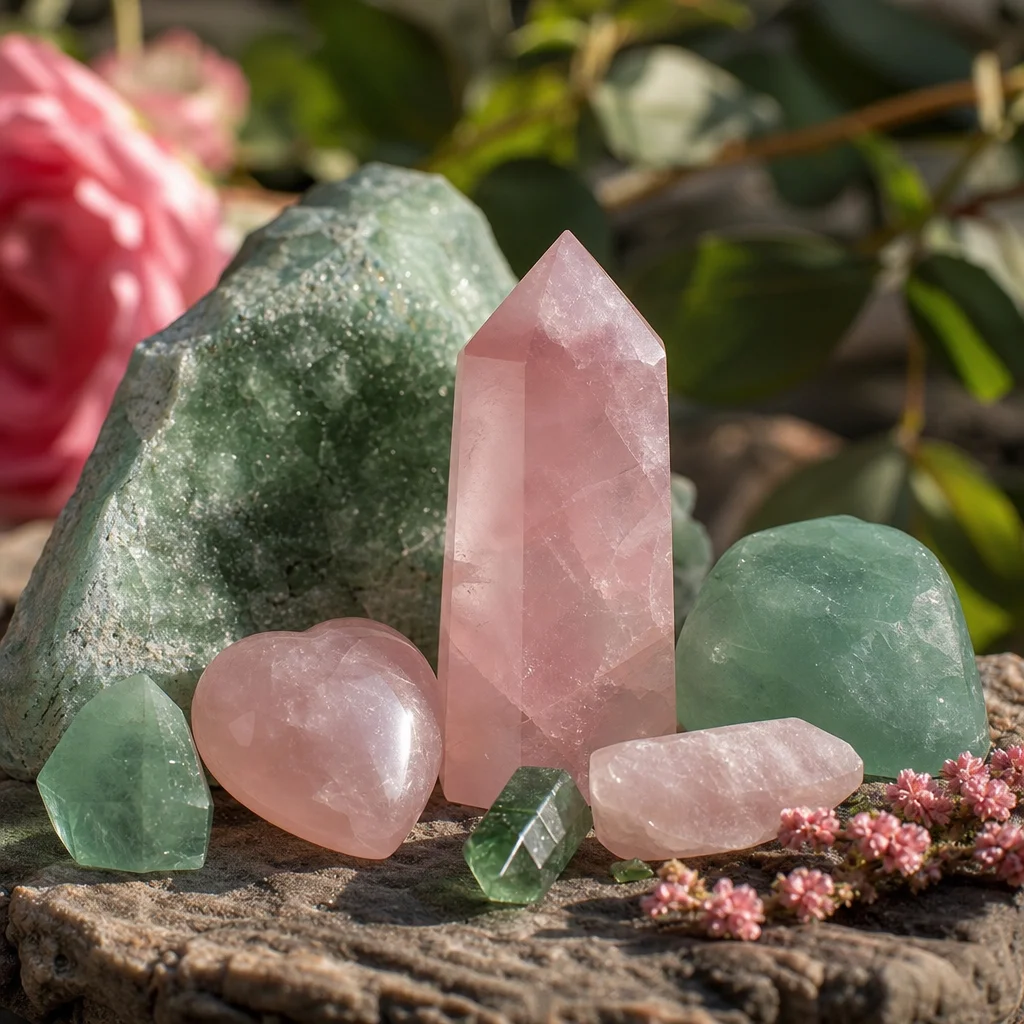
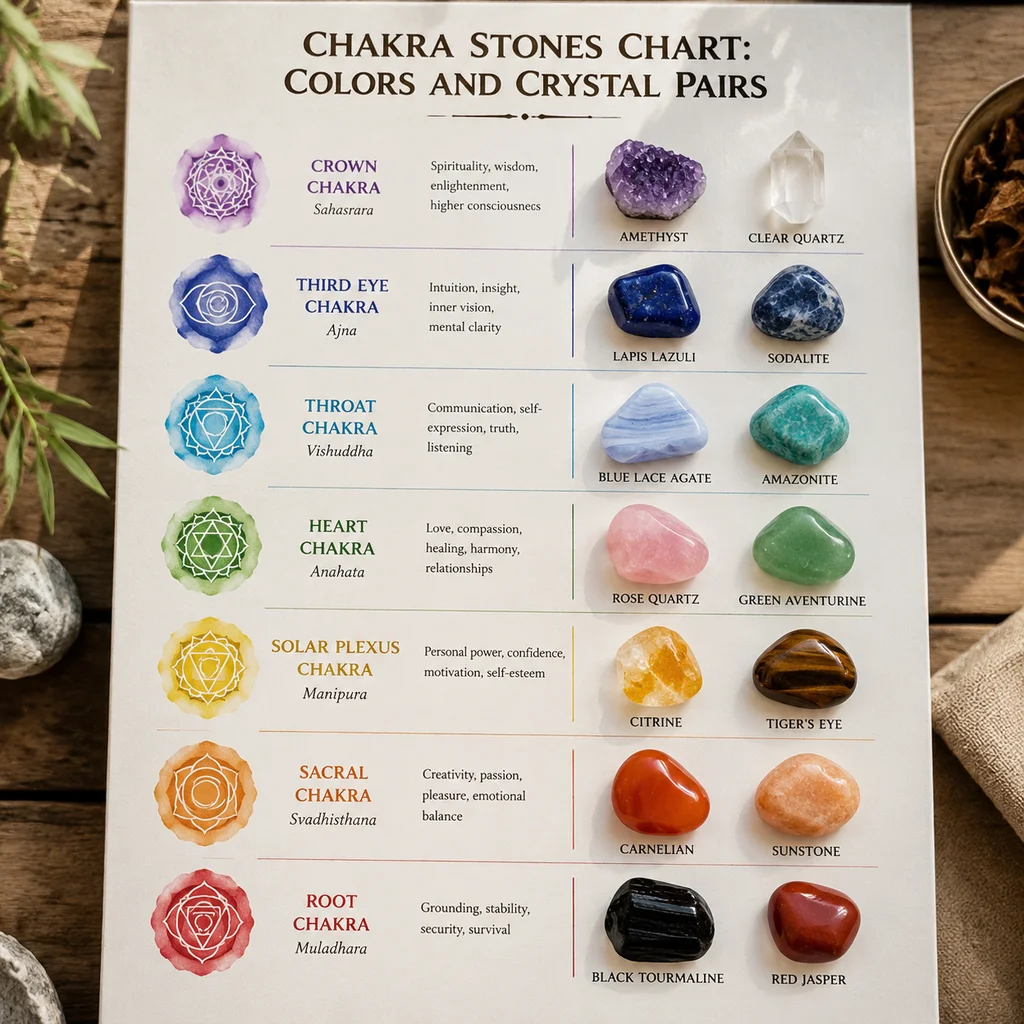
The heart chakra is associated with both green and pink — green for growth and renewal, pink for unconditional love. The crystals connected to this chakra reflect both colors, and each one addresses a different aspect of heart-centered work.
9 Heart Chakra Crystals and Their Specific Roles
1. Rose Quartz — The Universal Love Stone
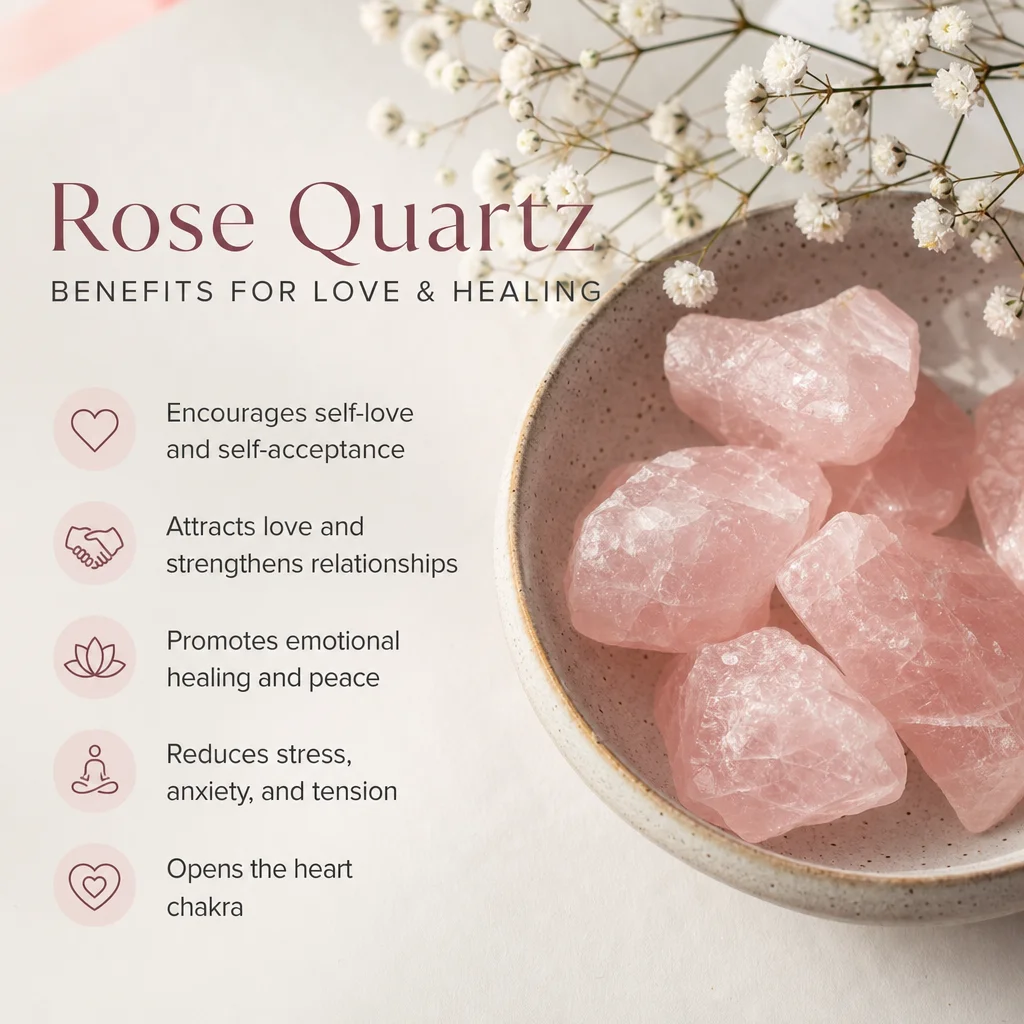
Rose quartz is to the heart chakra what water is to a garden — fundamental, nurturing, and endlessly applicable. This pink variety of quartz has been used in love talismans since at least 600 BCE, when the Assyrians and Romans carved rose quartz into beads and amulets.
What makes rose quartz special for heart chakra work isn't any mystical property but its gentle, consistent energy. Unlike stones that work quickly and intensely, rose quartz builds gradually. It supports self-love first and foremost — you can't truly love others from an empty tank.
Best for: Self-compassion, grief processing, attracting new love (by helping you become the version of yourself that's ready for it), soothing emotional wounds that keep reopening.
2. Green Aventurine — The Optimism Stone
Green aventurine is often called the "stone of opportunity," and its connection to the heart chakra is about openness — staying receptive to good things rather than closing down after disappointment. The name comes from the Italian "a ventura," meaning "by chance," because aventurine was discovered accidentally in the 18th century.
For the heart chakra, green aventurine addresses a specific pattern: the tendency to protect yourself by expecting the worst. It doesn't make you naively optimistic; instead, it helps you stay open to possibility without abandoning your discernment.
Best for: Moving on after heartbreak, starting new relationships without carrying old baggage, maintaining hope during difficult times, career changes that require emotional courage.
3. Rhodonite — The Forgiveness Stone
Rhodonite's pink-and-black coloring is a visual metaphor for what it does: the pink represents love and compassion, while the black veins represent the pain and anger that need to be processed before forgiveness can happen. You can't skip the hard part.
Rhodonite has been used since ancient times as a stone of compassion, particularly in Russia, where large deposits were discovered in the Ural Mountains. The Russians carved rhodonite into everything from sarcophagi to dinnerware — it was considered a stone of nobility and generosity of spirit.
Best for: Forgiveness work (of others and yourself), healing from betrayal, processing anger that's blocking emotional connection, rebuilding trust after it's been broken.
4. Malachite — The Transformation Stone
Malachite's dramatic green bands make it one of the most visually striking heart chakra stones, but its reputation comes with a warning: malachite is sometimes called the "stone of transformation" because it tends to surface whatever needs to be addressed, whether you're ready or not.
The ancient Egyptians used malachite extensively — ground it into pigment for eye makeup, carved it into amulets, and placed it in tombs. They associated it with Hathor, the goddess of love and joy. But they also recognized its power and used it with intention rather than casually.
For the heart chakra, malachite works best when you're actively processing something difficult — a breakup, a loss, a family conflict. It's not a casual everyday stone. Think of it as the therapist you see when things are intense, not the friend you call for a casual chat.
Best for: Deep emotional processing, breaking repeating relationship patterns, releasing stored grief, courage to face difficult truths about your relationships.
5. Jade — The Harmony Stone
Jade has been revered in Chinese culture for over 7,000 years — longer than any other gemstone in any culture. The Chinese word for jade, "yu," originally referred to any beautiful stone, but over time it became synonymous with the specific qualities jade represents: purity, moral integrity, grace, and beauty.
For the heart chakra, jade supports harmony in relationships — not by avoiding conflict but by approaching disagreements with goodwill rather than defensiveness. Jade's energy is steady and mature. It doesn't create dramatic shifts; it creates sustainable ones.
Best for: Long-term relationship harmony, family dynamics, balancing giving and receiving, creating peaceful home environments.
6. Emerald — The Devotion Stone
Emerald is one of the most valuable heart chakra stones, and its association with love and devotion spans cultures. Cleopatra famously claimed all emerald mines in Egypt as her own. The Mughal Empire inscribed emeralds with prayers. And in medieval Europe, emerald was believed to reveal whether a lover was faithful.
What emerald brings to heart chakra work is a sense of devoted attention — the willingness to stay present with someone (including yourself) through difficulty rather than checking out. Emerald supports loyalty, patience, and the kind of love that endures.
Best for: Committed relationships, deepening intimacy, patience in long-term partnerships, self-devotion during challenging personal work.
7. Amazonite — The Truth-Telling Stone
Amazonite's teal-green color and white streaks make it one of the more recognizable heart chakra stones. Named after the Amazon River (though it's not actually found there), amazonite was used by the ancient Egyptians and Mesopotamians in jewelry and amulets.
The heart chakra connection for amazonite is about honest communication in relationships. Many heart chakra blockages stem from unspoken truths — things you've swallowed to keep the peace, feelings you've hidden to avoid rejection, or needs you've neglected because expressing them felt too vulnerable.
Best for: Expressing feelings you've been suppressing, honest conversations in relationships, setting emotional boundaries, speaking your truth without aggression.
8. Rhodochrosite — The Inner Child Stone
Rhodochrosite, with its distinctive pink-and-white banding, has a particularly tender energy. It's sometimes called the "stone of the compassionate heart," but a more accurate description might be the "stone of the wounded inner child." Rhodochrosite helps connect with the younger version of yourself who first learned to close the heart as a protection mechanism.
The Inca civilization considered rhodochrosite the blood of their former rulers turned to stone. Whether or not you connect with that imagery, rhodochrosite supports a specific kind of heart healing: the kind that requires you to be gentle with yourself rather than pushing through pain.
Best for: Childhood emotional wounds, self-parenting work, learning to receive love when it feels unfamiliar, softening emotional armor that's been in place for years.
9. Prehnite — The "Letting Go" Stone
Prehnite is a pale green to yellow-green stone that's less famous than rose quartz or jade but deserves attention for heart chakra work. Named after Colonel Hendrik von Prehn, who brought the first specimens from South Africa to Europe in the 1700s, prehnite has a quiet, calming quality.
For the heart chakra, prehnite addresses the pattern of hoarding emotional pain — holding onto memories, hurts, and old stories long past the point where they serve any useful purpose. Prehnite supports the process of letting go without pretending the pain didn't matter.
Best for: Releasing attachment to past relationships, decluttering emotional baggage, creating space for new experiences, finding peace after loss.
How to Tell If Your Heart Chakra Needs Work
Heart chakra imbalances show up differently depending on whether it's underactive or overactive:
Underactive Heart Chakra
- Difficulty trusting others, even those who've earned it
- Feeling disconnected or numb in relationships
- Holding grudges from years ago
- Self-isolation as a default pattern
- Inability to accept compliments or acts of kindness
- Feeling unworthy of love, despite evidence to the contrary
Overactive Heart Chakra
- Giving to others at your own expense consistently
- Accepting poor treatment because "love means sacrifice"
- Boundary-less relationships — no clear sense of where you end and someone else begins
- Codependent patterns
- Feeling responsible for other people's emotions
Most heart chakra work involves finding the middle ground between these two extremes — open enough to connect, grounded enough to protect yourself.
Heart Chakra Crystal Meditation
This meditation works well with any of the stones above but pairs particularly well with rose quartz or green aventurine for beginners:
- Lie on your back with your knees bent and feet flat on the floor. This position opens the chest area physically, which supports the energetic work.
- Place your chosen crystal directly on your sternum (breastbone). If you're using multiple stones, create a small circle around the first one.
- Breathe into your chest. Not your belly — specifically your chest. Most of us are taught to breathe deeply into the abdomen, but for heart chakra work, you want to expand the ribcage and chest area. Imagine each breath gently opening the space beneath the crystal.
- Bring to mind someone you love without complication — a pet, a child, a close friend. Notice the physical sensation that arises. That warmth or expansion in your chest is what an open heart chakra feels like.
- Now direct that same feeling toward yourself. This is often the hardest part. If resistance comes up, notice it without judgment. That resistance is information about where your heart chakra is blocked.
- Stay for 10-15 minutes. When you're ready to close, place your hand over the crystal and take three deep breaths, imagining the energy settling into your chest like a warm glow.
Pairing Heart Chakra Stones with Other Crystals
| Combination | Purpose | Stones |
|---|---|---|
| Heart + Root | Secure love — feeling safe enough to be vulnerable | Rose Quartz + Smoky Quartz |
| Heart + Solar Plexus | Loving with boundaries — compassion without self-sacrifice | Rhodonite + Citrine |
| Heart + Throat | Honest communication in relationships | Amazonite + Lapis Lazuli |
| Heart + Third Eye | Intuitive understanding of relationship dynamics | Rhodochrosite + Amethyst |
| Heart + Crown | Universal compassion and spiritual love | Jade + Selenite |
Wearing Heart Chakra Crystals
The most effective way to wear heart chakra stones is at chest level — pendants, long necklaces, or brooches. Here are specific recommendations by situation:
- Daily wear: A rose quartz pendant or green aventurine bracelet. Both are gentle enough for constant contact and durable for everyday use.
- Difficult conversations: Amazonite as a necklace. Its truth-telling energy supports honest communication.
- After a loss: Rhodonite close to the chest. Its forgiveness energy helps process grief without rushing it.
- During a new relationship: Green aventurine. Its openness energy helps you stay receptive without repeating old patterns.
- Self-love work: Rhodochrosite or rose quartz worn against the skin, under clothing if needed — this is deeply personal work and doesn't need to be displayed.
Heart Chakra Crystal Care
Several heart chakra stones require specific care:
- Keep away from water: Malachite (copper content — toxic in water), selenite (dissolves)
- Avoid direct sunlight: Rose quartz and amethyst can fade with prolonged sun exposure
- Avoid salt: Emerald has natural inclusions and fractures that salt can worsen
- Safe for all cleansing methods: Green aventurine, jade, amazonite, rhodonite
- Recommended cleansing: Moonlight charging (especially during the full moon), sound cleansing with singing bowls, or placing on a selenite slab overnight
FAQ
Q: Which heart chakra crystal should I start with?
A: Rose quartz. It's affordable, widely available, gentle, and effective for the most common heart chakra issue (difficulty loving yourself). You can add other stones later as your needs become more specific.
Q: Can heart chakra crystals help with a breakup?
A: Yes, but choose based on your stage of grief. Fresh breakup: rose quartz for self-care. Angry phase: rhodonite for processing anger. Ready to move on: green aventurine for openness. Ready for deep healing: malachite for transformation.
Q: I've been wearing rose quartz for months but don't feel different. Am I doing something wrong?
A: Wearing a stone passively is different from working with it actively. Try adding a daily 5-minute meditation where you hold the rose quartz and set a specific intention around self-love. The crystal is a focal point, not a magic pill.
Q: Are there crystals I should avoid if my heart chakra is overactive?
A: If you tend toward codependency or over-giving, avoid rhodochrosite (amplifies empathy) and emerald (amplifies devotion). Focus instead on amazonite (boundaries + truth) and green aventurine (self-directed optimism).
Q: Can I use all nine of these crystals together?
A: Technically yes, but it's overwhelming. Think of it like a spice rack — you don't use every spice in every dish. Choose 1-3 that match your current needs and rotate as those needs change.
Frequently Asked Questions
What are the best stones to open the heart chakra?
Rose Quartz is universally known as the ultimate stone for opening the heart chakra, but Green Aventurine and Rhodonite are also incredibly powerful. When you wear these handcrafted crystal pieces from SagStone, their gentle vibrations help dissolve emotional blockages, fostering deep compassion, self-love, and an open heart ready to give and receive love freely.
How do I know if my heart chakra is blocked?
You might have a blocked heart chakra if you are experiencing feelings of jealousy, fear of intimacy, holding onto past grudges, or isolating yourself from loved ones. Physically, it can sometimes manifest as chest tightness. Integrating heart-healing crystal jewelry into your daily routine can serve as a beautiful, wearable reminder to release grief and invite forgiveness back into your life.
Can wearing heart chakra jewelry actually help with healing?
Absolutely! Wearing handcrafted crystal jewelry, like a Green Aventurine pendant or Rose Quartz ring, keeps the healing vibrations directly against your skin. This continuous contact allows the stones to gently balance your Anahata throughout the day. Our artisan pieces are designed not just for their beauty, but to act as personal talismans that support your emotional healing journey wherever you go.
Which hand should I wear a heart chakra bracelet on?
In crystal healing practices, it is generally recommended to wear a heart chakra bracelet on your left hand. The left side is considered the receiving side of the body, making it the perfect pathway to absorb the loving, compassionate, and comforting energies of stones like Rose Quartz or Jade into your own aura, maximizing the emotional benefits of your handcrafted jewelry.
How often should I cleanse my heart chakra crystals?
Because heart chakra stones absorb and clear so much emotional energy, you should cleanse them regularly. If you wear your SagStone crystal jewelry daily, try to cleanse the pieces once a week. You can do this by placing them under the light of a full moon, using sound bowls, or resting them on a bed of Selenite to ensure their healing energy remains pure and vibrant.
Comments