Heart Chakra Blockage: 15 Warning Signs and C...
June 5, 2026
Understanding the Heart Chakra
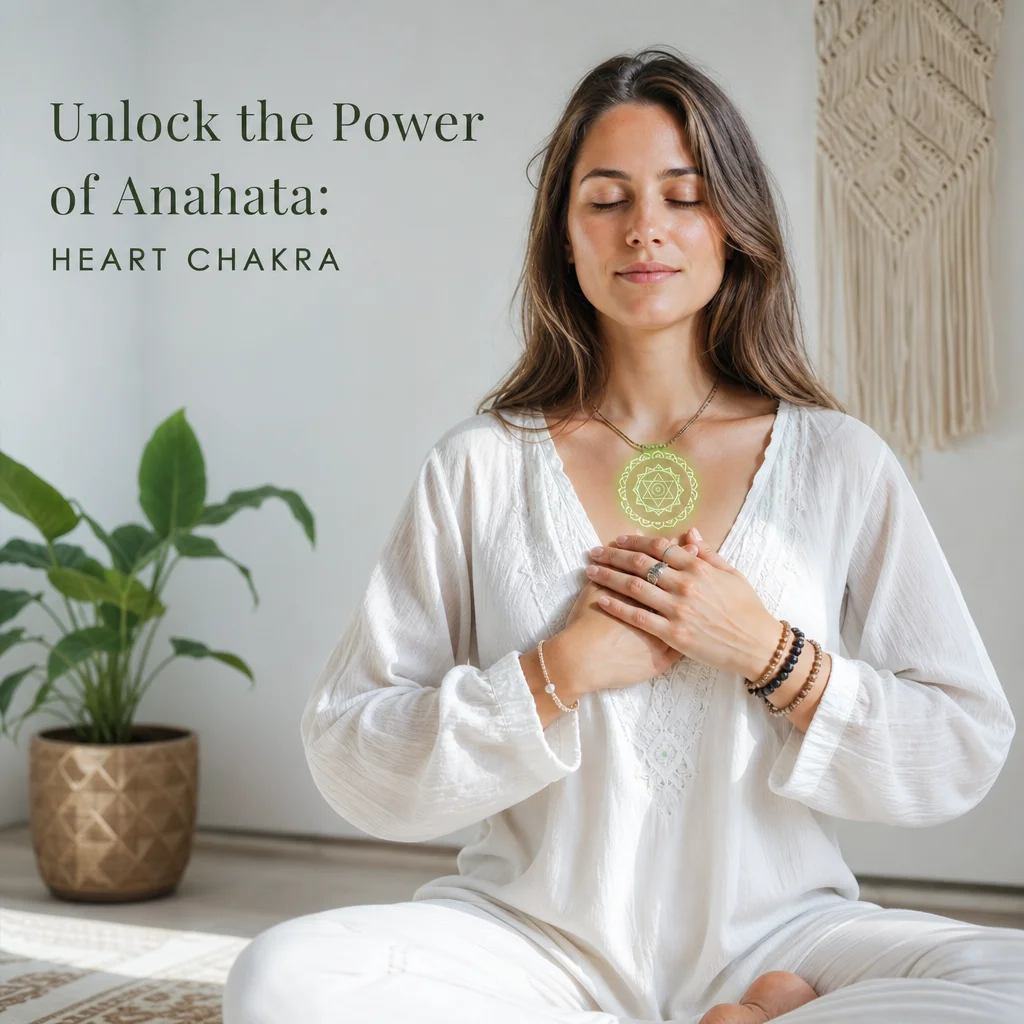
Before diving into the symptoms, it helps to understand what the heart chakra actually governs. Anahata is the fourth chakra in the traditional seven-chakra system, associated with the color green (sometimes pink), the element of air, and the emotional themes of love, forgiveness, compassion, empathy, and emotional balance. Physically, it connects to the heart organ, lungs, chest, shoulders, arms, and circulatory system.
A healthy heart chakra allows you to give and receive love freely, maintain appropriate boundaries in relationships, feel empathy without being overwhelmed, forgive yourself and others, and experience genuine joy in connection. A blocked heart chakra can manifest as either excessive emotional guardedness or its opposite — boundaryless over-giving. Both extremes indicate imbalance.
15 Warning Signs of Heart Chakra Blockage
1. Chronic Emotional Guardedness
You find it nearly impossible to open up to people, even those you trust. Conversations stay surface-level, and the idea of being emotionally vulnerable makes you deeply uncomfortable. This is not natural introversion — it is a defensive wall that was built over time and now operates on autopilot.
2. Difficulty Forgiving Others
When someone hurts you, the resentment does not fade with time. You replay the event mentally, hold onto grudges long after the situation has passed, and find it nearly impossible to let go even when you intellectually know that holding on harms you more than the original offense.
3. Feeling Unworthy of Love
Deep down, you carry a persistent belief that you are not lovable, not enough, or fundamentally flawed in some way. This often shows up as self-sabotage in relationships — pushing people away, picking partners who reinforce the belief, or settling for less than you deserve because you do not believe better is possible.
4. People-Pleasing and Over-Giving
You routinely put everyone else's needs before your own, often to your own detriment. Saying "no" feels impossible. You might overcommit, drain yourself emotionally, and then wonder why you feel empty and resentful — a classic cycle of over-giving that signals an imbalanced rather than truly open heart chakra.
5. Physical Chest Tightness
You experience unexplained tension, heaviness, or discomfort in your chest area. This is not necessarily a medical condition (though you should always consult a doctor for chest symptoms), but many people with heart chakra blocks report a persistent sensation of tightness or pressure in the center of the chest that does not correspond to any diagnosed physical issue.
6. Fear of Intimacy
As relationships deepen, you feel an overwhelming urge to pull away. Emotional closeness triggers anxiety rather than comfort. You might find yourself creating conflict or finding faults in a partner precisely when things start getting serious, because vulnerability feels threatening.
7. Jealousy and Comparison
You frequently compare yourself to others and experience envy over their happiness, relationships, or success. While occasional jealousy is human, chronic comparison and resentment toward others' joy — especially in close relationships — often points to a heart chakra that cannot access its own sense of abundance and self-worth.
8. Isolation and Withdrawal
You actively avoid social connection even when part of you craves it. The effort of maintaining relationships feels overwhelming, and you default to solitude even when it no longer serves you. This goes beyond healthy alone time — it is an active retreat from human connection.
9. Inability to Receive Compliments or Help
When someone offers a genuine compliment, you deflect it immediately. When someone offers help, you refuse even when you need it. Receiving feels deeply uncomfortable, almost as though accepting kindness creates a debt you cannot repay.
10. Recurring Relationship Patterns
You find yourself in the same type of relationship dynamics over and over — attracting unavailable partners, recreating childhood family patterns, or repeating cycles of idealization and disappointment. The heart chakra attracts situations that mirror its internal state.
11. Emotional Numbness
You feel disconnected from your own emotions. Joy, sadness, excitement, grief — it all registers at the same muted volume. Life feels flat, and you catch yourself going through the motions without genuine emotional engagement.
12. Holding onto Past Heartbreak
Years after a breakup, loss, or betrayal, the emotional charge is still as strong as the day it happened. You have not processed, grieved, or integrated the experience — you are still living inside it, and it colors every new interaction.
13. Lack of Self-Compassion
You hold yourself to impossibly high standards and berate yourself harshly for mistakes that you would easily forgive in someone else. Your inner critic is relentless, and self-kindness feels indulgent or undeserved.
14. Respiratory and Circulatory Issues
From an energetic perspective, the heart chakra connects to the lungs and circulatory system. Recurrent shallow breathing, poor circulation in the extremities, or tension in the upper back and shoulders can sometimes accompany heart chakra imbalance. These symptoms should always be evaluated by a healthcare professional.
15. Victim Mentality
You consistently see yourself as the victim in your life story. Everything happens to you, not for you or because of choices you made. This mindset drains personal agency and prevents the heart from accessing its own power to heal and transform.
Crystal Remedies for Heart Chakra Healing
Rose Quartz: The Gentle Healer
Rose quartz is the most widely recognized heart chakra stone, and for good reason. Its soft pink energy resonates directly with Anahata and works gently but persistently to dissolve emotional walls, encourage self-love, and reopen the heart to trust. Place a rose quartz stone over your heart during meditation, keep one on your nightstand, or wear it as a pendant close to the chest. The key with rose quartz is consistency — it works gradually, so daily interaction yields the best results.
Green Aventurine: The Heart Balancer
Green aventurine brings a lighter, more energizing quality to heart chakra work. While rose quartz soothes and opens gently, green aventurine activates and encourages forward movement. It is particularly useful when stagnation and emotional stuckness are the primary issues. Hold a piece during meditation focused on releasing old patterns, or wear a green aventurine bracelet on your left wrist (the receiving side) to keep heart energy circulating throughout the day.
Rhodonite: The Emotional Trauma Stone
Rhodonite is specifically associated with emotional trauma recovery. Its pink-and-black pattern symbolizes the integration of emotional wounds (pink) with grounding strength (black). If your heart chakra block stems from a specific traumatic event, betrayal, or deep grief, rhodonite is one of the most supportive stones you can work with. Meditate with it while doing breathwork focused on releasing stored emotional tension.
Rhodochrosite: The Inner Child Healer
Rhodochrosite's banded pink and cream patterns connect it to emotional healing at a deep, often childhood-related level. It is especially effective when heart chakra issues trace back to early experiences of neglect, conditional love, or emotional abandonment. Its energy encourages emotional honesty and the willingness to feel feelings that have been suppressed for a long time.
Green Jade: The Harmony Stone
Jade has been used for heart-centered healing across cultures for thousands of years. Green jade promotes harmony, balance, and emotional equilibrium without being overly intense. It is an excellent choice for daily wear — a jade pendant or bracelet provides steady, grounding heart energy that helps maintain openness without vulnerability overload.
Malachite: The Deep Transformer
Malachite is a powerful transformation stone that can bring suppressed emotions to the surface quickly. It is particularly effective for breaking long-standing emotional patterns. However, malachite contains copper and should not be used in direct water elixirs. Use it in polished form for meditation or wear it as jewelry, and be prepared for the emotional processing it can trigger — it works fast.
Pink Opal: The Emotional Release Stone
Pink opal carries a gentle, nurturing energy that helps release emotional pain without force. It is especially helpful for people who find intense emotional work overwhelming — pink opal works slowly and compassionately, supporting gradual release rather than sudden breakthrough. It is an ideal bedside stone, as its energy supports emotional processing during sleep.
Daily Practices to Support Heart Chakra Opening
Working with crystals is most effective when combined with intentional practices. Here are several daily approaches that pair well with heart chakra stones:
Heart-centered breathing — Place both hands over your chest, one over the other. Breathe in slowly through your nose for a count of 4, visualizing green or pink light entering your heart center. Hold for 4 counts. Exhale through your mouth for 6 counts, releasing any tension or emotional residue. Practice for 5 minutes each morning.
Gratitude journaling — Each evening, write down three things (or people) you feel genuine gratitude for. This practice actively trains the heart chakra to focus on abundance rather than scarcity, and it is one of the most evidence-supported emotional wellness practices available.
Forgiveness ritual — Choose a person (including yourself) you are holding resentment toward. Write a letter you will never send, expressing everything you feel. Then burn it safely or tear it up. Pair this with rose quartz or rhodonite for amplified release.
Heart-opening yoga poses — Camel pose (Ustrasana), bridge pose (Setu Bandhasana), and fish pose (Matsyasana) physically open the chest area and can help release stored emotional tension. Even five minutes of gentle chest-opening stretches makes a difference over time.
Frequently Asked Questions
How long does it take to unblock the heart chakra?
It depends on the depth and duration of the block. A mild, recent constriction might open within days of consistent practice. Long-standing patterns from childhood or significant trauma can take weeks to months. The key is consistency rather than intensity — gentle daily practice is more effective than occasional intense sessions.
Can a heart chakra block cause physical symptoms?
Energetic blockages and physical symptoms can coexist, but they are not the same thing. If you experience chest pain, shortness of breath, or other physical symptoms, consult a medical professional first. Crystal work and energy practices complement but never replace proper medical care.
Which chakra crystal should I start with?
Rose quartz is the safest starting point for almost anyone. Its energy is gentle, non-overwhelming, and universally supportive of heart chakra work. If you feel drawn to a different stone, trust that intuition — your energy system often knows what it needs.
Final Thoughts
A blocked heart chakra is not a permanent condition. It is a pattern — usually a protective one that once served a purpose but has outlived its usefulness. Recognizing the signs is the first and most important step. From there, a combination of the right crystals, consistent practices, and genuine willingness to feel and heal can restore your heart center to its natural state of openness, balance, and compassion.
Frequently Asked Questions
How do I know if my heart chakra is opening?
As your heart chakra begins to open, you will likely notice a profound shift in your emotional landscape. You may feel lighter, more compassionate, and deeply connected to others. Physical sensations like warmth in your chest or a sudden urge to forgive past hurts are also common signs. Wearing handcrafted green aventurine or rose quartz jewelry from SagStone directly over your chest can beautifully support this awakening process.
How should I wear heart chakra crystal jewelry?
To effectively balance your heart chakra, wear natural crystal jewelry directly over your chest. A handcrafted pendant necklace featuring rose quartz, rhodonite, or malachite rests right at this energy center, maximizing the stone's vibrational healing. By choosing artisan-made pieces, you ensure the crystal's natural frequency remains pure, allowing you to easily absorb its loving and balancing energy throughout your entire day.
Comments