Rose Quartz Bracelet: Benefits, Which Hand to Wear, and How to Choose the Right One
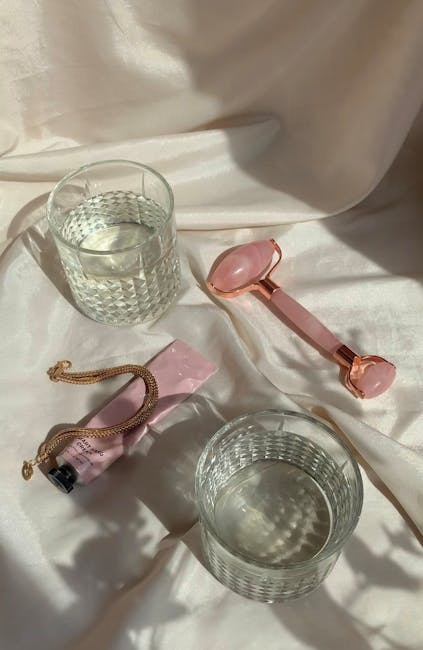
What Is a Rose Quartz Bracelet?
Rose quartz is a pink variety of the mineral quartz, colored by trace amounts of titanium, iron, or manganese. It has been used in decorative objects and personal adornment for thousands of years — evidence of rose quartz beads dates back to ancient Mesopotamia around 7000 BCE. The stone ranges from a very pale, almost translucent pink to a deeper, milky rose hue, and it is one of the most widely recognized and affordable gemstones in the world.
A rose quartz bracelet, in its simplest form, is a piece of jewelry made from polished beads or carved pieces of this pink stone strung on elastic, wire, or metal. These bracelets are worn by people across cultures, often associated with themes of love, compassion, and emotional well-being in various spiritual and New Age traditions. Beyond any symbolic meaning, rose quartz is a genuinely attractive stone — its soft pink tone pairs well with both casual and formal outfits, which explains much of its enduring popularity.
This guide walks through the practical questions that most people ask when they first consider buying a rose quartz bracelet. Which hand should you wear it on? What should you look for when choosing one? How does it compare to other pink stones? And how do you keep it looking good over time?
Which Hand Should You Wear a Rose Quartz Bracelet On?
This is probably the single most common question people ask. The short answer: there is no universal rule, and you should wear it on whichever hand feels comfortable. However, there are a few traditions and practical considerations worth knowing.
The Traditional View: Left Hand for Receiving
In many crystal healing traditions, the left side of the body is associated with receiving energy, while the right side is associated with giving or projecting energy. Following this logic, wearing a rose quartz bracelet on the left wrist is said to help you "receive" love, compassion, and positive emotional energy. This is the most common recommendation you will encounter in crystal circles, and if this framing resonates with you, the left wrist is the conventional choice.
The Right Hand: Intention and Action
Some practitioners suggest wearing rose quartz on the right hand when your goal is more active — for instance, if you want to project loving energy outward toward others, or if you are using the bracelet as a conscious reminder to be more compassionate in your daily interactions. The right-hand approach frames the bracelet as less of a passive receiver and more of an active intention-setting tool.
The Practical View: Dominant Hand and Comfort
Setting aside spiritual frameworks entirely, most people simply choose based on comfort. If you are right-handed and do a lot of typing, writing, or manual work, a bracelet on your right wrist may get in the way or be more prone to bumps and scratches. Many people prefer the non-dominant wrist for this reason alone. Elastic beaded bracelets are the most forgiving in terms of fit, so they work well on either wrist.
Bottom line: the left wrist is the traditional choice and a fine default, but there is nothing wrong with the right wrist. Pick whichever feels right for your lifestyle.
What Are the Benefits of Wearing a Rose Quartz Bracelet?
People wear rose quartz bracelets for a mix of aesthetic, emotional, and cultural reasons. Here is an honest breakdown of what you can and cannot expect.
Emotional Comfort and Mindfulness
The most tangible benefit is psychological. Wearing a bracelet that you associate with love, calm, or self-care acts as a tangible anchor for those intentions. It is a physical reminder — similar to how some people wear a rubber band to break a habit, or carry a lucky coin. When you glance at your wrist during a stressful moment, that brief pause can genuinely help reframe your mindset. This is not unique to rose quartz; any meaningful object can serve this function. But the stone's soft pink color and cultural associations make it a popular choice for this purpose.
Aesthetic Versatility
Rose quartz is genuinely versatile from a fashion standpoint. The pink tone flatters most skin tones, works across seasons, and pairs well with both silver and gold hardware. It sits comfortably in casual, bohemian, and even minimalist jewelry collections. Unlike some colored stones that clash with certain outfits, rose quartz is remarkably easy to style.
Cultural and Symbolic Meaning
In many cultures, rose quartz is called the "love stone" or "heart stone." In ancient Greece and Rome, it was associated with Aphrodite and Venus. In East Asian traditions, it is sometimes linked to heart chakra balancing. In modern crystal communities, it is one of the most recommended stones for people working on self-love, emotional healing, or attracting romantic relationships. These associations are cultural and personal — they matter if they matter to you.
What Rose Quartz Does Not Do
It is worth being straightforward: rose quartz is not a medical treatment, and there is no scientific evidence that it directly affects health outcomes. Claims that it can heal physical illness, balance hormones, or cure emotional disorders are not supported by research. The benefits are real in the sense that meaningful objects can influence mood and behavior — but the stone itself does not emit any measurable energy or vibration. If you are dealing with mental health challenges, professional support is the right path, not a bracelet.
How to Choose a Quality Rose Quartz Bracelet
If you are shopping for a rose quartz bracelet, here are the practical factors that actually matter.
Color
Rose quartz color ranges from very pale (almost white with a pink tint) to a medium rose pink. The most prized shade is a consistent, medium pink with good saturation — not so pale that it looks washed out, and not so dark that it becomes murky. Avoid stones that look artificially vivid or neon-pink, as these may be dyed. Genuine rose quartz has a soft, natural pink that is easy on the eyes.
Clarity and Transparency
Most rose quartz used in bracelets is translucent to semi-transparent, with a cloudy or milky quality. This is normal and expected — perfectly clear rose quartz exists but is rare and expensive. What you want to avoid is anything that looks completely opaque, excessively cloudy, or has visible cracks, chips, or dark inclusions that detract from the appearance. Some internal "feathering" or wispy inclusions are acceptable and even characteristic of the stone.
Bead Size and Shape
Bracelets typically come in bead sizes ranging from 6mm to 12mm. Smaller beads (6-8mm) create a more delicate, understated look. Larger beads (10-12mm) are bolder and more statement-like. Round beads are the standard, but you will also find faceted beads (which catch more light), chip beads (irregular shaped pieces for a natural look), and carved beads (hearts, flowers, etc.). For durability, round polished beads tend to wear best over time.
Stringing and Hardware
Elastic stringing is the most common for beaded bracelets — it is comfortable, easy to put on and take off, and fits most wrist sizes. However, elastic does degrade over time, especially if stretched repeatedly or exposed to water. Wire-wrapped or metal-linked bracelets are more durable but less adjustable in size. If you choose elastic, look for a bracelet that is snug but not tight — you should be able to slide one or two fingers under it.
Price Expectations
Rose quartz is an abundant stone, so genuine bracelets are quite affordable. You can expect to pay roughly $8 to $25 for a standard 8mm beaded bracelet from a reputable seller. Prices below $5 should raise suspicion — at that point, the "rose quartz" may actually be glass or dyed agate. On the higher end, faceted beads, larger sizes, or bracelets with gold-filled hardware can run $30 to $60. Anything significantly above that is usually paying for brand markup rather than stone quality.
Rose Quartz vs Other Pink Stones
Several other pink gemstones are commonly confused with rose quartz or considered as alternatives. Here is how they compare.
Rose Quartz vs Pink Tourmaline (Rubellite)
Pink tourmaline is significantly harder (7-7.5 on the Mohs scale vs. 7 for quartz) and tends to have a more vivid, saturated color. It is also much more expensive — a pink tourmaline bracelet typically costs several times more than rose quartz. Tourmaline can show pleochroism (different colors from different angles), while rose quartz does not. If you want a bolder, more intense pink and are willing to pay for it, tourmaline is the upgrade. For everyday wear at a reasonable price, rose quartz is the practical choice.
Rose Quartz vs Morganite
Morganite is a beryl (the same mineral family as emerald and aquamarine) with a delicate peach-pink to lavender-pink color. It is typically lighter and more transparent than rose quartz, with a "glowy" quality that some people love. Morganite is considerably more expensive than rose quartz — even a small morganite bracelet will cost significantly more. It is also softer (7.5-8 on the Mohs scale, but more prone to chipping due to its crystal structure). Morganite is a good choice if you want something that looks more "fine jewelry," while rose quartz is better for a casual, earthy aesthetic.
Rose Quartz vs Rhodonite
Rhodonite is a manganese silicate that is typically pink with black veining or inclusions. This gives it a very different look — more bold and graphic compared to rose quartz's soft, uniform pink. Rhodonite is slightly harder (5.5-6.5) but more brittle. It is generally less expensive than rose quartz and has a more rugged, masculine appeal. If you want a pink stone with character and contrast, rhodonite is distinctive. If you prefer a clean, soft pink, rose quartz wins.
Styling and Pairing Suggestions
One of rose quartz's strengths is how well it plays with other stones and jewelry pieces. Here are some combinations that work well.
With amethyst: The pink-and-purple pairing is a classic in the crystal world. A rose quartz bracelet on one wrist and an amethyst bracelet on the other creates a balanced, harmonious look. You can also find bracelets that alternate rose quartz and amethyst beads.
With clear quartz: Clear quartz adds brightness and contrast to the soft pink. This is a clean, minimalist combination that works in almost any setting.
With aventurine: Green aventurine and rose quartz create a complementary color scheme (pink and green are opposites on the color wheel), which is visually appealing and popular in multi-stone bracelets.
With gold hardware: Rose quartz looks particularly good with gold-toned findings and chains. The warm pink-gold combination is elegant and timeless.
Stacking: Rose quartz stacks well with other pastel stones like lepidolite, kunzite, or moonstone. For a bolder stack, try pairing it with black onyx or hematite for contrast.
If you are interested in the broader topic of stacking crystal bracelets, check out our guide to wearing multiple crystal bracelets for detailed advice on combinations and care.
How to Clean and Care for Your Rose Quartz Bracelet
Proper care will keep your bracelet looking good for years. Rose quartz is relatively durable (Mohs 7), but it still needs basic maintenance.
Daily Care
Remove your bracelet before showering, swimming, or washing dishes. Soap, shampoo, and chlorine can dull the polish over time and degrade elastic stringing. Wipe the beads with a soft, damp cloth after wearing to remove oils and sweat. Store it in a soft pouch or a jewelry box compartment — rose quartz can be scratched by harder stones (like topaz or sapphire) if they rub together in storage.
Deeper Cleaning
For a more thorough clean, use lukewarm water with a mild soap. Gently scrub each bead with a soft toothbrush, rinse thoroughly, and pat dry with a lint-free cloth. Avoid ultrasonic cleaners and steam cleaners — while quartz is hard enough to survive them, the elastic stringing and any metal findings may not. Never use harsh chemicals, acetone, or abrasive cleaners.
For more detailed jewelry care instructions, see our guide on how to clean crystal jewelry: dos and don'ts.
Charging and Energizing (Cultural Perspective)
In crystal traditions, people sometimes "charge" their stones by placing them in moonlight (especially during a full moon), on a selenite plate, or near other quartz crystals. These practices are culturally meaningful to many people and are harmless, so there is no reason not to do them if they resonate with you. From a practical standpoint, simply keeping your bracelet clean and stored properly is what actually preserves its appearance.
Can You Wear a Rose Quartz Bracelet While Sleeping?
This is another frequent question, and the answer depends on what you are trying to achieve.
Comfort and durability: Sleeping with any bracelet on puts stress on the stringing and increases the risk of snagging on bedding or clothing. Elastic bracelets can stretch out faster, and beads can chip against hard surfaces. From a purely practical standpoint, it is better to take it off at night.
The exception: If the bracelet is important to you as a comfort object or sleep aid — and you are aware that it may need more frequent restringing — then wearing it to bed is a personal choice. Many people do, and the emotional benefit may outweigh the minor wear and tear.
Our recommendation: take it off at night, place it on your nightstand or under your pillow if you like having it nearby, and put it back on in the morning. This also gives your skin a break from contact with the stone and any elastic material.
Is Your Rose Quartz Bracelet Genuine or Synthetic?
Because rose quartz is abundant and affordable, there is less incentive to create synthetic versions compared to stones like diamond or ruby. However, some imitations do exist. Here is how to spot them.
Glass imitations: These are the most common fake. Glass is often perfectly transparent, has no natural inclusions, and feels lighter than real quartz. Genuine rose quartz almost always has some internal cloudiness or feathering.
Dyed stones: Low-quality white or pale quartz is sometimes dyed pink to look like rose quartz. The color will look uneven, concentrated in cracks and surface pits, and may fade over time or transfer color to your skin. Genuine rose quartz has consistent color throughout.
Temperature test: Real quartz feels cool to the touch initially and takes a moment to warm up. Glass warms almost instantly. This is a quick but not foolproof test.
Scratch test: Quartz can scratch glass (Mohs 7 vs. Mohs 5.5), but this is destructive and not recommended for jewelry you actually want to keep. Better to buy from reputable sellers.
For a thorough comparison of natural and lab-created stones, read our article on natural stone vs synthetic crystal.
Frequently Asked Questions
1. Can men wear rose quartz bracelets?
Absolutely. Crystal jewelry is increasingly gender-neutral, and rose quartz's soft color works well in men's accessories when styled thoughtfully. Smaller beads (6-8mm) in muted tones, or rose quartz combined with darker stones like black onyx or lava rock, create a more traditionally masculine look. For more on this topic, see our guide to crystal bracelets for men.
2. How do I know my bracelet size?
Wrap a soft measuring tape snugly around your wrist just below the wrist bone, then add about 0.5 inches (1-1.5 cm) for comfort. For beaded bracelets, a standard 7-inch (about 17.5 cm) inner circumference fits most adults. If you are between sizes, size up slightly — a bracelet that is too tight is uncomfortable and puts stress on the elastic.
3. Does rose quartz fade in sunlight?
Prolonged direct sunlight can cause some fading over time, though rose quartz is relatively stable compared to stones like amethyst or citrine. It is best to avoid leaving your bracelet on a sunny windowsill for extended periods. Normal daily wear in sunlight is fine.
4. Can I wear rose quartz with other crystal bracelets?
Yes. Rose quartz is one of the easiest stones to combine with others because of its neutral, soft color. It pairs particularly well with amethyst, clear quartz, aventurine, and moonstone. The main practical concern is avoiding combinations where harder stones could scratch softer ones, though at Mohs 7, rose quartz holds its own against most popular bracelet stones.
5. How long does a rose quartz bracelet last?
The stone itself is extremely durable and will essentially last forever with basic care. The weak point is the stringing. Elastic bracelets typically last 6 months to 2 years depending on wear frequency and how well they are cared for. Wire-wrapped or metal-linked constructions last significantly longer. When the elastic starts to feel loose or shows visible wear, it is time to restring — most jewelers can do this affordably, and you can even do it yourself with some elastic cord and a simple knot.
Getting Started with Crystal Bracelets
If you are new to crystal jewelry in general, rose quartz is an excellent first choice. It is affordable, widely available, easy to care for, and genuinely attractive. For a broader introduction to the world of crystal bracelets — including how to choose, wear, and care for different types — our beginner's guide to crystal bracelets covers everything you need to know.
Disclosure
This article was created with the assistance of AI writing tools and reviewed by a human editor. The information provided is for educational and entertainment purposes. We do not make medical or therapeutic claims about any gemstone or crystal. Cultural and spiritual associations mentioned reflect traditions and beliefs, not scientifically proven effects. Always consult qualified professionals for health-related concerns.

Comments