Natural Stone vs Synthetic Crystal: How to Spot the Difference
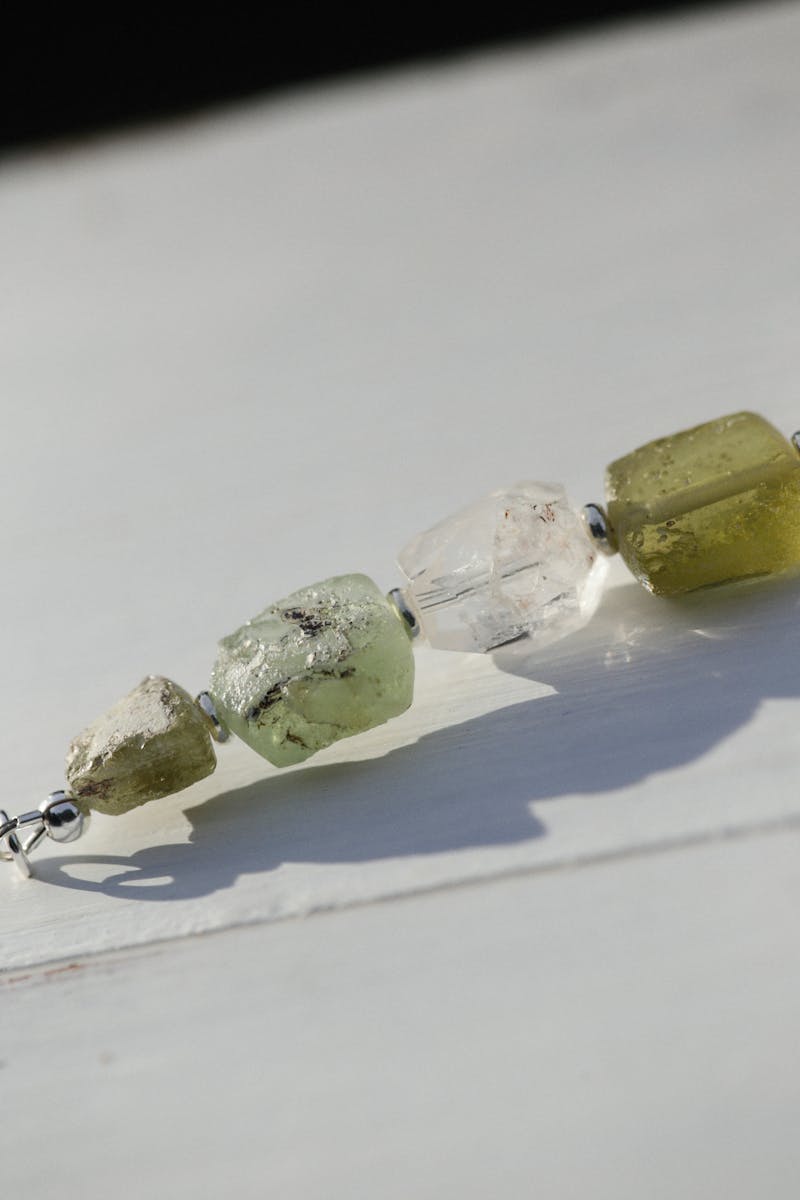
Natural Stone vs Synthetic Crystal: How to Spot the Difference
Meta description: Discover the unique characteristics of natural stones and synthetic crystals to make an informed purchase. Learn how to spot the differences with expert tips from SageStone.
Understanding the Basics
Natural stones and synthetic crystals are both popular in the jewelry world, each offering its own allure. Natural stones are formed by geological processes over millions of years, while synthetic crystals are created in a controlled laboratory environment. Both have their own set of properties and uses in jewelry design.
One key difference is in their origin. Natural stones are often found in mines or quarries, with each piece being one-of-a-kind due to their unique formation. Synthetic crystals, on the other hand, are manufactured in a factory, which allows for consistent quality and color.
Physical Characteristics
When examining a stone, look for its natural imperfections. Natural stones often have inclusions, which are the mineral fragments or air bubbles trapped within the stone. These are a sign of the stone's authenticity. Synthetic crystals, while they can have inclusions, are typically clearer and have a more uniform color.
Another physical characteristic to consider is the stone's hardness. Natural stones like diamonds and sapphires are very hard, while synthetic crystals like cubic zirconia can be softer. You can test a stone's hardness by attempting to scratch it with a metal nail. If the stone is scratched, it is likely synthetic.
Color and Clarity
Color is a significant factor in distinguishing natural stones from synthetic crystals. Natural stones are known for their vibrant and diverse colors, which can be influenced by their chemical composition and geological environment. Synthetic crystals, while they can mimic natural colors, often have a more uniform and bright appearance.
Clarity is also important. Natural stones can have a variety of clarity levels, from completely clear to heavily included. Synthetic crystals, especially those made with the highest quality, are often more transparent and have fewer visible inclusions.
Cost and Availability
The cost of natural stones and synthetic crystals can vary greatly. Natural stones, due to their rarity and the processes involved in mining and cutting, are often more expensive. Synthetic crystals, on the other hand, are more affordable and readily available.
When considering cost, it's important to balance your budget with your desired quality. High-quality synthetic crystals can offer a similar look to natural stones at a more accessible price point.
Practical Tips for Buying Guidance
- Ask for Certification: Look for stones with a certificate of authenticity to ensure they are natural.
- Examine the Inclusions: Natural stones will have inclusions, while synthetic crystals may not.
- Test the Hardness: Use a metal nail to test the stone's hardness.
- Consider Your Budget: Natural stones are typically more expensive than synthetic crystals.
- Research the Seller: Buy from reputable sellers who are knowledgeable about the stones they sell.
Conclusion
Spotting the difference between natural stones and synthetic crystals can be a challenge, but with the right knowledge and a few practical tips, you can make an informed purchase. Whether you prefer the unique charm of a natural stone or the affordability of a synthetic crystal, both offer beautiful options for jewelry. At SageStone, we are committed to providing our customers with the highest quality stones and the information they need to make the best choice for their style and budget.
Related Articles
- Lapis lazuli bracelet: the stone that built empires
- Sunstone bracelet: the stone that literally catches light
- Prehnite bracelet: the pale green stone that quietly gained a following
- Chakra Bracelet Guide: Matching Stones to Your Energy Centers
- Matching couple bracelets: why they sell and what people look for
Comments