Labradorite: The Optical Illusion Stone Guide
June 10, 2026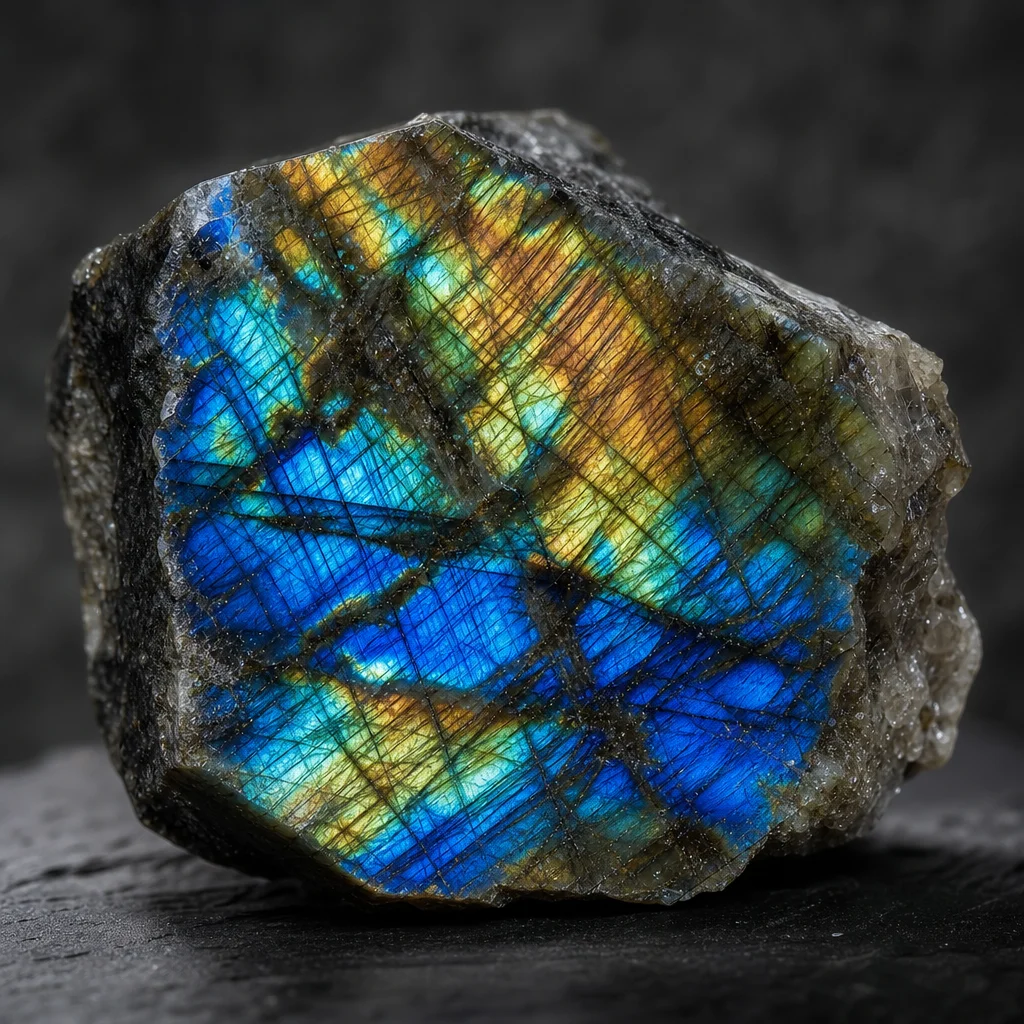
Introduction Hook
Labradorite, oh my gosh, it's just the coolest. It's like a chameleon, always changing its colors, and it's super mesmerizing. They call it the "stone of magic," and honestly, I totally see why. It turns light into this rainbow show, like a real-life magic trick. I'm about to get super into Labradorite—its cool optical stuff, its cultural vibe, and how you can spot the real deal from the fake. Let's go on this adventure and uncover the secrets this gem is hiding!What is Labradorescence? (Optical Science)
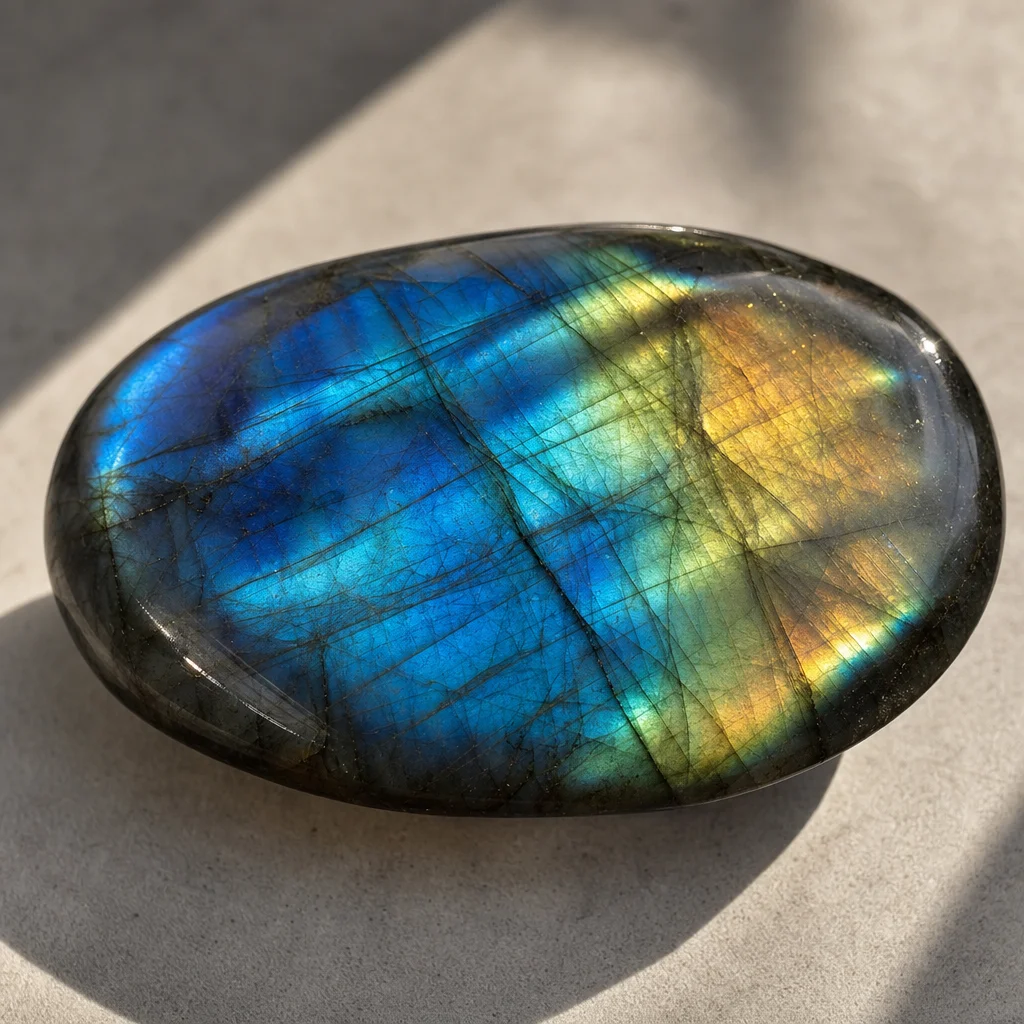
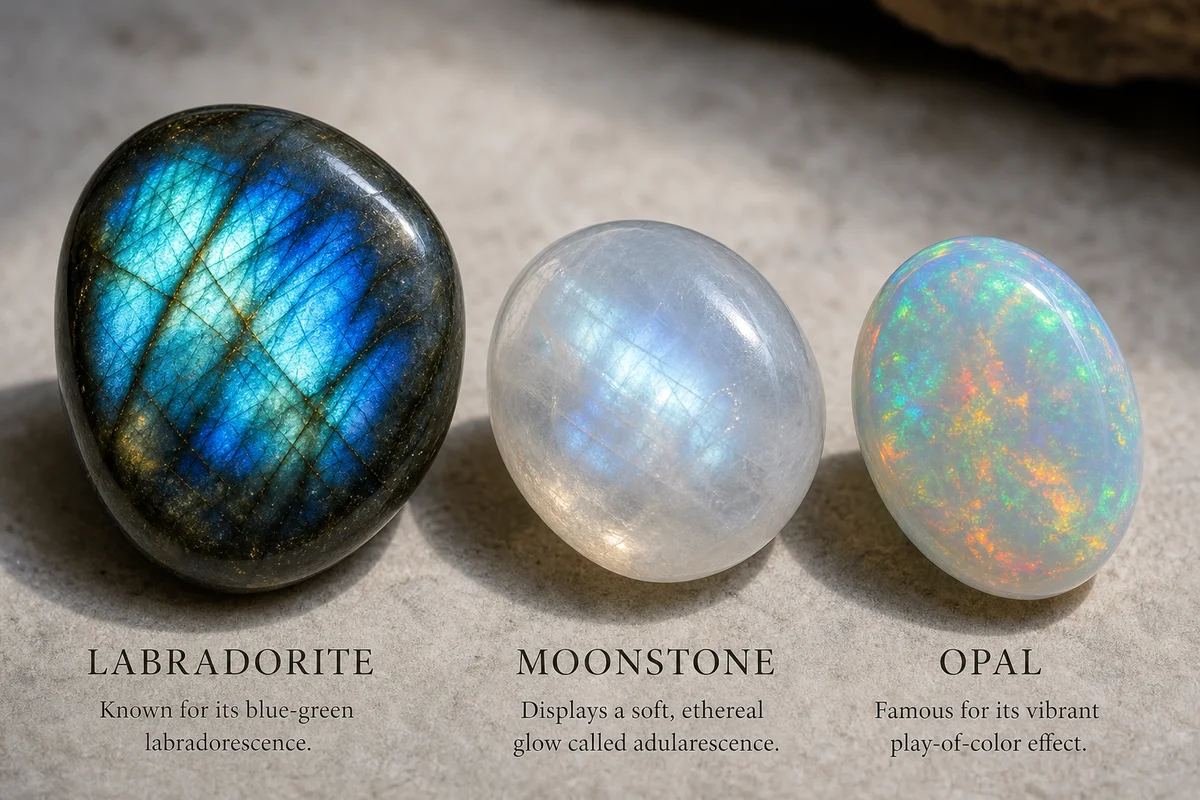
You're into Labradorite, huh? It's this magical stone that does this really cool light trick called labradorescence. It's like the stone is playing with the sunlight, making it dance around inside the crystal. It's like seeing a rainbow, but it's just in your stone! It's almost like a soap bubble, but way cooler, and the colors shift as you move it around. Okay, here's the science part: it's all thanks to these teeny-tiny, mica-like inclusions inside Labradorite. Think of them as little sheets of paper that catch the light and create this show. The more inclusions, the more colors you'll see, and they're super bright and keep changing. What I really love about Labradorite is how it catches the light and twirls with colors. The thing is, it's all down to those inclusions inside, doing their thing.Color Varieties by Origin: Labrador Canada, Madagascar, Finland Spectrolite
Oh man, did you know Labradorite isn't one-size-fits-all? The colors it shows are all about where it's from. Here are some of the top picks: - Labrador Canada: This one's a total head-turner with its awesome blues and blacks. Just... wow, right? - Madagascar: It's got this super cozy, earthy vibe with heaps of golden brown. It's like walking through a sun-soaked forest floor. - Finland Spectrolite: It's got this magical shimmer that's just so cute, with this adorable mix of greens, blues, and even a pop of red.Labrador Canada
Oh, have you heard about Labradorite from Labrador, Canada? It's this amazing crystal that's totally famous for its super bright blues and greens. And get this, sometimes it's got a little gold or red in it too! The mines there are like the jackpot for some of the most stunning Labradorite stones you'll ever see.Madagascar
Oh, Madagascar Labradorite? It's a total showstopper, you know? Those golden brown hues are so unique, thanks to all that iron in the stone. They just glow with this rich, shiny luster. It's like they stand out from all the other Labradorites out there.Finland Spectrolite
Oh, you gotta check out Finland's Spectrolite! It's like Labradorite on steroids, with all these incredible colors—deep blues, greens, fiery oranges, and even reds. The best ones? They're like a rainbow in your hand, the "rainbow effect" they call it. So cool! I've found what I love about it is how it catches the light just right.Real vs Fake: Glass, Plastic, Treated Stones
Labradorite has been all the rage lately, and it's like, hey, no wonder we're seeing a flood of fake and treated stones out there. Here's a quick guide on how to spot the real ones from the fakes:Glass and Plastic
Okay, so fake Labradorite is usually just glass or plastic. You can tell because it lacks those cool, natural sparkles and that shiny, iridescent thing. Real Labradorite, though, it's like the cool kid at school. It's got that natural shimmer and those visible sparkles that really pop. What I love about it is how it really stands out!Treated Stones
So, there are some Labradorite stones that get a little style upgrade to make 'em pop with color and shine. They might get heated, dyed, or get a thin layer on top. These treatments can make 'em look pretty, but they don't have that natural, magical labradorescence that real Labradorite has. You know, if you want to make sure your Labradorite stone is the real deal, give it a closer look with a magnifying glass for any natural specks. And check out that labradorescence thing. If it's too perfect or missing that cool shimmer, it might not be the real deal.Pricing and Quality Grades
So, Labradorite's worth can totally vary—like, a lot! It's all about the color, how clear it is, and if it's got that cool labradorescence thing going on. The brighter the colors and the stronger the labradorescence, the pricier it gets. The International Colored Stone Association (ICA) has set up this grading system for all the fancy colored stones, including Labradorite. Here's a quick rundown of Labradorite quality grades: And honestly, I've found that the thing is, the clearer and more vibrant the Labradorite, the more I love it. It's like it has this magical glow!Hey, wanna check out the different grades of crystals we've got here?
Oh, this stuff is the bomb! The colors are so vivid, and the labradorescence is totally over the top. It's like a high-end necklace, but with crystals. So, what I love about it is how it sparkles like crazy!
Choice crystals? They've got that awesome color pop and that cool labradorescence, but they've got a few tiny inclusions. They're like the budget-friendly siblings of Fancy, you know?
Standard stuff, but the colors and that labradorescence are there. Not super flashy, though. You'll notice more inclusions, which is cool because it gives it a more chill vibe.
So, commercial crystals are like the basics. They've got color and that cool labradorescence, but it's all about quantity over quality. They're like the everyday crystals, you know? Just the regular stuff.
Care and Cleaning
Oh, taking care of Labradorite is a breeze, I swear. It's super durable and can totally handle day-to-day wear, but hey, it's still jewelry, so it gets scratches and cracks eventually. Here's the lowdown on keeping it looking fresh: 🌟 Give it a wipe with a soft, lint-free cloth – it's just like giving it a quick once-over. 🌟 No harsh chemicals or scrubbing pads – that's a big nope. 🌟 Keep it away from extreme temps and direct sunlight – think of it like avoiding a sunburn. 🌟 If you're diving into the pool or showering, just take it off – no need to get it wet. 🌟 Keep it separate from other bling to avoid any scratches. And like, your Labradorite is almost like a pet – show it some love, and it'll sparkle for ages!Hey, just wanted to drop a quick tip on cleaning Labradorite—totally don't use any harsh chemicals or scratchy stuff. Just a warm water rinse and a soft cloth will do the trick. Oh, and don't forget to stash it in a fabric-lined box or a soft pouch to keep those nicks away. It's all about keeping it safe and sound, you know?Jewelry Uses
Labradorite is so enchanting, it's a total hit with jewelry designers! Here's how it's used in jewelry: 🌟 Labradorite's enchanting beauty makes it a popular choice for jewelry designers. Here are some of the ways Labradorite is used in jewelry: - Oh, I've found it's often used in necklaces, adding a magical shimmer to any outfit. - And it's super cool for bracelets too, just the right amount of sparkle without being too much. - But my favorite is how it's used in rings. The way it catches the light, it's like it's telling a story. - So, Labradorite really does shine bright in the jewelry world!Labradorite Jewelry: It's a Total Game-Changer!
Oh, Labradorite pendants are a total must-have! I mean, they usually have one stone or a whole cluster of them, and they're just so stunning.
And then there are Labradorite rings. They come in all sorts of cool styles—simple bands, or super fancy designs. I've found that they're a great way to add a bit of flair to any outfit.
Labradorite necklaces, they're so versatile! You can find them in all kinds of lengths and styles, from dainty chains to chunky pendants. What I love about them is how they can totally transform your look.
And don't even get me started on Labradorite bracelets. They're the perfect way to add a little bit of sparkle and magic to any outfit! Honestly, I just can't get enough of them.
Deeper Geology
OMG, the geological formation of Labradorite is totally rad! It's this feldspar mineral that you'll find in igneous and metamorphic rocks. It starts with feldspar crystals getting all crystallized up when they're hanging out with water, and that's what makes those mica-like inclusions that create that amazing labradorescence. The thing is, the conditions needed for Labradorite to form are super rare, which is why it's so special and valuable, honestly.Mining History
Oh, the history of Labradorite mining is as fascinating as the stones themselves! Back in the 18th century, they found the first mines right in Labrador, Canada. Now, mining has spread to places like Madagascar and Finland. So, the process is all about digging out the ore, smashing it up, and then sifting out the good stuff. It's quite the path!Sourcing Tips
Hey there! If you're into getting your hands on some Labradorite, here are a few things to keep in mind: And by the way, I've found what I love about sourcing stones is knowing exactly where they come from. It's all about the path, you know? So, here's a little insider tip: Check out the suppliers we recommend on our website. They're top-notch!Hey, so when you're on the hunt for some sweet Labradorite, here's the deal: -Identification Guide
Figuring out Labradorite can be tricky, especially if you're new to it. Here's a little guide to make it easier for you:- Observe the color: Labradorite exhibits a wide range of colors, including blues, greens, oranges, and reds.
- Look for labradorescence: The stone should display a shimmering, iridescent effect that changes color with the angle of light.
- Check for inclusions: Natural inclusions are a sign of a genuine Labradorite stone.
Care Instructions
Taking care of your Labradorite jewelry is essential to maintain its beauty and longevity. Here are some key care instructions:- Avoid extreme temperatures: Do not expose your Labradorite jewelry to extreme heat or cold.
- Be cautious with chemicals: Remove your jewelry when using harsh chemicals or cleaning agents.
- Regular cleaning: Clean your Labradorite jewelry with warm water and a soft cloth.

Comments