Labradorite vs Moonstone vs Opal Compared
June 11, 2026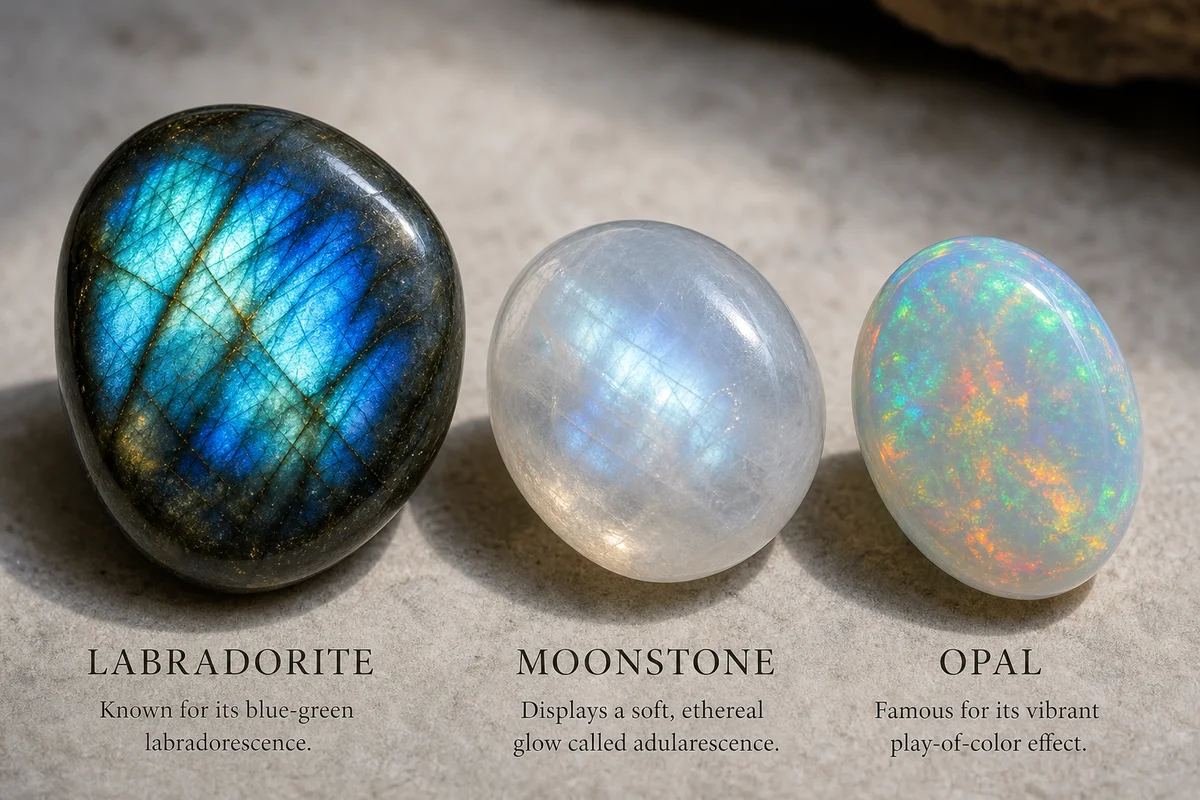
Oh, check out these Iridescent Gems! They're Nature's Own Masterpiece Collection, for sure.
Hey there! So, I've been scrolling through our iridescent gem collection and I gotta say, it's like stepping into a rainbow. The colors are just so vibrant and unique. What I love about these gems is how they catch the light and dance with every move. And honestly, it's like nature decided to paint with light. I've found that they're not just beautiful to look at, but they also have this calming vibe. The thing is, they're so versatile; you can wear them with anything. Now, if you're looking for something special, check out our "Emerald Sparkle" collection. It's a real eye-catcher!
Oh, the Beauty of Iridescent Gems!
Have you ever seen those gemstones that just glow with those rainbow colors? They're like little pieces of magic, aren't they? They're not just stunning to look at; they're like a window into the earth's natural wonders. So, today, I'm sharing my love for three of these mesmerizing stones: Labradorite, Moonstone, and Opal. Each one has its own special sparkle, and we're going to chat about what makes them different—like their toughness, how to care for them, their price, and how they're used in jewelry. Ready to start on this little adventure of wonder and admiration? Let's go!Mechanism: The Science Behind the Sparkle
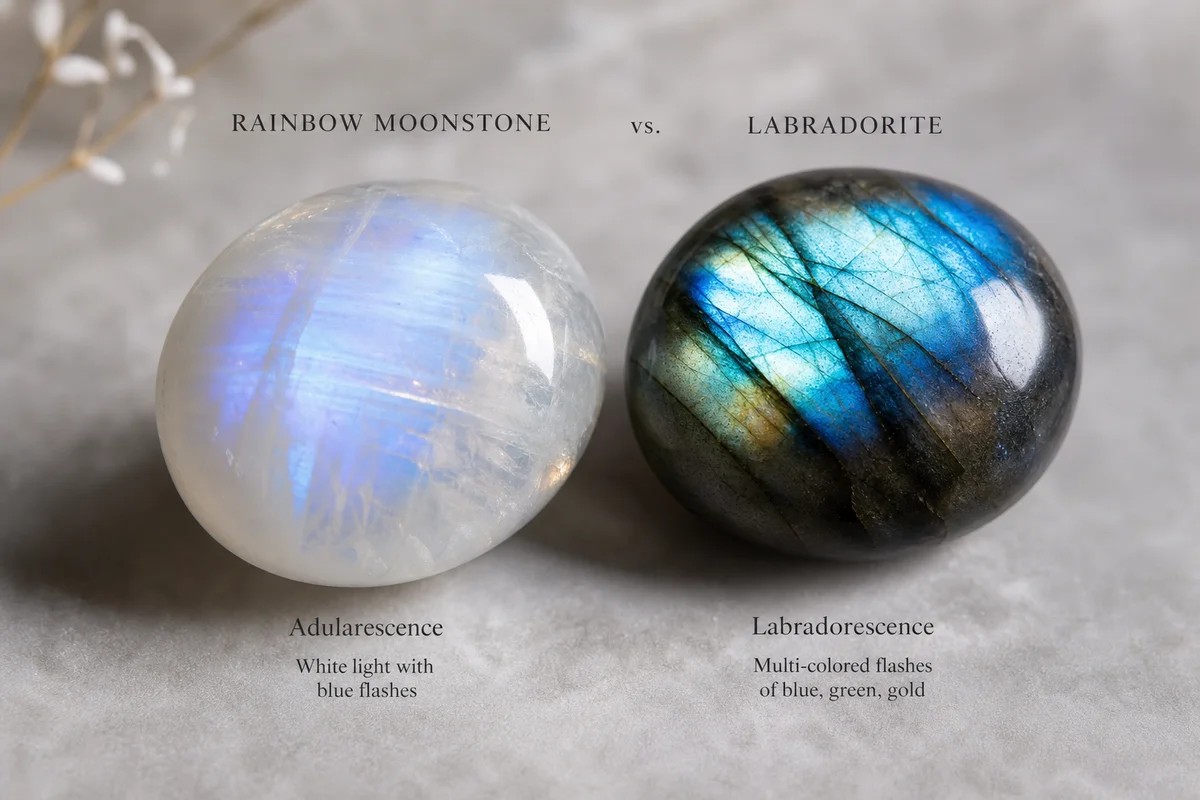
Oh, Labradorite is such a cool mineral, you know? It's this feldspar thing that does this super cool labradorescence thing. It's this color shift that's just so fun to watch as you move the stone around. It's all thanks to this process called exsolution, where the mineral makes layers with different stuff in them. The colors are super bright and go from H6 to H6.5. It's like Labradorite is always putting on a show! And then there's Moonstone, another gem that's totally awesome. It's got this soft, glowing thing called adularescence that makes it look like it's moving across the stone. It's like it's reflecting moonlight! And the colors are pretty much the same as Labradorite, from H6 to H6.5. Oh, and Opal, that's a unique gem, too. It's made up of hydrated silica and it diffracts light to make all these colors pop. That's what gives it its "play of color." The colors go from H5.5 to H6.5, and they shift and change when you look at them from different angles. It's so cool!Durability: The Strength of Iridescent Gems
Oh, let me tell you, Labradorite and Moonstone are the rockstars of toughness. They're both like 6 to 6.5 on the Mohs scale, so they're perfect for everyday hustle. But Labradorite has this cool layered thing going on that's like a scratch-proof superpower. Now, Opal, it's a whole different ballgame. It's way more delicate, you see? It's a 5.5 to 6.5 on the Mohs scale, like a fragile flower. So, you gotta treat it like a baby, no harsh chemicals or extreme temps. It's all about loving it gently, or it'll throw a tantrum.Care: Keeping Your Iridescent Gems Sparkling
Alright, so here's the scoop on keeping those shiny gems looking top-notch: - Labradorite and Moonstone: Just give 'em a quick wipe with warm water and a soft cloth. No harsh chemicals or scratchy stuff, okay? Keep it simple. - Opal: Same deal for Opal, just use lukewarm water and a soft cloth. They're a bit delicate, so be gentle, yeah? No need to be rough with 'em.Price: A Spectrum of Affordability
Alright, so the price of these sparkly gems is all over the place. It's all about the color, clarity, and size. Labradorite and Moonstone are like the good ol' reliable choices for keeping the budget in check. But Opal, oh man, it's like the queen of gems and definitely doesn't come cheap. | Gemstone | Price Range (per carat) | | --- | --- | | Labradorite | $50 - $200 | | Moonstone | $30 - $150 | | Opal | $200 - $10,000+ |Jewelry: Adorning Ourselves with Nature's Beauty
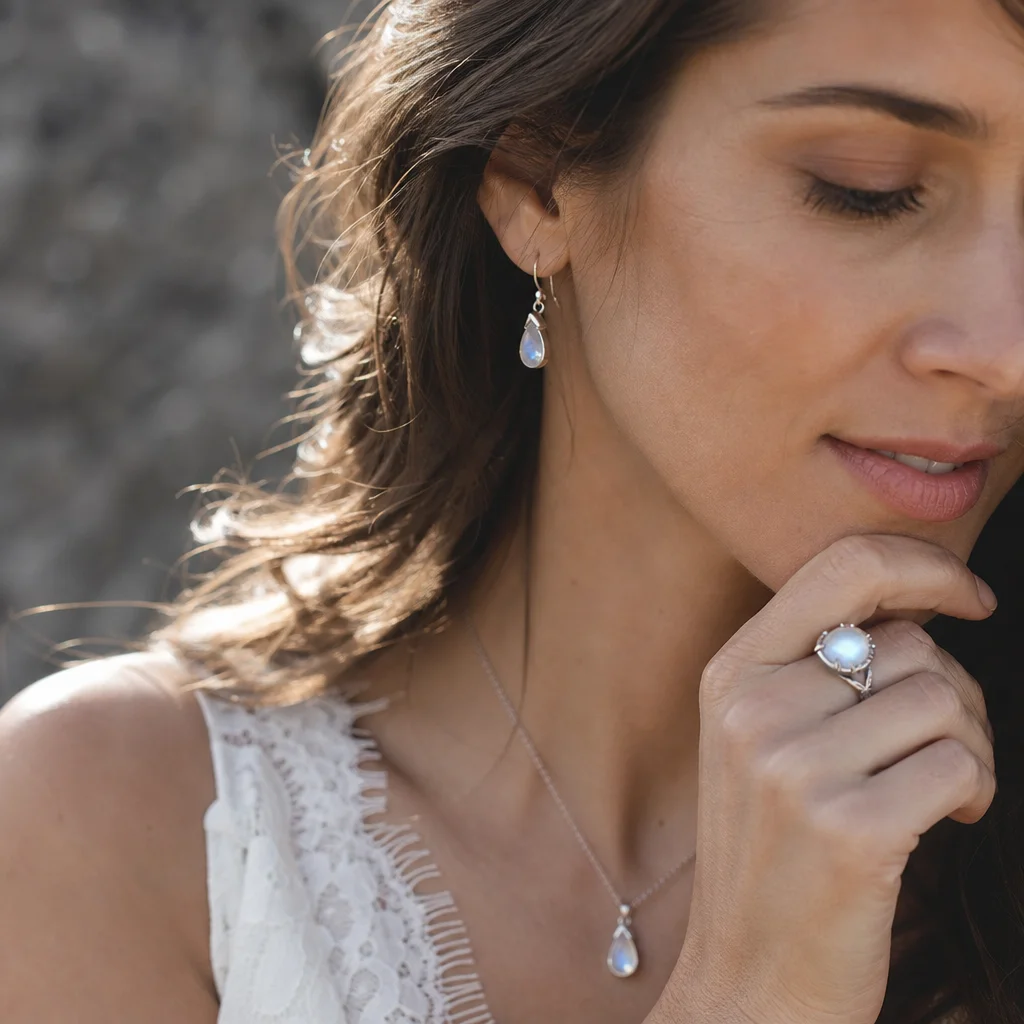
Oh, iridescent gems, they're just magical, aren't they? They add this enchanting touch to anything they're in. Labradorite and Moonstone are so versatile; you can find them in everything from classic rings and necklaces to these cool statement pieces. And then there's Opal—its colors are so vivid! It's perfect for rings, pendants, or earrings, and it really makes a statement. I've found what I love about them is how they can completely change the vibe of an outfit. The thing is, they're so personal, you pick the ones that speak to you.Identification: Distinguishing the Iridescent Stones
Figuring out which iridescent gem you're staring at can be a bit of a puzzle, honestly. They're all so one-of-a-kind and sometimes, they're super easy to confuse. Here's a quick way to differentiate Labradorite, Moonstone, and Opal: - **Labradorite:** It's got this super cool labradorescence thing, like a moving rainbow show that flits across the stone when you give it a twist. - **Moonstone:** You'll spot this soft, glowy sheen that's almost like moonlight twinkling on the surface. - **Opal:** The colors just burst and shift, like a mini dance party, when you gaze at it from different angles.Oh, the beauty of iridescent gems is just so amazing! They have these stunning colors that really catch your eye, and let me tell you, they come with these cool stories about the Earth's geological history. Every single stone is like a little window into nature's wonders, and they're all so unique, you know? – Crystal Expert
| Gemstone | Mechanism | Hardness | Origin | Jewelry Use | | --- | --- | --- | --- | --- | | Labradorite | That Labradorescence feldspar exsolution thing | H6-6.5 | Canada/Madagascar | Rings, necklaces, pendants | | Moonstone | Adularescence feldspar layers, yeah | H6-6.5 | India/Sri Lanka | Rings, necklaces, pendants | | Opal | The color play of that silica diffraction | H5.5-6.5 | Australia/Ethiopia | Rings, pendants, earrings |Hey! You Gotta See the Luminous Triangle: Labradorite, Moonstone, and Opal
So, there's this trio of gemstones that I'm head over heels for: Labradorite, Moonstone, and Opal. They're like the rock stars of the gemstone world, each with their own unique sparkle and a story to tell. I'm telling you, there's something magical about these beauties. And honestly, I'm all about Labradorite's iridescent dance, it's like a rainbow in a cloud. Moonstone, though, has this ethereal glow that makes me think of moonlit nights. Then there's Opal, with its color play that feels like peering into a starry sky. It's like wearing a piece of the universe on your wrist!Labradorite: A Sparkling Showcase of Feldspar Exsolution
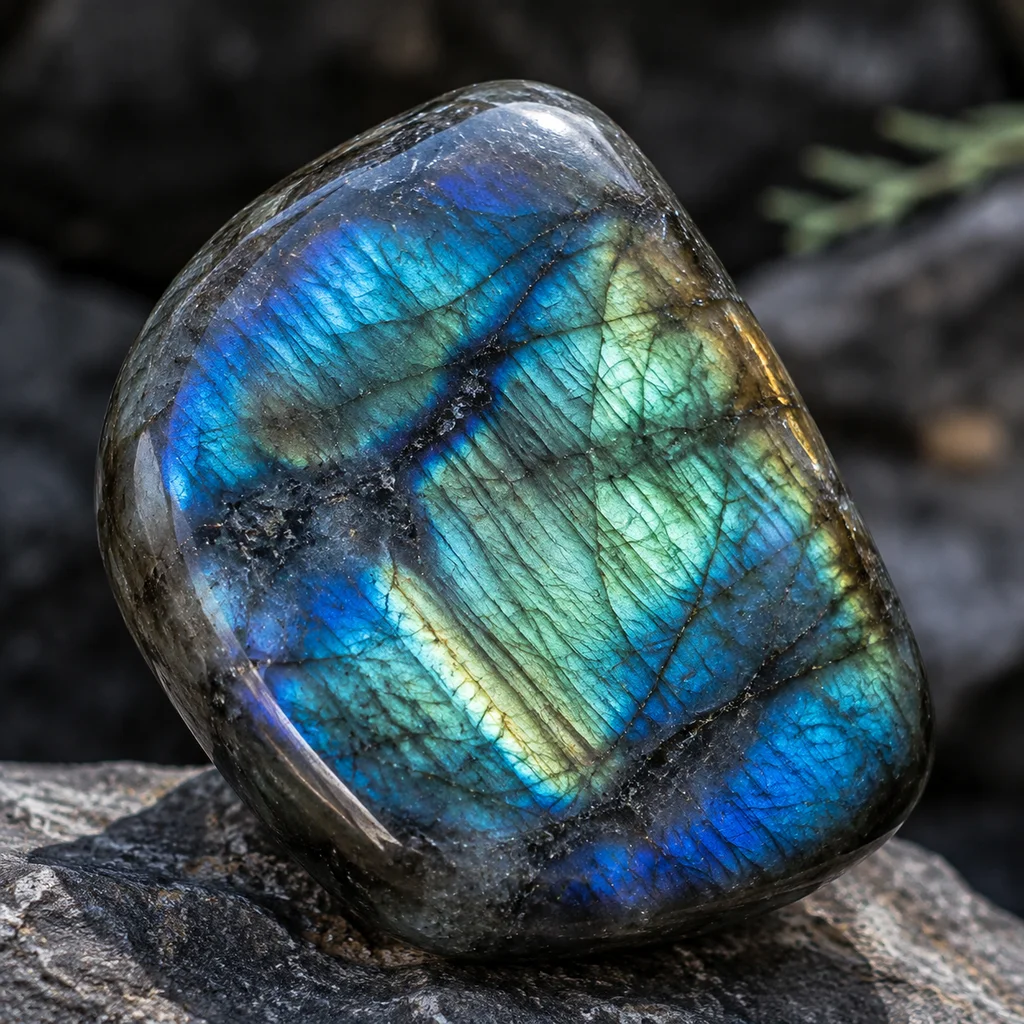
**Mechanism**: Labradorite's "labradorescence" is a total game-changer, y'know? It's that cool secondary light band that shows up next to the primary one when you angle it just right. It's all thanks to the feldspar layers within the mineral structure getting all exsolved. **Durability**: It's got a 6-6.5 on the Mohs scale, so it's pretty sturdy, but not quite as tough as a diamond or a sapphire. It can scratch, so I've found, you gotta treat it like a baby, you know? **Care**: Labradorite is a bit of a diva with chemicals and heat. I always clean it with a soft cloth and skip the ultrasonic cleaners, just to be safe. **Price**: Labradorite's a bit of a wild card when it comes to price. It can be totally affordable or super high-end, depending on its color, clarity, and that labradorescence thing. **Jewelry**: It's a hit in pendants, earrings, and bracelets. Those vibrant blues and greens? They add a whole magical vibe to whatever you wear. **Identification**: If you're trying to spot Labradorite, look for that labradorescence and those tiny, shiny inclusions that make it so unique.Moonstone: A Whisper of Moonlight from Feldspar Layers
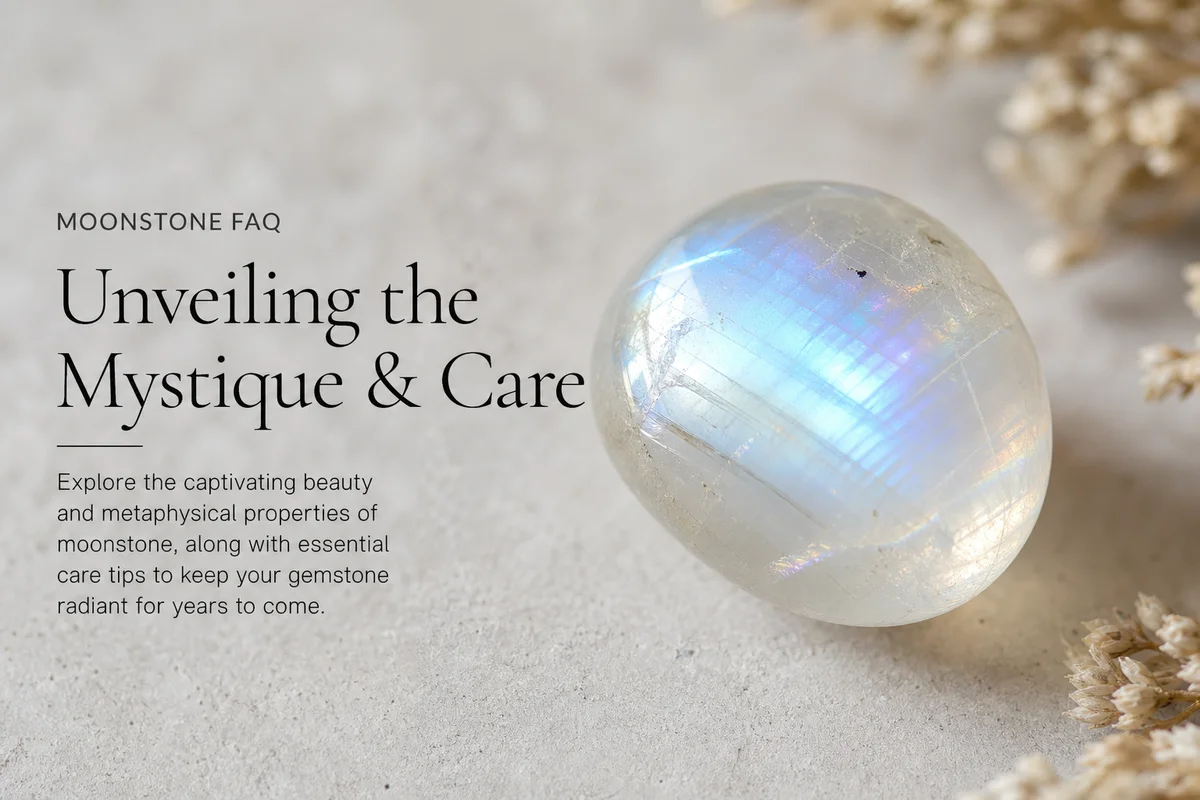
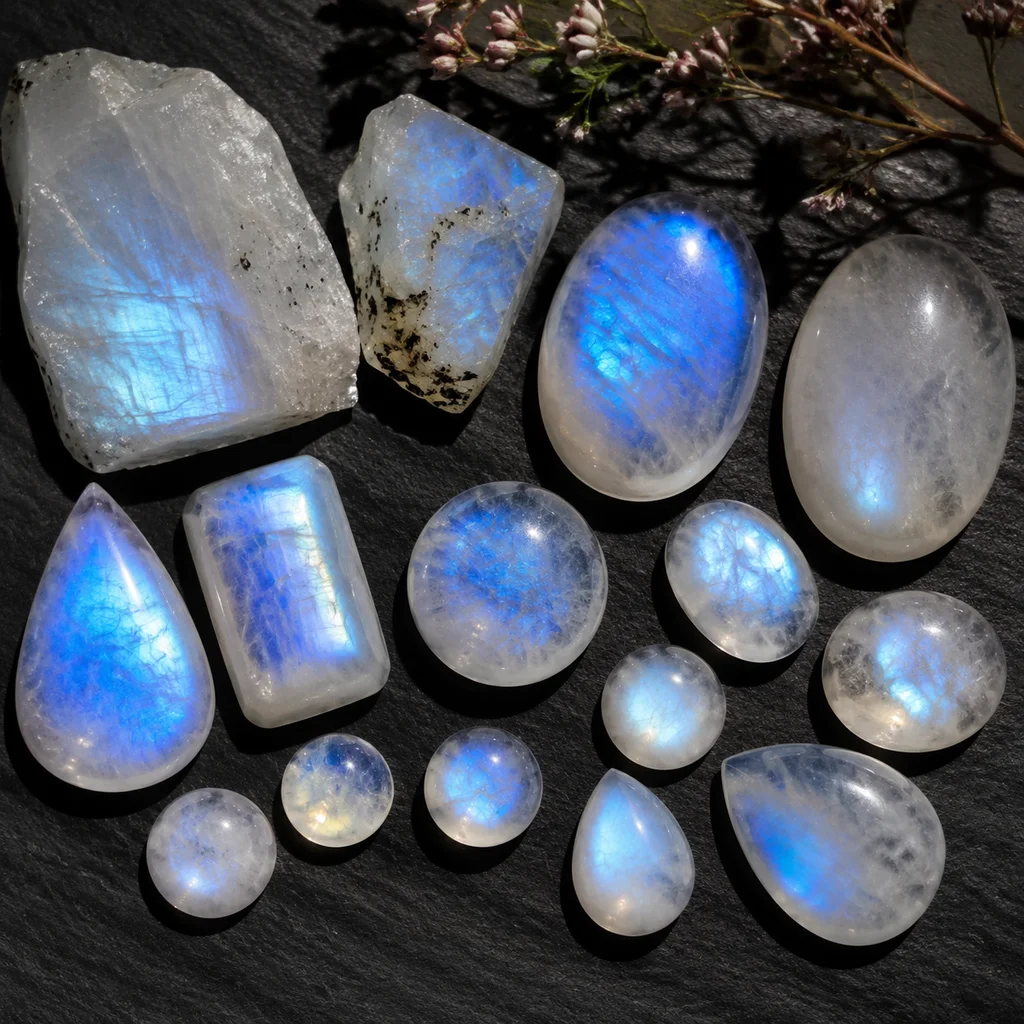
So, Moonstone is this magical stone with this awesome sheen, white, blue, or lavender shimmer that just twinkles on the surface. It's like a secret glow inside the crystal from those thin layers of feldspar. And it's pretty sturdy, like Labradorite, but it's still a bit delicate. You gotta be careful with it, or it might get a scratch. It's not a fan of chemicals or hot temps, and definitely don't use those ultrasonic cleaners, okay? Now, it's not as expensive as Labradorite, but it can still be a splurge, especially if the color, clarity, and that glow are just right. It's a total favorite in jewelry, like rings, necklaces, and pendants. It glows like moonlight, giving anything it's on this dreamy vibe. And don't forget to look for that characteristic glow and the cat's-eye-like effect, it's what makes it Moonstone!Opal: The Spectrum of Color in Silica Diffraction
**Mechanism**: So, opal is this totally rad stone made of hydrated silica that just loves to play with light, making this incredible rainbow effect we call the "play of color." It's like the stone is a little light show all on its own! **Durability**: But, opal isn't the toughest gem out there, like Labradorite or Moonstone. It's on the softer side, with a hardness of 5.5-6.5. The thing is, it's a bit of a heat wimp and super sensitive to temperature changes, so you gotta treat it like a delicate princess. **Care**: Keep your opal away from the hot and heavy chemicals. Just give it a quickie with lukewarm water and a soft cloth. Super simple! **Price**: Opal can be a bit of a splurge, especially if it's got that eye-popping color show. The bigger and clearer it is, and the more vivid the colors, the more you'll shell out. **Jewelry**: Opals are huge in rings, necklaces, and earrings. They add this magical, mystical touch to whatever you wear. **Identification**: You can spot an opal by its colorful show and how it doesn't have those pesky internal inclusions like other gems. It's like a rainbow trapped in a stone!Here's the Scoop on Labradorite, Moonstone, and Opal
Alright, so if you're into these stones, here's a quickie rundown of what makes them tick: | Characteristic | Labradorite | Moonstone | Opal | |----------------|--------------|-----------|------| | Mechanism | Feldspar exsolution | Feldspar layers | Silica diffraction | | Hardness | 6-6.5 | 6-6.5 | 5.5-6.5 | | Color | Blue, green | White, blue, lavender | Color spectrum | | Origin | Canada, Madagascar | India, Sri Lanka | Australia, Ethiopia | | Durability | Moderately durable | Moderately durable | Moderately durable, but more fragile | | Care | No harsh chemicals or heat, please | No harsh chemicals or heat, please | No heat, no temperature shock | | Price | It varies, but can be a splurge | Generally pretty wallet-friendly | Sometimes it's on the pricier side | | Jewelry | Think pendants, earrings, bracelets | Rings, necklaces, pendants are a thing | Rings, necklaces, earrings, got it | | Identification | Spot that labradorescence | Adularescence and chatoyancy are your clues | Look for that play of color, and they should be pretty clear | Oh, and one more thing, Labradorite's got this cool shimmer, Moonstone's got a glow, and Opal? Well, it's got a whole rainbow party going on! Honestly, I've found what I love about these stones is their unique vibes and the way they catch the light. The thing is, they're all different, but they're all just so beautiful.The Luminous Triangle Unveiled
So, when we're talking about iridescent gems, Labradorite, Moonstone, and Opal totally make up this awesome triangle. They're all so unique, you know? Labradorite has this magical labradorescence, Moonstone has this dreamy glow, and Opals just pop with colors. I've found what I love about them is understanding all the cool stuff about them—like how they work, how tough they are, how to take care of 'em, how much they cost, and how they can be used in jewelry. Honestly, it's amazing how they bring out the beauty of nature. Whether you're into the cool blues and greens of Labradorite, the ethereal vibe of Moonstone, or the vibrant colors of Opal, these gems are like a little window into the natural world.What Is Labradorite?
What Is Moonstone?
What Is Opal?
Key Differences at a Glance
How to Choose Between Them
Frequently Asked Questions
Hey, so which one's the best for a daily wear ring—labradorite, moonstone, or opal? I've found that what I love about labradorite is its shimmery, iridescent look, and it's pretty sturdy. But, you know, moonstone is super dreamy and gentle. And opal? It's just so unique with its colorful light show. So, honestly, it really depends on your style and what you're into!
Hey, so all three stones are total stunners for everyday wear, but they're like delicate glass, ya know? Labradorite is the toughest one, so it's a no-brainer for rings. But opal and moonstone? They're a real show-stopper in pendants and earrings, right? I've found what I love about SagStone is they take extra care with these gems, making sure they're bezel-set so they stay sparkling and safe for everyday.
Hey, you into crystals too? I'm always drawn to the different sparkles in labradorite, moonstone, and opal. It's like they're having their own little sparkle dance party! Labradorite has this cool iridescent flash that's almost like it's changing colors on the fly. It's like it's playing hide and seek with the light. Moonstone, though, has this dreamy glow that's just super enchanting. It's like it's mirroring the moon's soft light. And then there's opal, which is just mind-blowing. It has these vibrant color flashes that just jump out at you. It's like a mini rainbow trapped in a stone! So, what I love about these stones is how they catch the light in their very own special way. It's honestly just so captivating.
Hey, so every crystal is like its own tiny magic trick! Labradorite has this awesome labradorescence, which is this super cool flash of blues and greens. Moonstone is just so dreamy; it's got this adularescence, a soft glow that seems to float on its surface. Opals are a total showstopper with their play-of-color, all these rainbow colors popping out at once. I've found that our handcrafted pieces are just perfect for highlighting these special traits. The thing is, they really let these stones shine.
Hey, can I mix labradorite, moonstone, and opal in one jewelry piece? I've found what I love about these stones, but I'm not sure if they'll play nice together.
Absolutely! Combining these natural stones in handcrafted jewelry creates a beautiful, ethereal aesthetic. Because they all share a shimmering quality, pairing the metallic blue flash of labradorite with the rainbow fire of opal and the soft glow of moonstone makes for a truly unique artisan piece. They contrast wonderfully while maintaining a cohesive mystical vibe.
How do I safely clean and care for my natural crystal jewelry?
Because these are natural, somewhat soft crystals, they require gentle maintenance. Always avoid harsh chemicals and ultrasonic cleaners. To clean your handcrafted SagStone jewelry, simply use warm water, mild soap, and a soft cloth. Store them separately to prevent scratching, and avoid wearing them during heavy exercise or while swimming to protect their delicate surfaces.
Which crystal is best for protection and intuition: labradorite, moonstone, or opal?
All three are highly revered for their spiritual properties. Labradorite is widely considered the ultimate stone for magical protection and shielding the aura. Moonstone is deeply connected to feminine energy, calm, and new beginnings. Opal is known for amplifying intentions and creativity. Choosing the right artisan piece depends on the specific energy you want to channel.
Frequently Asked Questions
Will water or sunlight damage my labradorite, moonstone, or opal jewelry?
Prolonged sun exposure can fade the delicate colors of moonstone, and extreme dryness can cause opals to crack. While brief water contact is generally safe for all three, we always recommend removing your handcrafted crystal jewelry before swimming or showering. To keep your artisan pieces looking their absolute best, store them safely in a cool, dark place like a SagStone jewelry pouch!
Comments