Japa Meditation With Mala: A Complete Practic...
May 29, 2026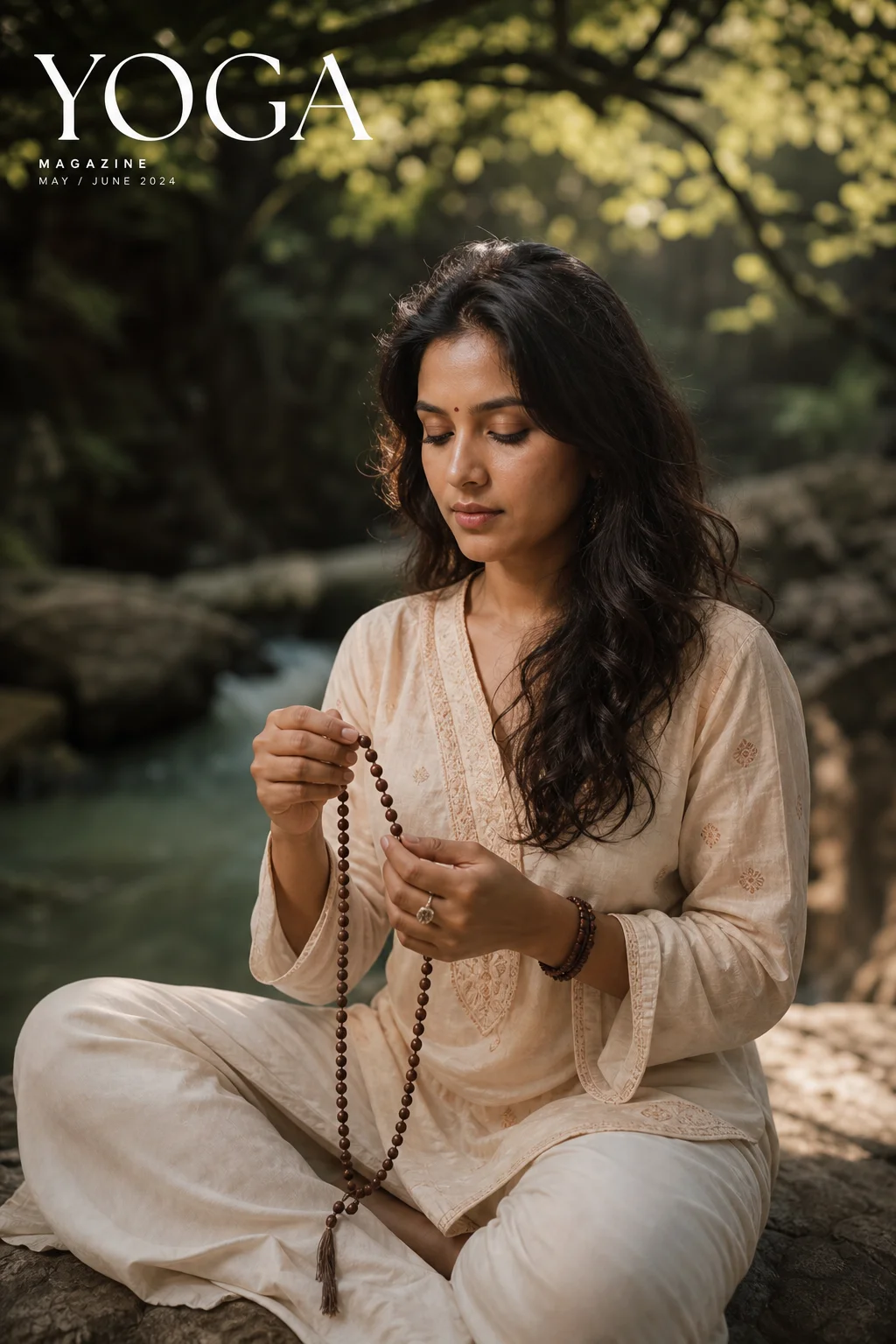
The word "japa" comes from Sanskrit and means "recitation" or "muttering." In practice, it is the act of repeating a mantra (a sacred word, phrase, or sound) while counting repetitions on a string of 108 beads — a mala. The technique is deceptively simple: say the mantra, move to the next bead, say the mantra again, repeat 108 times. That simplicity is exactly why it works. Unlike more open-ended meditation styles, japa gives your mind a clear, specific task. There is no "am I doing this right?" — if you are repeating the mantra and counting beads, you are doing it right.
The 108 Beads: Why That Number
A mala has 108 beads for reasons that span mathematics, astronomy, and spiritual tradition. In Hinduism, 108 is the number of Upanishads, the names of Hindu deities, and the sacred rivers. In Buddhism, there are 108 worldly desires that a practitioner seeks to overcome. In yoga, the body has 108 marma points (energy intersections). The mathematical reason: 108 is a Harshad number (divisible by the sum of its digits: 1+0+8=9, 108/9=12) and the product of the first three powers of three (1×3×36).
What matters in practice: 108 repetitions of a mantra takes about 15-20 minutes at a moderate pace. That happens to be the sweet spot for a daily meditation session — long enough to settle the mind, short enough to fit into a morning routine.
Choosing Your Mantra
The mantra you choose sets the tone for the entire practice. There is no wrong choice, but some mantras are better suited for specific goals.
Traditional Sanskrit Mantras
Om (pronounced AUM): The most fundamental mantra. One syllable, no religious baggage, and thousands of years of use. It represents the sound of the universe — the vibration underlying all creation. For beginners, this is often the best starting point because its simplicity prevents the mind from overthinking.
Om Mani Padme Hum: Six syllables. The mantra of Avalokiteshvara, the bodhisattva of compassion. Each syllable is said to purify a specific negative quality (pride, jealousy, desire, ignorance, greed, hatred). Buddhist practitioners have been using this mantra for over a thousand years.
Om Namah Shivaya: Five syllables. A Shiva mantra meaning "I bow to Shiva" or, more broadly, "I bow to the inner self." It is associated with transformation and the destruction of old patterns.
So Hum: Two syllables. Meaning "I am that." It connects the individual self with universal consciousness. Practitioners often sync this mantra with breathing: "So" on the inhale, "Hum" on the exhale.
Om Shanti Shanti Shanti: Meaning "peace, peace, peace." The triple repetition represents peace in body, speech, and mind. Good for stressful periods.
English Personal Mantras
If Sanskrit does not resonate with you (and there is no rule that it must), create a personal mantra in English:
- "I am enough."
- "I release what I cannot control."
- "I breathe in calm, I breathe out tension."
- "Every day, in every way, I am becoming more myself."
- "I am present, I am open, I am ready."
Hand Position and Bead Counting
The traditional bead-counting method is specific, and the details matter because they prevent confusion at the 108-bead mark.
Which Hand
Hindu tradition: Use the right hand. The right hand is associated with giving and active energy. The beads drape over the middle finger.
Buddhist tradition: Either hand, but the left hand is preferred for receiving energy. The beads drape over the index finger.
Modern practice: Use whichever hand feels comfortable. Most Western practitioners use the right hand by default, following the Hindu tradition.
The Finger Technique
Common Mistake: Losing Count
At bead 40 or 50, your mind will wander, and you will realize you have no idea where you are. This is normal and expected — it is literally why the beads exist (so you do not have to count in your head).
Fix: If you lose count, do not start over. Pick up wherever your thumb is. The point of japa is not to reach exactly 108 — it is the continuous practice. If you realize you have been sitting there for 20 minutes and your mind has been calmer the whole time, that is a successful session regardless of how many beads you counted.
The 21-Day Japa Challenge
If you want to build a japa practice that sticks, commit to 21 days. This is long enough to form a habit but short enough to feel achievable.
Week 1: Building the Habit (Days 1-7)
Time: 5 minutes. Just 5.
Mantra: Om. One syllable. Do not complicate it.
Position: Sit on the floor or in a chair with your back straight but not rigid. Hold the mala loosely in your hand.
Pace: One mantra repetition every 3-4 seconds. You will complete about 80-100 repetitions in 5 minutes. If you do not finish all 108 beads, that is fine.
What to expect: Days 1-3, your mind will fight you. You will think about work, email, groceries, and how uncomfortable your leg is. This is the mind's normal response to stillness. Do not judge yourself for it — just notice the distraction and return to the mantra.
Week 2: Deepening (Days 8-14)
Time: 10 minutes.
Mantra: Keep Om, or switch to Om Mani Padme Hum if you want more complexity.
Add: Set a specific intention before starting. Sit for 30 seconds, breathe, and silently state what you want from this practice. "May this session bring me clarity" or "May this session help me release anxiety."
What to expect: The mind-wandering decreases noticeably. You will have stretches of 20-30 beads where the mantra flows smoothly and the mental noise quiets. These moments are the whole point.
Week 3: Integration (Days 15-21)
Time: 15-20 minutes (enough to complete all 108 beads at a comfortable pace).
Mantra: Use your chosen mantra. By now, it should feel familiar and almost automatic.
Add: After completing 108 beads, sit in stillness for 1-2 minutes without the mala. Notice how your mind and body feel compared to when you started.
What to expect: You will likely notice that you reach for your mala automatically at the time you have been practicing. The habit is forming. Some people report better sleep, reduced anxiety, and improved concentration after two to three weeks.
Tips That Make the Difference
Same time, same place: Japa works best as a routine. First thing in the morning is ideal — the mind is quiet, and the practice sets the tone for the day. A specific chair or corner of a room becomes a physical cue that says "it is time to meditate."
Consistent mantra: Do not switch mantras every session. The power of japa comes from repetition — the mantra sinks deeper into your awareness each time you use it. Stick with one mantra for at least a month before trying another.
Eyes closed or slightly open: Closed eyes reduce visual distraction. Slightly open eyes (gazing downward at the floor about 3 feet in front of you) prevent sleepiness. Find what works for you.
Sound or silence: You can chant the mantra aloud (audible japa), whisper it (upamsu japa), or repeat it silently in your mind (manasika japa). All three are valid. Start with whispering — it engages the vocal cords and gives the mind a physical anchor without disturbing anyone nearby.
What Japa Is Not
Japa is not a quick fix for life's problems. It is not a wish-granting ritual. It is not a religious practice (unless you want it to be — it works equally well as a secular mindfulness exercise).
What it is: a structured way to focus your mind for 15-20 minutes a day. The mantra gives the mind something specific to do. The beads prevent you from wondering how much time has passed. The repetition creates a meditative rhythm that settles the nervous system.
After a few weeks of consistent practice, most people notice that the calm they feel during japa starts spilling into the rest of the day. That is the real benefit — not the 108 beads, but the neural pathway you have built toward stillness.
Creating a Mala Meditation Ritual
Creating a meditation ritual with your mala is an incredibly personal experience. It's not just about the repetition of mantras but also about creating a space that feels sacred and nurturing. Here are some steps to set up your own ritual:- Choose the Right Time: Decide when you want to meditate. Some people prefer to start their day with a morning routine, while others find it relaxing to end the day with a night-time practice.
- Set the Mood: Create a calm and serene environment. Dim the lights, use incense, and play soft, meditative music. The ambiance should help you relax and focus.
- Find Your Space: Choose a spot that feels comfortable and undisturbed. Whether it's a quiet corner of your room or a serene garden, the space should be yours for this practice.
- Prepare Your Mala: Before starting, take a moment to hold your mala. Feel the beads and let them connect with you. This can be a powerful moment of intention setting.
- Begin Your Practice: With your mala in hand, start your chosen mantra. Focus on the sound and the rhythm. Let the beads guide you through the meditation.
Using a Mala for Meditation: A Personal Story
When I first started meditating with a mala, I was skeptical. I'd tried other forms of meditation, but something about the structure of the mala and the repetitive nature of japa meditation clicked for me. I remember my first session: I chose the "Om" mantra and set a timer for 10 minutes. The first few minutes were a challenge, my mind wandered, and I felt frustrated. But I persisted, and gradually, I found myself more relaxed and centered. The beauty of the mala is that it gives you a physical connection to your meditation practice. Each bead represents a step in your journey, and the repetition helps anchor your focus. It's a tool that has become an essential part of my daily routine. Not only has it helped me to manage stress, but it's also deepened my connection to the practice and my spirituality.Maintaining Your Mala
A mala is not just a tool for meditation; it's a piece of jewelry and an object of beauty. To keep your mala in good condition and to honor the energy it holds, here are a few maintenance tips:- Wash Your Mala: After a few uses, your mala can accumulate oils and dirt from your hands. A gentle wash with warm water and mild soap can refresh it. Be sure to dry it completely before using it again.
- Store Your Mala: When not in use, store your mala in a clean, dry place. A cloth bag or a small box can protect it from dust and sunlight.
- Handle with Care: Avoid exposing your mala to extreme temperatures or harsh chemicals. Treat it with the respect and care you would a treasured possession.
Mala Bead Crystal Combinations: Enhancing Your Practice
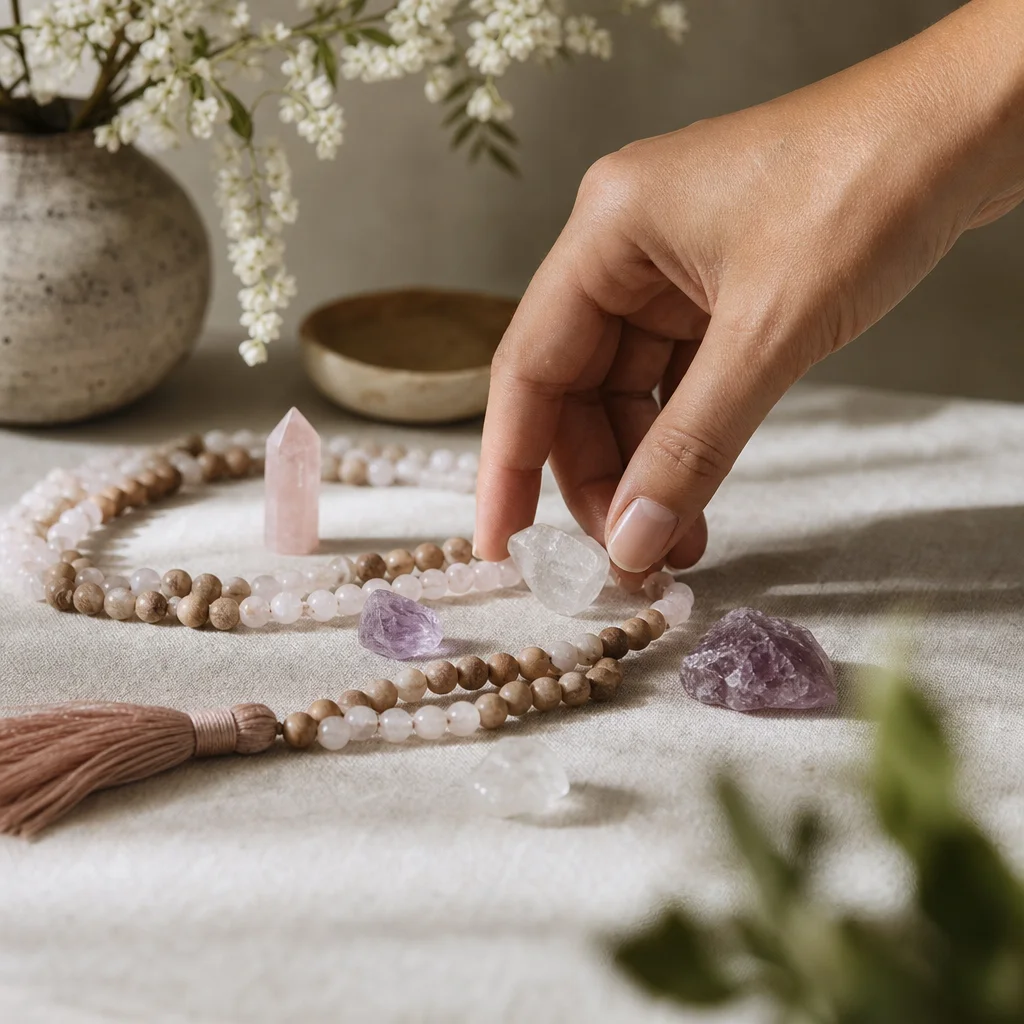
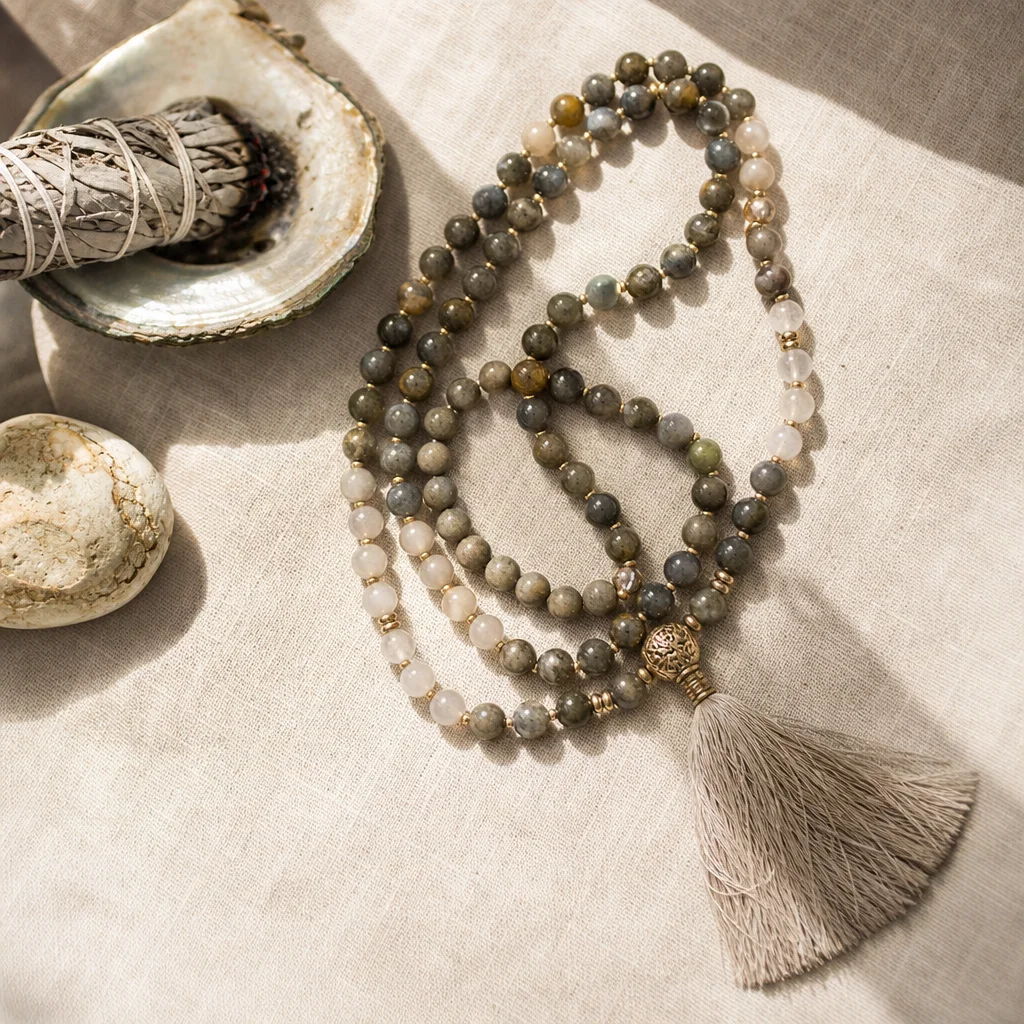
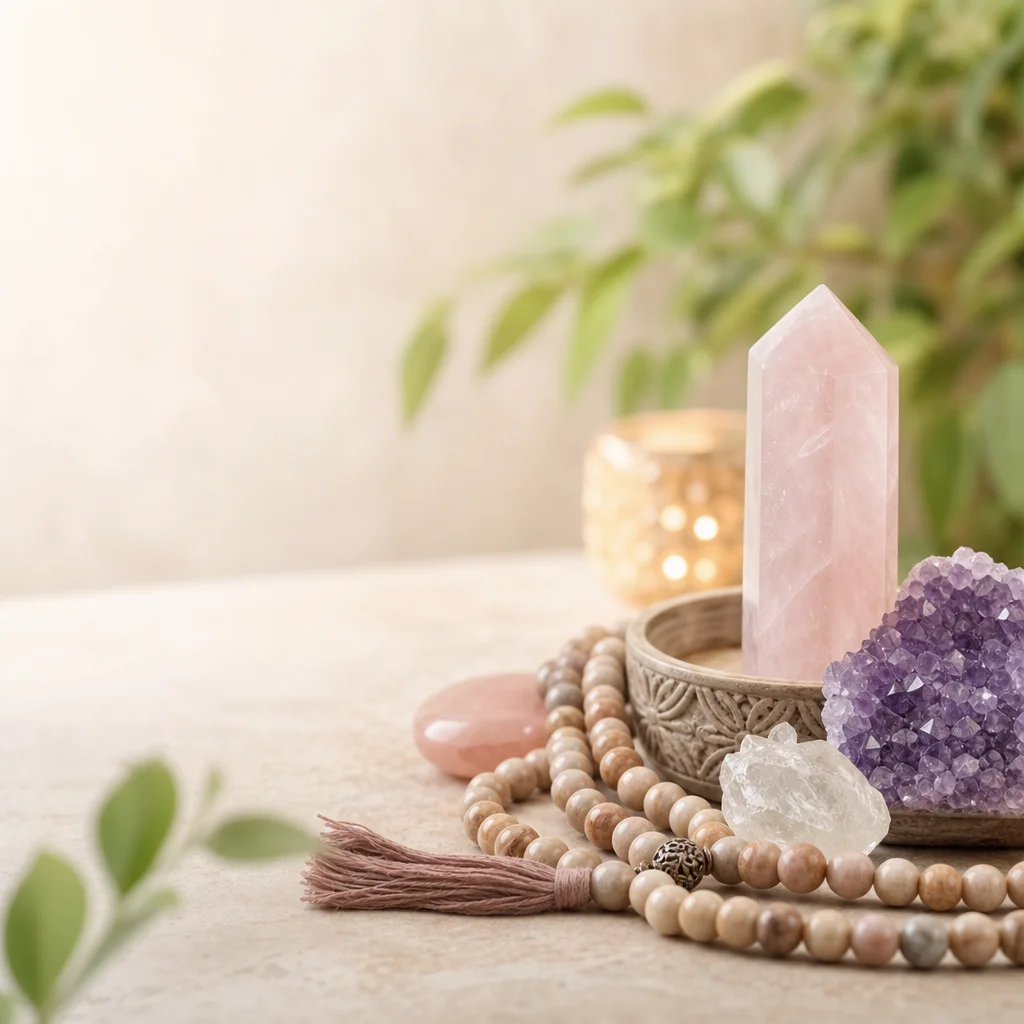
The beauty of a mala lies not only in its spiritual significance but also in the ability to customize it with crystals that resonate with your intentions. Here's a table that compares some popular crystal combinations and their potential benefits:| Crystal Combination | Potential Benefits |
|---|---|
| Amethyst & Rose Quartz | Enhances spiritual connection and opens the heart. |
| Lavender & Clear Quartz | Relaxes the mind and aids in stress relief. |
| Emerald & Jade | Boosts abundance and harmony. |
| Aventurine & Citrine | Increases joy and creativity. |
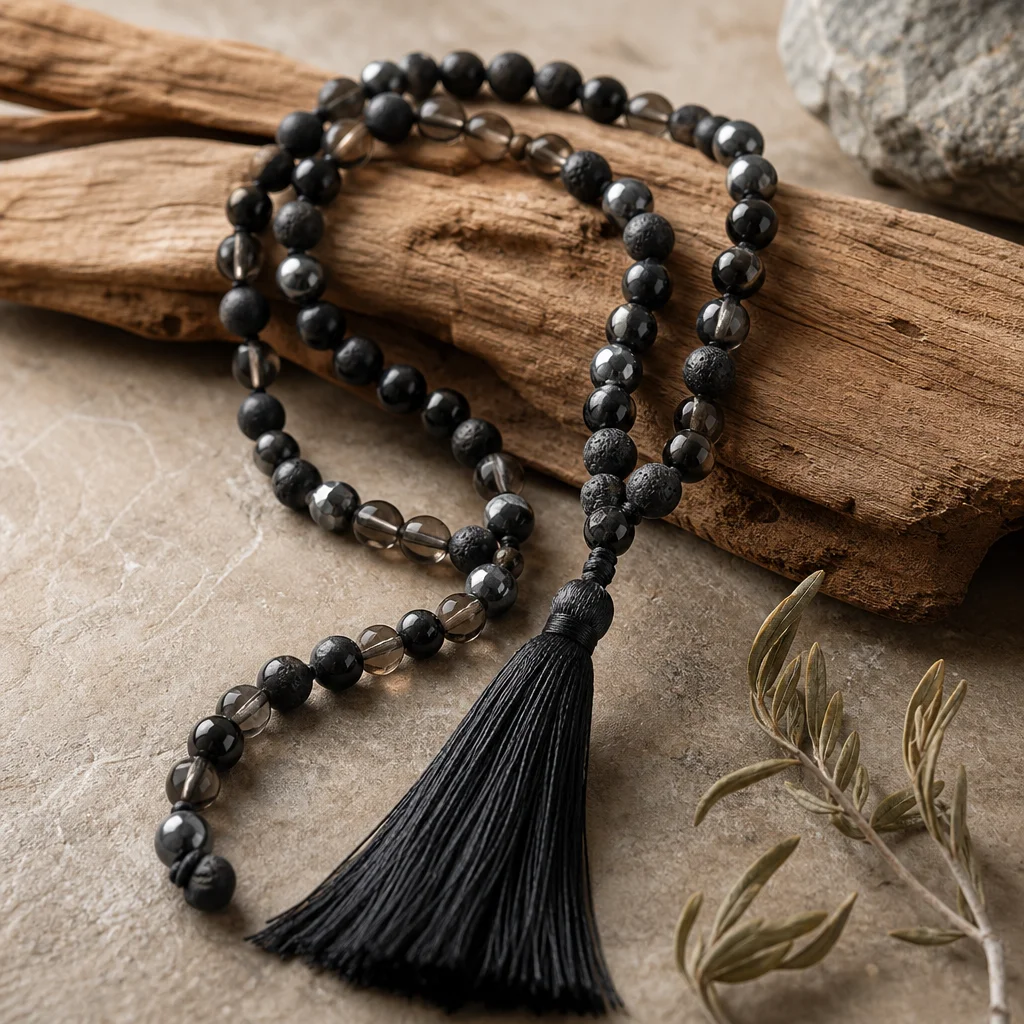
| Black Tourmaline & Obsidian | Protects against negative energy and enhances clarity. |
FAQ
Is it necessary to have a specific type of mala for japa meditation?
Is it necessary to have a specific type of mala for japa meditation?
No, any mala will work for japa meditation. However, some people prefer certain materials or designs that resonate with them personally or align with their spiritual beliefs.
How do I know which mantra to choose?
How do I know which mantra to choose?
Choose a mantra that resonates with you, whether it's based on your spiritual beliefs, personal meaning, or simply because you find the sound soothing.
Can I use a mala for other types of meditation besides japa?
Can I use a mala for other types of meditation besides japa?
Absolutely. Malas are versatile tools that can be used in many meditation practices, including mindfulness meditation, guided visualization, and breathing exercises.
Is there a right way to hold a mala during meditation?
Is there a right way to hold a mala during meditation?
There's no strict "right" way to hold a mala. Some people prefer to hold it in their hand, while others wrap it around their wrist. Do what feels comfortable for you.
Can I share my mala with others?
Can I share my mala with others?
It's generally considered respectful to use your mala exclusively for your own practice. However, if you do share it, be sure to cleanse and charge it first to transfer positive energy.
Comments