9 Crystals for Anxiety and Calm
June 11, 2026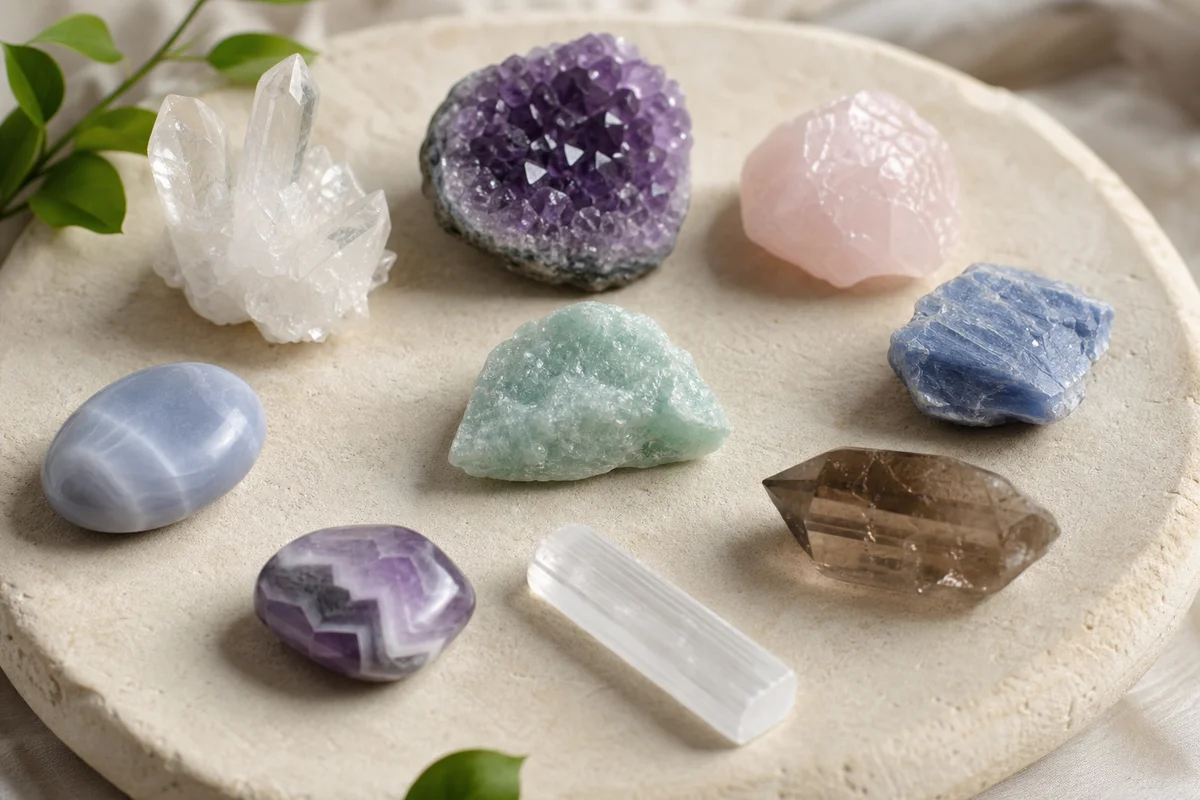
Discovering the Power of Calm: 9 Soothing Crystals Unveiled
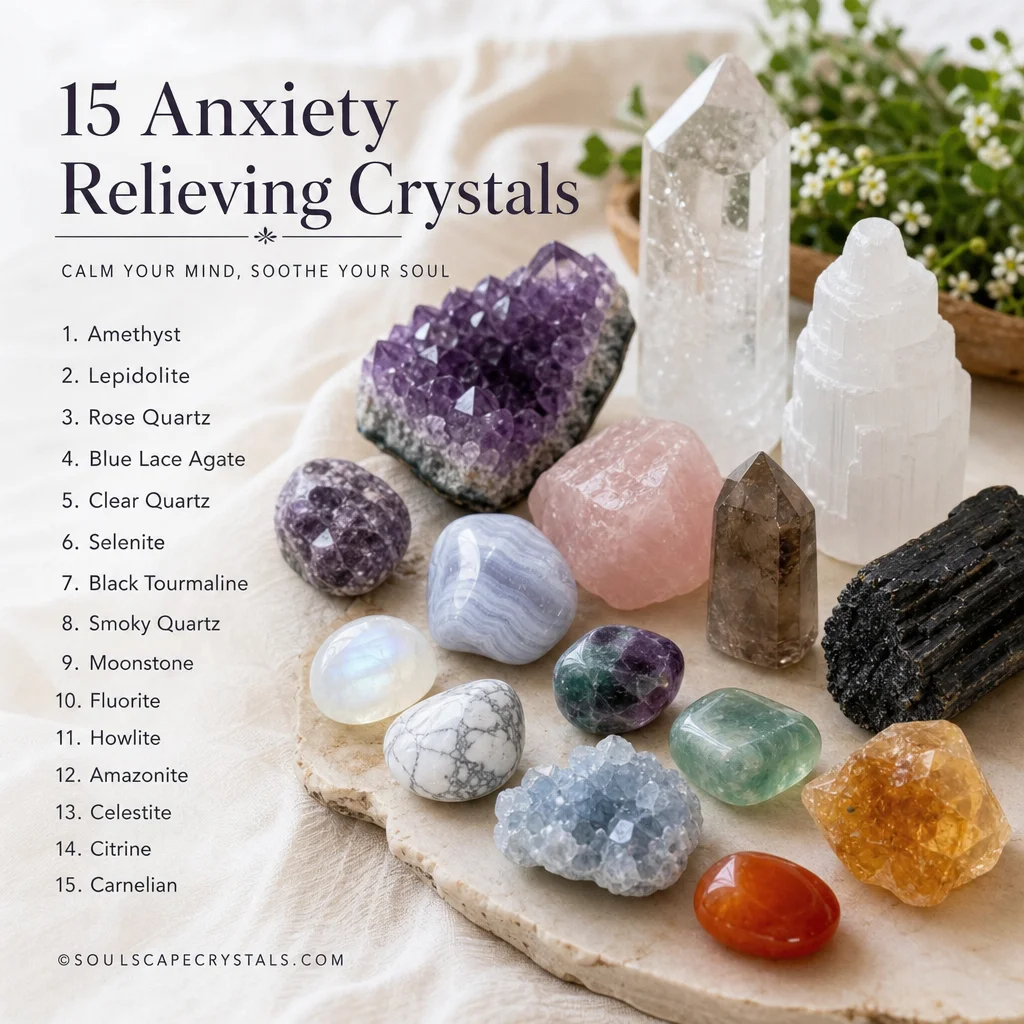
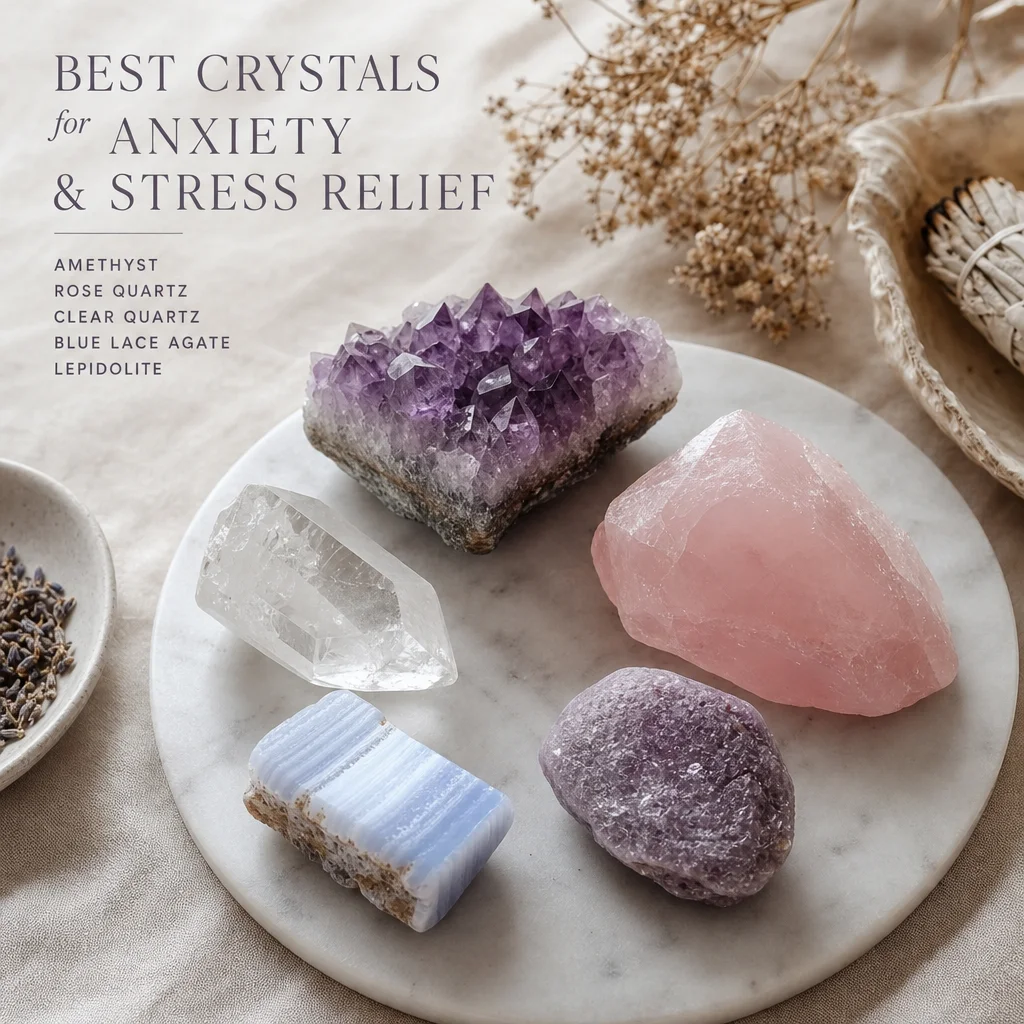
In our fast-paced lives, finding a moment of tranquility is more precious than ever. Crystal healing has emerged as a serene retreat, inviting us to tap into the calming energy of gemstones. Let's dig into into the mineralogy of 9 calming crystals, each with its unique properties to soothe your soul.Lepidolite: The Lavender Calmer (Li2Al(SO4)2(OH)2 · 4H2O)
Lepidolite, known for its mesmerizing lavender hue, is a lithium mica mineral that boasts a hardness of 2.5-3 on the Mohs scale. Its mineralogy isn't just about aesthetics; it's the foundation for its soothing qualities. As I've observed during several meditations, its energy promotes relaxation and clarity.- Origin: Often found in Brazil and Madagascar, this crystal is a favorite among crystal enthusiasts.
- Chakra Alignment: It resonates with the Third Eye Chakra, enhancing intuition and mental stability.
Amethyst: The Royal Responder (Quartz with traces of iron, hardness H7)
Next in our list is Amethyst, a gemstone known for its rich purple color, a sign of the iron that gives it life. It boasts a hardness of H7 on the Mohs scale, ensuring durability as well as a soothing aura. Its presence has long been sought for meditation, relaxation, and stress reduction."Amethyst has been revered throughout history, with its healing powers attributed to kings and royalty." - Ancient Sources
| Attribute | Description |
|---|---|
| Color | Deep purple due to iron impurities |
| Hardness | H7 on the Mohs scale |
| Chakra | Sacral Chakra, aiding emotional balance |
Blue Lace Agate: The Soothing Symbiosis (Silica, H6.5-7, sourced from Namibia)
Blue Lace Agate, a beautiful agate found predominantly in Namibia, captivates with its subtle blue veins against a creamy backdrop. Its hardness ranges from H6.5 to H7, and it is valued for its calming effect on the mind. It has become a go-to for stress relief and emotional stability in many crystal practitioners.- Properties: It enhances communication, promotes creativity, and fosters peace and balance.
- Chakra Alignment: It is aligned with the Throat Chakra, encouraging verbal expression of thoughts and feelings.
The Science Behind 9 Crystals for Anxiety and Calm
Crystal formation represents some of Earth's most extraordinary geological processes. Over millions of years, specific combinations of temperature, pressure, and chemical elements create the stunning mineral specimens we treasure today. Understanding these natural processes deepens our appreciation for each unique piece — knowing that a single crystal might have formed over tens of thousands of years beneath kilometers of rock makes holding one feel genuinely remarkable.
Modern mineralogy bridges geology, chemistry, and physics in fascinating ways. The crystal lattice — how atoms arrange themselves — determines everything from a stone's hardness to its optical properties. Trace elements measured in parts per million can transform ordinary minerals into extraordinary gems. This intersection of precision chemistry and natural beauty is what makes crystal collecting such an intellectually rewarding pursuit.
Care and Preservation
Proper storage protects your investment. Wrap individual specimens in soft cloth or place them in compartmentalized boxes to prevent scratching. Avoid prolonged direct sunlight which can fade sensitive minerals like amethyst, kunzite, and rose quartz. Most crystals tolerate gentle cleaning with lukewarm water, but porous stones like turquoise, opal, and pearls should never be submerged.
Display collections where temperature and humidity remain relatively stable. Sudden environmental changes can cause thermal shock, cracking even hard stones like quartz. Rotate your display pieces periodically — not only does this prevent uneven fading, but revisiting your collection with fresh eyes often reveals details you missed before.
Joining the Crystal Community
Local mineralogical societies, gem and mineral shows, and online communities offer wealth of knowledge from experienced collectors. Museums with mineral exhibits provide excellent reference points for understanding geological formations and crystal habits. Whether your interest leans toward scientific study, artistic appreciation, or cultural traditions, the crystal community welcomes newcomers with open arms and fascinating stories.
Every specimen in your collection carries a piece of Earth's 4.5-billion-year history. From volcanic eruptions that created obsidian to metamorphic processes that transformed limestone into marble, these stones are tangible connections to the dynamic forces that shaped our planet. Taking time to learn their stories transforms a collection from decorative objects into a personal museum of natural history.
Geological Formation
Amber is a fossilized tree resin that has undergone a natural process of hardening over millions of years. It forms when trees produce resin to protect themselves from insects and environmental damage. Over time, the resin hardens and becomes amber. The chemical composition of amber is primarily made up of succinic acid, with varying amounts of oxygen, hydrogen, and carbon. It belongs to the Amorphous Crystal System, which means it does not have a regular geometric shape. The geological process of amber formation is fascinating, as it involves the slow transformation of organic material into a gemstone.Color Varieties and Their Origins
Amber comes in a wide range of colors, from the classic honey yellow to a rare deep blue or even green. The color of amber is primarily determined by the inclusion of organic materials within the resin. For instance, if the resin trapped insects or plant materials, the color can be influenced by the pigments in these inclusions. Green amber is often caused by the presence of chlorophyll, while blue amber can be the result of light scattering due to tiny air bubbles trapped within the resin. The clarity and color of amber can also be affected by the geological conditions under which it was formed, such as the temperature and pressure.How to Identify Quality Specimens
When buying amber, there are several factors to consider to ensure you're getting a quality specimen. Look for pieces with clear, vibrant colors and minimal cloudiness or inclusions. The surface should be smooth and free of cracks or fractures. Be wary of amber that is overly polished, as excessive polishing can hide imperfections. Another red flag is amber that is too light in weight, as this could indicate that it has been treated or is a synthetic substitute. High-quality amber should feel warm to the touch and have a natural, rich luster.Care and Maintenance Guide
Caring for your amber is essential to maintain its beauty and longevity. To clean your amber, use a soft cloth and a mild soap and water solution. Avoid using harsh chemicals or abrasive cleaners, as these can damage the surface. When storing your amber, keep it away from extreme temperatures and direct sunlight. A cool, dark place is ideal. It's also a good idea to store your amber separately from other gemstones to prevent scratches. Avoid exposing your amber to extreme humidity, as this can cause it to become brittle over time.Frequently Asked Questions
Can amber be worn daily?
Can amber be worn daily?
Absolutely! Amber is a durable gemstone that can be worn daily. Just be sure to take it off when you're doing activities that could scratch or damage it, like gardening or exercising.How can I tell if my amber is real?
How can I tell if my amber is real?
Real amber will feel warm to the touch and will have a natural, rich luster. It should also be slightly heavier than it looks. If it's too light or has a glassy appearance, it might be a synthetic substitute.Can amber be used for healing purposes?
Can amber be used for healing purposes?
While there are beliefs that amber has healing properties, it's important to note that these are not scientifically proven. However, many people find comfort and beauty in wearing amber jewelry.How long does it take for amber to form?
How long does it take for amber to form?
Amber can take anywhere from 20 million to 300 million years to form. The exact time depends on the geological conditions and the type of tree that produced the resin.Is amber suitable for sensitive skin?
Is amber suitable for sensitive skin?
Amber is generally safe for sensitive skin. However, if you have any concerns, it's always a good idea to test a small piece of amber on your skin before wearing it regularly.Related Crystals You Might Love
- Moonstone - Known for its pearly luster and blue or white sheen, moonstone is often associated with intuition and calmness. It's a great companion to amber for enhancing emotional balance.
- Lavender Quartz - This crystal combines the calming properties of lavender with the clarity of quartz. It's believed to help with relaxation and stress relief.
- Aventurine - With its sparkling green hues, aventurine is a stone of prosperity and good fortune. It's often used to promote a sense of peace and harmony.
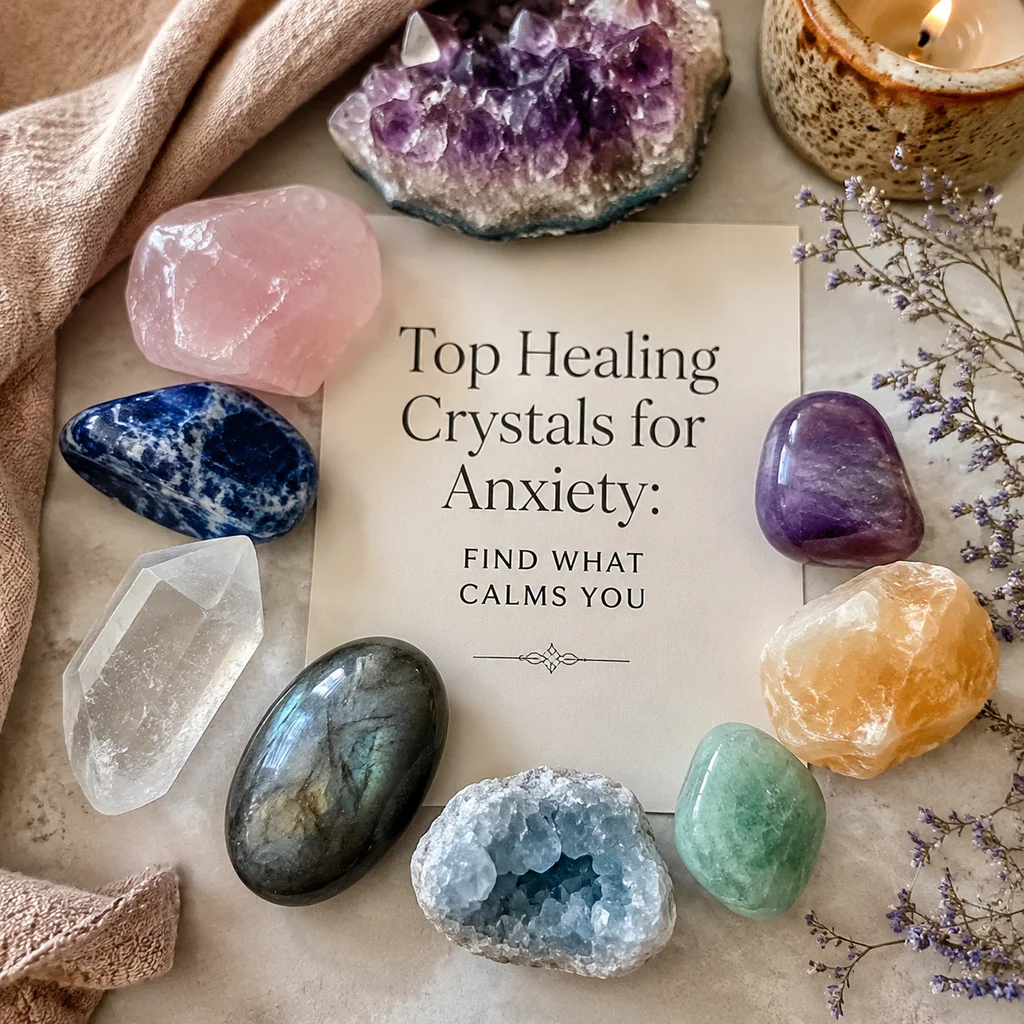
- Sodalite - Sodalite is known for its deep blue color and is often associated with clarity of thought and emotional balance. It's a great stone for those who are looking to reduce anxiety and find calmness.
Conclusion
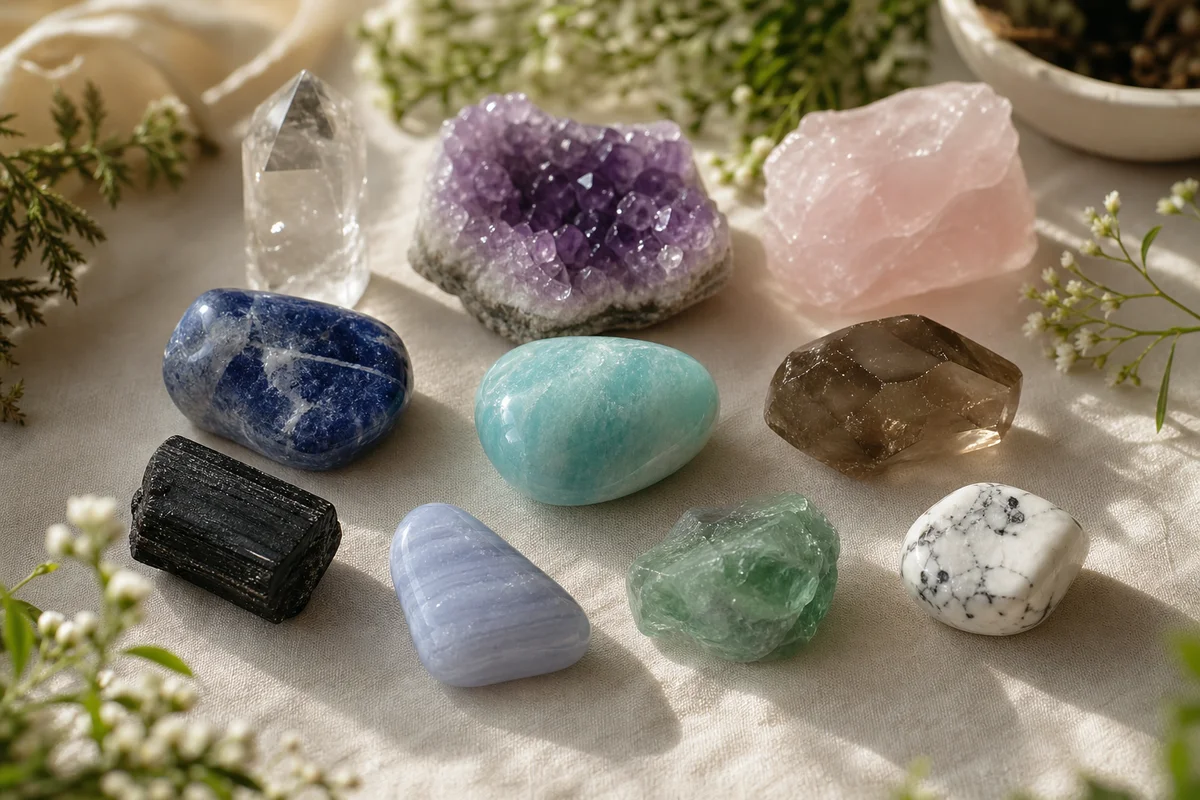
Working with calming crystals can be a deeply personal and rewarding experience. Whether you are drawn to the lavender hues of lepidolite or the deep purple of amethyst, each stone offers a unique connection to the natural world. Start with one that resonates with you, and let your collection grow naturally over time.
Comments