Can Malachite Get Wet? The Copper Risk You Must
May 28, 2026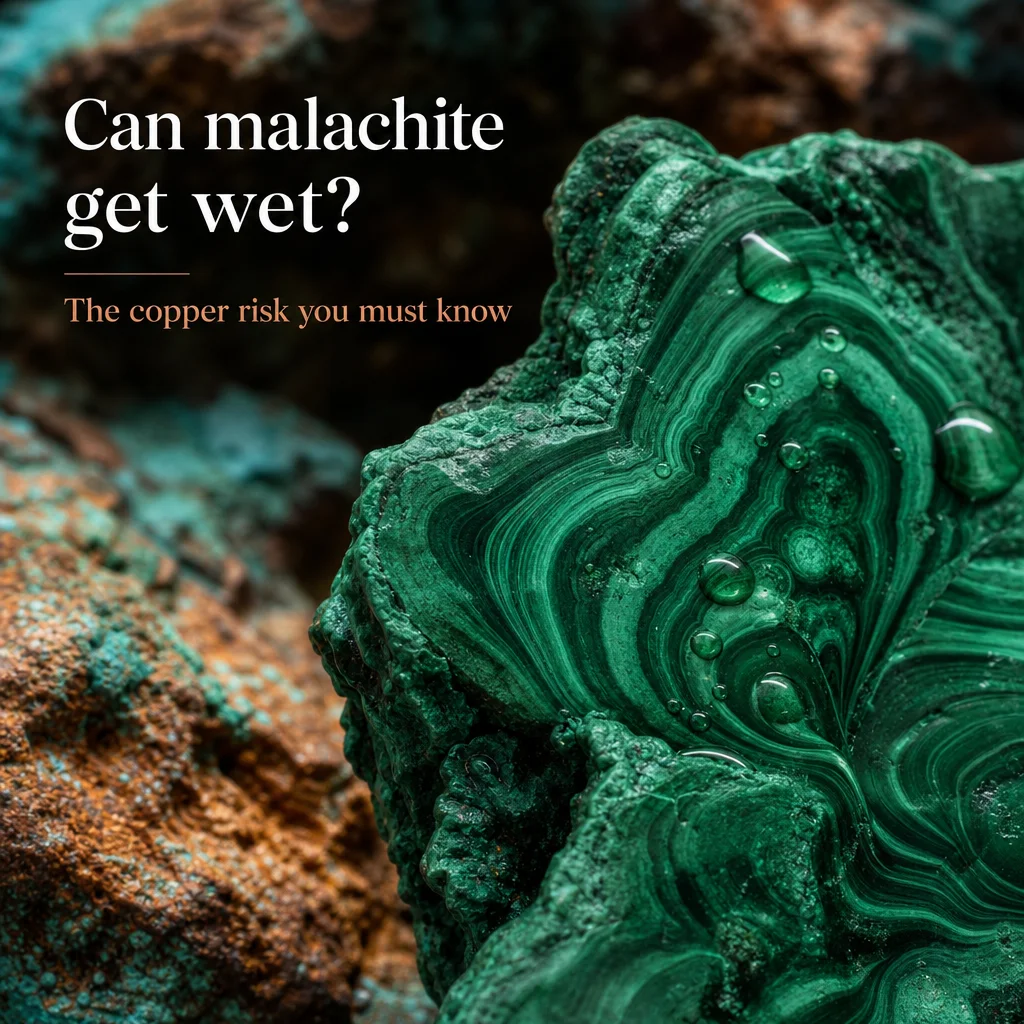
The Short Answer: Malachite and Water Don't Mix
If you're holding a piece of malachite right now, wondering whether it's safe to rinse it under the tap — here's the honest answer: a quick splash won't hurt you. But soaking malachite in water, putting it in your drinking bottle, or wearing it in the shower? That's a different story, and the reasons have nothing to do with crystal energy and everything to do with chemistry.
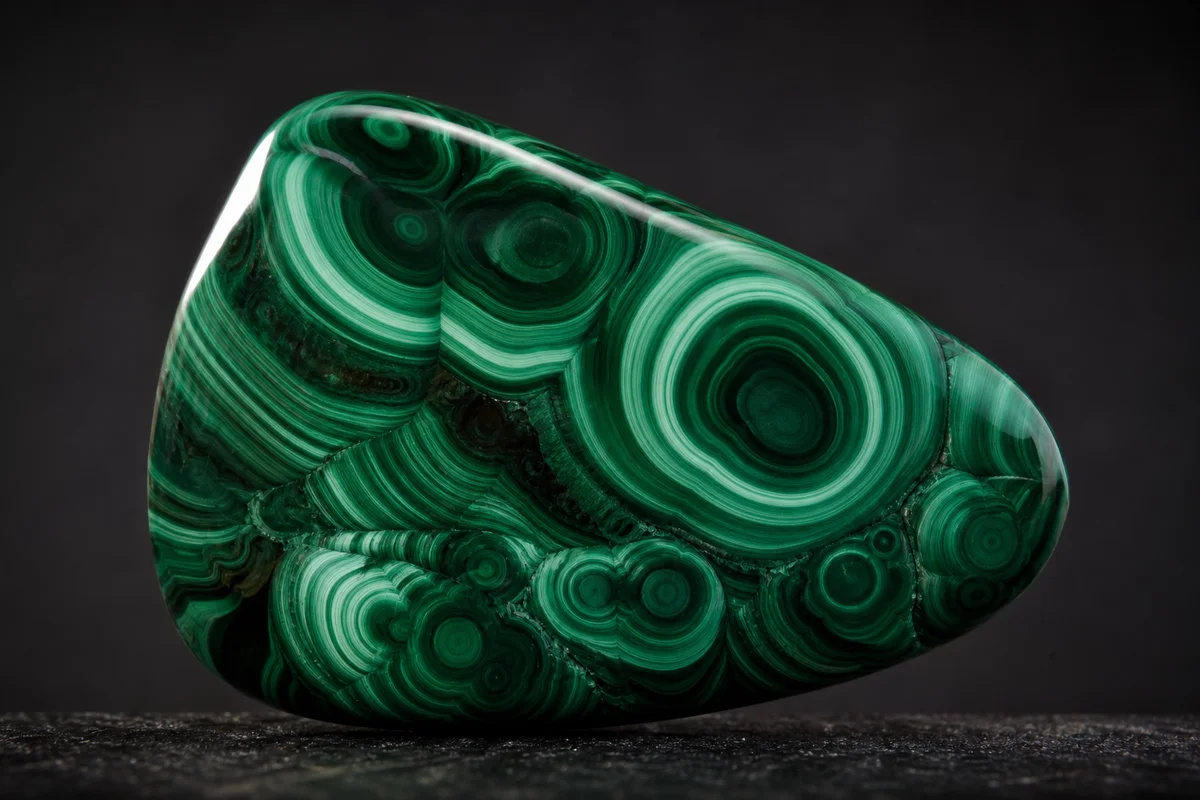
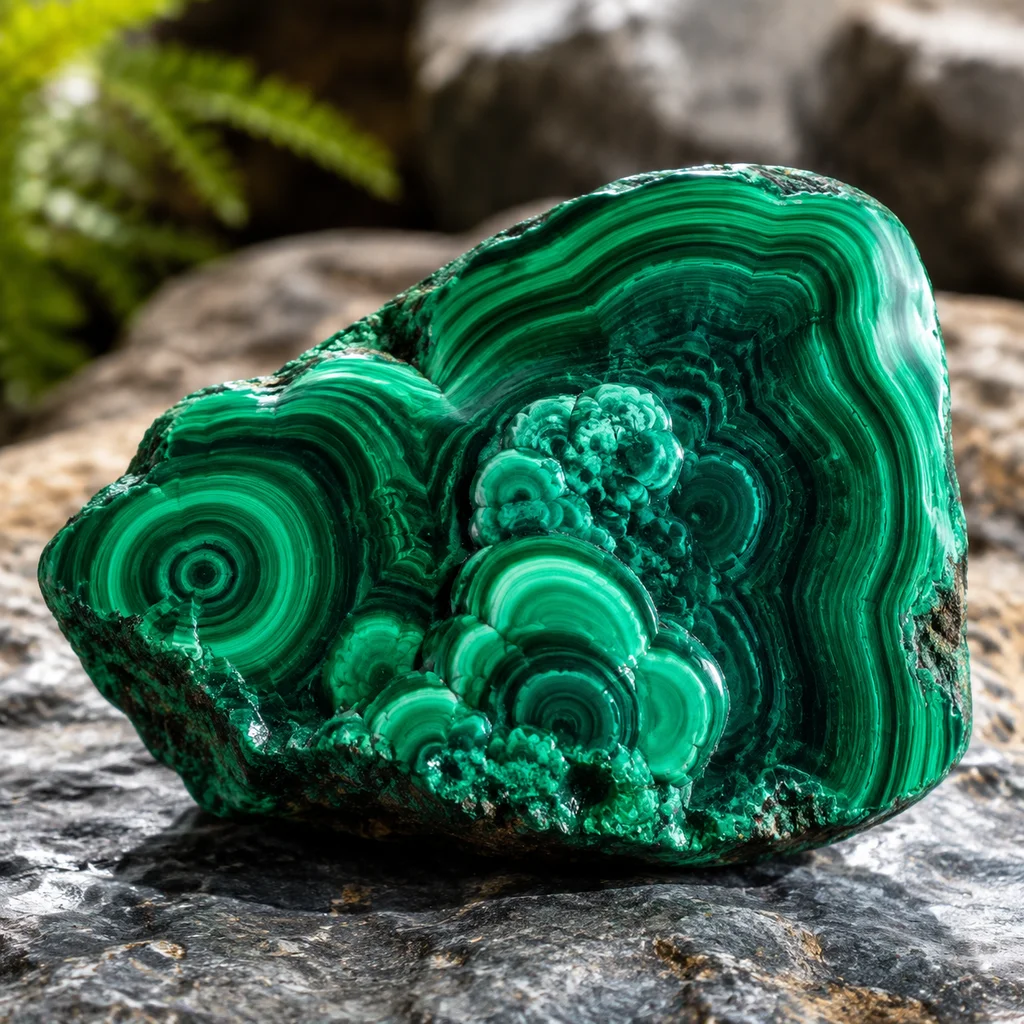
Malachite is a copper carbonate hydroxide mineral with the formula Cu₂CO₃(OH)₂. That copper content is what gives it those stunning green bands — and it's also what makes water contact a genuine concern. When malachite sits in water for extended periods, especially warm or acidic water, copper ions can slowly leach out. Ingesting those ions is not great for your health.
This isn't a warning based on folklore. It's basic mineral chemistry, and it applies to several other popular crystals too.
The Chemistry Behind the Warning
Let's break down what happens when malachite meets water, without getting bogged down in jargon.
Malachite forms in the oxidation zones of copper deposits. It's essentially nature's way of storing copper in a solid, stable form — stable, that is, as long as it stays dry. The copper in malachite is bound up in a carbonate structure that's only mildly soluble in pure water. But several factors speed up the dissolution:
- Acidity: Even mildly acidic water (like tap water in some regions, or water with lemon) dissolves the carbonate structure much faster. Your skin's natural oils are slightly acidic, which is why prolonged skin contact with raw malachite can sometimes leave a greenish residue — that's copper.
- Temperature: Warm or hot water increases the rate of copper ion release significantly compared to cold water.
- Time: A five-second rinse releases negligible copper. A 24-hour soak is a different calculation entirely.
- Surface area: Polished, tumbled malachite releases less copper than rough, raw specimens because the surface area exposed to water is smaller and the polish creates a partial barrier.
The key number to remember: the EPA sets the maximum contaminant level for copper in drinking water at 1.3 mg/L. It doesn't take much malachite in a water bottle to exceed that threshold.
What Actually Happens When Malachite Gets Wet
Not all water contact is equal. Here's a practical risk breakdown:
| Scenario | Risk Level | What Happens |
|---|---|---|
| Quick rinse under running water (5-10 seconds) | Low | Negligible copper release. Safe for occasional cleaning. |
| Washing hands while wearing a polished bracelet | Low | Minimal exposure. The polish layer limits leaching. |
| Showering with malachite jewelry (10-15 minutes) | Medium | Warm water + soap = faster copper release. Repeated exposure can also dull the polish. |
| Swimming (chlorine pool or saltwater) | High | Chlorine and salt both accelerate copper dissolution. Don't do it. |
| Soaking in a crystal elixir overnight | High | Direct ingestion risk. Copper toxicity symptoms include nausea and stomach cramps. |
| Malachite in a water bottle (indirect method) | High | Even with the stone not touching the water directly, condensation and proximity can transfer copper to your drinking water over time. |
Signs Your Malachite Has Been Water-Damaged
Beyond the health concerns, water can also damage the stone itself:
- Dullness or clouding on previously polished surfaces
- White or chalky patches where the carbonate structure has started breaking down
- Color changes — bands may fade or shift from vibrant green to a washed-out pale green
- Surface pitting on rough specimens after prolonged soaking
Can You Put Malachite in a Water Bottle?
Crystal water bottles (sometimes called gem water bottles or elixir bottles) became a massive trend, and malachite is one of the stones people reach for most often because of its striking green color. This is exactly the wrong choice.
Even "indirect" methods — where the stone sits in a separate compartment and doesn't touch the water directly — are risky with malachite. Condensation forms inside those compartments. Water vapor gets in. Over days and weeks of use, copper migrates into your drinking water at concentrations you can't see or taste but your liver definitely notices.
Bottom line: Do not use malachite in any kind of drinking vessel, gem water bottle, or elixir setup. Ever.
If you want a green crystal for your water bottle that's actually safe, reach for green aventurine or prehnite instead. Both are stable in water and won't leach anything harmful.
Safe Ways to Clean Malachite
So how do you keep your malachite clean without damaging it or risking copper exposure? Here are the methods ranked from safest to least safe:
Method 1: Dry Cloth (Best)
A soft, dry microfiber cloth removes dust, fingerprints, and light grime without any water at all. This should be your default cleaning method for malachite jewelry and specimens.
Method 2: Slightly Damp Cloth (Good)
If dry wiping isn't enough, barely dampen a soft cloth — it should feel cool to the touch, not wet. Wipe the stone quickly, then immediately dry it with a separate cloth. Total water contact: under 5 seconds.
Method 3: Mild Soap Solution (Occasional)
For malachite jewelry that's been worn regularly and has buildup from lotions, sweat, or oils: mix a tiny drop of mild dish soap in a bowl of lukewarm water. Dip a soft cloth in the solution, wring it out until it's barely damp, wipe the stone, then rinse with a clean barely-damp cloth and dry immediately.
What to Avoid
- Ultrasonic cleaners: The vibrations can crack malachite along its natural banding planes, especially in specimens with internal fractures.
- Steam cleaning: Heat + water = accelerated copper leaching.
- Chemical cleaners: Jewelry cleaning solutions, acetone, alcohol, and acidic cleaners can all react with the copper carbonate. Some will strip the polish; others may release copper faster.
- Salt or saltwater: Salt is a catalyst for copper dissolution. Never clean malachite with salt.
- Prolonged soaking of any kind: Even if the water is "clean."
Other Copper Minerals With the Same Issue
Malachite isn't the only popular crystal that contains copper. If you're being careful about water contact with malachite, you should apply the same caution to these stones:
| Crystal | Copper Content | Water Safety |
|---|---|---|
| Azurite | High (Cu₃(CO₃)₂(OH)₂) | Same risk as malachite. Do not soak. |
| Chrysocolla | High (Cu,H₂O)₂H₂Si₂O₅(OH)₄ | Very soft (Mohs 2-4). Water damages the stone structurally and leaches copper. |
| Turquoise | Moderate | Less soluble than malachite, but prolonged soaking can cause color changes and degrade the stone. Many turquoise pieces are stabilized with resin, which adds another layer of concern. |
| Cuprite | Very high (Cu₂O) | Rarely used in jewelry, but if you have a specimen, treat it like malachite. |
| Shattuckite | High | A copper silicate. Same water avoidance rules apply. |
On the other hand, stones that are frequently labeled "copper-bearing" but are actually safe in water include cuprite (only when polished and sealed) and chrysocolla (when stabilized). When in doubt, check the Mohs hardness and the specific mineral formula — anything with "Cu" in the formula deserves caution around water.
FAQ
Q: Can I wear malachite in the shower?
A: It's not recommended. The combination of warm water, soap, and prolonged exposure means you're both leaching copper and degrading the polish on your stone. If you've done it a few times by accident, don't panic — just take it off before your next shower.
Q: Is malachite jewelry safe to wear daily?
A: Yes, polished malachite jewelry is safe for daily wear. The copper is bound in the mineral structure and doesn't absorb through intact skin in any meaningful quantity. The risk is specifically about water ingestion, not skin contact.
Q: What should I do if my malachite got wet?
A: If it was a brief contact (rain, quick rinse), just dry it off with a soft cloth. If it was soaked for hours, dry it thoroughly and check for any clouding or color changes. If you were using it in a water bottle, throw the water away — don't drink it.
Q: Why do some websites say malachite is "water safe"?
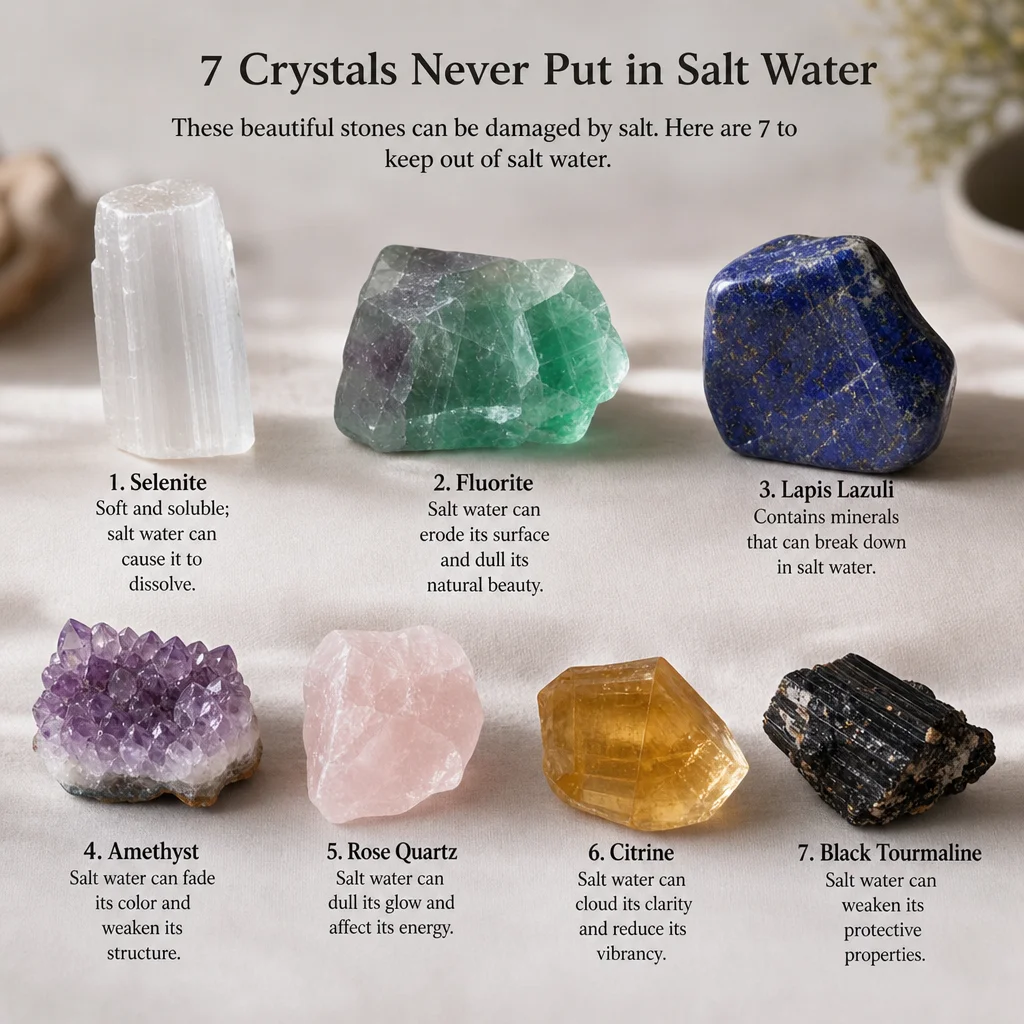
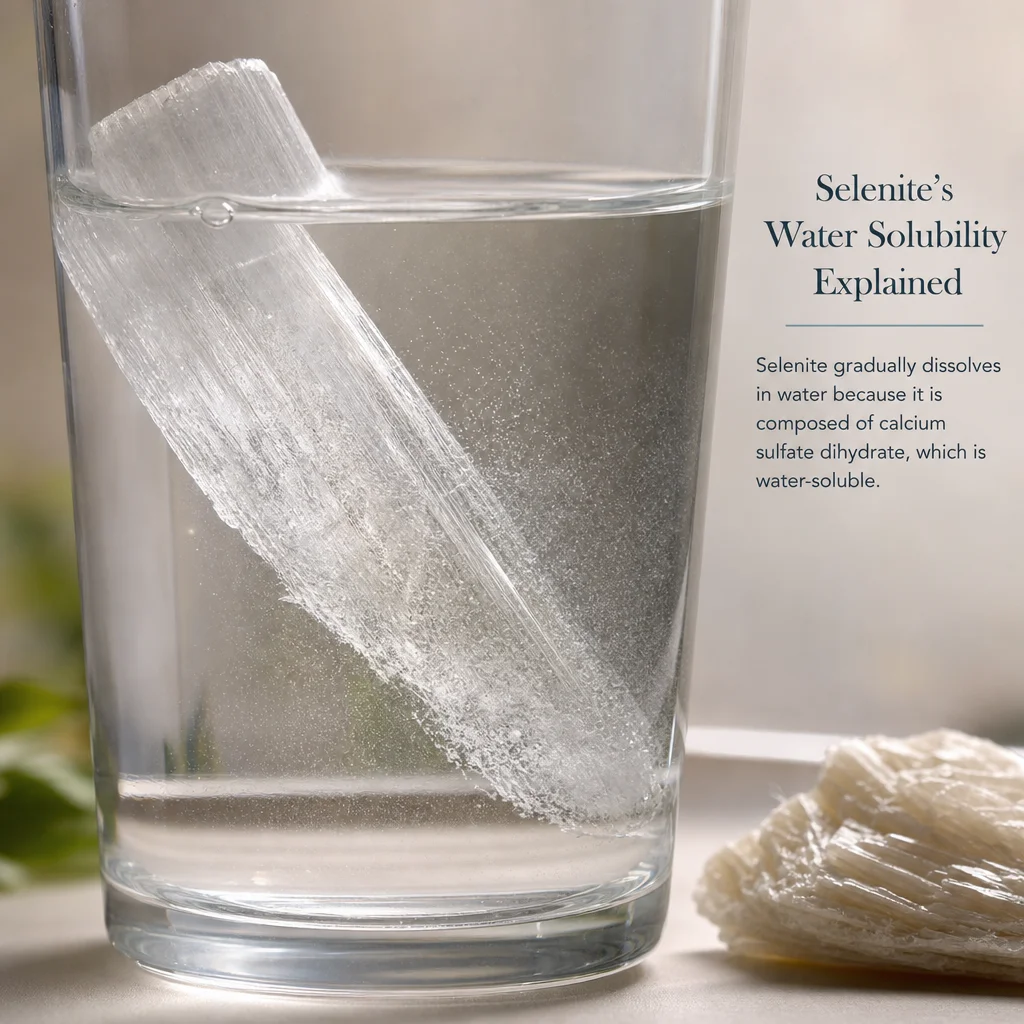
A: Some crystal guides conflate "won't dissolve instantly" with "safe for water use." Technically, malachite won't crumble in water the way selenite does. But the copper leaching issue makes it unsafe for any application involving drinking water or prolonged soaking.
Q: Is raw malachite more dangerous than polished?
A: Raw malachite has more surface area exposed and no protective polish layer, so yes — it leaches copper faster. Handle raw specimens with gloves if you'll be touching them for extended periods, and wash your hands afterward.
Frequently Asked Questions
Can I shower with my malachite jewelry?
It is highly recommended to take off your malachite jewelry before showering. Since malachite contains copper, prolonged exposure to water and shower products can cause the stone to degrade and potentially leave a toxic residue on your skin. To preserve the beauty of your artisan handcrafted pieces, always remove them before washing.
How do I cleanse malachite without using water?
Since water damages malachite, you can safely cleanse your crystal jewelry using alternative methods. Place your malachite piece on a bed of dry sea salt, use sound healing like a singing bowl, or leave it under the moonlight overnight. Smudging with sage or palo santo is also a beautiful, water-free way to clear its energy.
What should I do if my malachite accidentally gets wet?
If your malachite jewelry accidentally gets wet, do not panic. Gently pat the stone dry immediately with a soft, lint-free cloth. Avoid using heat or rubbing the surface aggressively. Let it air dry completely in a well-ventilated area before storing it. Occasional brief contact with water will not ruin your piece, but prolonged soaking should be avoided.
Can I wear malachite while swimming in a pool or ocean?
You should never wear malachite jewelry in a swimming pool or the ocean. Pool water contains harsh chemicals like chlorine, which will rapidly erode the stone's surface. Ocean saltwater can also severely damage malachite. Always store your natural crystal pieces safely before taking a dip to protect your handcrafted jewelry.
Does malachite contain toxic copper that can harm me?
Malachite is a copper carbonate mineral, which means it does contain copper. In its solid, polished form—like in our handcrafted jewelry—it is perfectly safe to wear against your skin. However, if it gets wet and starts to break down, it can release copper dust. Keep it dry to ensure your beautiful malachite remains safe to wear.


Comments