Wire Wrap a Crystal Ring: 3 Easy Designs
June 11, 2026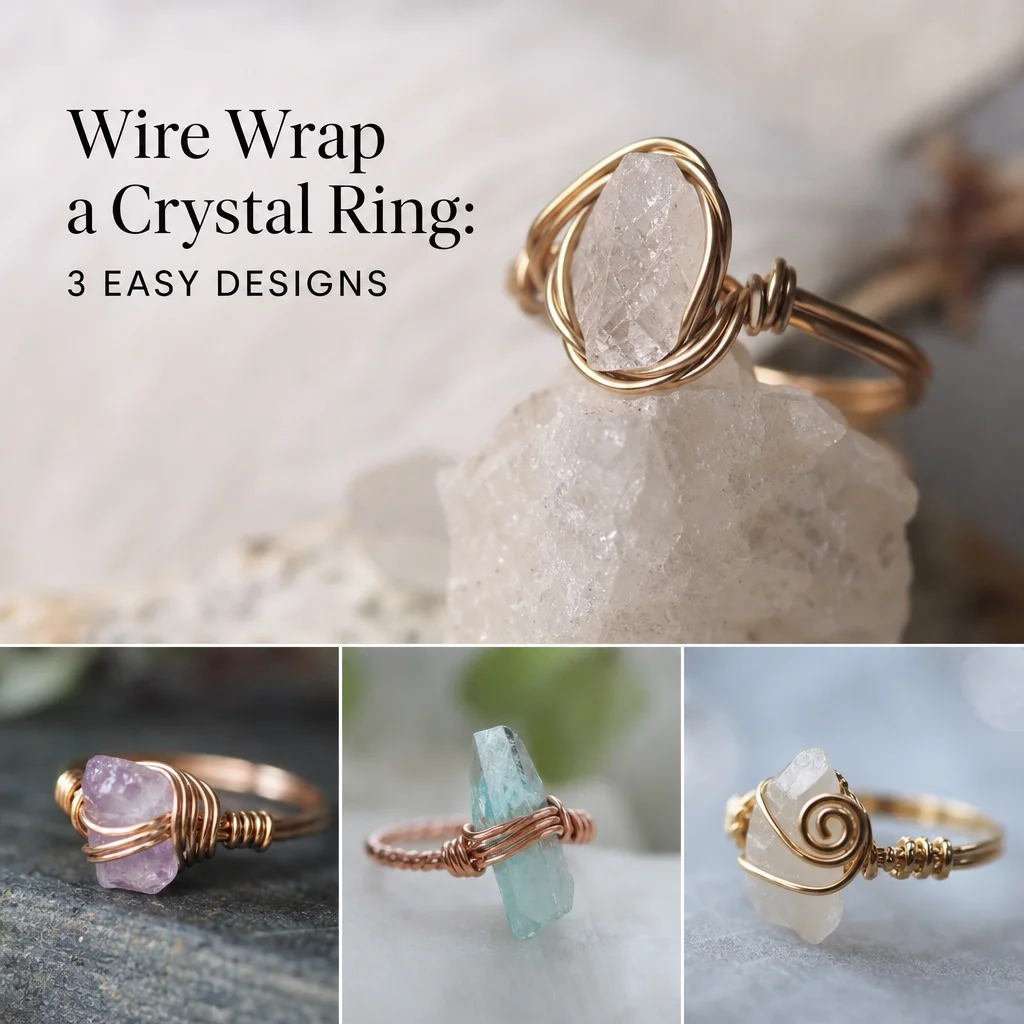
Design 1: The Classic Solitaire
The classic solitaire ring is timeless. It features a single crystal, center stage, with the rest of the design focusing on showcasing its beauty. Here's how you can do it:- Select Your Crystal: I recommend a round or oval crystal for this design. A size of 8x6 mm is perfect for a solitaire ring.
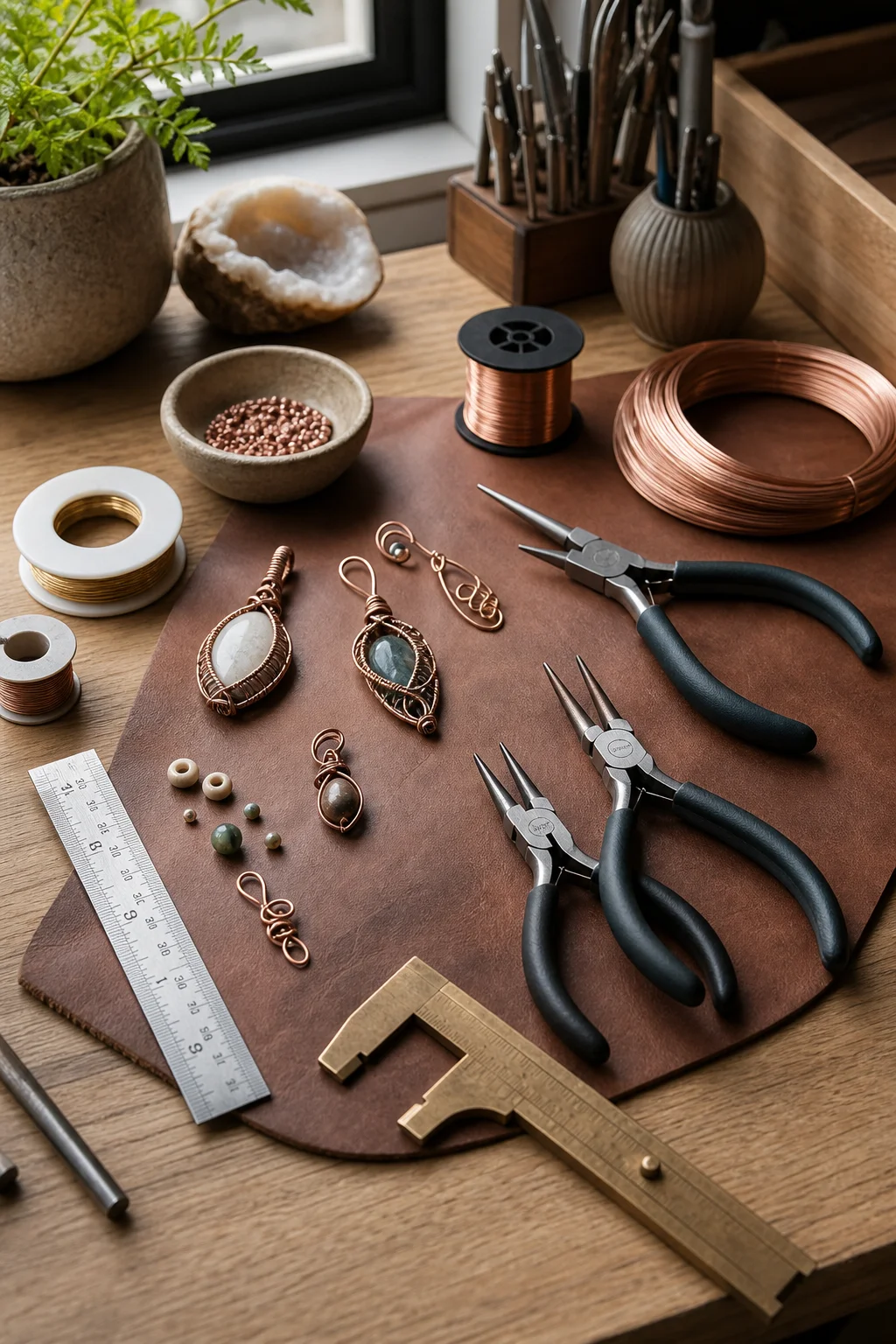
- Gather Your Supplies: You'll need 18-gauge half-hard wire, round-nose pliers, flat-nose pliers, and wire cutters.
- Start with the Shank: Begin by wrapping the wire around the base of the crystal, creating a sturdy foundation.
- Form the Band: Wrap the wire around your finger to form the ring band, making sure it fits comfortably. Adjust as needed.
- Secure the Crystal: Once the band is in place, use your round-nose pliers to form a small loop on the wire, then thread the crystal through the loop.
- Add Detail: If you want to add more detail, consider wrapping the edges of the crystal with the same wire for an extra flair.
Design 2: The Cluster Charm
For those who love a little sparkle, the cluster charm ring is a delightful choice. It's all about that pop of color and the play of light.- Choose Your Crystals: You'll need three to five small crystals. I prefer a cubic zirconia or quartz for a bit of shimmer. Size: 5x4 mm should do the trick.
- Supplies: The same as Design 1, plus a jump ring or two to connect the crystals.
- Start with the Base: Similar to the solitaire, you'll start by wrapping the wire around the base of the first crystal.
- Build the Cluster: Attach each crystal to the previous one using the jump ring or by wrapping the wire around each crystal, creating a cluster of sparkle.
- Secure the Band: Wrap the wire around your finger and secure it. Adjust as needed for the perfect fit.
Design 3: The Twisted Ring
The twisted ring is both modern and romantic, with a unique texture that will make heads turn.- Crystal Selection: A flat-bottomed, oval crystal works well for this design. Size: 6x8 mm, please.
- Materials: Use 18-gauge half-hard wire, round-nose pliers, flat-nose pliers, and wire cutters.
- The Base Loop: Create a small loop on the bottom of the crystal for the base of the ring.
- Twist and Wrap: Hold the crystal with your round-nose pliers and begin to wrap the wire around it, twisting the wire as you go.
- Add the Second Loop: Once you reach the desired size, add a second loop to secure the design. Thread the crystal through this loop.
- Form the Band: Wrap the wire around your finger, and secure with a third loop for the ring band.
Frequently Asked Questions
**Frequently Asked Questions
**Q: How long does it take to wire wrap a crystal ring?
A: It can take anywhere from 20 minutes to an hour, depending on your experience and the design complexity. The twisted ring, for example, is quicker than the cluster charm ring, which can take more time to ensure each crystal is properly secured.
Q: Can I use any wire for wire wrapping?
A: While you can experiment with different types of wire, 18-gauge half-hard wire is a great starting point for beginners. It's flexible enough for intricate designs and sturdy enough to hold up your crystal.
Q: Do I need to know how to solder to make a wire-wrapped ring?
A: Not at all! Most wire wrapping designs can be completed without soldering. You'll just need to practice forming loops and wrapping wire securely around your crystal.
Q: Can I resize a wire-wrapped ring?
A: Yes, you can! You can either wrap the ring tighter to make it smaller or add extra wire to make it larger. Just be sure to wrap the wire snugly but not so tight that it's uncomfortable to wear.
**Remember, the key to success is patience and practice. Don't be afraid to experiment with different crystals and designs until you find the one that speaks to you. Happy crafting, my crystal-loving friends!**Geological Formation
Crystal formation is a fascinating process that takes place over thousands to millions of years. For example, the crystal you choose for your wire-wrap ring could be a quartz, which forms deep within the Earth's crust. The process begins when dissolved minerals are carried through the ground by groundwater, a process known as hydrothermal activity. Over time, as the water circulates, it deposits the minerals it carries. As the water evaporates, the minerals crystallize and grow into the beautiful, unique shapes we associate with crystals. Quartz, which is a silicon dioxide compound, belongs to the trigonal crystal system, characterized by its three-fold symmetry. Its chemical composition is SiO2, making it one of the most abundant minerals on Earth. The way it forms can be influenced by factors such as temperature, pressure, and the presence of certain impurities, leading to the variety of quartz crystal forms and colors.Color Varieties and Their Origins
The colors in crystals can be attributed to various factors. Some crystals, like citrine, are formed by natural radiation, while others, such as amethyst, acquire their color from trace amounts of iron impurities. For instance, the vibrant yellow of citrine is caused by exposure to natural radiation, while amethyst's purple hues are a result of iron. Another color variation comes from the inclusion of other minerals within the crystal's structure, such as goethite or rutile, which can create chatoyancy, a unique effect that gives the crystal a silvery, shimmering appearance. Understanding the origin of these colors can deepen your appreciation for the natural beauty and rarity of these gemstones.How to Identify Quality Specimens
When selecting a crystal for your wire-wrap ring, there are several factors to consider that can help you identify high-quality specimens. Look for clarity; crystals with fewer inclusions or imperfections are generally more valuable. The size and shape of the crystal should also be taken into account; larger, well-formed crystals can be more difficult to find. Also, consider the luster and the color's depth and evenness. A rich, deep color is often more desirable. Be wary of overly polished crystals, as this can sometimes hide flaws. It's also important to avoid crystals with a pitted or cloudy appearance, which could indicate a lack of quality.Care and Maintenance Guide
Caring for your crystal ring is essential to maintain its beauty and integrity. To clean your wire-wrap ring, use warm water and a mild soap. Gently brush away any dirt or grime with a soft cloth. Avoid using harsh chemicals or abrasive cleaners, as these can damage the crystal. When storing your ring, keep it in a dry, cool place. It's also a good idea to place your ring in a soft-lined jewelry box to prevent it from scratching or being damaged by other jewelry. Be cautious with your ring when handling, especially when applying soap and water, to prevent any damage to the wire wrapping.Frequently Asked Questions
Question: Can I wear my wire-wrap crystal ring in water?
Answer: While many crystals are durable and can withstand occasional contact with water, it's best to remove your crystal ring when swimming or participating in activities that expose it to water. Submerging the wire-wrap in water for extended periods can potentially damage the wire and weaken the bond.
Question: Are all crystals naturally formed?
Answer: Yes, all crystals are naturally formed. The process of crystallization occurs over geological time scales, with no artificial methods creating true crystals.
Question: How do I know if a crystal has been treated?
Answer: Look for signs of unnatural coloration, excessive clarity, or unusual growth patterns. Treatments such as heat-treating or dyeing can alter a crystal's appearance and should be disclosed by the seller.
Question: Can crystals be worn daily?
Answer: Yes, many crystals can be worn daily. However, be mindful of their sensitivity to certain chemicals and extreme temperatures.
Question: Do crystals have to be charged or energized?
Answer: This is a matter of personal belief. While some people believe that crystals can be charged with energy, there is no scientific evidence to support the notion that charging or energizing crystals has any tangible effects.
Related Crystals You Might Love
If you're captivated by the beauty of the crystals featured in your wire-wrap ring, you might enjoy exploring related gemstones:- Rose Quartz: Known as the stone of love, it has a soft pink hue and is believed to promote compassion and healing.
- Moonstone: With its iridescent sheen, moonstone is associated with intuition and calmness, often worn to enhance creativity and inner peace.
- Aventurine: This stone is prized for its sparkling appearance and is thought to attract prosperity and encourage emotional balance.
- Lava Stone: A volcanic rock with a rough texture and natural holes, lava stone is grounding and can provide a sense of stability and strength.
Comments