Wire Wrapped Choker: 4 Elegant Pendant Designs
June 9, 2026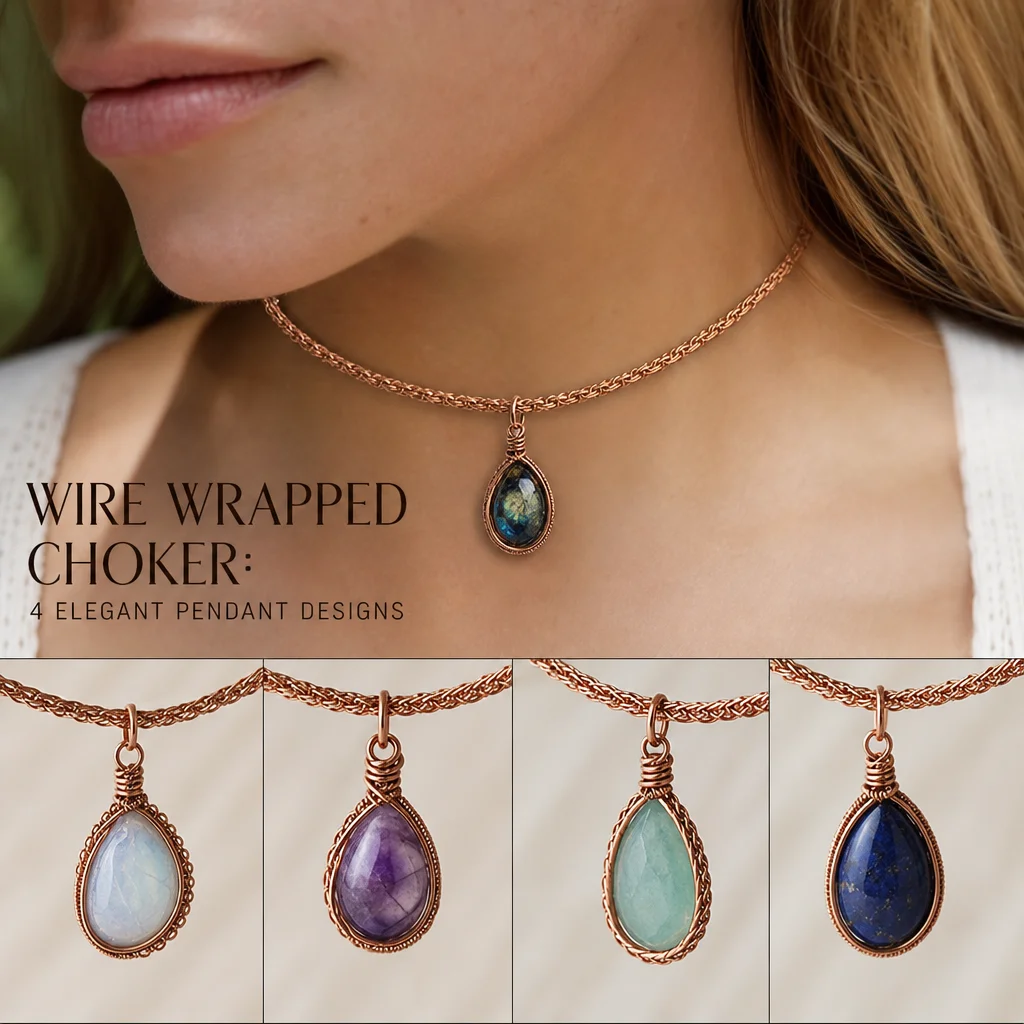
Hey, I just came across these adorable wire wrapped choker necklaces at SageStone and oh my gosh, they're 4 totally elegant designs! They're like, the perfect statement piece for any outfit. Check them out:
Hey, wanna know something cool? Making a wire wrapped choker necklace is super fun and it's a great way to show off your creative side while creating something that's actually wearable art. I'm gonna walk you through four totally different designs right here, and they're all proof that wire wrapping is super versatile. Whether you're a crafting pro or just starting out, these designs are gonna get your crafting juices flowing for your next DIY project!
Design 1: Crystal Point Choker
Hey, check out this Crystal Point Choker! It's got these really cool points that catch the light just perfect. I've found that it's a go-to piece for when I want to add a little sparkle to my outfit without going overboard. The thing is, it's super versatile—it looks great with everything from casual tops to formal dresses. Plus, the craftsmanship is top-notch; you can really tell that it's handmade. Definitely worth a look if you're into crystal jewelry!Check out this design! It's all about that central crystal point, nestled safely on a really delicate chain. It's perfect for anyone who's all about that sparkle and a bit of sophistication.
Alright, so this choker is pretty sweet—14-16 inches long with an extra inch for the base, which is really nice. And the central wrapped point? It's got this awesome crystal point, super eye-catching. Plus, the wire gauge is on point too—16-18g for the base, 24-26g for the details. It's got a bit of that fine wire texture going on, which is awesome.Design 2: The Multi-Stone Bar Choker
Oh, have you seen the Multi-Stone Bar Choker? It's a total showstopper! The way those crystals catch the light... I'm obsessed. It's like wearing a little sparkle party on your neck. Super stylish and it goes with everything. You should check it out!Oh, you gotta check out this multi-stone bar choker! It's a total showstopper with 3-5 stones wrapped on this 18g wire bar. It's so eye-catching, you'll definitely turn heads when you wear it!
Hey, just wanted to give you the lowdown on these beauties! So, the choker is a versatile 14-16 inches long, and there's an extra inch for the base, which is super cute. The stone configuration is on point too – you get 3 to 5 stones per piece, all set on an 18g wire bar. And the wire gauge, oh man, it's got a base wire that's 16-18g, and for those tiny details, it's 24-26g. Just the right amount of sparkle, I've found! 🌟
Design 3: The Minimalist Wire Frame Choker
Oh, have you seen our minimalist wire frame choker? It's super sleek and simple, but I've found it to be a total game-changer for my outfit game. It's perfect for those days when you want something a little bit extra, but not too over the top. Plus, it goes with everything! The thing is, I wear it almost every day and I just can't get enough of it.Oh, I totally love the minimalist wire frame choker! It's got this sleek, flexible weave that's just so cool. It's made with 16-18g structural wire and 24g accents, which gives it this subtle but totally striking look. It's like, you can wear it and it's not too in your face, but it's still so eye-catching!
- So, the choker's length is about 14 to 16 inches, and it's got that extra inch on the base. Perfect for a snug fit or a bit of a loose vibe.
- The design, oh man, it's so flexible. It's like a woven wire frame that's so cool and stylish.
- And the wires? They're super sturdy at 16 to 18g, and then for those cute accents, they're 24g. It's the thing, the mix of sturdy and delicate that makes it awesome.
Design 4: Charm Drop Choker
So, the charm drop choker is super cool because it's got all these wrapped charms in different lengths. It's like, totally unique and totally you!
Oh, and the chokers are so versatile! They're about 14-16 inches long, with an extra inch for the base, so they fit just right. Plus, the charm configuration is just so cool—dangling wrapped charms in all sorts of lengths. And the wire gauge? It's a mix, with 16-18g for the base and 24-26g for all the intricate details. It's really sturdy but still super delicate-looking!Wire Selection
Oh, picking the perfect wire is a big deal for making those awesome wire wrapped chokers. So, here's a quick rundown of the wire gauges I talked about:
Hey, check out these wire gauges!
- 16-18g Base Wire: It's super versatile and strong, just what you need to make your designs pop while still being flexible enough to work with.
- 24-26g Detail Wire: This one's a beauty for adding those fine details and giving your pieces that delicate touch.
Clasp Options
Oh, picking the perfect clasp is super important for both how it works and how it looks. I'm all about the lobster claw clasp 'cause it's so secure and easy peasy. For a real throwback vibe, a toggle clasp is a total winner. And if you're aiming for that sleek, modern look, go for a magnetic clasp, but just double-check it's strong enough to hold those stones. I always throw in a little jump ring at the end of my chokers for a bit of adjustability—about an inch of wiggle room is my go-to.
A Quick Look at the Evolution of Crystal Jewelry
Oh, I'm totally into how ancient folks used crystals, and it's so cool that it gives our modern wire wrapping this extra depth of meaning. You know, they've been using crystals in jewelry for like, tens of thousands of years. The oldest pieces we've found are these super old shell beads, going back over 100,000 years, but then they started using things like amber, jade, and turquoise not long after. In Egypt, they'd grind up lapis lazuli, carnelian, and turquoise into a powder for makeup and set it in all these fancy collars and pectorals. The Greeks and Romans were huge fans of amethyst, garnet, and emerald, and they'd carve them into rings. Then, during the Victorian era, people were all about sentimental jewelry with jet, onyx, and seed pearls. And in the Art Nouveau days, designers like René Lalique were doing these amazing organic forms with gemstones and enamel. Now, every time we grab a piece of wire and a pretty stone, we're keeping this tradition alive. It's like we're connecting with all these artisans who've always loved the beauty of nature.
The Geology Behind Your Gemstones
Hey there! So, have you ever wondered how those beautiful gemstones are made? I mean, it's pretty cool to think about, right? I've found that what I love about gemstones is how they're formed deep within the Earth. It's like nature's own little workshop down there! And honestly, the process is pretty fascinating. Now, the thing is, gemstones are formed over millions of years through intense heat and pressure. So, when you wear a piece of handmade crystal jewelry from SageStone, you're not just wearing something pretty; you're wearing a piece of Earth's history! Check out our gemstone guide to learn more about the unique properties of each stone.
Oh, when I grab a crystal point, it just makes me think about all the cool stuff it's been through to end up here. You know, most of these gemstones are formed super deep down in the Earth, where it's hot and all kinds of pressure is going on. And hey, I'll tell you about a few common ones you might like for your chokers:
Quartz Family
This is my go-to for wire wrapping because it's abundant, durable, and comes in so many varieties. Clear quartz, amethyst, citrine, and rose quartz are all part of the same mineral family—silicon dioxide. They form in hexagonal crystals, often in pegmatites or hydrothermal veins. The color differences come from trace elements: iron gives amethyst its purple, while aluminum and irradiation create smoky quartz.
Agate and Chalcedony
These are microcrystalline varieties of quartz. Agates form in volcanic rock cavities, building up in concentric layers over millions of years. That's why you see such beautiful banding patterns. Chalcedony, like blue lace agate or carnelian, has a waxy luster and is incredibly smooth to the touch.
Jasper
Jasper is another quartz variety, but it's opaque and often contains inclusions of clay, iron oxides, or organic material. Picture jasper, with its landscape-like patterns, is one of my favorites for statement pieces because each stone tells a unique story.
How Crystals Grow
Crystals grow atom by atom, layer by layer, from a seed crystal in a solution of hot water and dissolved minerals. As the solution cools or evaporates, the atoms arrange themselves into a repeating geometric pattern. This is why natural crystals have such perfect facets and angles. It's a process that can take thousands to millions of years, which is why I treat each stone with so much respect.
Practical Uses for Your Wire Wrapped Choker
Beyond being a beautiful accessory, your wire wrapped choker can serve many practical purposes in your daily life. I wear mine constantly, and I've found they're surprisingly versatile.
Everyday Elegance
A minimalist wire frame choker with a small clear quartz point is subtle enough for the office or a coffee date. It adds a touch of personal style without being overwhelming. I keep one on my nightstand so I can grab it on my way out the door.
Gift Giving
Handmade crystal jewelry makes an incredibly thoughtful gift. I've made charm drop chokers for friends celebrating birthdays, promotions, or just because. When you wrap a stone yourself, you're giving a piece of your time and intention. Pair it with a small card explaining the stone you chose, and it becomes a keepsake.
Meditation and Mindfulness
I love wearing a crystal point choker during my morning meditation. Having a stone resting at my throat center helps me focus on my breath and stay grounded. The weight of the crystal is a gentle reminder to stay present. Some of my students tell me they use their chokers as a tactile anchor during stressful meetings or long drives.
Photography and Styling
If you're a content creator or just love taking outfit photos, a well-crafted choker catches the light beautifully. The multi-stone bar choker, with its row of faceted gems, creates stunning reflections in natural light. I often style mine with a simple white blouse or a black turtleneck to let the stones pop.
Travel Companion
A wire wrapped choker is easy to pack and doesn't tangle as easily as long necklaces. I always bring one or two on trips. They're lightweight, durable, and can dress up a casual travel outfit instantly. Plus, if you use stones like rose quartz or amethyst, they're said to promote calm during hectic travel days.
Care Tips for Your Crystal Choker
I want your wire wrapped choker to last for years, so let me share my personal care routine. These steps are simple but make a huge difference.
Cleaning Your Stones
Most crystals can be gently wiped with a soft, damp cloth. For quartz and agate, a little mild soap and water is fine—just dry them thoroughly afterward. Avoid soaking porous stones like turquoise, opal, or malachite, as water can damage them. I use a dry, soft toothbrush to get into the crevices around the wire wrapping. For a deeper clean, I sometimes place my clear quartz and amethyst pieces in a bowl of dry rice overnight to absorb any oils.
Cleaning Your Wire
Copper and brass wire will naturally tarnish over time, which many people love for that antique look. If you prefer a bright shine, you can polish the wire with a jewelry polishing cloth. Avoid using harsh chemicals or liquid polishes, as they can seep into the stone or damage the wire's finish. For silver wire, a silver polishing cloth works wonders.
Storage
I store each choker separately in a soft pouch or a compartmentalized jewelry box. This prevents the stones from scratching each other and keeps the wire from getting bent out of shape. Never hang your choker by the stone, as the weight can stretch the wire over time. Lay it flat or coil it gently.
Wearing and Handling
I always put my choker on after applying perfume, lotion, or hairspray. These chemicals can dull the stone's luster and accelerate tarnish on the wire. Also, remove your choker before swimming, showering, or exercising. Chlorine, salt water, and sweat can be harsh on both the stone and the metal. When you take it off, give it a quick wipe with a soft cloth to remove any skin oils.
Wire Maintenance
If you notice a wire prong starting to loosen, you can gently tighten it with a pair of pliers. For delicate 24-26g wires, be very careful not to overwork them, as they can break. If a stone becomes loose, it's best to rewrap it entirely rather than trying to patch it. I keep a small jewelry repair kit with extra wire and pliers for quick fixes.
Frequently Asked Questions
What type of wire is best for beginners?
I always recommend starting with dead-soft copper wire in 18-gauge for the base and 24-gauge for wrapping. Copper is affordable, easy to bend, and forgiving if you make a mistake. You can practice your technique without worrying about wasting expensive materials. Once you're comfortable, you can move on to sterling silver, gold-filled, or brass wire. Also, look for wire that is labeled "dead soft" rather than "half-hard" or "full hard"—it's much easier to work with by hand.
How do I choose the right crystal for my choker?
I always tell people to trust their intuition first. If a stone catches your eye, that's often the right one for you. That said, think about the style you want. Crystal points are classic and elegant, while tumbled stones or cabochons work beautifully for bar chokers. For a charm drop choker, consider using smaller stones like faceted rondelles or tiny chips. Also, consider the hardness of the stone. Quartz, agate, and jasper are all durable enough for daily wear. Softer stones like selenite or fluorite can scratch or chip more easily, so they're better for occasional wear or protected designs.
Can I make a wire wrapped choker without soldering?
Absolutely. That's one of the reasons I love wire wrapping—it requires no soldering, no heat, and no special equipment. All you need are your stones, wire, a few basic tools (round-nose pliers, chain-nose pliers, and wire cutters), and your hands. Every design I shared in this article is completely solder-free. The wire itself holds everything together through tension, loops, and weaves. It's a very accessible craft for anyone who wants to make beautiful jewelry at home.
How do I adjust the length of my choker?
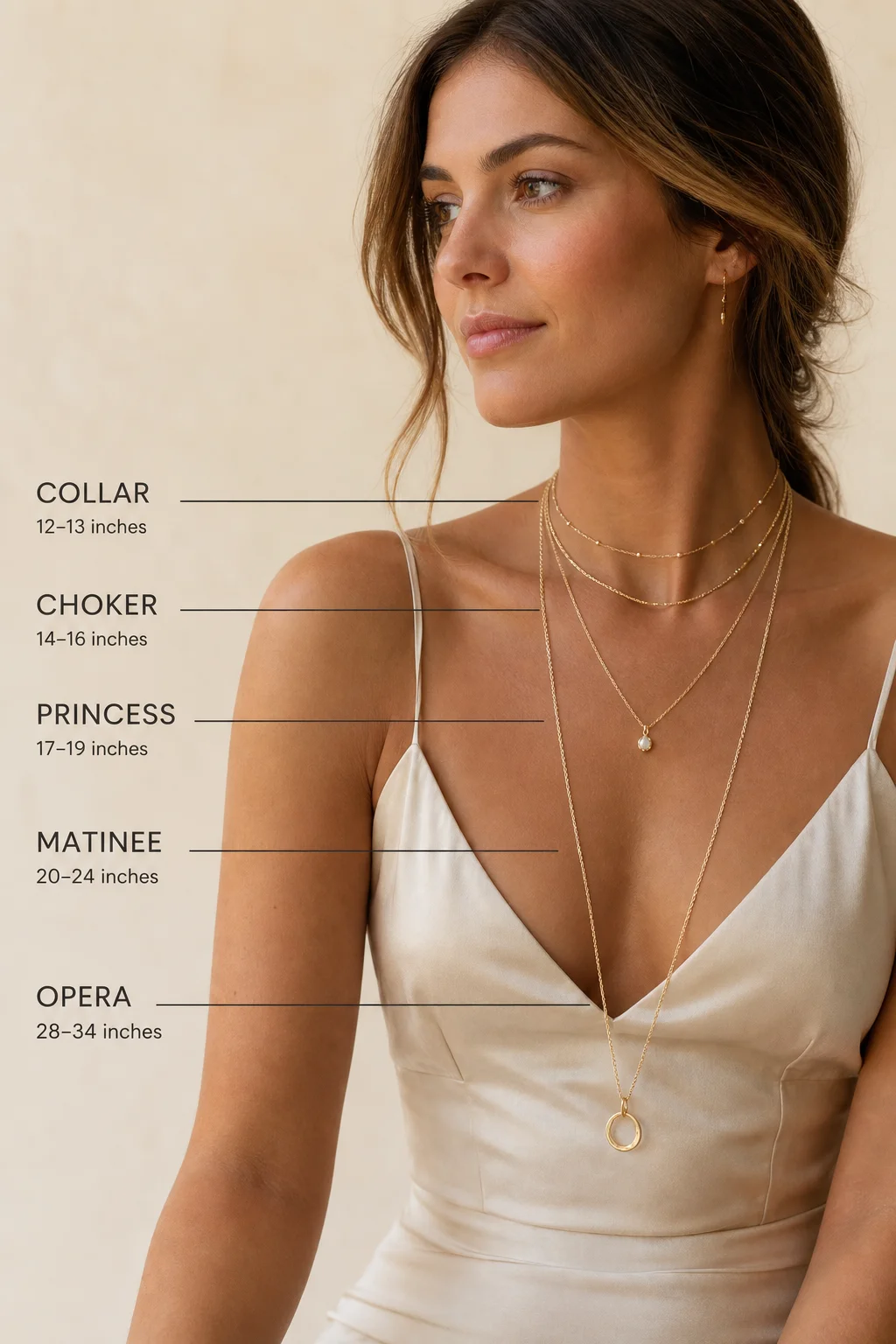
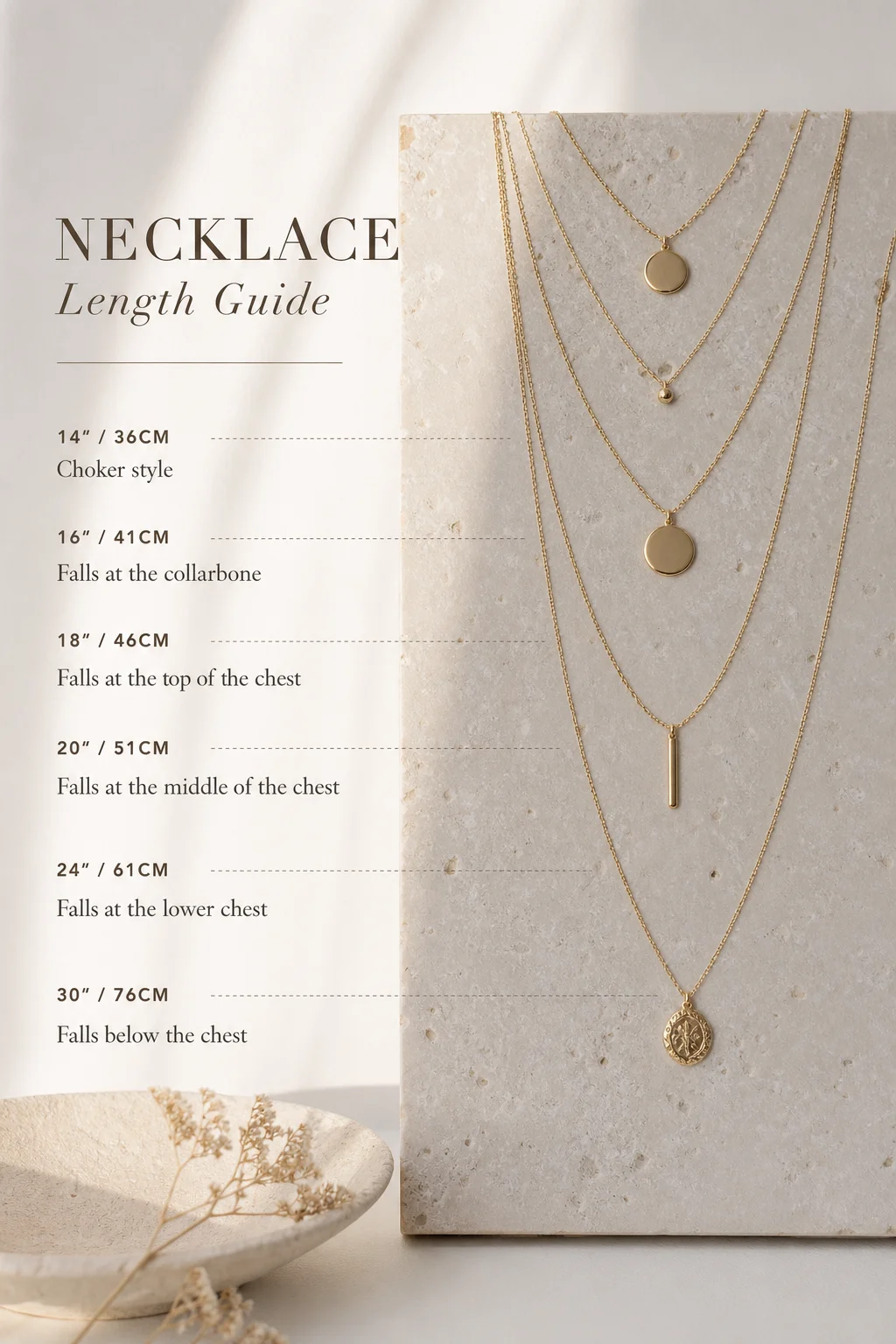
Most of my designs include a small extension chain at the clasp, usually about an inch long. This gives you some adjustability. If you're making a choker for yourself, measure your neck circumference and add about an inch for comfort. A standard choker is 14 to 16 inches. If you're making one as a gift, I recommend including a 2-inch extension chain so the recipient can find their perfect fit. You can also add a small jump ring at different points along the chain for multiple length options. Just remember that the pendant or stone should sit at your throat center, not too high or too low.
Related Crystal Recommendations for Your Choker Designs
Once you've mastered these four designs, you might want to experiment with different stones. Here are some of my favorite crystals for wire wrapping, along with why I love using them.
Clear Quartz
This is my number one recommendation for any design. Clear quartz is versatile, widely available, and works with any wire color. Its clarity catches the light beautifully, making it perfect for the crystal point choker. Plus, it's durable and easy to clean.
Labradorite
If you want a stone with serious wow factor, labradorite is it. Its flash of blue, green, or gold—called labradorescence—is absolutely stunning when wrapped in a simple frame. I love using it in the minimalist wire frame choker design. The dark grey body contrasts beautifully with bright silver or copper wire.
Rose Quartz
For a soft, romantic look, rose quartz is unbeatable. Its gentle pink hue pairs beautifully with rose gold or copper wire. I often use it in charm drop chokers, cutting the stone into small beads or chips. It's also a wonderful stone for gifts, especially for friends or family members you want to remind of your love.
Amethyst
Amethyst's deep purple is regal and striking. It works beautifully in the multi-stone bar choker design, especially when you use faceted amethyst beads. I like to pair it with silver or sterling silver wire for a classic, elegant look. Amethyst is also a relatively hard stone, so it holds up well to daily wear.
Howlite
Howlite is a white or grey stone with delicate, web-like veining. It's often dyed to imitate turquoise or other stones, but I actually love it in its natural state. It has a matte, porcelain-like finish that looks gorgeous in a minimalist design. It's also very affordable, making it great for practice or large projects.
Moonstone
Moonstone has a soft, ethereal glow called adularescence. It's a feldspar mineral that ranges from white to peach to grey. I love using moonstone in the charm drop choker because its gentle shimmer catches the eye without being flashy. It's a bit softer than quartz, so I recommend using a protective wire wrap that cradles the stone securely.
Tiger's Eye
For a bold, grounding stone, tiger's eye is fantastic. Its golden-brown bands and silky luster make it a conversation starter. I use it in the multi-stone bar choker for a masculine or unisex look. It pairs well with brass or copper wire and adds a touch of earthy warmth to any outfit.
Lapis Lazuli
Lapis lazuli is a deep blue stone with flecks of pyrite (fool's gold). It's been prized since ancient times and adds a regal touch to any design. I recommend using it in a crystal point choker or as a centerpiece in a multi-stone bar. Because it's a softer stone (5-6 on the Mohs scale), I take extra care to wrap it securely and avoid rough handling.
Jade
Jade is a tough, durable stone that comes in shades of green, lavender, and white. It's deeply symbolic in many cultures and makes a meaningful gift. I love using jade in a minimalist wire frame choker because the stone's smooth surface and rich color speak for themselves. Nephrite jade is especially tough, while jadeite is more precious and comes in more vibrant colors.
Garnet
Garnet is a deep red stone that's often associated with passion and energy. It's hard and durable, making it excellent for daily wear. I use garnet in charm drop chokers and multi-stone bars. Its dark color pops beautifully against bright silver or gold wire. Almandine garnet is the most common and very affordable, while tsavorite garnet is a bright green variety that's rarer and more expensive.
Final Thoughts on Your Wire Wrapped path
I hope this expanded guide has given you everything you need to start creating beautiful wire wrapped chokers. Remember, every master jeweler started with a single loop and a piece of wire. Don't be afraid to make mistakes—that's how we learn. The four designs I shared are just a starting point. Once you understand the basic techniques, you can adapt them to any stone, any wire, and any style you can imagine.
I'd love to hear about what you create. Whether you're crafting a crystal point choker for yourself or a charm drop choker for a friend, each piece carries a little bit of your energy and intention. That's what makes handmade jewelry so special. So grab your pliers, pick out a stone that speaks to you, and start wrapping. Your hands are the most important tool you have.
Happy wrapping, and may your chokers always sparkle.
Frequently Asked Questions
Can I wear my wire wrapped crystal choker in the shower?
We recommend removing your handcrafted wire wrapped choker before showering or swimming. While natural crystals are durable, prolonged exposure to water, soaps, and harsh chemicals can oxidize the wire over time and may damage softer, porous gemstones. To keep your artisan jewelry looking beautiful and maintaining its natural energy, always store it safely before stepping into the water.
Comments