5 Essential Tips: Is Carnelian Safe in Water?
June 4, 2026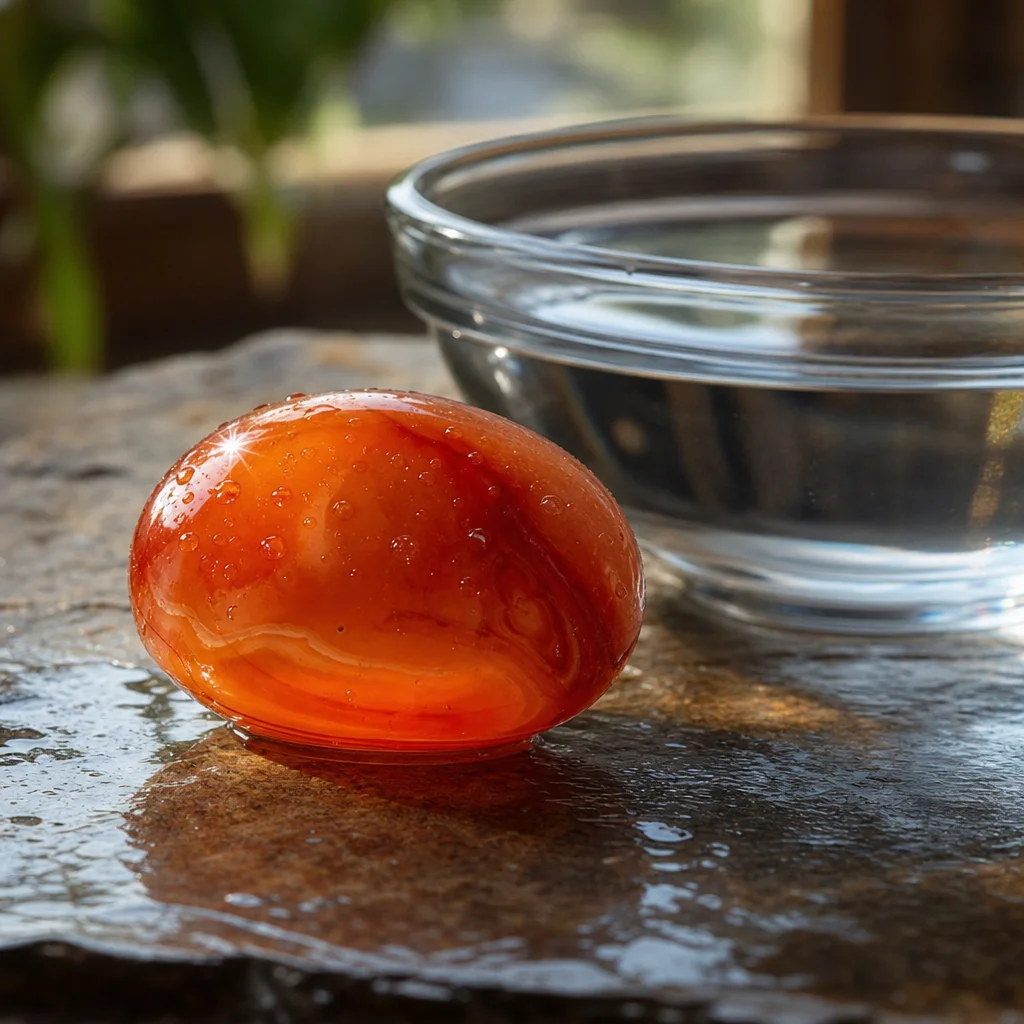
The Short Answer: Yes, With Caveats
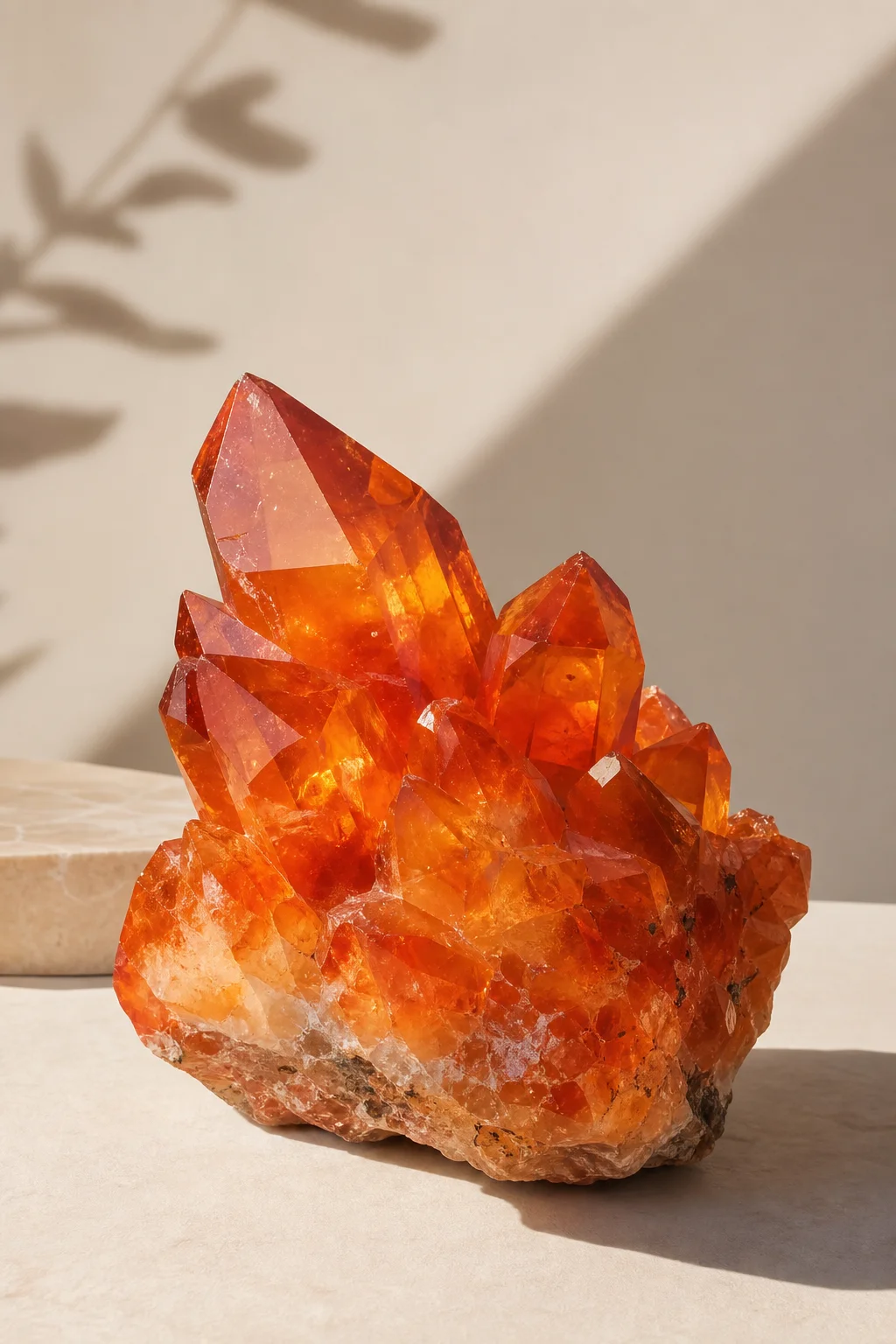
Carnelian is a variety of chalcedony, which is itself a microcrystalline form of quartz (silicon dioxide, SiO₂). With a Mohs hardness of 6.5 to 7, carnelian sits in the middle range of gemstone durability—harder than apatite (5) and feldspar (6) but softer than beryl (7.5-8) and corundum (9). This hardness level means carnelian can safely handle brief water exposure without dissolving, crumbling, or losing its polish. So yes, you can get carnelian wet—but there are important details about temperature, duration, and water type that affect how well the stone holds up over time.
Why People Worry About Getting Carnelian Wet
The concern comes from the broader crystal community's water safety guidelines, which originated from a mix of mineralogical facts and cultural traditions. Certain stones genuinely should not get wet—selenite (gypsum, Mohs 2, water-soluble), halite (rock salt, dissolves instantly), turquoise (porous, can discolor), and malachite (contains copper, can leach in acidic water). Over time, these reasonable warnings about genuinely water-sensitive stones got generalized into blanket "don't get any crystal wet" advice, which is not accurate.
Carnelian falls firmly in the "water-safe" category for short-term exposure. Its quartz-based composition is chemically inert in neutral water at room temperature. The silicon dioxide crystal lattice does not react with H₂O under normal conditions, which is why quartz sand sits at the bottom of rivers and oceans for millennia without dissolving.
Fresh Water: How Long Is Safe
Brief rinsing under the tap for 30 seconds to a minute is completely safe for carnelian. This is actually a good practice for cleaning dust and oils from everyday wear. Use lukewarm water and a soft cloth or your fingers—no need for soap unless the stone is visibly dirty, in which case a mild dish soap works fine.
Soaking for longer periods is where nuance enters. A 10-15 minute soak in clean room-temperature water is unlikely to cause any visible damage to a solid piece of carnelian. However, extended soaking (hours or overnight) is not recommended for a few reasons. First, water can seep into any microscopic fractures or inclusions in the stone. When the water evaporates, it can leave mineral deposits behind or, in worst cases, expand slightly during temperature changes and widen existing cracks. Second, carnelian's polished surface can develop a dull film from dissolved minerals in tap water over repeated long soaks.
Salt Water: A Different Story
Some crystal practitioners recommend soaking stones in salt water for cleansing purposes. For carnelian, this is not recommended. Salt water (particularly ocean water, which contains sodium chloride plus magnesium, calcium, potassium, and trace minerals) is more chemically aggressive than fresh water. The chloride ions can interact with trace elements in the stone's surface over time, potentially dulling the polish or causing micro-etching on a microscopic level.
If your carnelian gets splashed at the beach, rinse it with fresh water as soon as possible and dry it with a soft cloth. A brief accidental exposure will not cause visible damage, but repeated or prolonged salt water contact should be avoided to preserve the stone's surface quality over the long term.
Hot Water: The Real Risk
Thermal shock is the most significant water-related risk for carnelian and most other quartz varieties. Sudden temperature changes—from cold water to hot water, or from a warm environment to ice-cold water—can cause microscopic fractures to propagate into visible cracks. This is not unique to carnelian; it is a risk for any crystalline material, including glassware and ceramic dishes.
If you want to clean carnelian in warm water, use lukewarm water (roughly body temperature, not hot) and avoid running cold water directly over a stone that has been sitting in direct sunlight. The temperature differential can be enough to cause thermal stress fractures in stones that already have internal inclusions or micro-cracks.
Boiling water is never recommended for any gemstone cleaning. The rapid temperature change and boiling agitation are unnecessarily aggressive for a stone that cleans perfectly well with lukewarm water and mild soap.
Carnelian Water Safety Compared to Other Popular Stones
Here is a quick reference table for water safety of commonly used stones alongside carnelian:
| Stone | Hardness | Water Safe? | Notes |
|---|---|---|---|
| Carnelian | 6.5-7 | Yes, briefly | Avoid salt water, hot water |
| Clear Quartz | 7 | Yes | One of the most water-safe stones |
| Amethyst | 7 | Yes | Avoid prolonged sun after water (color fade risk) |
| Rose Quartz | 7 | Yes | Same as amethyst regarding sun |
| Tiger's Eye | 6.5-7 | Yes | Same family as carnelian |
| Selenite | 2 | No | Water-soluble, will dissolve |
| Turquoise | 5-6 | Not recommended | Porous, can discolor and weaken |
| Malachite | 3.5-4 | No | Contains copper, can leach in water |
| Hematite | 5.5-6.5 | Not recommended | Iron oxide, can rust with prolonged water |
| Black Tourmaline | 7-7.5 | Yes | Very durable in water |
What About Making Carnelian Elixir Water
Crystal elixirs—or "gem waters"—involve placing stones in drinking water to create an infused beverage. For carnelian, this practice carries risks even though the stone itself is water-resistant. The concern is not that carnelian will dissolve (it will not), but that trace surface contaminants—polishing compounds, metal residues from jewelry settings, soil from mining, or treatments applied to enhance color—could leach into the water.
The safe approach for making crystal-infused water is the "indirect method": place the stone in a small glass container, then place that container inside a larger vessel of water. The stone never touches the drinking water directly, but you still get the aesthetic and ritual experience. This method works for any stone and eliminates the risk of contaminant leaching.
Best Practices for Carnelian Care
- Daily cleaning: Wipe with a soft, damp cloth after wearing. This removes skin oils and prevents buildup.
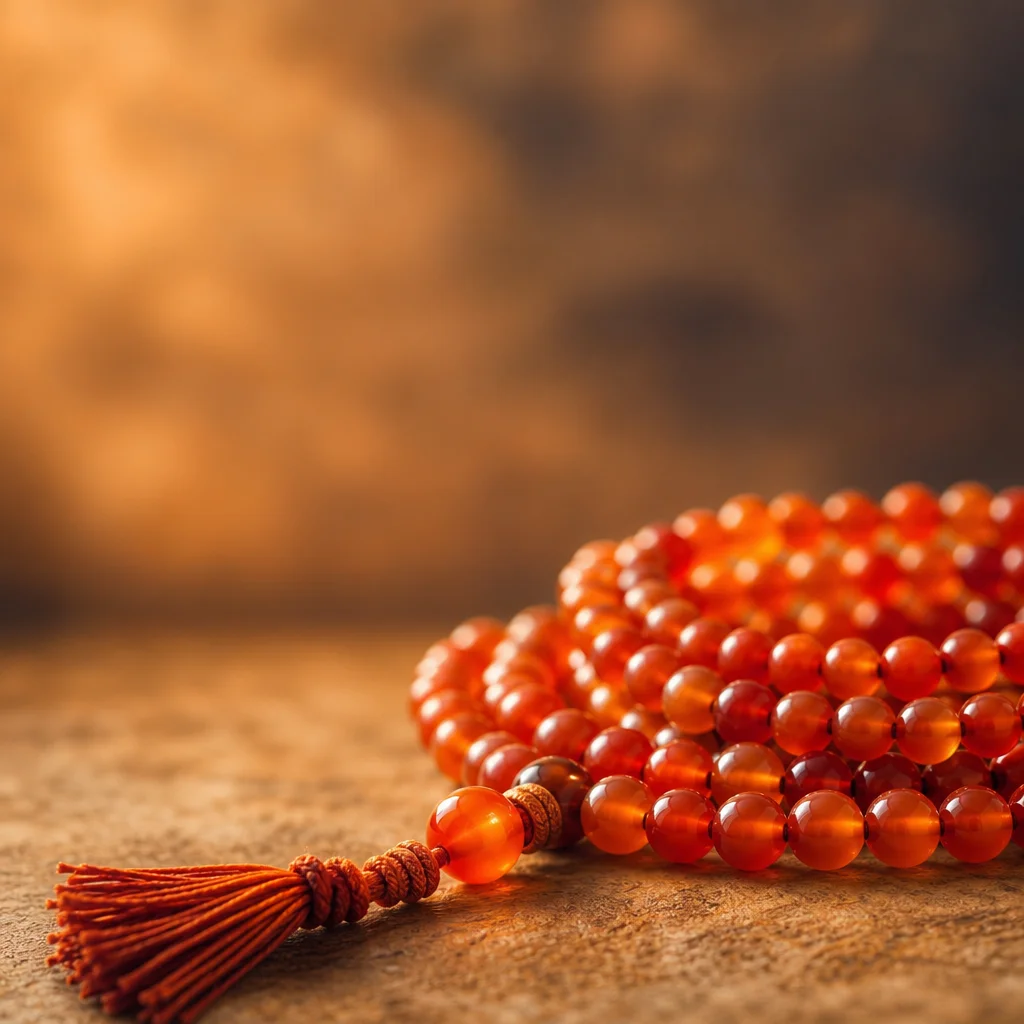
- Deep cleaning: Lukewarm water with mild soap and a soft toothbrush for gently scrubbing around bezel settings or stringing holes in beads.
- Drying: Pat dry with a lint-free cloth. Do not air dry, as water spots can form on polished surfaces.
- Storage: Keep in a cloth pouch or separate compartment to prevent contact with harder stones (sapphire, diamond) that could scratch it.
- Showering: Occasional shower exposure will not harm carnelian, but regular exposure to soap, shampoo, and hot water is not ideal. Remove jewelry before showering as a general best practice for all gemstones.
Frequently Asked Questions
Can carnelian get wet?
Yes, carnelian can get wet. It is a durable stone that can withstand occasional contact with water. However, prolonged exposure or submersion in water can lead to potential damage or discoloration.
Is carnelian safe in water?
Carnelian is generally safe in water for short periods. But for long-term protection, it's advisable to avoid prolonged submersion or exposure to chemicals, as these can cause discoloration or weaken the stone's integrity.
Can carnelian go in the ocean?
Not recommended for extended periods. Brief splashes are fine—rinse with fresh water afterward. Prolonged salt water exposure can dull the polish over time and may seep into any surface-reaching fractures. The ocean also poses a physical risk: sand abrasion can scratch the polished surface, and waves can knock the stone loose from a ring or pendant setting.
What happens if carnelian accidentally stays in water overnight?
Probably nothing visible. A single overnight soak in clean, room-temperature water is unlikely to cause measurable damage to solid carnelian. However, repeated overnight soaking is not recommended as a regular practice. If this happens, remove the stone, dry it thoroughly with a soft cloth, and inspect for any changes. If the polish looks fine, no harm done.
Can I use carnelian in a fish tank or aquarium?
Technically yes, since carnelian is inert in neutral water. The concern is aesthetic rather than chemical—over time, hard water deposits can build up on the stone's surface and create a cloudy film. In a well-maintained aquarium with regular water changes, this is less of an issue. Avoid this in saltwater tanks due to the salt exposure concerns mentioned above.
Deeper Knowledge About Carnelian's Water Resistance
When we talk about carnelian's water resistance, it's important to understand that it's not just about the stone's ability to withstand water. It's also about the conditions under which it can safely be exposed to water. Unlike selenite or halite, carnelian is not water-soluble or susceptible to rapid dissolution. However, it is still a form of quartz, and as such, it can be sensitive to certain types of water and conditions.
Practical Tips for Cleaning and Caring for Carnelian
When cleaning your carnelian, it's best to use lukewarm water and a soft cloth. Avoid using harsh chemicals or abrasive cleaners, as these can damage the stone's surface. If you need to clean it more thoroughly, you can use a mild dish soap and water. Just be sure to rinse it well and dry it completely before storing it.
- Always dry your carnelian thoroughly after cleaning or exposure to water.
- Keep it away from extreme temperatures, as sudden changes can cause cracking or fracturing.
- Store your carnelian in a fabric-lined box or soft pouch to prevent scratches.
Care Advice for Longevity
Just because carnelian is water-safe doesn't mean it's invincible. Here are a few tips to help ensure your carnelian piece remains beautiful for years to come:
"Carnelian is a resilient stone, but it's not indestructible. Treat it with care, and it will serve you well." - Crystal Whisperer
- Limit exposure to sunlight, as prolonged exposure can fade the stone's color.
- Keep it away from other gemstones, as they can scratch the carnelian's surface.
- Avoid wearing your carnelian while engaging in physical activities or while swimming.
Related Crystal Recommendations
For those who enjoy working with carnelian, here are some crystals that complement it well:
- Amber: Known for its protective properties, amber pairs beautifully with carnelian's grounding energy.
- Red Jasper: This stone shares a similar energy with carnelian and can enhance its protective qualities.
- Ruby: Ruby's fiery energy can complement the earthy tones of carnelian, creating a powerful blend.
Frequently Asked Questions
Can I wear carnelian while swimming?
Can I wear carnelian while swimming?
Answer.
It's not recommended to wear carnelian while swimming. Chlorinated water can be damaging to the stone, and the physical movement can cause scratches.
How often should I clean my carnelian?
How often should I clean my carnelian?
Answer.
Clean your carnelian as needed. If you notice any dirt or grime, a gentle cleaning with lukewarm water and a soft cloth should suffice. Avoid over-cleaning, as it can strip the stone of its natural oils.
Can I use ultrasonic cleaner on carnelian?
Can I use ultrasonic cleaner on carnelian?
Answer.
No, you should not use an ultrasonic cleaner on carnelian. The high-frequency sound waves can cause the stone to crack or fracture.
Is carnelian a good stone for beginners?
Is carnelian a good stone for beginners?
Answer.
Yes, carnelian is a great stone for beginners. It's relatively durable, and its energy is grounding and protective, making it a great starting point for those new to crystal healing.
Can carnelian help with anxiety?
Can carnelian help with anxiety?
Answer.
Many believe that carnelian can help alleviate anxiety due to its grounding and protective properties. However, it's worth knowing that crystal healing is not a substitute for medical treatment.

Comments