Home / Journal / Crystal Knowledge / Pink Tourmaline (Rubellite) Bracelet Guide

Pink Tourmaline (Rubellite) Bracelet Guide

June 10, 2026
SS
By SageStone Editorial · About Us
Pink Tourmaline (Rubellite) Bracelet Guide
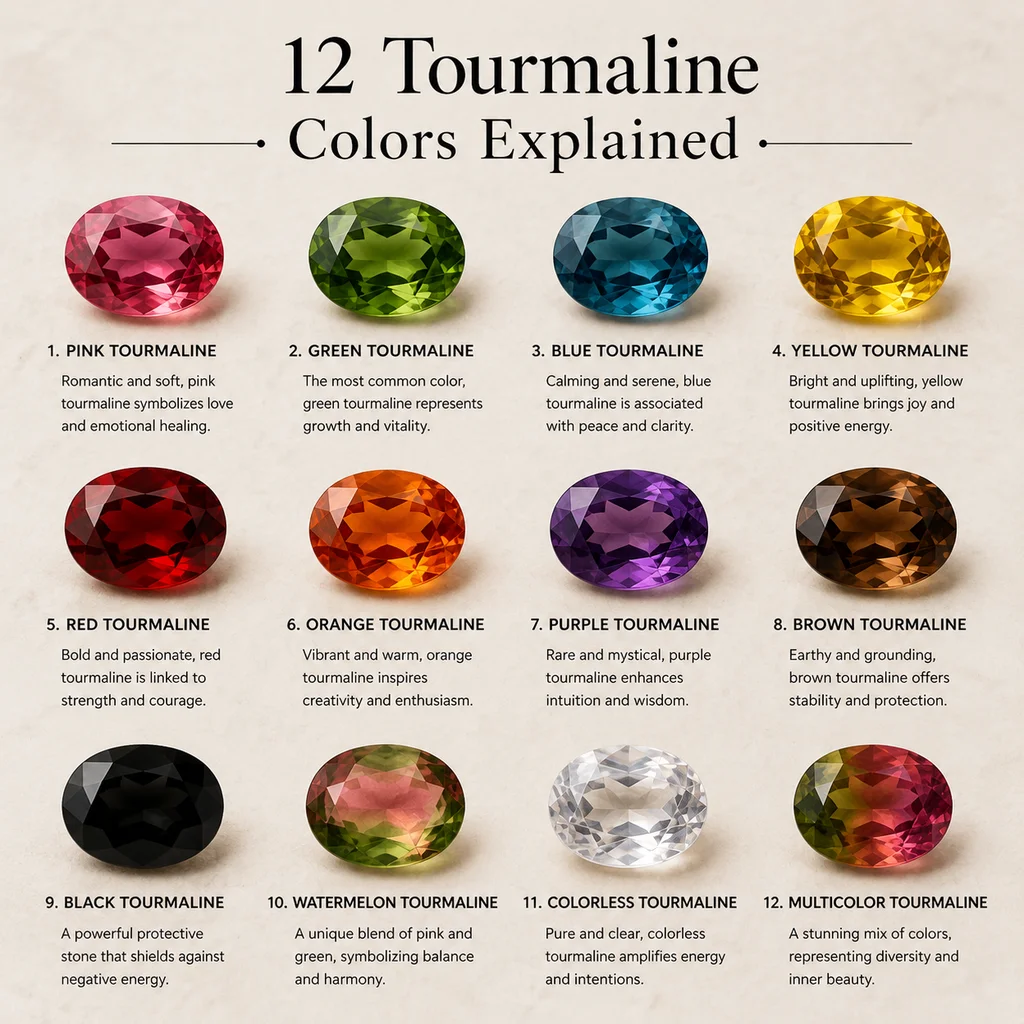
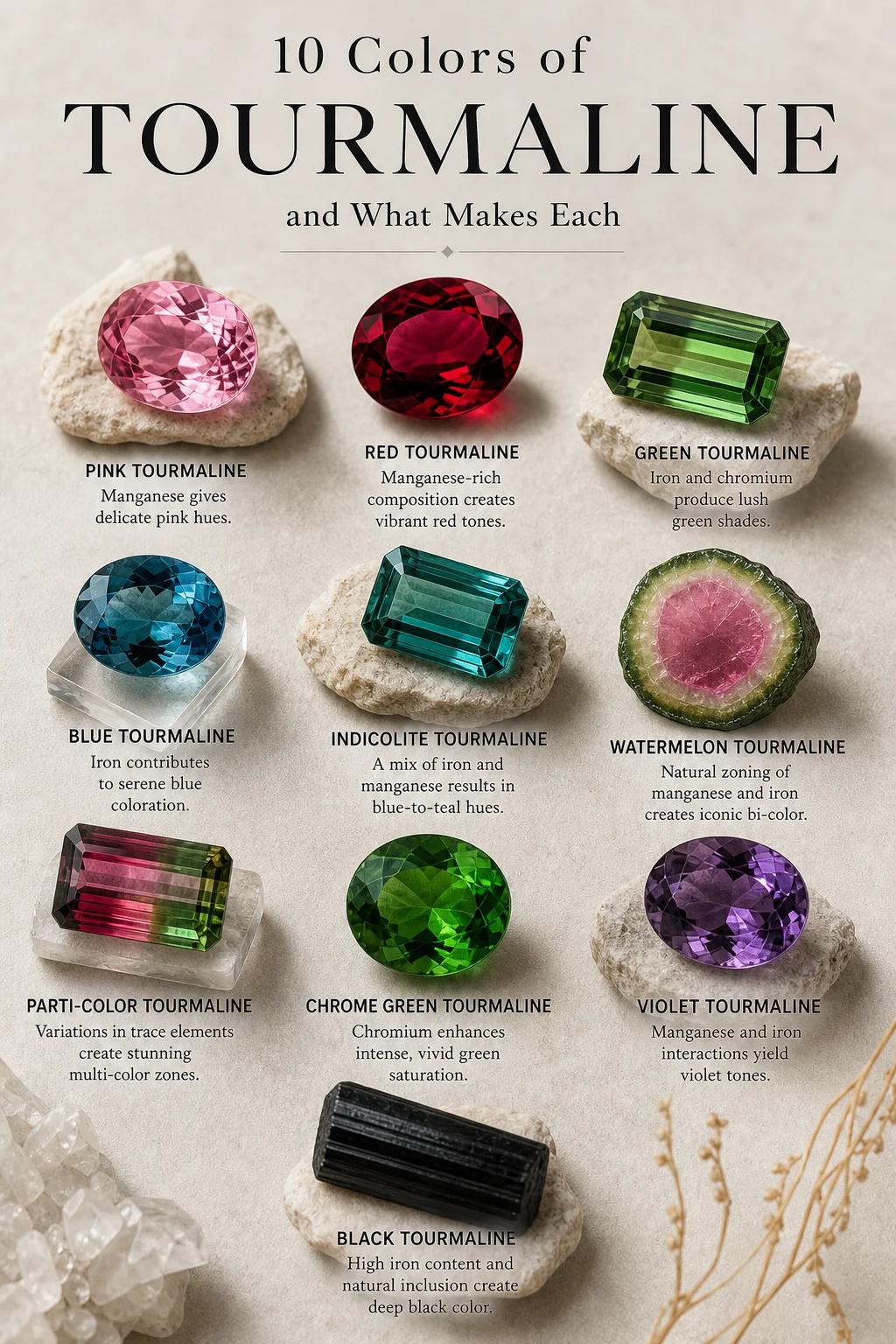
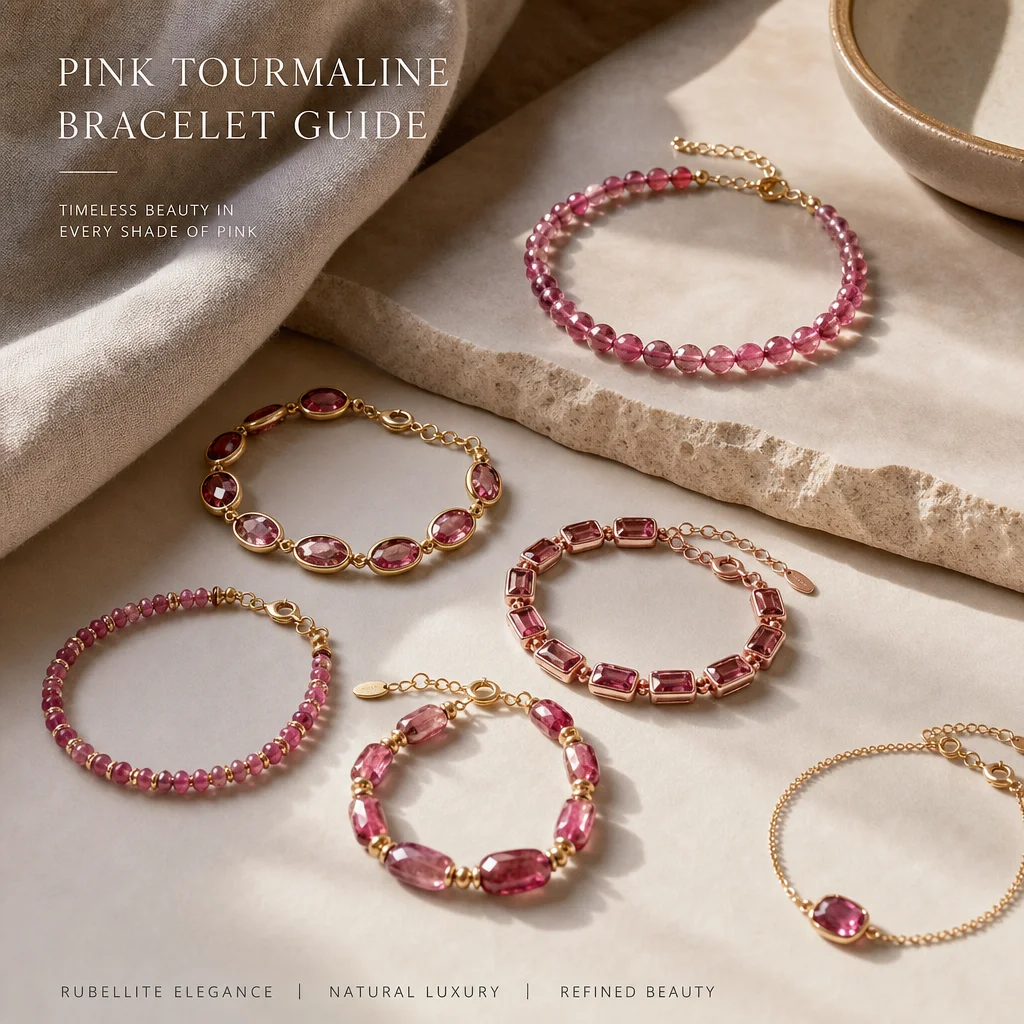
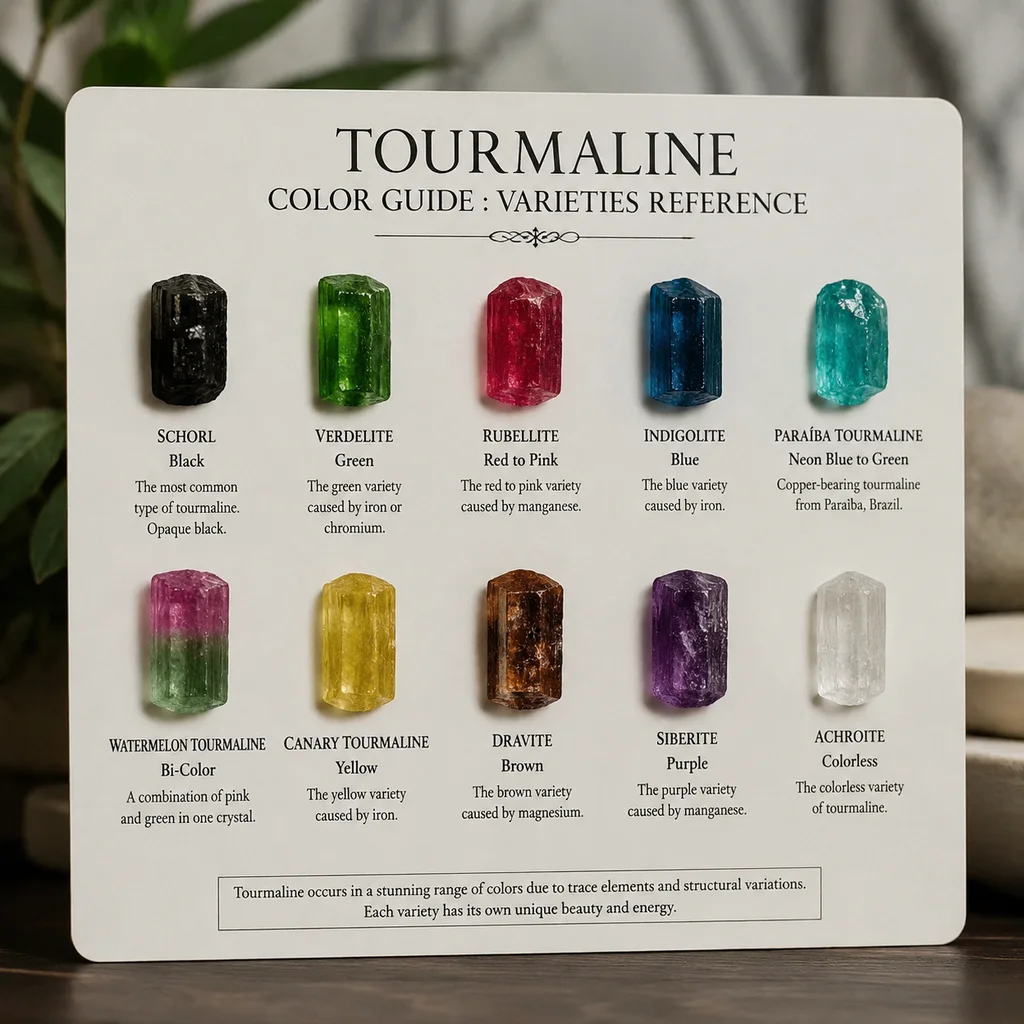
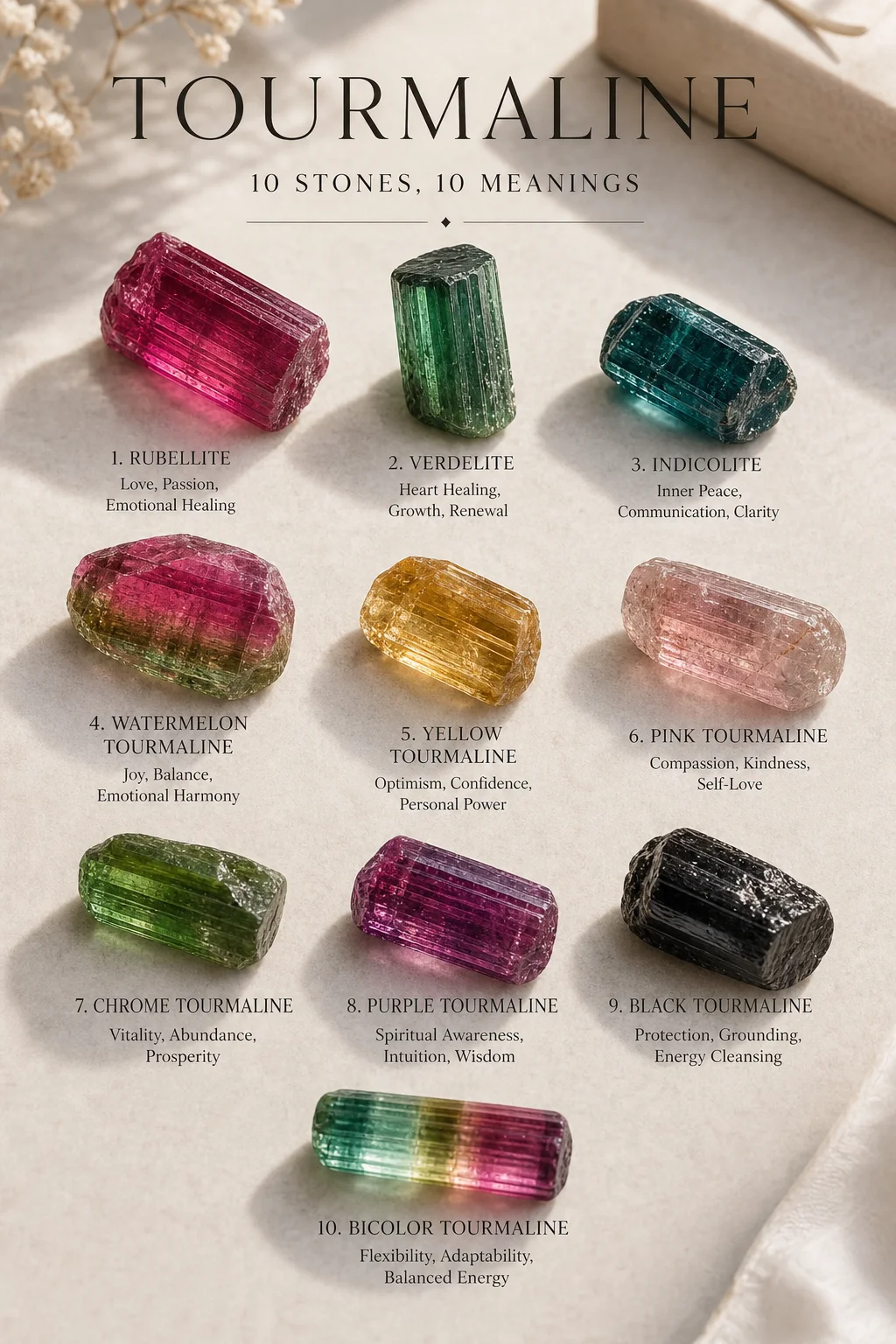
**Pink Tourmaline (Rubellite) Bracelet Guide** **What Makes Rubellite Special?** When you think of pink tourmaline, or rubellite, the first image that often comes to mind is one of pure, ethereal beauty. Rubellite is not just another gemstone—it is a stone that seems to have been crafted for those who appreciate the subtle and rich shades of the rose palette. What makes this stone truly special is not only its color, but the stories it holds and the energies it brings to its wearers. The rubellite variety of tourmaline is characterized by its deep pink to red hues, ranging from a delicate pink to a rich, almost wine-red. This coloration is a result of trace elements, predominantly manganese, that replace aluminum in the tourmaline's structure. This is not the kind of pink you see in most stones—it is a pink that evokes the softness of the blush of dawn, or the warmth of a blooming rose. This vibrant yet elegant shade sets rubellite apart in the mineral world. **Color Range** The color range in rubellite can vary widely, from pale pink to vivid pink, and sometimes even a deep crimson or purple-pink, especially when the stone contains vanadium or lithium in addition to manganese. The intensity of the color can be a major factor in determining the value of a rubellite. The deeper the color, the rarer the stone—think of a Rubellite with a color as deep as the hue of a Ruby. One thing that is often misunderstood about rubellite is its transparency. Many rubellites are not perfectly clear but are slightly opaque or even slightly smoky, which adds to their character and warmth. Some of the finest rubellites come from Brazil, and the ones from Marambaia and Ouro Preto in Minas Gerais are particularly sought after for their vivid red color. **vs Rose Quartz, Morganite, Kunzite** While rubellite may be in the pink family, it's not alone. Let's take a quick comparison between rubellite and other popular pink stones to appreciate what makes each one unique:
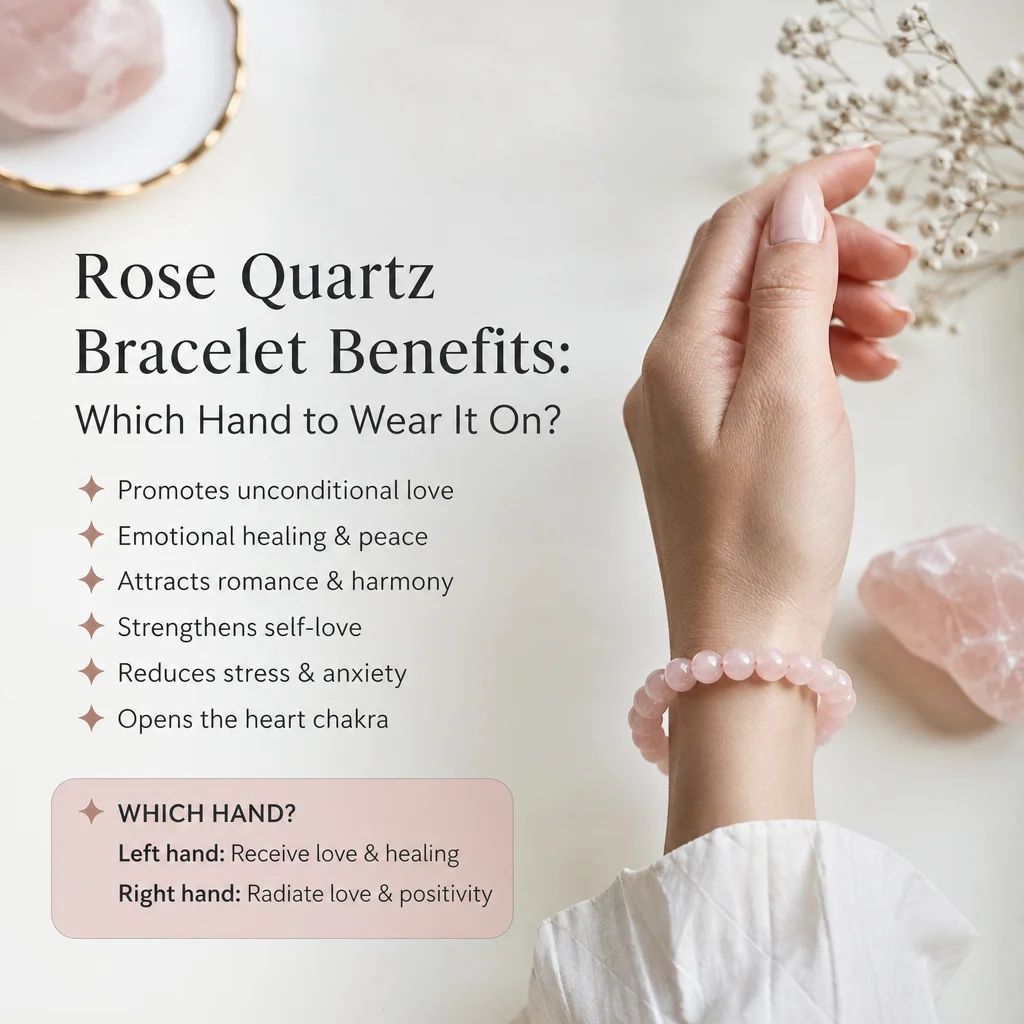
  • Rose Quartz: Often associated with love and emotional healing, rose quartz has a lighter pink color that can be seen as a soft, warm glow. It's one of the most beloved crystals and has a wide appeal due to its gentle energy and pretty hue. Rose quartz tends to be more translucent than rubellite.
  • Morganite: Another variety of tourmaline, morganite ranges in color from a soft blush pink to a deep peach, and it often has a unique velvety sheen. It is sometimes considered the “emerald of pink,” with a more subdued color than rubellite and a higher transparency.
  • Kunzite: Also a variety of tourmaline, kunzite has a very distinctive color that ranges from a light pink to a vivid purple. It is one of the few stones that changes color with the light and is known for its healing properties, but unlike rubellite, kunzite's color is less related to the presence of manganese.
**Cultural Significance** The color pink, whether it's rubellite or another pink stone, has held various meanings throughout history and across cultures. In ancient Rome, for instance, pink was a symbol of the gods, especially Mars, and was associated with love and beauty. In modern times, pink is often linked with romance and kindness. Rubellite has also been associated with passion and emotional strength. Its vibrant color is believed to be a reflection of the heart's true nature and to encourage those who wear it to embrace their emotions without fear. In this sense, a rubellite bracelet is more than a piece of jewelry—it is a symbol of courage in expressing oneself, no matter what color your heart is. **Styling Bracelets** A rubellite bracelet can be the centerpiece of an outfit or a subtle touch. It's all about personal style. If you want to wear it for a day of power meetings, opt for a sleek, thin bracelet with a polished look. If you're heading out to a night on the town, go bold with a thicker band set with larger stones. The rubellite can be paired with white gold or silver, and it looks beautiful when layered with other bracelets. For example, you can stack it with a bracelet that features another tourmaline variety like paraíba tourmaline for a splash of color. For a more classic look, pair it with a delicate silver bracelet. Comparing the size and cut of the rubellite can also change the overall look of the bracelet. Cabochons or rounds can give it a more organic and earthy feel, while stepped or mixed-cut stones can create a striking contrast against the background. **Quality and Pricing** The value of a rubellite bracelet can vary significantly. Stones from Brazil are considered some of the most valuable, while stones from Afghanistan, the US, and Madagascar can also be quite beautiful. The quality is assessed by factors such as color intensity, clarity, and size. For example, a large, vividly colored rubellite bracelet could be priced in the thousands, while a smaller, less intense piece might be found for a few hundred dollars. As with all fine jewelry, the quality of craftsmanship will also play a significant role in pricing. A handcrafted bracelet, set with carefully selected stones and crafted with high-quality metals, will be worth its weight in gold. **Care** When caring for a rubellite bracelet, it's important to keep in mind that while it's a durable stone, it can still scratch and break if subjected to harsh impacts or chemicals. Clean your bracelet with a soft cloth or warm, soapy water and a soft brush, ensuring you remove any chemicals from your skin that might otherwise harm the stone. Avoid exposing your bracelet to excessive heat, and keep it away from chemicals found in household products or perfumes. If you're active, it's a good idea to take your bracelet off to prevent damage. And if it ever gets lost or damaged, it's not just a piece of jewelry you'll be missing—it's a connection to the rich history and cultural significance that rubellite brings to its wearer. **FAQ**

Q: Is a pink tourmaline bracelet a good gift for a romantic partner?

A: Absolutely! The rich, passionate pink hue of a rubellite makes it a symbol of love and can be a very romantic gift. It's not just the color that speaks of romance; the stone's cultural significance of embracing emotional expression aligns perfectly with the theme of love.

Q: How do I choose the right rubellite bracelet for my skin tone?

A: For a lighter skin tone, consider a lighter pink or even a subtle, near-neutral shade that doesn't overpower your complexion. For darker skin tones, a darker rubellite with more depth can complement the skin and make the stone pop more.

Q: Can I wear my rubellite bracelet in the shower?

A: It's best to avoid water exposure. Rubellites can absorb water, which may cause the stone to discolor or crack over time. Wearing it in the shower can also introduce minerals from the water that can harm the stone's surface.

Q: What's the difference between rubellite and pink tourmaline?

A: Rubellite is simply a variety of tourmaline with a particular pink coloration. "Tourmaline" is the general term for a group of crystalline borosilicate minerals with many colors. When the pink variety is specified as "rubellite," it's the most vibrant and sought-after pink tourmaline.

As I wear my own rubellite bracelet each day, I'm reminded of the stone's rich history and its timeless appeal. It's not just a piece of jewelry to me—it's a reminder to live life with color, to love openly, and to cherish the connections that are formed in the journey through this world.

Practical Tips & Common Mistakes

Discovering the beauty of pink tourmaline, or rubellite, can be a rewarding experience, but here are some tips to help you get the most out of your bracelet:

  • Store your rubellite bracelet separately from other jewelry to prevent scratches and tangles.

  • Be mindful of the bracelet's sensitivity to heat; avoid exposing it to extreme temperatures.

  • Do not use harsh chemicals to clean your rubellite bracelet, as this can damage the stone's surface.

  • Remember that rubellite is a semi-precious stone and can be brittle. Handle it with care to avoid cracking or chipping.

  • Be cautious of the myth that rubellite can only be formed in a specific environment; this is not true. It is found in various geological settings around the world.

Care & Maintenance Guide

Keeping your pink tourmaline bracelet in pristine condition requires a few simple steps:

  • Regularly wipe your bracelet with a soft, lint-free cloth to remove any dust or oils.

  • Avoid swimming or soaking your bracelet in water, as this can lead to discoloration or damage.

  • Use warm water and a gentle soap to clean the bracelet, ensuring the soap is completely rinsed off.

  • After cleaning, pat the bracelet dry with a soft cloth to prevent water spots.

  • Store your bracelet in a jewelry box or soft-lined pouch to protect it from scratches and environmental factors.

  • Periodically take your bracelet to a professional jeweler for a thorough cleaning and inspection.

Frequently Asked Questions

What is the best way to clean a rubellite bracelet?

Use warm water and a gentle soap, then thoroughly rinse and pat dry with a soft cloth.

Can rubellite bracelets be worn in water?

No, it is best to avoid water exposure as it can lead to discoloration or damage to the stone.

How often should I clean my rubellite bracelet?

Regularly wipe it with a soft cloth, but a thorough cleaning every few months is recommended.

What should I do if my rubellite bracelet gets scratched?

Seek the assistance of a professional jeweler who can clean and potentially polish the stone to reduce the appearance of scratches.

Design and Aesthetics

This section covers important aspects of design and aesthetics. For detailed information, please refer to the FAQ section below.

Materials and Craftsmanship

This section covers important aspects of materials and craftsmanship. For detailed information, please refer to the FAQ section below.

How to Choose the Right Piece

This section covers important aspects of how to choose the right piece. For detailed information, please refer to the FAQ section below.
Continue Reading

Comments