Tourmaline Color Varieties: A Complete Visual Guide
What Makes Tourmaline One of the Most Diverse Gemstones on Earth
If you have ever walked into a gemstone shop and been overwhelmed by the sheer variety of colors in a single display case, chances are you were looking at tourmaline. No other mineral family comes close to matching its color range. From deep greens that rival emeralds to electric blues that look like they were plugged into a socket, tourmaline has earned its reputation as the "rainbow gemstone." But what actually causes this incredible spectrum? The answer lies in chemistry, crystal structure, and some surprisingly specific geological conditions.
Tourmaline is not a single mineral. It is a group of closely related boron silicate minerals that share the same basic crystal framework but differ in their chemical makeup. This structural similarity with compositional variation is the engine behind its color diversity. Trace elements like iron, manganese, copper, and titanium slip into the crystal lattice during formation, each one acting like a different pigment dropped into a painter's palette.
The Science Behind Tourmaline Colors
Understanding tourmaline colors starts with understanding how light interacts with the crystal lattice. When trace elements occupy specific sites within the tourmaline structure, they absorb certain wavelengths of visible light and transmit others. The colors we see are essentially the wavelengths that pass through. Iron tends to produce greens and blues. Manganese pushes the color toward pink and red. Copper is responsible for the famous Paraiba neon blues and greens. Titanium can contribute to yellow or brown tones depending on what other elements are present alongside it.
What makes this even more interesting is that many tourmaline crystals contain multiple color zones. A single stone can display two, three, or even more distinct colors depending on how the chemical environment shifted during growth. These multi-colored stones are called bicolor or multicolor tourmalines, and they are among the most sought-after specimens in the gem world. The classic watermelon tourmaline, with a pink center surrounded by a green rind, is the most famous example.
How Crystal Growth Conditions Affect Color
The geological environment where tourmaline forms plays a huge role in determining its final color. Pegmatites, which are coarse-grained igneous rocks that cool slowly from magma, are the primary source of gem-quality tourmaline. As the magma cools over millions of years, the chemical composition of the surrounding fluid changes. Early-stage fluids might be rich in iron, producing green tourmaline. Later-stage fluids could shift to manganese-rich compositions, producing pink zones in the same crystal.
Temperature, pressure, and the presence of specific host rocks all influence which trace elements are available. This is why tourmalines from different mining regions often have characteristic color profiles. Brazilian tourmalines tend to be vivid and saturated, while those from Afghanistan often have softer, more pastel tones. The geology is different, so the chemistry is different, and the colors follow.
The Major Tourmaline Color Varieties
Rubellite: The Pink and Red Tourmaline
Rubellite is the name given to tourmalines in the pink to red color range. The best specimens are a vivid, slightly purplish red that can rival fine ruby. The color comes primarily from manganese within the crystal structure. What separates rubellite from ordinary pink tourmaline is its intensity. Gemologists generally reserve the name for stones whose color remains strong under both natural and artificial light, unlike some pink tourmalines that look washed out under incandescent lighting.
Historically, rubellite from the Ural Mountains in Russia was considered the finest available. Today, most commercial-quality rubellite comes from Brazil, Nigeria, and Mozambique. The Nigerian material, which started appearing in significant quantities in the late 1990s, is particularly noted for its saturated raspberry pinks. Pricing varies enormously based on color saturation, clarity, and size. A top-quality rubellite over 5 carats can command prices comparable to similarly sized rubies.
Indicolite: The Blue Tourmaline
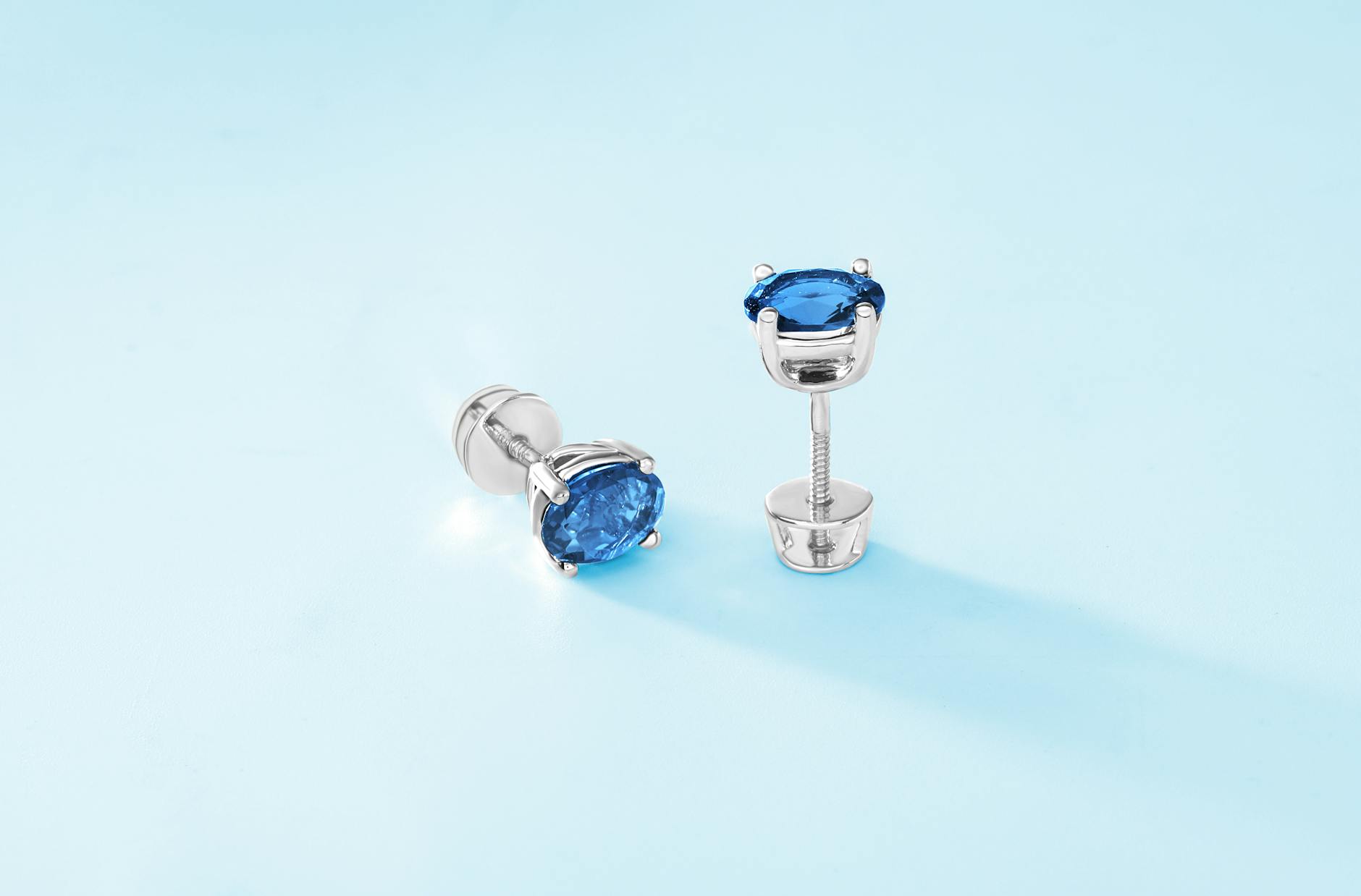
Indicolite spans a range from pale sky blue to deep navy. The most valuable examples are a rich, slightly greenish blue reminiscent of fine sapphire. Iron and titanium are the primary chromophores here. Indicolite from Brazil's Minas Gerais state has historically set the standard for quality, though material from Nigeria and Afghanistan has gained market share in recent years.
One of the challenges with indicolite is that natural blue tourmaline is relatively rare compared to green or pink. Many stones on the market are actually green tourmalines that have been heated to drive off yellow and brown components, leaving a purer blue behind. This heat treatment is widely accepted in the trade and generally does not significantly affect value as long as it is disclosed. Untreated indicolite in a strong blue commands a significant premium.
Paraiba Tourmaline: The Neon Phenomenon
If there is one tourmaline variety that has captured the imagination of the gem world in recent decades, it is Paraiba. Discovered in the Brazilian state of Paraiba in 1989, these stones display an almost unreal electric blue or green that seems to glow from within. The cause is copper, which had not been previously identified as a coloring agent in tourmaline. The vivid neon quality is further enhanced by minute amounts of manganese.
The original Brazilian Paraiba deposits were small and quickly exhausted, which drove prices to astronomical levels. In the mid-2000s, similar copper-bearing tourmalines were discovered in Nigeria and later in Mozambique. The debate over whether these African stones deserve the "Paraiba" name has been one of the more contentious discussions in gemology. Most industry bodies now allow the term "Paraiba-type" or "Paraiba tourmaline" for copper-bearing tourmaline regardless of origin, though Brazilian material still commands the highest prices.
Green, Yellow, and Other Tourmaline Colors
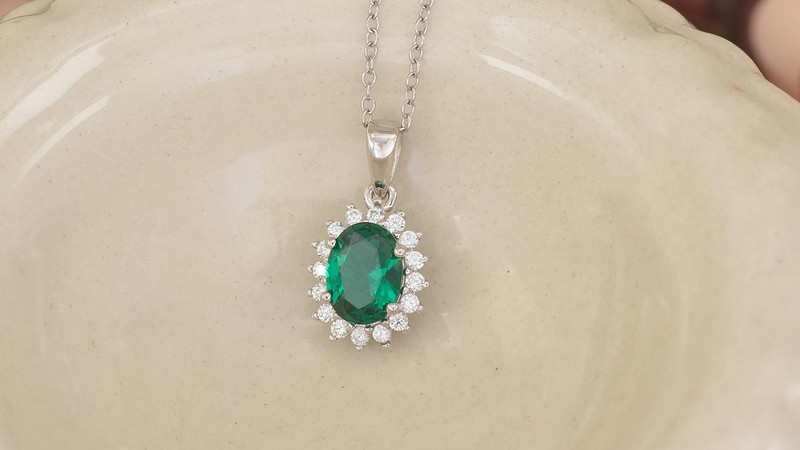
Green tourmaline, sometimes called verdelite, is actually the most common color variety. The best specimens display a rich, forest green that can be difficult to distinguish from emerald without testing. Iron is the primary coloring agent, though chromium can also contribute a vivid green similar to that seen in tsavorite garnet. Chrome tourmaline from East Africa, particularly Tanzania, is the most valuable of the green varieties because of its intense color.
Yellow tourmaline is less common and gets its color from either manganese-titanium interactions or natural irradiation during formation. Canary yellow specimens with strong saturation are quite rare and collectible. Brown tourmaline, called dravite, is actually among the most abundant but is rarely used in jewelry because the color is not considered attractive for most market tastes. Colorless tourmaline, known as achroite, exists but is extremely uncommon.
Bi-Color and Multi-Color Tourmaline
Multi-colored tourmalines represent some of nature's most dramatic gemstone creations. The most famous is watermelon tourmaline, where a cross-section of the crystal shows a pink core surrounded by green. But nature produces many other combinations. Pink and green is common. Blue and green occurs frequently. Occasionally, stones display three or more distinct color zones in a single crystal. These multi-color specimens are cut as cabochons or sliced to showcase the color pattern, and they are particularly popular with mineral collectors and artisan jewelers.
The pricing of multi-color tourmaline depends heavily on the distinctness of the color boundaries and the aesthetic appeal of the combination. A watermelon tourmaline with a sharp, perfectly centered color boundary and strong saturation in both zones is worth far more than one with blurry transitions and muted colors. Size also matters enormously, as larger crystals provide more room for dramatic color displays. Collectors who specialize in multi-color tourmaline often develop a keen eye for the most aesthetically pleasing combinations, and the market rewards that discernment with significant price premiums for top-tier specimens.
Buying Guide: What to Look For
When shopping for tourmaline, color is by far the most important factor. The most valuable stones have vivid, saturated color with good tone, meaning they are neither too dark nor too light. Clarity is secondary. Unlike diamonds, where flawless stones command the highest prices, tourmaline with minor inclusions is perfectly acceptable and often unavoidable in larger sizes. Eye-clean stones under 5 carats are relatively easy to find, but anything above that size with good clarity becomes notably more expensive.
Cut quality matters more than many buyers realize. A well-cut tourmaline will return maximum light through the table, making the color appear more vivid. Poorly cut stones, even with excellent rough material, can look dark and lifeless. Look for symmetry, even facet junctions, and a table that is not too large or too small relative to the overall stone. For multi-color specimens, the orientation of the color zones relative to the cut is critical to the final appearance.
Finally, consider the origin. While origin alone does not determine quality, certain localities are known for producing characteristic material. Brazilian tourmalines from the Minas Gerais pegmatites are historically the most prized. Nigerian material offers good value. Afghan stones often have unique color combinations. And genuine Paraiba from Brazil, regardless of size, remains one of the most expensive colored gemstones per carat in the world. When buying tourmaline, take your time, educate your eye, and work with a dealer who specializes in colored stones. The variety within this single gemstone family is so vast that informed buying makes an enormous difference in what you ultimately take home.
Comments