Kunzite: The Complete Guide to the Stone of Divine Love
What Is Kunzite?
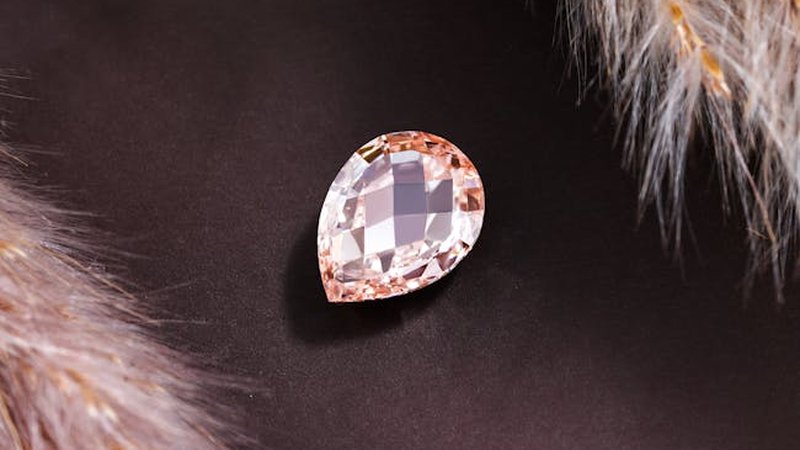
Kunzite is a stunning pink to violet-pink gemstone that belongs to the spodumene mineral family. Its chemical composition is lithium aluminum silicate (LiAlSi₂O₆), and it was first discovered in 1902 in the Pala region of California. The stone was named after George Frederick Kunz, the legendary gemologist who first identified it and brought it to the world'''s attention.
What makes kunzite instantly recognizable is its delicate, dreamy color palette — ranging from soft pastel pink to deep lavender-violet. The pink color comes from trace amounts of manganese within the crystal structure. Unlike many gemstones that have been known for millennia, kunzite is relatively young in the gemstone world, yet it has quickly become one of the most sought-after stones for both collectors and crystal healing practitioners.
If you'''re drawn to gentle, loving energy and appreciate gemstones with a romantic history, kunzite deserves a place in your collection. Let'''s explore everything this remarkable stone has to offer.
Physical Properties of Kunzite
Understanding kunzite'''s physical characteristics helps you appreciate why it requires special care and how to identify genuine specimens.
Hardness and Durability
Kunzite ranks 6.5 to 7 on the Mohs scale of hardness, making it moderately durable for everyday wear. For context, this is similar to quartz but softer than topaz or sapphire. You can learn more about the Mohs scale and what different hardness levels mean for daily wear in our complete guide.
While kunzite can withstand normal jewelry use, it has perfect cleavage in two directions, which means it can be vulnerable to chipping if struck at the right angle. This is why kunzite is best suited for earrings, pendants, and occasionally worn rings rather than pieces subjected to heavy daily wear.
Pleochroism — The Color-Shifting Magic
One of kunzite'''s most fascinating properties is its strong pleochroism. When you view the stone from different angles, it displays distinctly different colors — typically showing deep violet-pink from one direction and pale pink or nearly colorless from another. This optical phenomenon makes each kunzite gemstone uniquely captivating, as the color seems to shift and deepen as the stone moves with the wearer.
Fluorescence Under UV Light
Under ultraviolet light, kunzite exhibits a striking orange-pink to pink fluorescence. This is one of the most reliable ways to identify genuine kunzite. If you'''re curious about other gemstones that transform under UV light, we'''ve covered 11 of them in a separate article. The fluorescent glow of kunzite is particularly intense in long-wave UV and can be a mesmerizing sight.
Geological Origins
Kunzite forms in lithium-rich pegmatite veins, typically alongside other lithium minerals like lepidolite and spodumene varieties (including hiddenite, the green form of spodumene). Major sources include Afghanistan, Brazil, Madagascar, the United States, and Pakistan. Afghan kunzite is often considered the finest quality, producing stones with the most vivid pink-to-violet hues.
Emotional Healing Properties of Kunzite
In the crystal healing community, kunzite is renowned as the "Stone of Divine Love" — and for good reason. Its energy is deeply connected to the heart, making it a powerful ally for emotional healing and personal growth.
Unconditional Love and Heart Chakra Opening
Kunzite is primarily associated with the heart chakra (Anahata), and its gentle pink vibration is said to help open the heart to all forms of love — romantic, platonic, familial, and most importantly, self-love. Unlike rose quartz, which is often called the stone of universal love, kunzite'''s energy is described as more focused and directional, making it especially effective for deep emotional work and healing specific emotional wounds.
Emotional Trauma and Stress Relief
For those carrying emotional baggage from past relationships or traumatic experiences, kunzite is often recommended as a healing companion. Its soothing energy is believed to help release blocked emotions, reduce anxiety, and promote a sense of inner peace. Many practitioners place kunzite on the chest during meditation or sleep to facilitate emotional release. If anxiety is something you struggle with, kunzite pairs beautifully with other anxiety-relief crystals.
Self-Worth and Inner Harmony
Beyond romantic love, kunzite is valued for its ability to foster self-acceptance and compassion. It encourages you to treat yourself with the same kindness you'''d offer a loved one, making it a wonderful stone for anyone working on self-esteem or recovering from heartbreak.
Spiritual and Metaphysical Properties
Kunzite'''s spiritual applications extend well beyond emotional healing, touching on meditation, dream work, and higher consciousness.
Meditation Enhancement
When used during meditation, kunzite is said to create a protective, loving energy field that helps you access deeper states of consciousness. Its calming vibration can quiet mental chatter, making it easier to enter a meditative state. Hold a kunzite crystal in your receiving hand (typically the left hand) or place it on your heart center during seated meditation.
Dream Work and Lucid Dreaming
Placing kunzite under your pillow or on your nightstand is believed to promote peaceful sleep and enhance dream recall. Some practitioners report more vivid, meaningful dreams when working with kunzite regularly. For a comprehensive approach to better sleep, kunzite works well alongside other sleep-promoting crystals.
Connection to Angelic Energy
In metaphysical traditions, kunzite is associated with the angelic realm and is sometimes called a "stone of the angels." Its high-vibration energy is thought to facilitate communication with guardian angels and spirit guides. Those who work with angelic energy often pair kunzite with celestite, the angel stone, to strengthen this connection. Kunzite'''s gentle frequency is said to be particularly attuned to Archangel Ariel, the angel associated with nature and the physical world.
Astral Travel and Spiritual Protection
Some advanced practitioners use kunzite as a protective stone during astral travel or intense spiritual work. Its energy is believed to create a shield of loving light around the aura, keeping negative influences at bay while you explore higher dimensions. For more grounding protection stones to complement kunzite, check out our protection crystal guide.
How to Wear and Use Kunzite
Kunzite is a versatile gemstone that works beautifully in various forms of jewelry and healing practices.
Jewelry Recommendations
Pendants and Necklaces: This is arguably the best way to wear kunzite. A pendant placed near the heart chakra allows the stone'''s energy to flow directly into your energy center. Large kunzite pendants can showcase the stone'''s pleochroism beautifully.
Earrings: Kunzite earrings catch the light wonderfully and benefit from the stone'''s natural movement, which enhances the color-shifting pleochroic effect. Drop earrings are particularly popular.
Rings: While kunzite rings are available, they'''re best reserved for occasional wear due to the stone'''s cleavage. A protective setting (like a bezel or halo) adds extra security.
Bracelets: Crystal bracelets are one of the most popular ways to work with healing stones. Kunzite beaded bracelets allow the stone'''s energy to interact with your wrist meridians throughout the day.
Crystal Pairings
Kunzite combines synergistically with several other stones. Pair it with rose quartz for amplified heart energy, amethyst for enhanced spiritual awareness, or clear quartz to amplify kunzite'''s natural properties. For emotional balance, try combining kunzite with black tourmaline to ground the heart'''s loving energy.
Meditation and Grid Work
Place kunzite at the center of a crystal grid focused on love, healing, or emotional transformation. Surround it with complementary stones like rose quartz, green aventurine, and pink calcite to create a powerful heart-healing grid.
How to Care for Kunzite — The Golden Rule
There is one critical thing every kunzite owner must know: kunzite is photosensitive and will fade when exposed to prolonged sunlight or strong artificial light. This is the single most important care instruction for this gemstone.
Light Exposure — The Number One Enemy
The manganese ions responsible for kunzite'''s beautiful pink color are unstable under UV radiation. Extended exposure to direct sunlight can cause the color to fade permanently — sometimes in a matter of days for lighter specimens. This means you should never leave kunzite on a sunny windowsill, wear it to the beach all day, or display it under bright showcase lights.
We'''ve written a detailed article about which crystals can fade in sunlight and why — kunzite is one of the most affected stones on that list.
Storage Best Practices
- Store in a dark place: Keep kunzite in a jewelry box, pouch, or drawer away from direct light.
- Wrap individually: Use a soft cloth or jewelry pouch to prevent scratching, as kunzite can be scratched by harder stones.
- Avoid temperature extremes: Sudden temperature changes can cause thermal shock and internal fractures.
- Keep away from chemicals: Remove kunzite jewelry before swimming, cleaning, or applying perfumes and lotions.
Cleaning
Clean kunzite with warm soapy water and a soft brush. Avoid ultrasonic cleaners and steam cleaning, as the vibrations and heat can damage stones with perfect cleavage. For more detailed crystal jewelry cleaning instructions, check our complete care guide.
How to Tell Real Kunzite from Imitations
As kunzite grows in popularity, knowing how to distinguish genuine specimens from look-alikes becomes essential. Here'''s how to tell them apart.
Kunzite vs Pink Tourmaline
Pink tourmaline is perhaps the most common confusion. While both stones display pink hues, there are clear differences:
- Color range: Kunzite tends toward pink-violet with visible pleochroism, while pink tourmaline is usually a purer pink without the violet shift.
- Fluorescence: Kunzite glows orange-pink under UV light; most pink tourmalines do not.
- Hardness: Tourmaline (7-7.5) is slightly harder than kunzite (6.5-7).
- Price: Fine pink tourmaline is typically more expensive per carat than kunzite.
Kunzite vs Rhodonite
Rhodonite is a pink stone with distinctive black manganese oxide inclusions. Unlike kunzite'''s transparent to translucent appearance, rhodonite is typically opaque with a mottled pink-and-black pattern. Rhodonite is also significantly harder to scratch (5.5-6.5) and doesn'''t display pleochroism.
Kunzite vs Rose Quartz
Rose quartz and kunzite can look similar at first glance, but rose quartz is always translucent to opaque with a cloudy appearance, while quality kunzite is transparent with excellent clarity. Rose quartz doesn'''t show pleochroism and is slightly harder (7 on the Mohs scale). Under UV light, the distinction becomes obvious — rose quartz typically shows a weak blue-white fluorescence, while kunzite glows vivid pink.
Red Flags for Fake Kunzite
- Too cheap: Large, vivid-pink kunzite at bargain prices is likely glass or synthetic.
- Perfect color consistency: Natural kunzite always shows some pleochroism. If the color looks identical from every angle, be suspicious.
- No inclusions: While clean stones exist, most natural kunzite has microscopic inclusions. A completely flawless stone at a low price is a warning sign.
- No UV fluorescence: Genuine kunzite fluoresces under UV. If it doesn'''t, it may not be real.
Is Kunzite Right for You?
Kunzite is an extraordinary gemstone that bridges the gap between physical beauty and metaphysical power. Its connection to divine love, emotional healing, and spiritual growth makes it a meaningful choice for anyone on a journey of self-discovery or heart-centered healing.
Whether you'''re drawn to its dreamy pink-violet hues for their aesthetic appeal or its reputed healing properties for emotional support, kunzite offers something genuinely special. Just remember to protect it from light, store it carefully, and wear it close to your heart — where it does its best work.
Ready to explore more heart-centered crystals? Discover the best crystals for love and relationships in our dedicated guide, or browse our collection of crystal bracelets for beginners to find your perfect healing companion.
Comments