11 gemstones that look completely different under UV light
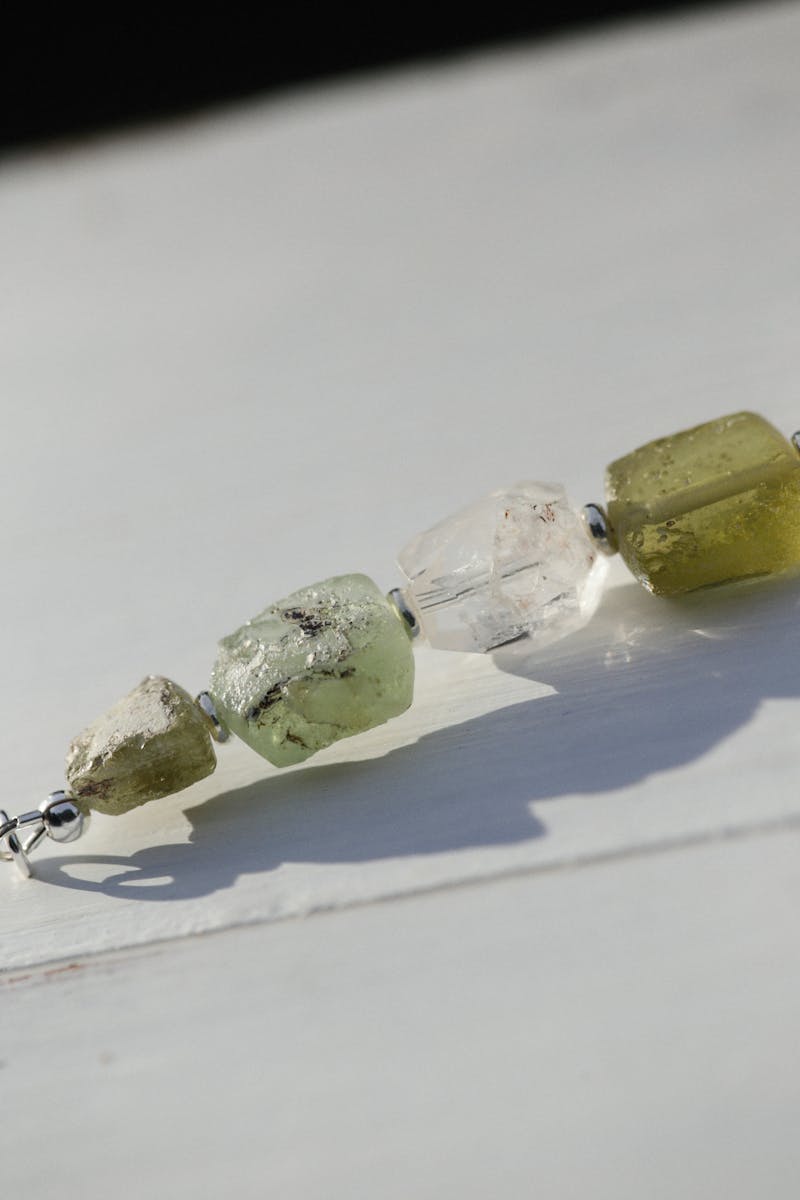
11 Gemstones That Look Completely Different Under UV Light
Meta description: Discover the mesmerizing transformation of 11 gemstones under UV light. Learn how to identify these unique properties and find the perfect gemstone for your collection.
Introduction to UV Light and Gemstones
UV light, or ultraviolet light, is a type of electromagnetic radiation that is invisible to the human eye. When certain gemstones are exposed to UV light, they can exhibit an entirely different appearance, often with vibrant colors and patterns. This unique property has fascinated gemologists and enthusiasts alike for decades. In this guide, we will explore 11 gemstones that undergo a striking transformation under UV light, providing insights into their fascinating characteristics and practical tips for identification.
1. Alexandrite
Alexandrite is one of the most famous and rare gemstones, known for its ability to change color with light. Under UV light, Alexandrite displays a green hue, contrasting with its emerald green or red-brown color in natural daylight. This dramatic change is due to the presence of trace amounts of chromium within the crystal structure.
2. Amethyst
Amethyst, a variety of quartz, often appears purple in daylight. However, when exposed to UV light, it can emit a faint blue fluorescence. This property is most pronounced in deep purple amethysts, making them even more desirable for collectors.
3. Citrine
Citrine, another quartz variety, is typically yellow or orange in color. Under UV light, it may exhibit a blue fluorescence, adding to its beauty and making it easier to distinguish from other yellow gemstones.
4. Ruby
Ruby, known for its red color, can display a subtle green fluorescence under UV light. This phenomenon is particularly noticeable in rubies with a strong red color, enhancing their overall appeal.
5. Saphire
Sapphire, commonly associated with blue, can show a green fluorescence under UV light. This is especially true for sapphires with a strong blue hue, which can appear even more vibrant under UV light.
6. Tourmaline
Tourmaline comes in a wide variety of colors, and under UV light, it can exhibit a range of fluorescence colors, from blue to green to yellow. The specific color depends on the type of tourmaline.
7. Peridot
Peridot, often mistaken for olivine, can exhibit a bright green fluorescence under UV light. This makes it stand out from other green gemstones, particularly in the evening when UV light is more prevalent.
8. Chrysoberyl
Chrysoberyl is a relatively rare gemstone that can exhibit a bright red fluorescence under UV light. This makes it particularly valuable and sought after by collectors.
9. Grossular Garnet
Grossular garnet, known for its green color, can display a striking orange fluorescence under UV light. This property is most common in the grossular garnet variety known as tsavorite.
10. Topaz
Topaz can exhibit a range of colors under UV light, from blue to yellow to pink. The specific color depends on the type of topaz and its chemical composition.
11. Zircon
Zircon is known for its colorless to yellow appearance, but under UV light, it can display a faint blue or yellow fluorescence. This property is particularly evident in star zircon, which has a six-ray star inclusions that can glow under UV light.
Practical Tips for Identifying UV Fluorescent Gemstones
- Use a UV lamp: A reliable UV lamp is essential for testing gemstones. You can purchase a professional-grade lamp or use a compact, battery-operated UV pen.
- Examine under controlled lighting: Ensure that you are testing the gemstones under controlled conditions, with consistent UV light exposure.
- Compare with known samples: For accurate identification, compare the gemstone's UV fluorescence with known samples of the same or similar gemstones.
- Understand the limitations: While UV fluorescence is a valuable property for gemstone identification, it should not be used in isolation. Always consider other factors, such as color, clarity, and hardness.
Conclusion
UV fluorescent gemstones offer a captivating glimpse into the world of gemology. From the enchanting change in color to the unique fluorescence patterns, these gemstones are a treasure trove for collectors and enthusiasts. By understanding the properties of these gemstones and employing practical identification techniques, you can explore the wonders of UV fluorescent gems and add to your collection with confidence.
Related Articles
- Fluorite bracelet: the rainbow stone that collectors actually fight over
- Smoky quartz bracelet: grounding for busy minds
- Labradorite bracelet: the flash stone that changes with every angle
- Lariat necklaces: the Y-shaped necklace that keeps coming back
- Bead size matters: a guide to 4mm, 6mm, 8mm, and 10mm beads
Comments