Wire Wrap Cabochon: Complete Bezel Tutorial
June 10, 2026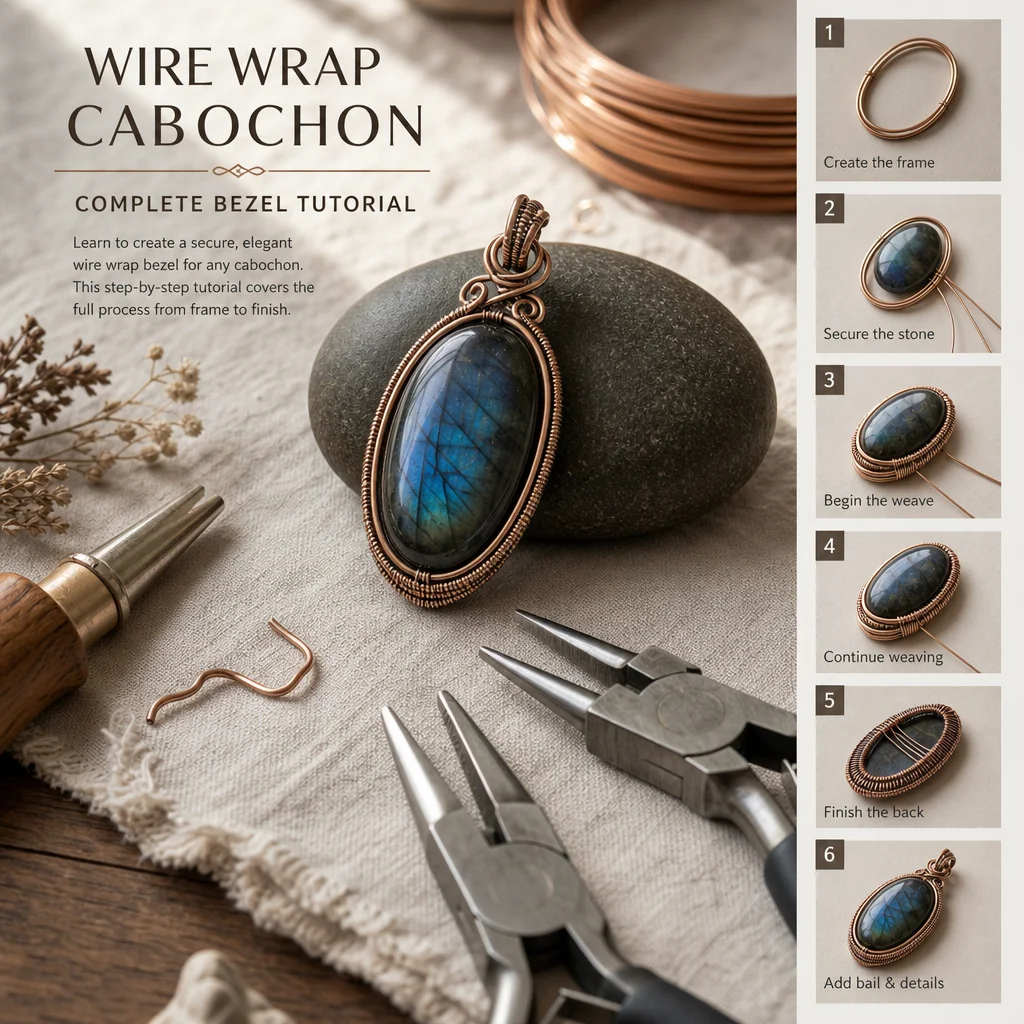
What is Wire Wrap Cabochon?
So, wire wrap cabochons are just these cool stones that get mounted on bezels with wire wrapping magic. They're usually cut from all sorts of gemstones and they've got this awesome, round shape to them. Like, quartz is a big player in this game, and it's got this SiO2 chemical formula. It's part of the trigonal crystal system, which is all about those prismatic and pyramidal shapes. Quartz forms when magma cools down and crystallizes under pressure—talk about a long process! It can take millions of years to get those intricate patterns we all love. And did you know it's a bit heavier than water, with a specific gravity of about 2.65? Plus, it's pretty tough—ranging from 7 to 7.5 on the Mohs scale, so it's perfect for wire wrapping. I'll never forget the first time I touched a wire wrap cabochon. It felt so weighty and cool against my skin—it was just so calming. The smooth, round surface and the bright colors were just... mesmerizing. I could almost feel the earth's history and beauty in that tiny rock.Where Does It Come From?
Hey, so wire wrap cabochons come from all sorts of cool places across the globe! There are these top spots like Brazil, the States, and Madagascar that are famous for their crystal riches. In Brazil, there's this Minas Gerais region that's like a treasure trove for quartz, amethyst, and citrine. It's like nature did it up right there, with these deep, crystal-packed rocks. Then, you've got the U.S., especially Nevada and Colorado, which are big on their high-grade quartz. These mines have been churning out gems for over a century, making a big splash in the gemstone world. Madagascar is a whole other ball game, though; it's famous for its sapphires and rubies that find their way into wire wrap pieces. These mines are super unique, like each one has its own little quirks. For instance, the Brazil mines often have these colorful layers of quartz, which is just a gem cutter's dream. And Madagascar? They've got this amazing mix of minerals that give us all these different gemstones to work with in our wire wrap art.History and Cultural Significance
Oh, quartz has been around for ages, you know? Back in the day, ancient folks like the Egyptians, Greeks, and Romans totally loved it. They thought it was super beautiful and had all these magical powers. Like, the Egyptians would wear it in their jewelry and believed it kept them safe. And in the old tales, quartz was like this healing hero. The Greeks called it "krustallos," which means "ice," because they thought it was like ice but way cooler. They used it to help with fevers. Meanwhile, the Romans? They thought quartz was like a memory upgrade and wore it as a lucky charm. The word "quartz" actually comes from the German word "Quarz," which means "hard." So, it's like, quartz is tough and durable, which is why jewelers have been using it for centuries. Different cultures had their own quirky uses for it. For Native Americans, it was a sacred stone for rituals. In Hinduism, it's all about Lord Ganesha and his worship. I've been wearing quartz jewelry for years, and it's like this spiritual and pretty thing for me. It keeps me grounded and focused. The history and all the cool stuff it's been part of make it even more awesome to me.Color Varieties and Quality
Oh, quartz is just so cool! It comes in all sorts of colors, like the classic clear stuff, or how about that bright red ruby quartz? There's amethyst, citrine, rose quartz, smoky quartz, and my favorite, tiger's eye. The colors come from tiny bits in the mix when it's made. Like, iron makes it yellow, and manganese gives it that pretty pinkish color. When it comes to wire wrap cabochons, there's a lot to think about. Like the color, how clear it is, how it's cut, and how heavy it is. A good one has a pop of color, not too many spots, and a shiny surface. The cut's a big deal too, it really brings out the stone's sparkle. Prices can vary a lot too. Rare colors like red tiger's eye or blue lace agate can be pricey, but there are lots of options that are pretty reasonable. So, whether you're a collector or just love pretty jewelry, there's something for everyone. I love hitting up gemstone shows. There's something so captivating about those bright quartz cabochons. They're always so smooth and the colors are just amazing. It's like magic, watching how the same rock can turn into all these different, beautiful things.Physical Properties in Detail
Hey, have you ever noticed how quartz is super hard? That's why it's all the rage for jewelry. Its hardness is like, 7 to 7.5 on the Mohs scale, which means it's tough and doesn't scratch easily. And it can split in a certain way, but that's rare because of its hardiness. The way quartz sparkles is cool too. It can go from all glassy to silky, depending on what kind it is. Clear quartz is totally glassy, and smoky quartz has this silky vibe. The transparency can be all over the place too – from super clear to a bit hazy, with some types being almost solid. There's this neat optical trick in quartz called chatoyancy. It's when light bounces off these parallel lines in the crystal, making it shimmer like silk. You see this a lot in tiger's eye quartz. I've been working with quartz for a while now, and I've noticed all these things first-hand. You can really feel how hard it is when you scratch it with a steel nail. And the luster and transparency? Always stand out. The chatoyancy in tiger's eye is especially amazing, with its shimmering, cat's eye look. It's mesmerizing!How to Tell Real Quartz from Fake
Figuring out the real deal from the fake can be tricky, but there are a few tricks up your sleeve. For starters, give the stone a little tap with something hard. Real quartz will ring out nice and clear, but fake quartz, usually glass or plastic, will just sound kind of dead and muffled. Then, take a peek at the stone with a magnifying glass. Real quartz is like a natural beauty, with all sorts of inclusions and quirks. Fake quartz, on the other hand, is super smooth and doesn't have a single blemish. Sometimes, folks try to trick you by putting a layer of glass or plastic on the quartz to make it look fancier. But don't worry, you can spot this by using a solvent or a bit of acid to see what's really under the surface. When you're shopping for wire wrap cabochons, always go for the good stuff. I've had my fair share of sketchy sellers trying to pass off fake quartz as the real deal. Always ask for a certificate of authenticity, and keep an eye out for prices that are just too good to be true.How to Use and Display
Wire wrap cabochons are super versatile, y'know? They're a big hit in jewelry, especially for necklaces, bracelets, and earrings. The smooth, round shape of the cabochon just goes so well with all sorts of metal wires, making for some really cool designs. And hey, they're not just for jewelry. In home decor, they're awesome for making wall hangings, candle holders, and even planters. They just add this chill vibe to any room. If you're into meditation or spiritual stuff, wire wrap cabochons can be a real chill-out tool. The colors are so calming and the smoothness helps you focus and chill out. Now, when you're using them, just keep in mind the weight of the stone and how sturdy the wire is. Thicker wires are better for chunkier stones, and thinner ones for the lighter ones. Make sure the wire's nice and tight around the stone so it doesn't fall off. I've got a bunch of wire wrap cabochons in my place. They're both decorative and meditation tools. And let me tell you, crafting jewelry with them is like a meditation session for me. It helps me focus and makes something beautiful at the same time.Care and Maintenance
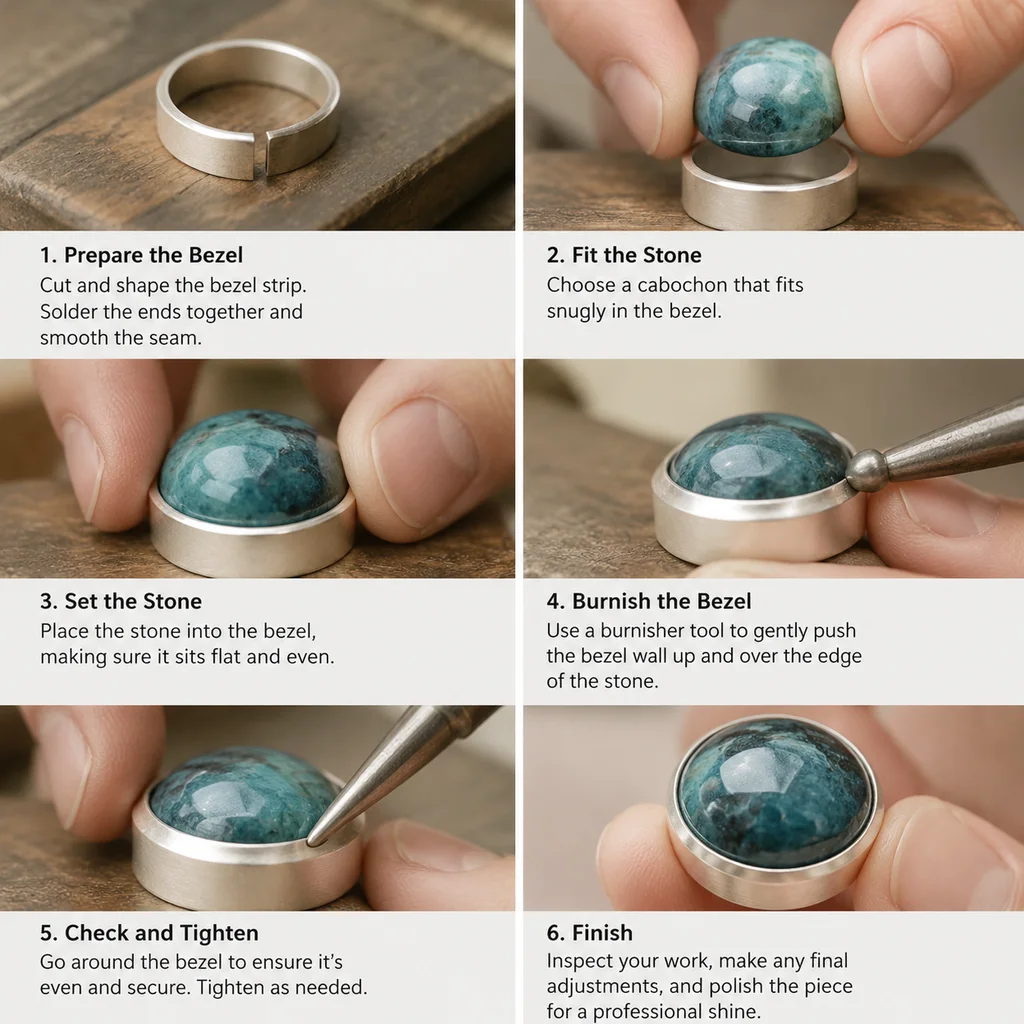
So, taking care of wire wrap cabochons is actually pretty simple. Just give them a quick wipe with a soft cloth and a bit of soap and water, and you're good to go. Don't use anything too harsh, though; it can really mess up the stone or the wire. And don't forget, these babies don't like extreme temps or a lot of sunlight. It can weaken the wire or fade the stone. When you're not wearing 'em, stick 'em in a cool, dark spot. Quartz is cool, because you can "recharge" it. Some peeps bury their quartz in the dirt for a few days, but I've also had fun using moonlight or some good ol' sound waves. It's like giving them a little spa day. It really helps keep their energy and sparkle going. I've been doing this for a while now, and my pieces are still looking fresh. It's like they're timeless. I especially love charging mine with moonlight—it's so chill and I feel like it keeps their magic going.Hey there! So, you're into wire wrap cabochons, right? I've got a complete bezel tutorial for you that's a game-changer. And honestly, it's so much easier than I thought. Plus, I've compared it to some similar stones. The thing is, I've found what I love about bezel settings is how they really showcase the stone's beauty. Now, if you're curious about which stones work best, you'll want to check out the link below. It's a must-read for any crystal enthusiast!
-
Stone: Amethyst
- Color? Deep purple all the way to light lavender, it's so dreamy!
- Hardness? 7 on the Mohs scale, so it's pretty sturdy.
- Price? Moderate, which is a nice change from the crazy high prices of some crystals.
- Rarity? It's common, but what I love about it is it still has that special vibe.
-
Stone: Labradorite
- Color: It's this awesome gray that goes into dark blue, with those pretty iridescent sparkles.
- Hardness: They're pretty tough, around a 6.5 to 7 on that Mohs scale thing.
- Price: They're on the pricier side, but worth it.
- Rarity: They're pretty common, but not too common, you know what I mean?
-
Stone: Citrine
- Oh, the color range on these crystals is just so vibrant! Bright to dark yellow, it's like a sunny day in a little stone.
- And they're not too soft, you know. They've got a 7 on the Mohs scale, which is pretty solid.
- Now, the price – it's moderate to high. But what I love about them is that they're not super rare, so you don't have to break the bank.
- So, they're common, but the thing is, they're still super special.
Buying Guide: What to Look For
Hey there! So, you're thinking about diving into the world of crystal jewelry, huh? I've been there, and let me tell you, it's a whole new level of sparkle. Here's what I've found to be super important when you're shopping around: -- First off, the quality of the crystal. It's all about the clarity and the cut. You want something that's not got any cloudy spots or cracks.
- Then there's the setting. It's what holds the crystal in place. It should be secure and not too bulky, so it doesn't weigh you down.
- And don't forget about the metal. It's got to match your style and skin type. I've found that silver goes with everything and is gentle on sensitive skin.
- Lastly, check the craftsmanship. It's the thing that makes a piece stand out. You want something that's well-made, not like it was thrown together.
So, when you're shopping for wire wrap cabochons, you gotta know your stuff to make sure you're getting the best bang for your buck, you know?
-
Price Ranges:
Hey, did you know wire wrap cabochons can be pretty pricey? You can find 'em for just a few bones if they're the regular ol' stones, but if you're looking at the rare or bigger ones, well, they can cost a small fortune. So, set your budget, figure out what you need and what you like.
-
Quality Indicators:
- Hey, just make sure the surface is super smooth with no big chips or cracks, okay?
- And the edges of the cabochon? They gotta be nice and clean, with those angles nice and sharp.
- And for the colored stones, you know, the color's gotta pop and be even all over.
-
Red Flags:
- Hey, just a heads-up, if you see prices that sound too good to be true, they usually are.
- Also, keep an eye out for stones with big chips or cracks; they're not great.
- And yeah, be careful with stones that've been treated or touched up. It can mess with their value and realness.
-
Where to Buy:
- Hey, there's something about local bead shops and gemstone dealers that's just so nice. They really know their stuff and can give you great advice.
- Then there's online marketplaces like Etsy and eBay. They have this huge selection, but you gotta be a detective to check out the seller's rep and the details.
- Wholesale suppliers? They're good for getting loads at once, but it's not as personal, you know?
Frequently Asked Questions
Hey, so you're looking to pick the perfect wire gauge for your cabochon, right?
Hey, trying to pick the perfect wire gauge for your cabochon? It's a bit of a process, but I'll break it down for you. First thing, you gotta think about the size of your stone. It's all about finding that balance, you know? And don't worry, I've got some tips to make it easier.
When selecting wire for your cabochon, consider the size and shape of the stone as well as the design you have in mind. A general rule of thumb is to use 20-gauge wire for small to medium-sized cabochons and 18-gauge wire for larger ones. Thicker wire is more durable and suitable for heavier stones, while thinner wire is more flexible and ideal for delicate designs.
Can I use any type of wire for wire wrapping?
Can I use any type of wire for wire wrapping?
While there are many types of wire that can be used for wire wrapping, it's best to use materials that are suitable for jewelry making. Common options include copper, sterling silver, and gold-filled wire. These metals are durable, tarnish-resistant, and can be easily manipulated. Avoid using soft metals like aluminum or brass, as they may bend or break easily.
What tools do I need for wire wrapping a cabochon?
What tools do I need for wire wrapping a cabochon?
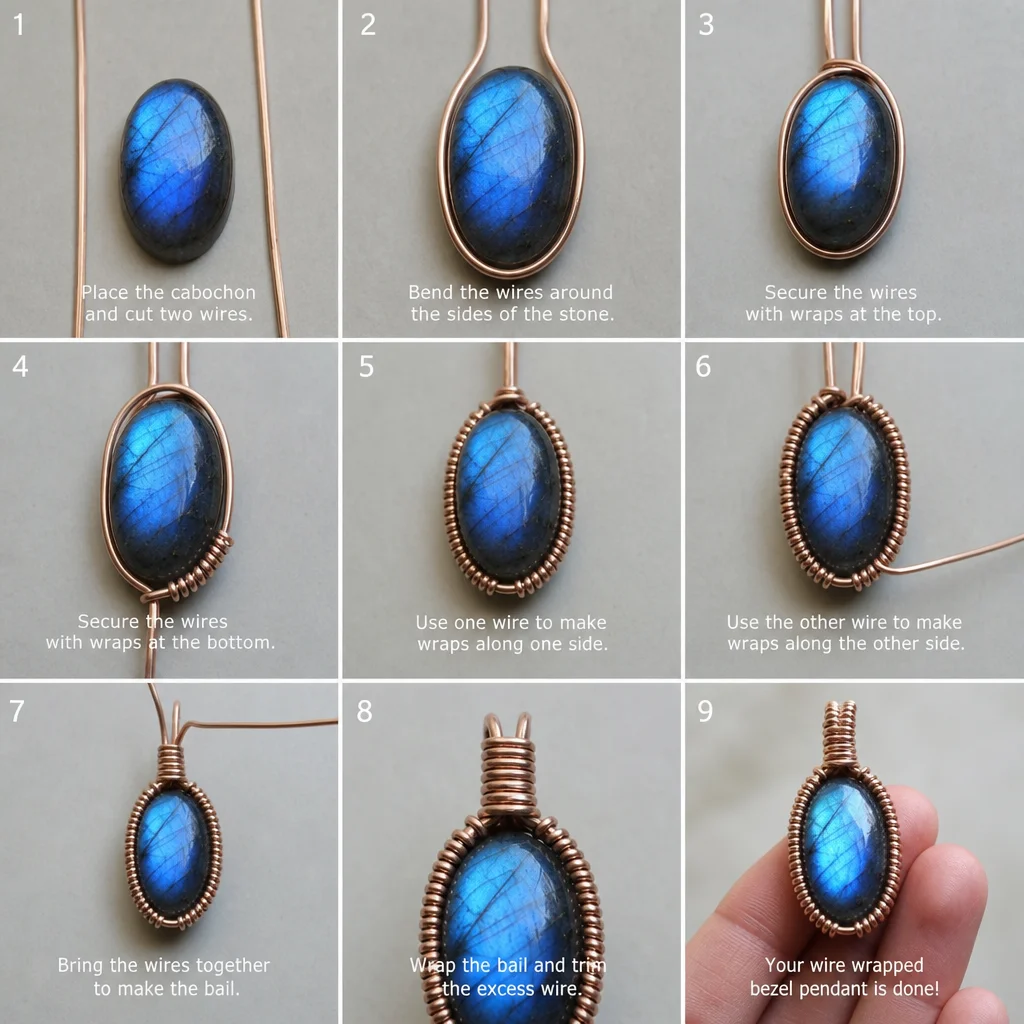
For wire wrapping a cabochon, you'll need a few basic tools, including round-nose pliers, flat-nose pliers, chain-nose pliers, and a flush cutters. These tools are essential for shaping, forming, and cutting the wire, as well as for ensuring a secure and professional finish.
How do I prevent my wire wrap from tarnishing?
How do I prevent my wire wrap from tarnishing?
To prevent tarnishing, it's important to clean your wire wrap immediately after use and store it in a dry, cool place. You can also use tarnish-resistant sprays or dips, which can be found at most jewelry making stores. Regular maintenance, such as cleaning and polishing, will help keep your wire wrap looking its best.
Can I wire wrap a cabochon that has been treated or enhanced?
Can I wire wrap a cabochon that has been treated or enhanced?
Yes, you can wire wrap a cabochon that has been treated or enhanced, but it's important to be aware that the treatment may affect the stone's durability and appearance over time. Some treatments, such as dyeing or coating, can be easily damaged, so it's best to use a secure, sturdy wire wrap design to protect the stone.
Related Crystals You Might Love
- Crystal Name: Rose Quartz
- Rose Quartz: Known for its gentle pink hue, this crystal is associated with love, healing, and emotional balance.
- Crystal Name: Clear Quartz
- Clear Quartz: The master healer, Clear Quartz amplifies energy and enhances clarity of thought and intuition.
- Crystal Name: Lava Stone
- Lava Stone: A grounding stone, Lava Stone is said to provide stability and strength, and is often used to balance the root chakra.
- Crystal Name: Labradorite
- Labradorite: Known for its vibrant colors and iridescence, Labradorite is believed to protect against negativity and encourage self-discovery.
Comments