How to Start a Crystal Collection Without Bre...
June 5, 2026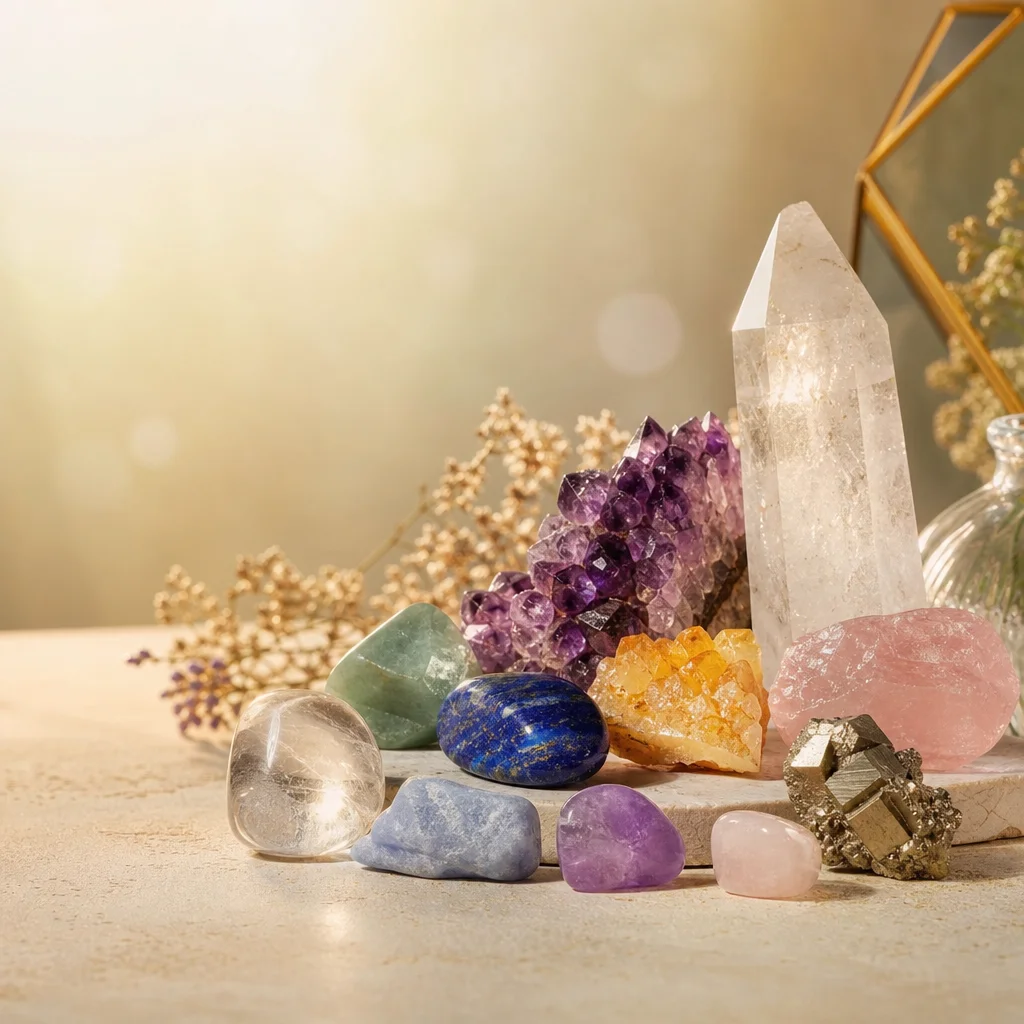
Starting a Crystal Collection Doesn't Have to Be Expensive
One of the biggest misconceptions about crystal collecting is that it requires a significant budget. In reality, you can build a meaningful, diverse collection for under $50 — the cost of a nice dinner out. The key is knowing which stones to start with, where to shop, and how to avoid the common traps that lead new collectors to overspend on low-quality or artificially treated pieces.
This guide walks through building a collection from a 5-stone starter kit through a 20-stone intermediate collection, with specific price benchmarks and sourcing recommendations at each stage.
The 5-Stone Starter Kit (Budget: $20–$35)
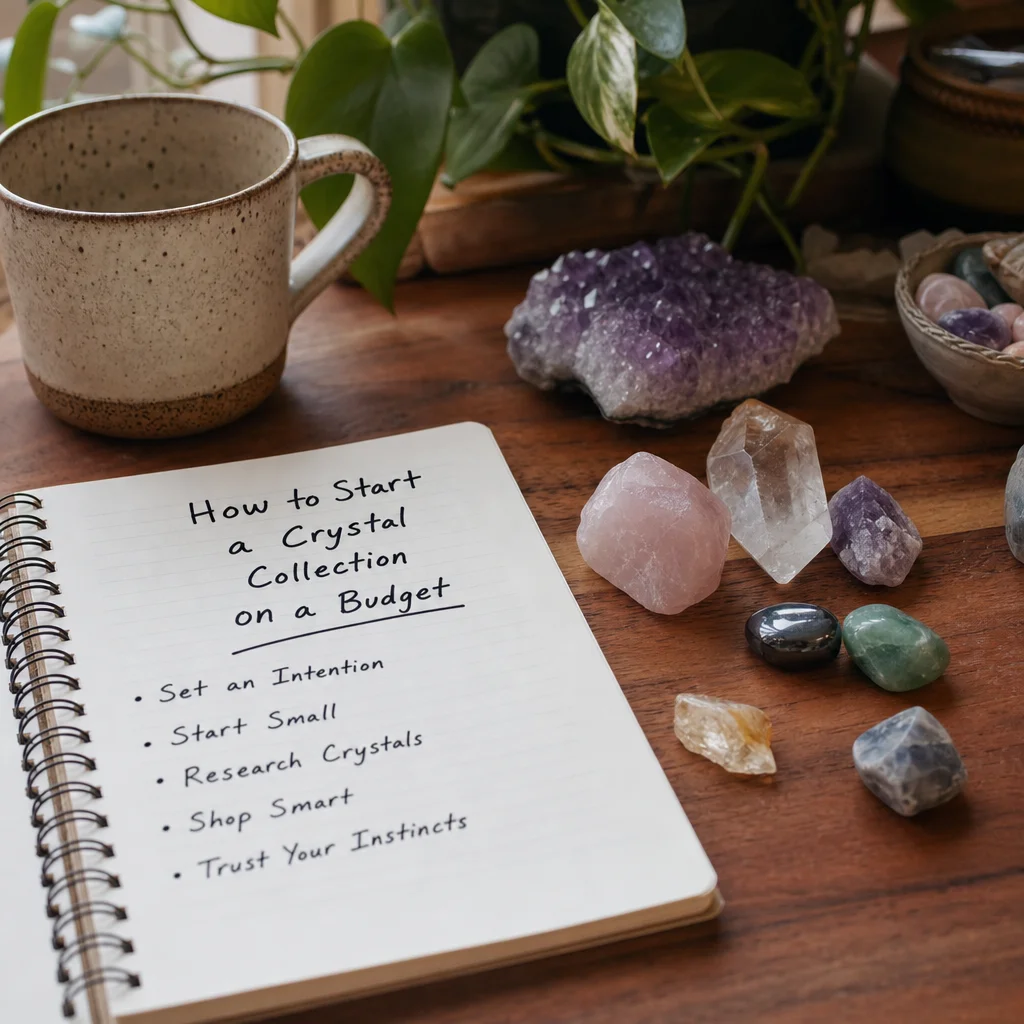
These five stones give you a foundation that covers the major crystal categories — clear, colored, grounding, heart-centered, and energizing. Each stone in this starter kit is widely available, affordable, and durable enough for daily handling.
1. Clear Quartz — The Universal Stone (Under $3)
Clear quartz is the most abundant crystal on earth and one of the cheapest to acquire. A tumbled clear quartz piece between 1–2 inches costs $1–$3 at most crystal shops and online. Raw (natural termination) points are similarly affordable. Despite the low price, clear quartz is genuinely one of the most useful stones to own — its hardness (7), clarity, and versatility make it a staple for any collection.
Look for stones with good clarity (minimal internal cloudiness) and natural termination points. Avoid perfectly smooth, uniform "crystals" that might be glass.
2. Amethyst — The Purple Classic (Under $5)
Amethyst is one of the most collected crystals in the world, and for good reason — its purple color is distinctive, attractive, and widely available in numerous forms. A tumbled amethyst piece costs $2–$5; a small natural cluster (2–3 inches) is typically $8–$15.
For your starter kit, a single tumbled piece is sufficient. Color quality varies widely — the best amethyst shows a deep, saturated purple, while budget pieces lean toward pale lavender. Both are genuine; the color difference reflects iron content and natural variation, not quality faking.
3. Rose Quartz — The Heart Stone (Under $4)
Rose quartz is pink quartz colored by trace amounts of titanium, manganese, or iron within the crystal structure. Tumbled pieces are extremely affordable ($2–$4) and widely available in sizes from small palm stones to larger display pieces. The color ranges from very pale pink to a richer, more saturated rose — both are natural.
Rose quartz from Madagascar tends toward a deeper pink, while Brazilian material is often paler. Neither is "better" — it's personal preference.
4. Citrine — The Golden Energizer (Under $5 for Tumbled)
Here's where you need to be informed: most commercial citrine is actually heat-treated amethyst. Natural citrine (where the yellow color occurred naturally through geological heating) is rare and expensive. Heat-treated citrine is affordable, widely available, and perfectly fine for a beginner collection — you just should know what you're buying.
Tumbled heat-treated citrine costs $2–$5 and provides a warm, golden-yellow addition to your starter kit. If you specifically want natural (untreated) citrine, expect to pay $10–$30+ for comparable sizes and look for stones with a more honey-amber color (natural citrine tends to be less vividly orange than the heat-treated variety).
5. Black Tourmaline — The Grounding Anchor (Under $5)
Black tourmaline completes the starter kit with a grounding, protective energy that balances the lighter quartz and amethyst pieces. Tumbled black tourmaline is $2–$5 for a 1-inch piece, and raw (natural) specimens with terminations can be found in the $3–$8 range.
Black tourmaline's opaque black color provides visual contrast to the other stones in your collection, and its durability (Mohs 7–7.5) means it can handle regular handling without damage.
Expanding to 10 Stones (Additional Budget: $20–$40)
Once you have the five starters, add these five to round out your collection's diversity:
- Tiger's Eye ($3–$6) — adds chatoyancy and golden-brown warmth
- Green Aventurine ($2–$4) — introduces green color and the aventurescent shimmer
- Sodalite ($3–$5) — brings blue with white veining, excellent contrast stone
- Carnelian ($2–$4) — warm orange, distinct from citrine in tone
- Hematite ($3–$5) — metallic gray, heavy and grounding
This 10-stone collection covers the full color spectrum and gives you a versatile foundation for both display and practical use (meditation, jewelry making, or carrying stones daily).
Expanding to 20 Stones (Additional Budget: $40–$80)
The next tier adds more specialized stones:
- Lepidolite ($4–$8) — purple-pink lithium mica, often with visible sparkle
- Labradorite ($5–$10) — blue-green labradorescence, stunning when well-cut
- Red Jasper ($2–$4) — brick red with opaque depth
- Amazonite ($3–$6) — turquoise-green feldspar
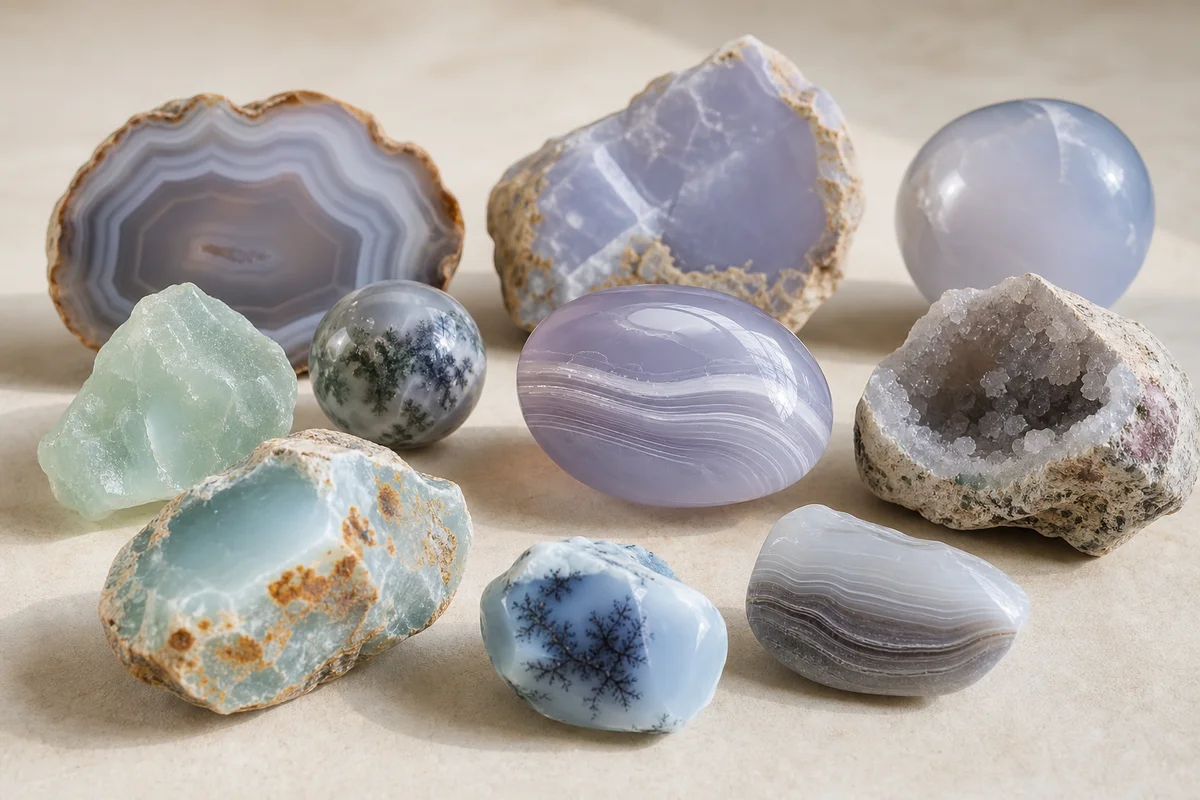
- Blue Lace Agate ($4–$8) — delicate blue and white banding
- Fluorite ($4–$10) — often purple-green banded cubes
- Dalmatian Jasper ($3–$5) — black spots on cream, playful and distinctive
- Pyrite ($3–$6) — metallic gold cubes and masses
- Shungite ($4–$8) — matte black carbon-rich rock from Russia
- Unakite ($3–$5) — green and pink mottled metamorphic rock
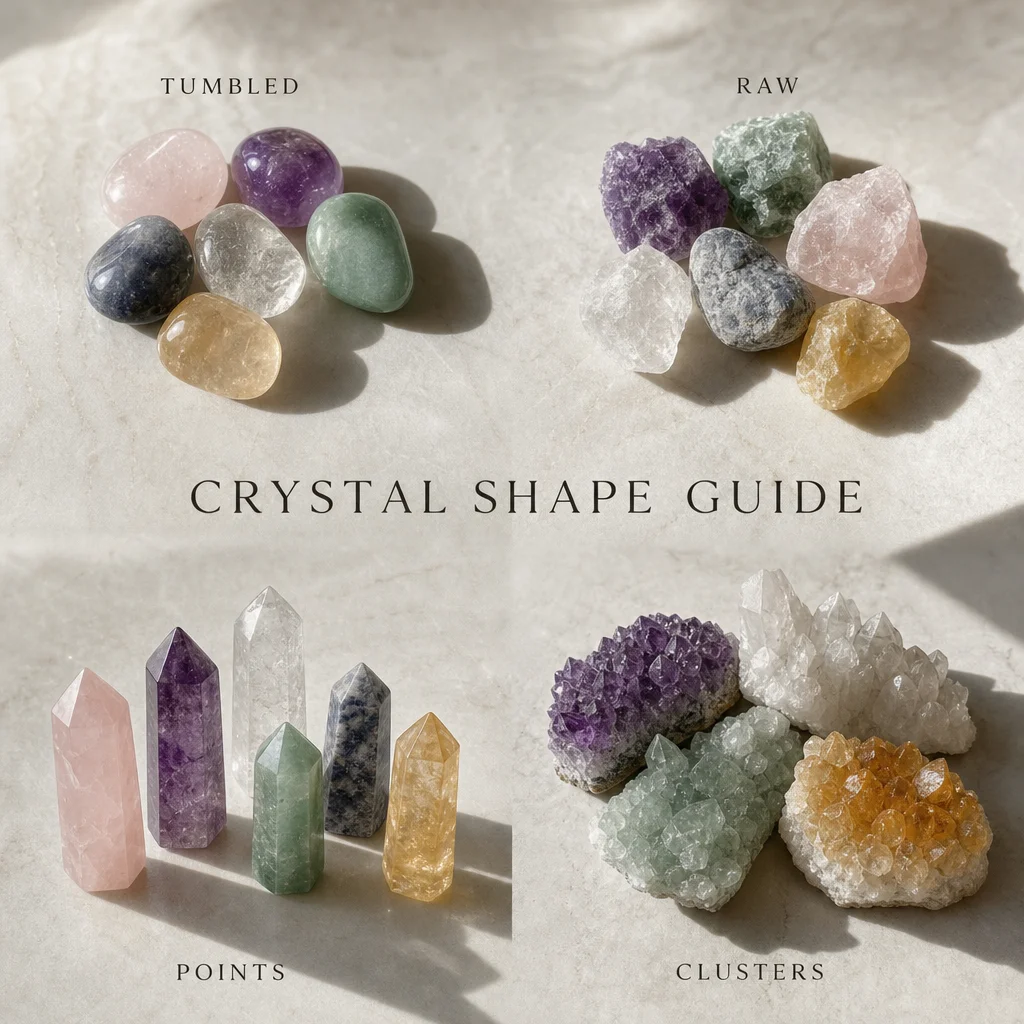
Tumbled vs. Raw vs. Carved: What's Worth Buying
Tumbled Stones
Pros: Affordable ($2–$10), smooth and pleasant to hold, durable, easy to carry. Cons: Less visually dramatic than raw specimens, some character is lost in the tumbling process.
Tumbled stones are the backbone of a beginner collection. They're practical, affordable, and available in virtually every mineral variety. Start here and gradually add raw and carved pieces as your budget and interest grow.
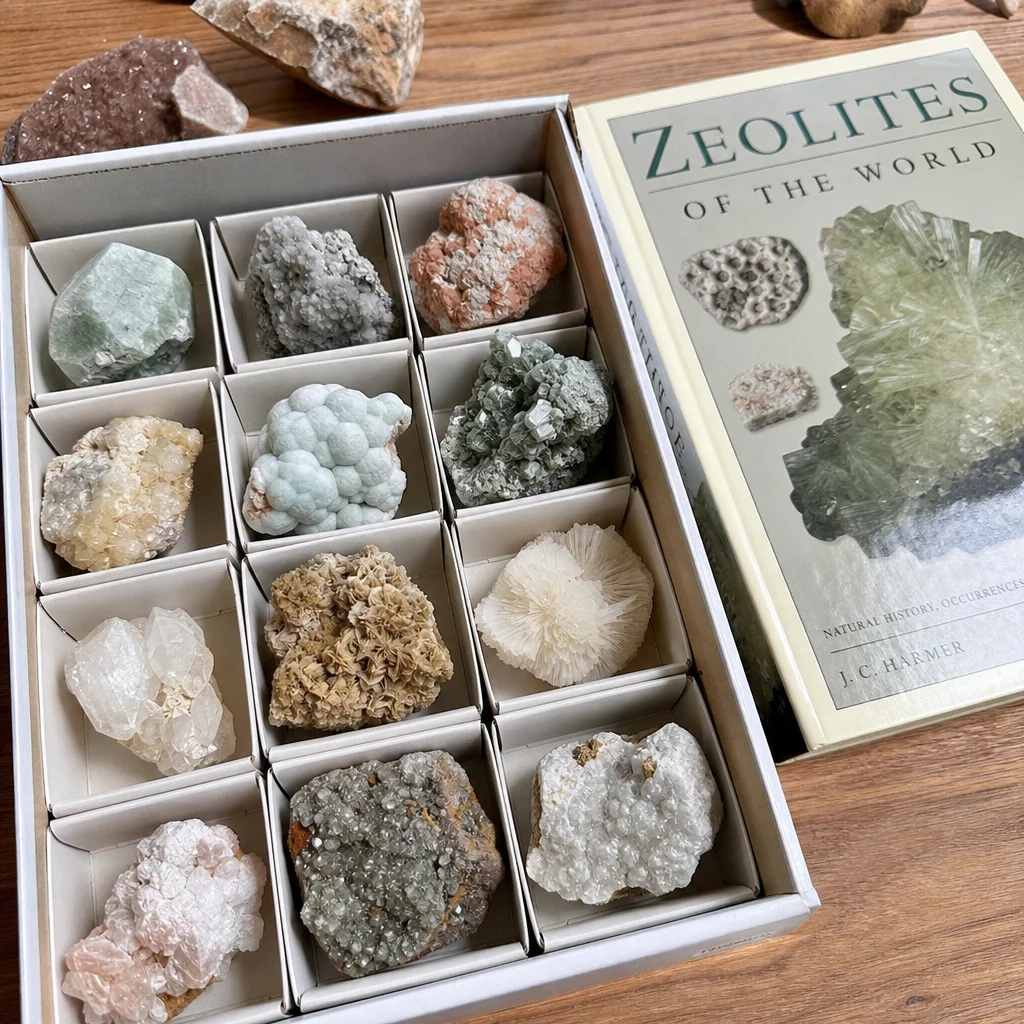
Raw / Natural Specimens
Pros: More authentic appearance, can display crystal structure and natural form, often more affordable per gram than tumbled. Cons: Sharp edges, fragile terminations, harder to display without stands.
Raw crystals are the natural next step. A natural amethyst cluster, a raw tourmaline termination, or a rough quartz point adds visual interest and geological authenticity to your collection.
Carved Stones
Pros: Aesthetically appealing, often make beautiful display pieces. Cons: More expensive, carving quality varies, some "hand-carved" pieces are actually machine-carved.
Carved stones (skulls, animals, hearts, worry stones) are popular but less essential for a serious collection. If they speak to you, buy them — but prioritize raw and tumbled specimens first for a more mineralogically grounded collection.
Where to Buy: Reliable Sources
Gem and Mineral Shows
Local gem and mineral shows are among the best places to buy crystals at fair prices. You can handle the stones, examine quality before purchasing, and often negotiate prices — especially on the last day of the show. Dealers at these shows tend to be knowledgeable mineral enthusiasts who can answer questions about sources and treatments.
Reputable Online Dealers
Several online crystal shops have built solid reputations for quality and honest description. Look for dealers who specify: country of origin, whether the stone is natural or treated, and accurate mineral identification. Avoid listings that use vague terms like "healing crystal" without identifying the mineral.
Local Crystal Shops
Brick-and-mortar crystal shops are convenient but tend to have higher prices than online or show sources. The advantage is being able to see and touch the stones before buying. Support your local shop if prices are reasonable, but don't assume a higher price means higher quality.
Fake and Misrepresented Stones to Avoid
- Dyed quartz sold as "real" colored quartz — bright blue, green, or pink tumbled stones that have been artificially dyed. Hold them under strong light: if the color concentrates in fractures and scratches, it's dyed. Natural colored quartz exists (amethyst, citrine, rose quartz, smoky quartz, prasiolite) but the palette is limited.
- Fake turquoise — reconstituted turquoise (powdered real turquoise mixed with resin and dye) or completely synthetic howlite dyed blue. Howlite's white web pattern is a dead giveaway under magnification.
- Glass sold as quartz, emerald, or ruby — examine for bubbles (glass often contains tiny spherical bubbles) and perfect uniformity (natural stones are never perfectly uniform inside).
- Plastic "crystals" — extremely lightweight with no mineral character. Test with a pin: plastic yields easily, while quartz (7) won't be scratched.
- "Moldavite" from questionable sources — genuine moldavite is expensive ($20–$40+/gram). Cheap "moldavite" is usually glass. There are very few legitimate sources; most genuine material comes from the Czech Republic.
Storage and Display
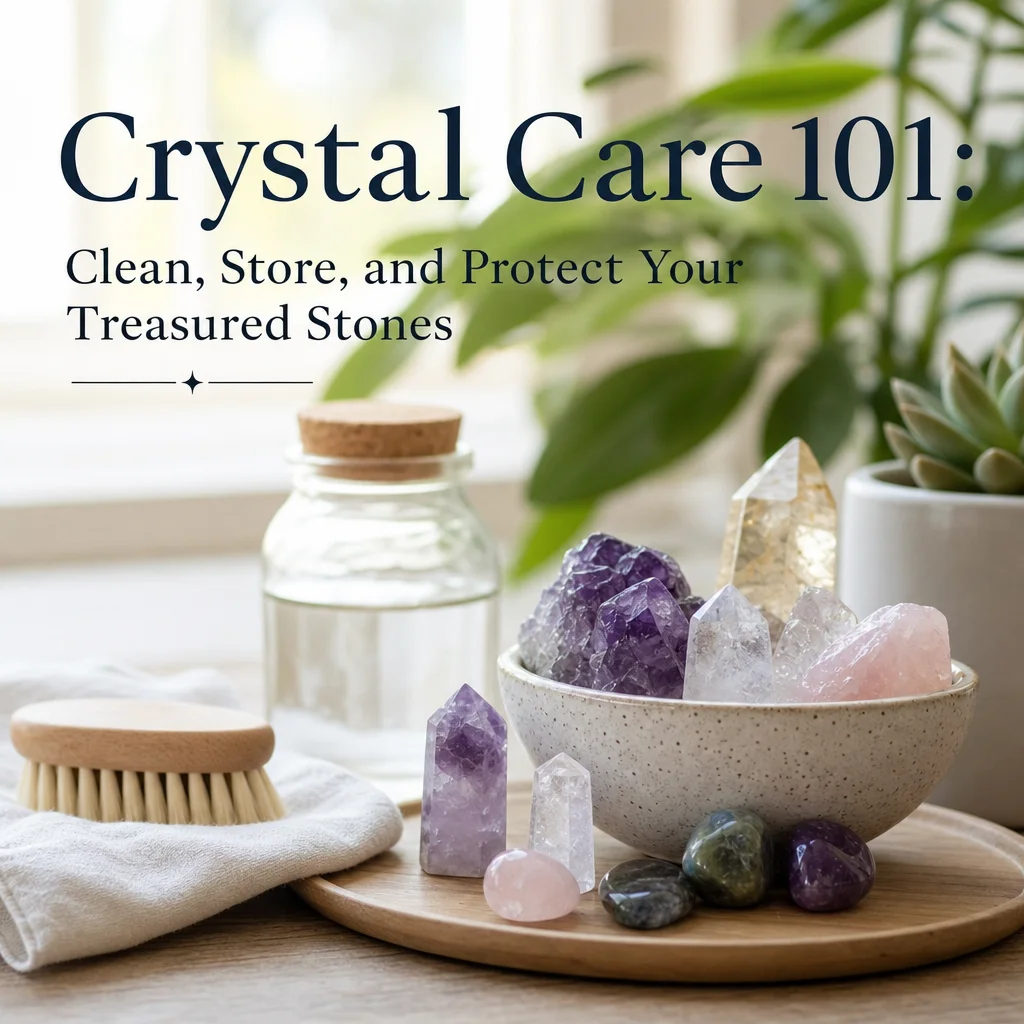
A dedicated shelf, tray, or display case keeps your collection organized and makes it enjoyable to look at. Fabric-lined boxes protect fragile specimens. For raw crystals with sharp terminations, individual felt bags or compartments prevent them from scratching each other.
Display stands (acrylic or wooden) elevate specimens and show them at their best angle. Light matters — a small LED spotlight on a display shelf can dramatically enhance the color and sparkle of translucent stones like amethyst and citrine.
Frequently Asked Questions
How many crystals should a beginner start with?
Five is a perfect starting number. It's enough to give you variety and experience with different mineral types, but small enough that each stone gets attention and use. From there, expand at your own pace.
Is it worth spending more on individual high-quality pieces?
Once you've built a basic collection and know what you enjoy, investing in one or two higher-quality pieces (a fine amethyst cluster, a well-cut labradorite, a natural citrine point) adds depth and visual impact. Quality over quantity applies in crystal collecting just as in other collecting hobbies.
How do I know if a crystal shop is selling genuine stones?
The biggest indicator is honesty about treatments. A shop that openly says "heat-treated citrine" or "dyed agate" is trustworthy. A shop that claims every stone is natural and untreated — especially at suspiciously low prices — is more likely misrepresenting their inventory.
Frequently Asked Questions
What is the difference between raw and tumbled crystals for beginners?
Raw crystals are natural, unpolished stones straight from the earth, offering an authentic feel. Tumbled stones are smoothed into pocket-friendly shapes. For beginners, tumbled crystals are ideal because they are durable and easy to carry. You might also explore artisan handcrafted crystal jewelry, which offers a beautiful, wearable way to keep your favorite natural stones energetically close to you throughout the day.
How should I store and display my new crystal collection?
Storing crystals properly depends on their hardness and light sensitivity. For display, placing them on a wooden shelf or in a glass cabinet lets you safely appreciate their natural beauty. Keep softer stones separate to avoid scratches. If you love displaying your favorites, wearing artisan handcrafted crystal jewelry is an excellent way to keep your most cherished gems protected while enjoying them as beautiful, everyday wearable art.
Comments