Chalcedony Stone Guide: Why This Ancient Gem Is Making a Comeback in Modern Jewelry
What Exactly Is Chalcedony? (It's Not What You Think)
I spent years thinking chalcedony was just one specific stone — that pale blue stuff you see in bead shops and craft fairs. Turns out I was wrong about almost everything. Chalcedony isn't a single mineral at all. It's a family. A massive, sprawling family of stones that includes some of the most popular gems in the world.
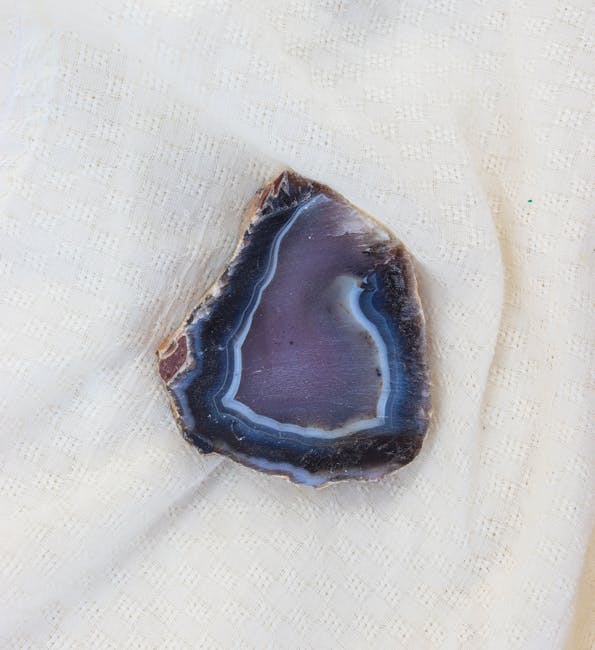
Here's the thing: chalcedony is a cryptocrystalline form of silica, which is a fancy way of saying it's made of quartz crystals so tiny you can't see them without a microscope. Unlike rock crystal or amethyst where you can make out individual crystal faces, chalcedony looks smooth, waxy, and solid. That's because thousands of microscopic quartz crystals grew packed together so tightly that there are no visible gaps.
And when I say "family," I mean it. Carnelian, agate, onyx, jasper, chrysoprase, bloodstone, sardonyx — they're all chalcedony. The only thing that separates them is trace minerals and the way those microscopic crystals arranged themselves as they formed. Carnelian gets its orange-red from iron oxide. Chrysoprase turns green from nickel. Agate develops bands because the minerals changed composition layer by layer over thousands of years.
So when someone says "I love chalcedony," what they usually mean is they love the blue or white translucent variety specifically. But technically, that gorgeous carnelian pendant your grandmother wore? That's chalcedony too. The onyx ring you bought last year? Also chalcedony. It's one of those facts that makes you rethink everything you thought you knew about gemstones.
A Quick History Lesson: This Stone Has Been Around Forever
Chalcedony has one of the longest documented histories of any gemstone. We're not talking centuries — we're talking millennia. People have been working with chalcedony in some form for at least 7,000 years, and probably longer than that.
The ancient Egyptians were absolutely obsessed with it. Archaeologists have found chalcedony scarabs, amulets, and carved vessels in tombs dating back to the Early Dynastic period. They associated it with the goddess Isis and used it in everything from protective amulets to everyday jewelry. What's interesting is that the Egyptians didn't necessarily distinguish between the different varieties the way we do now. To them, it was often just "beautiful stone" — and that was enough of a reason to use it.
The Romans took things further. Pliny the Elder wrote about chalcedony extensively in his Natural History, describing different types and their supposed properties. Roman soldiers carved intaglio seals from chalcedony — tiny carved images pressed into wax to sign documents and letters. These were functional, beautiful, and deeply personal all at once. If you ever see a museum display of Roman intaglios, most of them are carved from some variety of chalcedony. The stone was hard enough to hold fine detail but soft enough to carve with the tools available at the time. It was basically the perfect material.
During the Middle Ages, chalcedony took on a different role. It became associated with eloquence and public speaking. People believed that carrying a piece of chalcedony could help you argue your case in court or speak persuasively. Is there science behind that? Not really. But the belief persisted for centuries, which tells you something about how much people valued this stone.
Native American cultures also worked extensively with chalcedony, particularly agate varieties. The Apache and Navajo peoples created distinctive jewelry and tool-making traditions around locally sourced agate and jasper. In many indigenous cultures around the world, chalcedony varieties were practical materials first and ornamental stones second — used for cutting tools, weapons, and containers long before anyone thought about making them into necklaces.
Why Designers Are Obsessed With Chalcedony Right Now
Here's something that surprised me: after years of being treated as a "budget gemstone" or something you'd find at a craft show, chalcedony is having a genuine moment in fine jewelry. And I don't mean in a trendy, flash-in-the-pan way. I mean serious, established designers are building collections around it.
There are a few reasons for this. First, there's been a broader movement toward organic, natural-looking jewelry. After years of perfectly cut diamonds and laboratory-precise gemstones, people started craving something that looked like it came from the earth — because it did. Chalcedony, with its subtle translucency and natural color variations, fits perfectly into this aesthetic. A piece of blue chalcedony looks like a tiny piece of sky or ocean frozen in stone. You can't manufacture that feeling with a diamond.
Second, chalcedony is relatively affordable compared to many other gemstones. A designer can create a statement piece with a large chalcedony cabochon for a fraction of what the same piece would cost with aquamarine or topaz. This makes it possible to experiment with bold designs without pricing out most customers. I've seen cocktail rings with 30-carat chalcedony stones that retail for under $200. Try that with any other gemstone of comparable size.
Third, and this is the one nobody talks about enough, chalcedony is incredibly durable. It rates 6.5 to 7 on the Mohs scale, which means it can handle daily wear without scratching easily. You can set it in a ring or bracelet that you wear every day, and it'll hold up. That's not true of a lot of more expensive stones. Opal, for instance, is gorgeous but fragile. Chalcedony gives you that beautiful, organic look without the anxiety of chipping or cracking.
There's also something to be said for the sustainability angle. Chalcedony deposits are found all over the world — Brazil, India, Madagascar, Namibia, Turkey, and the United States all produce significant quantities. Because it's relatively common and doesn't require the massive mining operations that diamonds or rubies demand, it has a smaller environmental footprint. Consumers are becoming more conscious of where their jewelry comes from, and chalcedony scores well on that front.
The Big Comparison: Which Chalcedony Variety Is Right for You?
Since chalcedony covers so many different stones, choosing between them can feel overwhelming. I've spent time with most of the major varieties, and here's an honest breakdown of what each one brings to the table.
Blue Chalcedony
This is what most people picture when they hear "chalcedony" — a soft, dreamy blue, sometimes with a slight lavender undertone. The best specimens come from Namibia and Turkey, and they have this translucent quality that makes them look almost ethereal when held up to light. Blue chalcedony is calm and understated. It works in delicate pendants, beaded necklaces, and simple earrings where the color can speak for itself. I'd recommend it if you want something that feels both elegant and relaxed. It's the kind of stone that doesn't demand attention but quietly earns compliments.
Chrysoprase
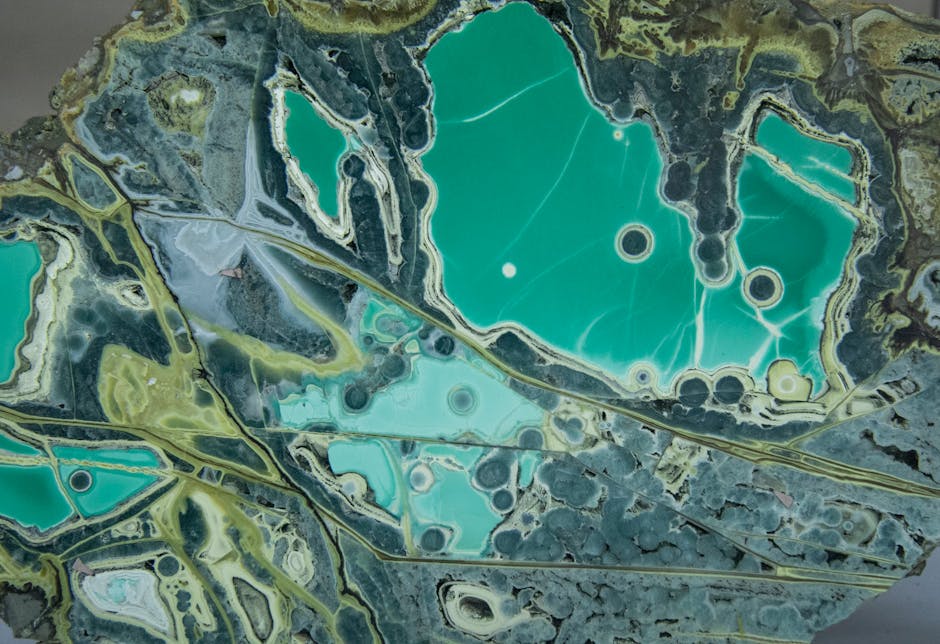
If blue chalcedony is a quiet afternoon, chrysoprase is a spring morning. This apple-green variety gets its color from trace amounts of nickel, and the best material from Australia can look almost like jade. Chrysoprase has been gaining serious traction in the design world because that specific shade of green — slightly muted, slightly warm — pairs beautifully with both gold and silver. I've seen designers use it in everything from vintage-inspired lockets to modern geometric earrings. If you're drawn to green stones but find emerald too formal and peridot too bright, chrysoprase might be your sweet spot.
Carnelian
Carnelian is the warm one. That deep orange-to-red color comes from iron oxide, and it's been popular for so long that it has one of the richest histories of any gemstone. Carnelian works incredibly well in bohemian and earthy designs — think stacked bracelets, chunky pendants, and organic-shaped cabochons. It's also one of the most affordable chalcedony varieties, which means you can buy larger stones without spending a fortune. If your wardrobe leans warm — earth tones, amber, bronze — carnelian will feel right at home.
Agate
Agate is probably the most diverse chalcedony variety. The defining feature is banding — concentric layers of different colors that formed as the mineral slowly crystallized in volcanic cavities. But within agate, there are dozens of sub-varieties: blue lace agate with its delicate blue and white stripes, moss agate with green inclusions that look like tiny landscapes, fire agate with iridescent flashes, and botswana agate with its pink and gray layers. The variety within agate alone could fill a book. For jewelry, agate works in almost any style because you can find a type that matches whatever aesthetic you're going for. Want something delicate and feminine? Blue lace agate. Something bold and earthy? Moss agate. Something graphic and modern? Black and white banded agate.
Onyx
Black onyx is the most formal of the chalcedony varieties. Pure black with a waxy luster, it's been used in mourning jewelry, men's accessories, and high-contrast designs for centuries. The thing about onyx is that its simplicity is its strength. A solid black cabochon in a gold bezel is one of the most classic jewelry designs in existence. It works in everything from signet rings to pendant necklaces, and it pairs well with literally every other stone and metal. If you want one piece of chalcedony that's the most versatile, onyx is hard to beat.
How to Pick Quality Chalcedony (Without Getting Ripped Off)
Buying chalcedony can be tricky because the quality range is enormous. You can find chalcedony beads at a craft store for $2, or a designer chalcedony ring for $800. Here's what I've learned about evaluating quality.
Translucency matters. The best chalcedony has a glowing, translucent quality when backlit. Hold the stone up to a light source — if light passes through it evenly and creates an internal glow, you're looking at better material. Opaque pieces are less valuable, though they can still be beautiful in the right setting.
Check for dyeing. This is the big one. A lot of chalcedony on the market is dyed, especially agate and onyx. Nearly all "black onyx" you see in commercial jewelry is actually dyed gray chalcedony. Most of the bright blue, pink, and green agate slices are dyed too. This isn't necessarily bad — dyed stones can be beautiful — but you should know what you're paying for. If a stone's color looks unnaturally vivid or perfectly uniform, assume it's been treated. Natural chalcedony tends to have subtle color variations and zones.
Look at the cut. Cabochon quality varies wildly. A well-cut cabochon has a smooth, even dome with no flat spots or asymmetry. The polish should be mirror-like. Many inexpensive chalcedony pieces have flat tops, uneven curves, or visible polishing marks. Better quality pieces are worth the price difference because the stone will actually look good, not just acceptable.
Check for cracks. Chalcedony can develop internal fractures during formation. Hold the stone at an angle under good light and look for any lines that catch light differently than the surrounding material. Small fractures near the surface can lead to chipping over time. Pass on pieces with visible cracks unless you're getting a significant discount and the stone is set in a protective setting.
Price Guide: What Should You Actually Pay?
One of the best things about chalcedony is that it covers a wide price range. You can find something beautiful at almost any budget. Here's a realistic breakdown based on what I've seen in the market.
Beaded jewelry (necklaces, bracelets): $5 to $50 for basic pieces. Most commercial beaded chalcedony jewelry falls in the $15 to $30 range. These use smaller stones, often dyed, and machine-strung. They're fun, casual, and perfectly fine for everyday wear.
Cabochon pendants and earrings: $20 to $150 for decent quality. Mid-range jewelry stores and online shops typically price chalcedony pendants in the $40 to $80 range. The price jumps when you get larger, better-colored stones or handcrafted settings.
Rings: $30 to $300. A simple sterling silver ring with a small chalcedony cabochon might run $30 to $60. A designer piece with a large, high-quality stone in gold can easily exceed $200. Chalcedony rings are a great value because the stone itself is affordable — you're mostly paying for the setting and craftsmanship.
Collector and designer pieces: $200 to $1,000+. This is where you get into exceptional material — rare colors, large sizes, untreated stones with vivid natural color. Australian chrysoprase and Namibian blue chalcedony command premium prices in this range.
Antique and vintage pieces: $50 to $500+. Victorian and Art Deco chalcedony pieces, especially intaglios and carved cameos, can be surprisingly affordable for genuine antique jewelry. These are worth seeking out if you appreciate craftsmanship and history.
Caring for Your Chalcedony: What Actually Works
Chalcedony is fairly low-maintenance, but there are a few things worth knowing to keep your pieces looking good over time.
Cleaning: Warm water and mild soap. That's really all you need. Skip the ultrasonic cleaners and steam cleaners — the microscopic fractures that are invisible to the eye can expand under ultrasonic vibration. A soft toothbrush and dish soap will handle most dirt and buildup. Dry thoroughly with a soft cloth.
Storage: Chalcedony is harder than most metals but softer than harder gemstones like sapphire or diamond. Store it separately from pieces that could scratch it. A soft pouch or a separate compartment in your jewelry box works fine. I learned this the hard way when a strand of chalcedony beads got scratched by a diamond ring I'd tossed in the same compartment.
Avoid heat and chemicals: Prolonged exposure to direct sunlight can fade dyed chalcedony over time, especially the lighter blue and pink varieties. Harsh chemicals — household cleaners, chlorine, perfume — can damage the surface polish or affect dyed stones. Put your jewelry on after applying perfume and lotion, and take it off before cleaning or swimming.
Restringing: If you have beaded chalcedony jewelry, check the string periodically. Silk thread breaks down over time, especially if the piece gets wet. A good rule of thumb is to restring beaded pieces every 1 to 2 years if you wear them regularly. It costs $15 to $30 at most jewelers and can save you from losing stones.
Styling Chalcedony: What Works and What Doesn't
After wearing various chalcedony pieces for years, here's what I've figured out about what actually looks good.
Blue chalcedony pairs beautifully with silver and white gold. The cool blue tone complements white metals in a way that gold sometimes fights with. A blue chalcedony pendant on a fine silver chain is one of the most wearable, versatile pieces you can own. It works with everything from a white t-shirt to a navy dress. Layer it with other blue stones — aquamarine, larimar, blue topaz — for a tonal look that feels intentional without being matchy.
Chrysoprase is the gold lover's stone. That slightly warm green looks incredible against yellow and rose gold. I've seen chrysoprase paired with rose gold in particular, and the combination is stunning — the pink undertones in the metal pick up subtle warmth in the stone. Chrysoprase also works well with earthy materials like wood, leather, and brass for a more casual, organic feel.
Carnelian loves warm tones. Pair it with bronze, copper, brass, or yellow gold. Carnelian looks out of place against silver or white gold — the warm orange fights with the cool metal. If you want to mix metals, try carnelian with a mixed metal chain that has both gold and silver elements. The warm stone will naturally pull the gold forward.
Onyx goes with everything. I know that sounds like a cop-out, but it's true. Black onyx works with every metal, every outfit, and every occasion. A pair of onyx studs can transition from the office to dinner without missing a beat. Onyx also provides incredible contrast when paired with lighter stones — turquoise, moonstone, or rose quartz. The contrast makes both stones pop.
Agate is your creative playground. Because agate comes in so many varieties, the styling possibilities are nearly endless. Botswana agate with its pink and gray bands pairs beautifully with both silver and gold. Moss agate with its green inclusions looks stunning in bohemian, nature-inspired designs. Black and white banded agate works in graphic, modern pieces. Let the specific type of agate guide your styling choices.
Don't overthink it. The best thing about chalcedony is that it's inherently casual and approachable. These aren't stones that demand formal occasions or careful outfit planning. Throw on a chalcedony pendant with jeans and a sweater, and it works. Stack a few beaded bracelets for a relaxed weekend look. The stone's natural, earthy quality means it looks best when you're not trying too hard.
The Bottom Line
Chalcedony has been with humanity for thousands of years, and it's not going anywhere. The current revival in fine jewelry is well-deserved — this is a family of stones that offers incredible variety, genuine durability, real affordability, and a connection to human history that few other gemstones can match.
Whether you're drawn to the dreamy blue of Namibian chalcedony, the apple green of Australian chrysoprase, the warm fire of carnelian, or the bold simplicity of onyx, there's a variety that fits your taste and your budget. Start with what catches your eye. You can always learn more and expand your collection later. That's half the fun.
This article was created with AI assistance. SageStone editorial team reviewed it for accuracy.
Comments