Crystal Rainbow Challenge: 7 Days of Activities
May 16, 2026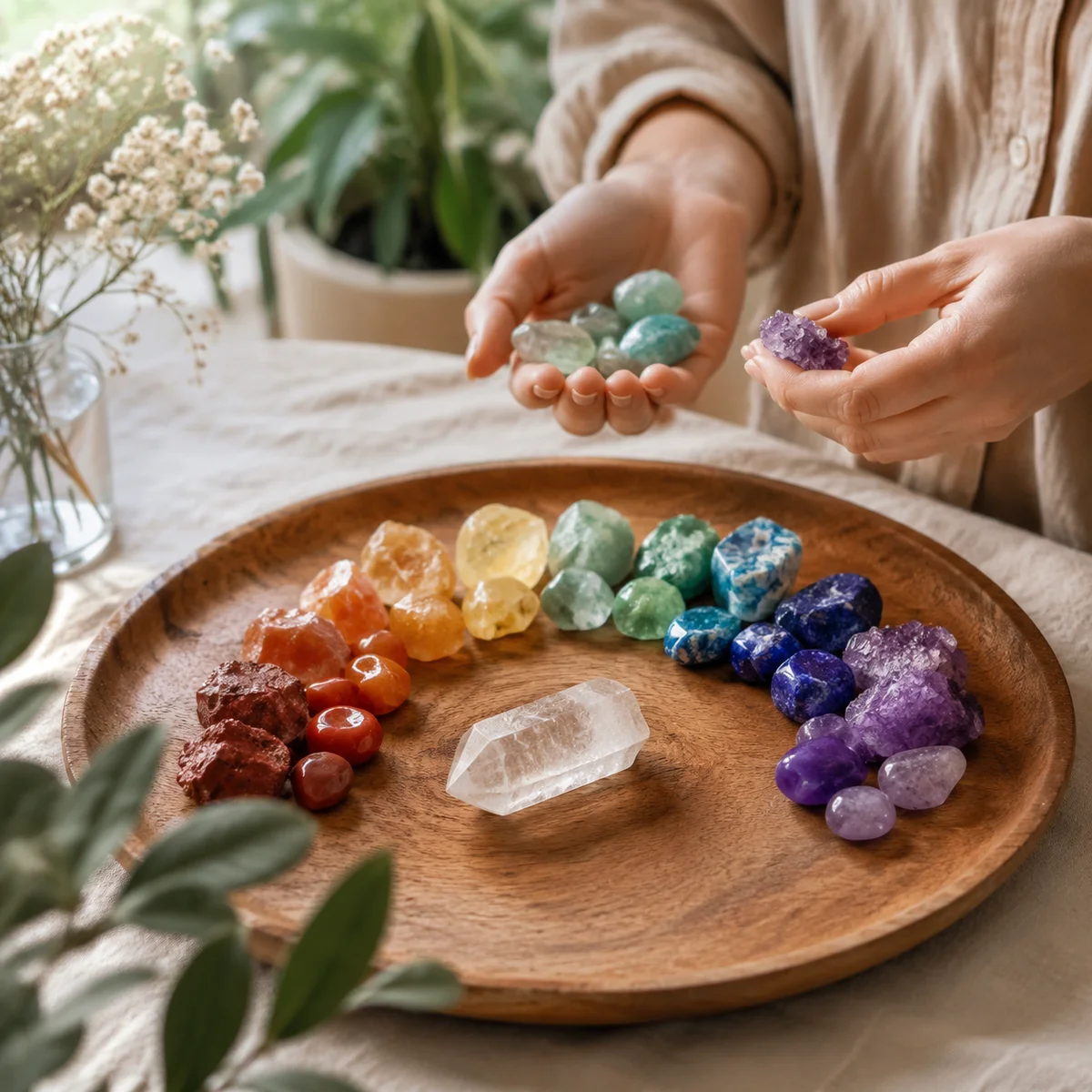
The Crystal Rainbow Challenge: 7 Days of Color-Based Stone Activities for Kids
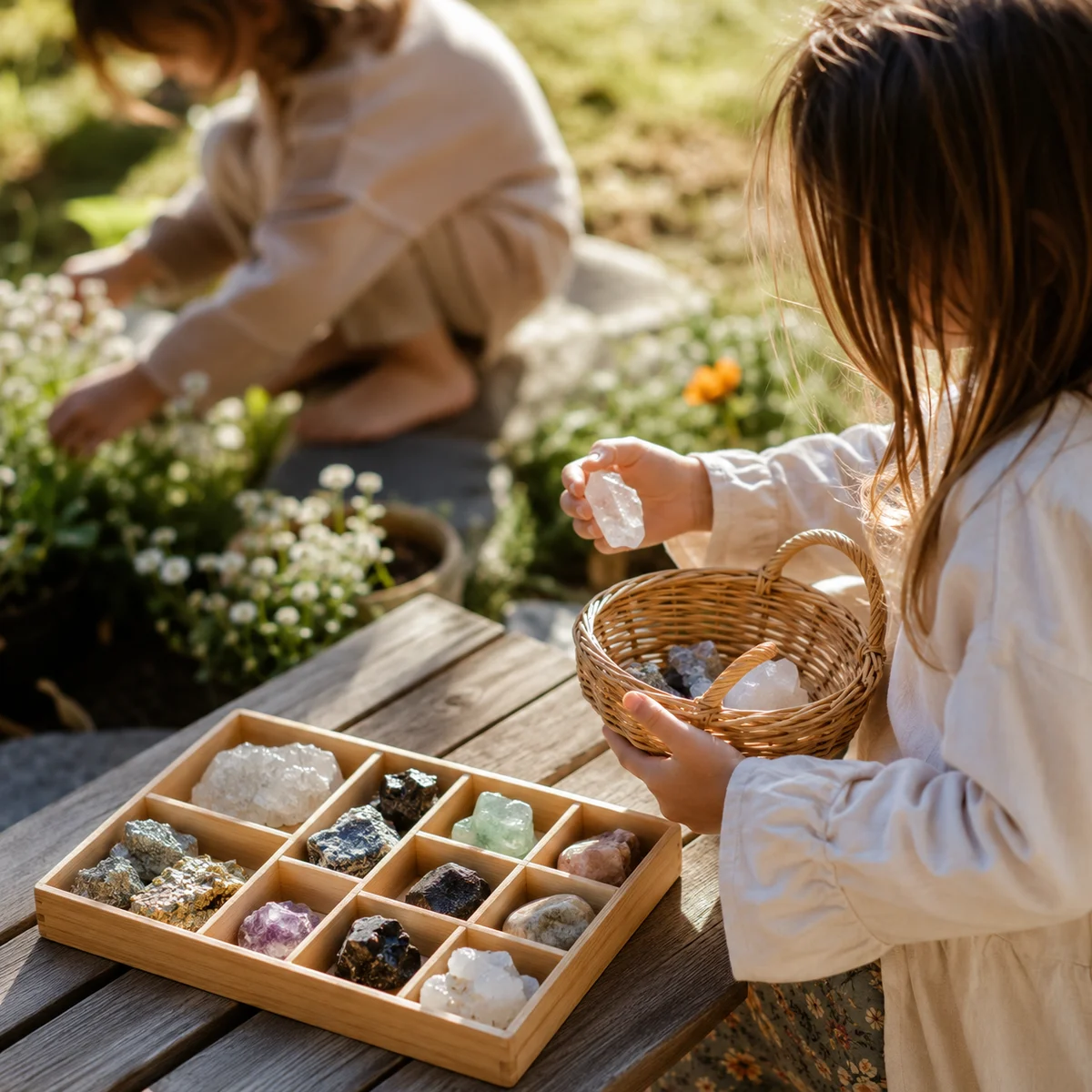
Last summer, my daughter dumped a bag of tumbled stones on the kitchen table and started sorting them by color — completely on her own. No prompt, no suggestion. Just a four-year-old doing what kids do naturally: organizing the world through bright, visual categories. That moment sparked a week-long adventure that turned our living room into a rainbow of rocks, and honestly? It was one of the best activities we've ever done together.
Here's the thing about teaching kids through color: it works. A 2020 study by Andrew Elliott and his team found that color-based categorization significantly boosts children's ability to retain and recall new information. When you pair that with hands-on objects they can touch, hold, and rearrange? Research on tactile learning shows kids remember up to 75% more compared to purely visual or verbal instruction. Crystals are basically the perfect teaching tool — they're colorful, tangible, and every single one has a story behind it.
This 7-day challenge costs almost nothing. Most of the stones I mention are available as tumbled specimens for $5–10 at rock shops, online, or even at your local museum gift store. You don't need rare specimens. You don't need expensive equipment. Just a handful of colorful stones and a willing kid.
If you're new to the crystal world yourself, our ultimate crystal guide for beginners covers the basics so you can confidently answer when your kid asks "what IS this rock?" (They will ask. Many times.)
What You'll Need Before Starting
- 7 small stones in different colors — one for each rainbow shade (red, orange, yellow, green, blue, purple, plus a bonus rainbow-ish stone for Day 7). Tumbled stones work best for small hands.
- A flat surface — a tray, a piece of cardboard, or just the kitchen table.
- A notebook or journal — for drawing, naming, and recording observations each day.
- Optional: a magnifying glass, a small flashlight, and a phone for looking up stone facts together.
Budget breakdown: You can build a full set of 7 tumbled stones for under $10. Carnelian, citrine, rose quartz, sodalite, and amethyst tumbled stones typically run $1–3 each. If you have a local rock shop, they often sell mixed bags of tumbled stones for $5–8.
Day 1: Red — The Carnelian Hunt
We're starting with red because kids notice red first. It's bold, warm, and immediately grabs attention — which is exactly why it's the perfect kickoff color.
The Activity: Red Stone Hide-and-Seek
Take your red stone (carnelian works beautifully, or a small piece of red jasper) and hide it somewhere in one room. Give your kid a simple clue: "Something red and smooth is hiding near where we eat." Let them search. When they find it, have them hold it up to the light and describe what they see.
Stone Facts to Share
- Carnelian gets its red-orange color from iron oxide — basically rust — trapped inside the quartz. Yes, your kid is holding "rusted" quartz, and yes, they will think that's hilarious.
- The ancient Egyptians called carnelian "the setting sun stone" and used it in jewelry over 4,500 years ago.
- Real rubies are also red, but they're way too expensive (and often too small) for kids' activities. Carnelian gives you that bold red at a fraction of the cost.
Parent Tip
Let your child name the stone. My daughter named hers "Flamey." Giving the stone a name creates an emotional connection that makes the whole week feel more personal and story-driven. If your kid enjoys storytelling, check out our crystal story time guide for bedtime stories built around stones like carnelian.
Day 2: Orange — Sunstone and Amber
Orange is warmth, energy, and enthusiasm — basically the default setting of every five-year-old I've ever met.
The Activity: The Glowing Stone Experiment
Take your orange stone (sunstone is ideal because of its natural sparkly inclusions) into a dim room. Shine a flashlight directly at it. Sunstone contains tiny platelets of a mineral called hematite that reflect light, creating a shimmering effect called aventurescence. Kids lose their minds over this. Let them try it with other stones too and compare the glow.
Stone Facts to Share
- Sunstone gets its sparkle from tiny reflective mineral flakes inside — it's like glitter that nature made.
- Amber isn't technically a stone at all. It's fossilized tree resin, sometimes 30–90 million years old. Some amber pieces even contain ancient insects trapped inside.
- The Vikings allegedly used sunstone as a navigational tool to find the sun's position on cloudy days.
Parent Tip
If you can get a piece of amber with an insect inclusion, this becomes a whole paleontology lesson. Even without one, amber is lightweight and warm to the touch — noticeably different from other stones. Have your kid compare how amber feels versus carnelian. This tactile comparison builds observational skills and keeps them engaged through touch, not just sight.
Day 3: Yellow — Citrine and Pyrite ("Fool's Gold")
Yellow day is where things get funny. Because today we're talking about a stone that trickedin miners for hundreds of years.
The Activity: The "Is It Gold?" Test
Show your kid a piece of pyrite (fool's gold) and a piece of citrine. Ask them which one they think is real gold. Then explain how miners in the 1800s used to get excited thinking they'd struck it rich, only to realize they'd found pyrite. Let them try scratching pyrite on an unglazed ceramic surface — it leaves a greenish-black streak, while real gold leaves a golden one. (Use an old plate you don't mind marking.)
Stone Facts to Share
- Pyrite is iron disulfide. Its name comes from the Greek word pyr meaning "fire" — because striking pyrite against steel can actually produce sparks.
- Citrine is a variety of quartz that gets its yellow color from trace amounts of iron. Most citrine sold today is actually heat-treated amethyst (which we'll cover on Day 6!).
- Pyrite sometimes forms perfect cubes. Perfect. Cubes. Nature is weird and wonderful.
Parent Tip
Safety note: Pyrite can produce a faint sulfur smell when rubbed or scratched. It's not dangerous in small amounts, but if your kid is sensitive to smells or you're doing a lot of scratching, do it in a well-ventilated area. Also, skip having kids handle raw pyrite specimens with sharp edges — stick with tumbled or rounded pieces. For more no-cost crystal activities that are safe and kid-friendly, our free crystal activities guide has plenty of ideas.
Day 4: Green — Malachite, Jade, and Emerald's Cousins
Green day is lush, earthy, and surprisingly educational. This is also the day to introduce some important safety awareness about the stones we handle.
The Activity: The Green Stone Sorting Game
Gather any green stones you have — malachite, green aventurine, jade, serpentine, or even a green-dyed agate. Mix them with all the stones from Days 1–3. Have your kid sort them into color groups. This sounds simple, but you'd be amazed at how much debate happens around "is this more green or more blue-green?" That debate IS the learning.
Stone Facts to Share
- Malachite has been used as a pigment for green paint for thousands of years. Those beautiful green swirls you see? That's copper. Which brings us to...
- Emeralds are the famous green stone, but they're expensive and brittle. Green beryl (emerald's cousin) is more affordable and still gorgeous.
- Jade is actually two different minerals: jadeite and nephrite. Both have been carved into tools, ornaments, and weapons for over 7,000 years.
Parent Tip
Important safety note: Raw malachite contains copper and should not be handled extensively by young children, especially if they still put things in their mouths. Tumbled malachite is safer because the surface is sealed and polished, but always have kids wash their hands after handling it. When in doubt, substitute green aventurine — it's completely safe, affordable, and still a gorgeous green. If you want to understand why crystals have different colors at a chemistry level, we break it down in a way you can actually explain to curious kids.
Day 5: Blue — Lapis Lazuli, Sodalite, and Aquamarine
Blue stones are where kids start making connections to the sky and the ocean. This is usually the day my daughter started saying things like "Wait, so the sky is blue because of the same stuff in this rock?" (Not exactly, kid, but I love where your head's at.)
The Activity: The Blue Stone Color Match
Take your blue stones outside (or hold them near a window). Have your kid compare the stone's color to things in the real world — the sky, water, blue clothing, flowers. Write down or draw what matches. This builds color vocabulary and observation skills at the same time.
Stone Facts to Share
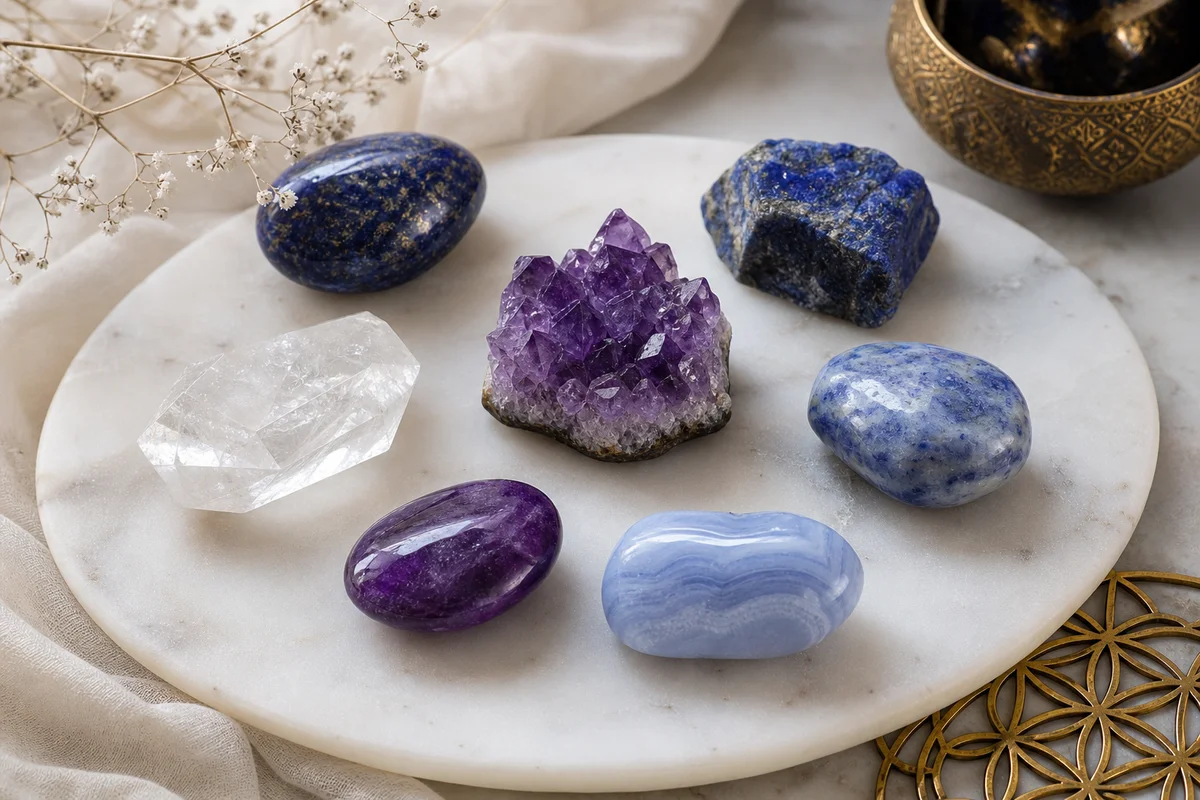
- Lapis lazuli has been prized for over 6,000 years. The ancient Egyptians ground it into powder to make ultramarine blue paint — one of the most expensive pigments in history.
- Sodalite often gets confused with lapis, but it doesn't have the gold specks (those are pyrite inclusions in lapis). Sodalite is more of a denim blue.
- Aquamarine literally means "water of the sea." It's a variety of beryl (the same mineral family as emerald) and can be found in colors ranging from pale ice blue to deep ocean blue.
Parent Tip
Lapis lazuli tumbled stones are usually $3–6 each and worth every penny. The contrast between deep blue and gold pyrite specks is genuinely stunning, even for adults. If your kid has been writing in their crystal journal all week, today is a great day to have them draw the stone and write down one fact they remember. No pressure — just a fun record of the week.
Day 6: Purple — Amethyst, Lepidolite, and Charoite
Purple day is the crowd-pleaser. Amethyst is probably the stone most kids already recognize, and it's a great entry point into talking about how one mineral (quartz) can come in so many different colors.
The Activity: The Purple Treasure Display
Have your kid create a "museum display" for their purple stone. This can be as simple as placing it on a piece of fabric with a hand-drawn label, or as elaborate as building a tiny cardboard museum case. Take a photo. This becomes a keepsake that documents the week.
Stone Facts to Share
- Amethyst is purple quartz. The color comes from natural irradiation and iron impurities. If you heat amethyst, it turns yellow — becoming citrine. (Remember Day 3? Full circle!)
- Lepidolite is a lithium-rich mica that's usually soft purple with a flaky, sparkly texture. It's literally the same lithium used in batteries and mood medications.
- Charoite is found almost exclusively in one place on Earth: the Chara River region in Siberia, Russia. Its swirling purple patterns look like a marble cake.
Parent Tip
Amethyst geodes (those hollow rocks lined with purple crystals) are available in small sizes for $8–15 and make a fantastic "graduation present" for completing the challenge. You can also find affordable amethyst points and clusters. For families wanting to go deeper into crystal identification, we have a guide on 15 types of quartz you probably didn't know existed — it's a fun read for older kids too.
Day 7: Rainbow Day — The Grand Finale
This is it. The big finish. Today you're putting all seven days together into one rainbow arrangement, and it's more satisfying than you'd expect.
The Activity: Build Your Stone Rainbow
Take all the stones from the week and arrange them in rainbow order: red → orange → yellow → green → blue → purple. If you have a piece of clear quartz or a stone with multiple colors (like tourmaline or iris agate), place it in the center as your "rainbow stone."
Now take a photo. Seriously. You'll want this.
Then have your kid do a "stone show" — hold up each stone, say its name, and share one fact they remember from the week. No grading, no pressure. Just a proud kid showing off what they learned.
Celebration Ideas
- Rainbow snack: Line up fruits in rainbow order (strawberries, oranges, banana, grapes, blueberries, plums) alongside the stones.
- Certificate: Print or draw a simple "Crystal Rainbow Challenge Complete!" certificate with their name on it.
- Crystal journal entry: Have them draw the full rainbow arrangement and write (or dictate) their favorite stone and why.
Parent Tip
My daughter still rearranges her "stone rainbow" on the windowsill about once a week, months later. It became a permanent fixture in her room. If this happens at your house, consider it a win — it means the learning stuck.
What to Do After the Challenge
The 7-day challenge is just the beginning. Here are ways to keep the momentum going without spending more money:
- Start a crystal journal: A simple notebook where your kid tapes or draws each new stone, writes its name, and notes where they found it. This builds writing and observation habits naturally.
- Rock painting: Grab some acrylic paints and turn plain garden rocks into "crystal" creations. Hide them around the neighborhood for others to find.
- Visit a rock shop or museum: Most natural history museums have mineral exhibits, and local rock shops are usually run by enthusiastic people who love showing kids around. Many will let kids handle specimens.
- Read together: Our roundup of the best crystal books includes several written specifically for children — perfect for keeping the curiosity alive between activities.
- Join a local rock club: Many cities have lapidary clubs or junior geologist programs that are free or very low cost.
A Few Final Safety Reminders
While most tumbled stones are perfectly safe for kids to handle, keep a few things in mind:
- Wash hands after handling any stone, especially malachite (copper content) and sulfur-bearing minerals.
- Avoid raw or unpolished specimens with sharp edges for young children.
- Supervise children under 3 — tumbled stones are small enough to be a choking hazard.
- Skip stones treated with dyes or coatings if your child is prone to putting things in their mouth.
The Crystal Rainbow Challenge isn't about creating a junior geologist in seven days. It's about spending a week noticing colors, touching real things from the Earth, asking questions together, and having fun doing it. If your kid ends up with a favorite stone and a new habit of looking closely at the world around them, that's a win in my book.
Grab some stones, clear off the kitchen table, and start with red. You've got this.
Related Guides
- Crystal Energy Guide: Healing Properties
- Colored Gemstones Buying Guide for Beginners
- Rose Quartz: Complete Guide to Meaning, Uses and Care
- Hematite: Why I Stopped Wearing My Hematite Ring
- Complete Guide to Crystal Healing and Energy Work
- Tourmaline Colors Complete Guide
- Charoite: The Purple Stone Discovered by Accident
Frequently Asked Questions
What crystals are safe for young children to handle during the challenge?
When doing crystal activities with kids, safety comes first! Tumbled stones and securely set jewelry are the safest options because they don't have sharp, fragile edges. Always supervise young children to prevent them from putting small stones in their mouths. At SagStone, we craft our natural crystal jewelry with secure settings so families can safely appreciate beautiful stones together.
Can we use our own crystal jewelry for the 7-day color challenge?
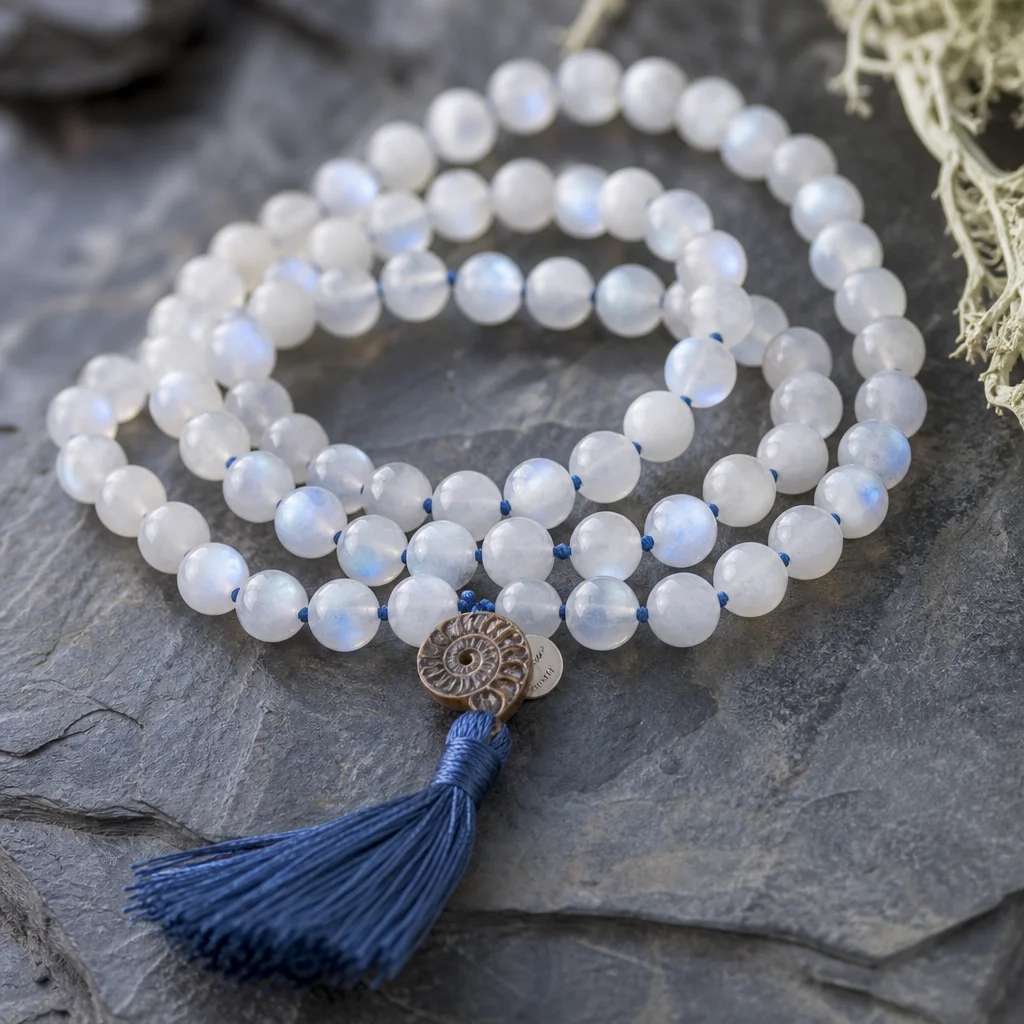
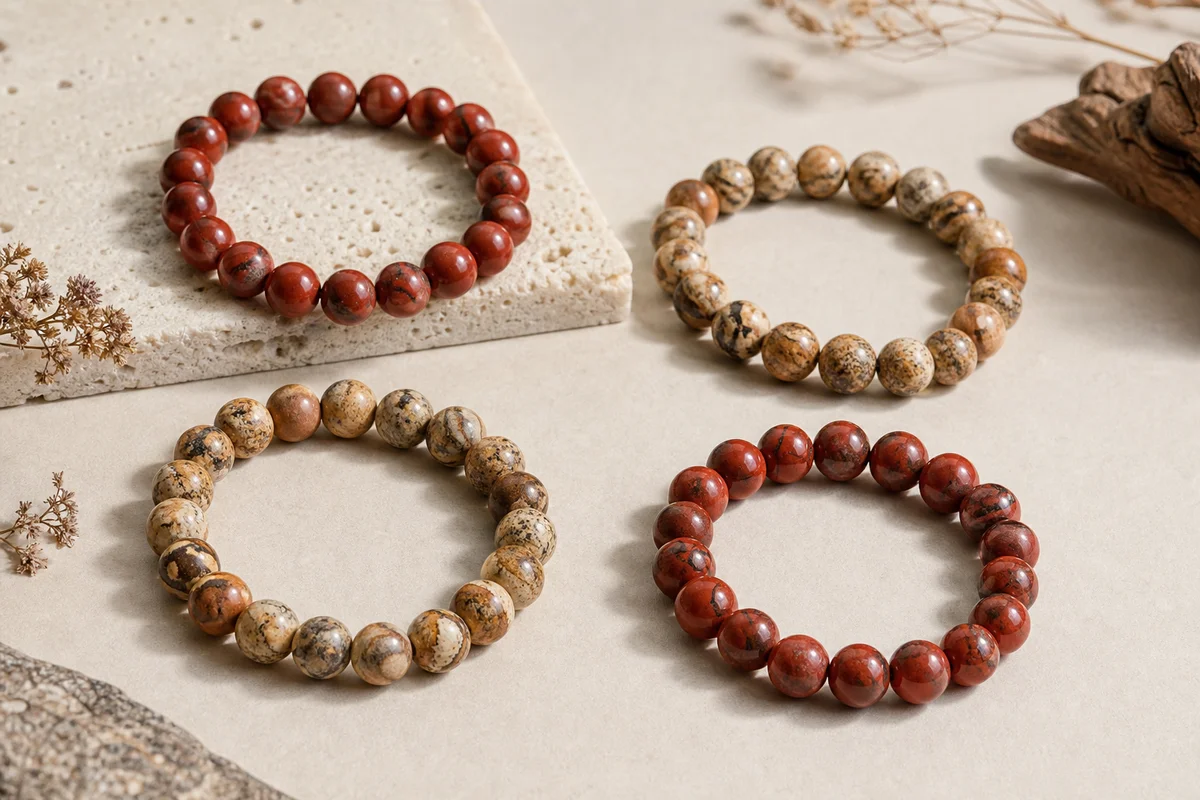
Absolutely! If you don't have a collection of raw rocks, you can easily use handcrafted crystal jewelry from your own collection. Have your child look at a pendant or beaded bracelet to identify the stone's color. This is a wonderful way to teach them about natural gemstones while enjoying your favorite SagStone artisan pieces together as a family.
How do you do a crystal color sorting activity with kids?
A crystal color sorting activity is simple and highly engaging. Gather several colorful, polished stones or jewelry pieces and ask your child to group them by color, matching them to a rainbow drawing. This hands-on sensory activity helps children learn their colors while developing a deeper appreciation for the stunning natural variations found in authentic gemstones.
What is the best way to introduce kids to natural stones?
The best way to introduce children to natural stones is through playful, visual observation. Focus on the vibrant colors, unique shapes, and fun names like "Fool's Gold" rather than complex geology. Let them hold safely tumbled stones or admire artisan jewelry. Associating crystals with exciting activities sparks a lifelong love for nature's beautiful art.
Comments