**Chrysocolla: The Copper Peace Stone Guide**
**The Alluring Charm of Chrysocolla**
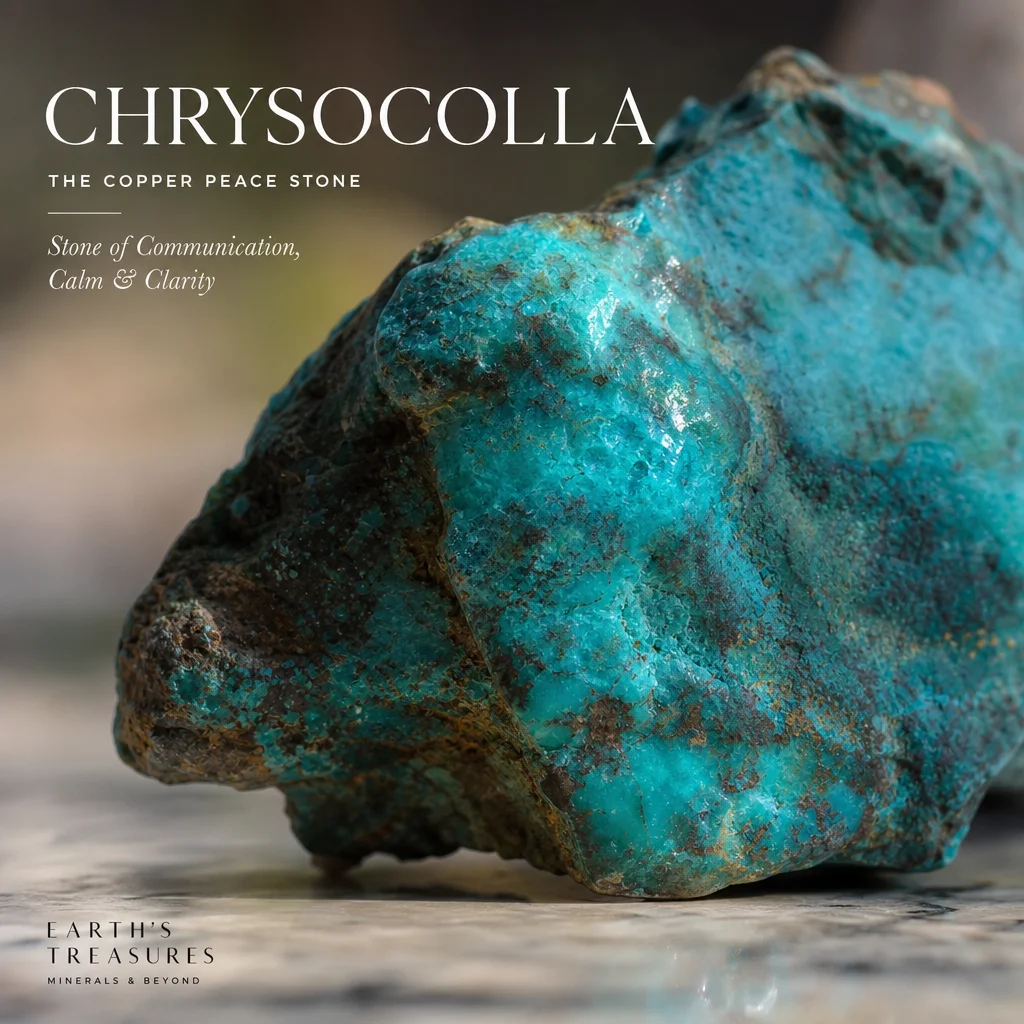
Chrysocolla has been gracing the eyes of crystal enthusiasts for centuries with its captivating greenish blue hue, resembling a tranquil body of water or the serenity of the heavens. This copper silicate mineral is the sister stone of turquoise, sharing a family resemblance yet displaying a unique personality. Often overlooked for its less-famous kin, chrysocolla stands as a beacon of calm and beauty. Let me take you on a journey through the fascinating world of chrysocolla, its mineralogical characteristics, its role in jewelry, and the rich blend of its cultural history.
**Mineralogy: Copper Silicate**
Chrysocolla is a copper silicate with the chemical formula CuSiO3. Its structure consists of copper, oxygen, and silicon arranged in a crystal lattice that gives rise to its characteristic color. It belongs to the phosphate group and often forms as an alteration product on feldspars or as veins in basaltic lavas. Its composition also includes a varying amount of water, which contributes to its sometimes translucent or pearly appearance.
The crystal system of chrysocolla is monoclinic, which means its crystal faces meet at an acute angle, and the crystals tend to grow in an elongated shape, often forming slender prisms or bladed structures. This mineral has a Mohs hardness ranging from 2 to 4, which means it is quite soft and should be handled with care.
**Formation & Sources**
Chrysocolla forms through the weathering of copper minerals and is commonly found in areas rich in copper deposits. The process of chrysocolla formation begins with the hydrothermal alteration of copper-bearing rocks, where the water becomes rich in copper. As this water moves through the rock, it precipitates out chrysocolla along the fractures and fissures, often creating striking veins or coatings on other minerals.
Major deposits of chrysocolla can be found in countries like Peru, Chile, Mexico, and the United States, with some notable occurrences in Nevada, California, and Colorado. These sites yield chrysocolla in various forms, from delicate veining on malachite to botryoidal growths that resemble clusters of grapes.
**Color Varieties**
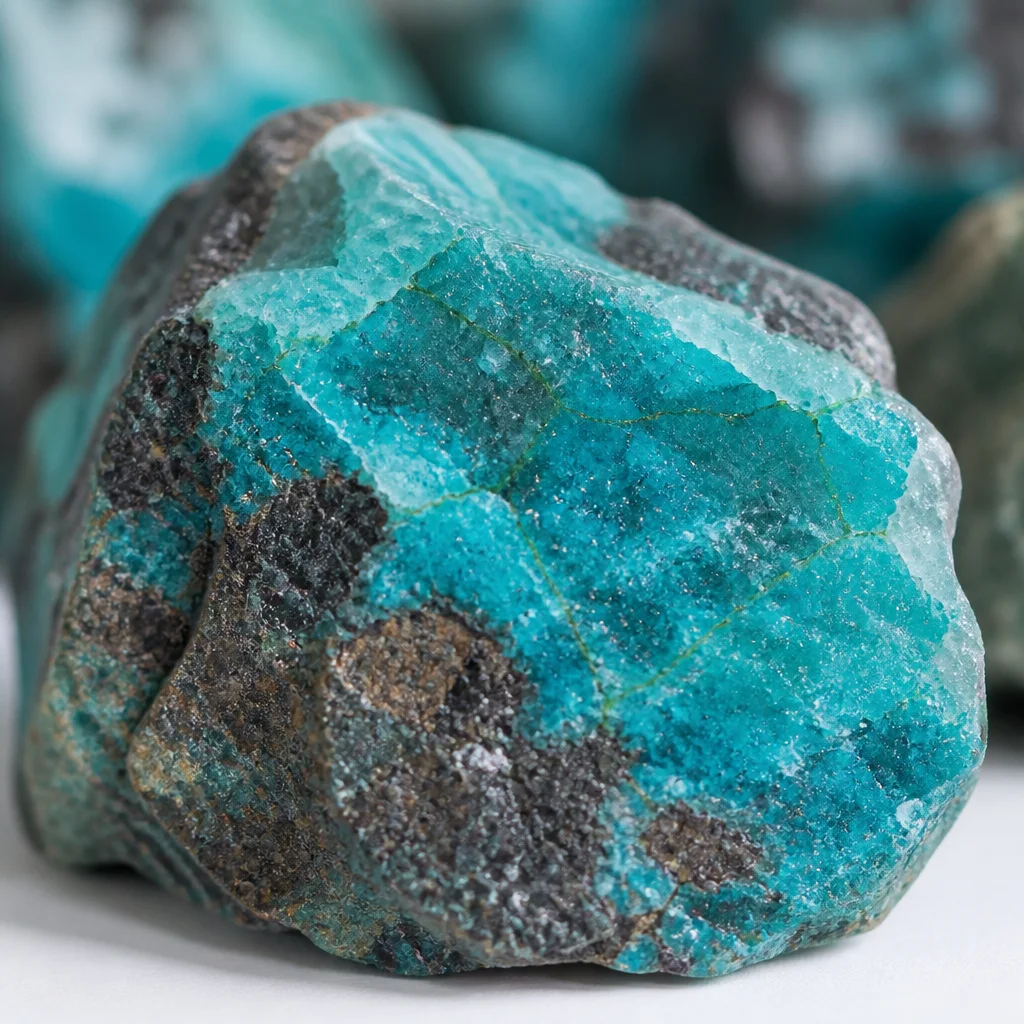
The color of chrysocolla ranges from pale blue-green to vivid turquoise, and in some cases, it can even appear in shades of apple green or blue-green. The coloration is due to the varying amount of copper in the crystal lattice. The intensity and uniformity of color are often the hallmarks of high-quality chrysocolla specimens.
One variety of chrysocolla, known as "Easter Egg Chrysocolla," is prized for its bright apple green color. It is typically found in the USA and has a very unique look that can evoke the beauty of an eggshell. Another striking variety is the "Turritella Chrysocolla," which exhibits a spiraling, shell-like structure, reminiscent of the Turritella sea snail.
**Comparing Chrysocolla to Turquoise and Malachite**
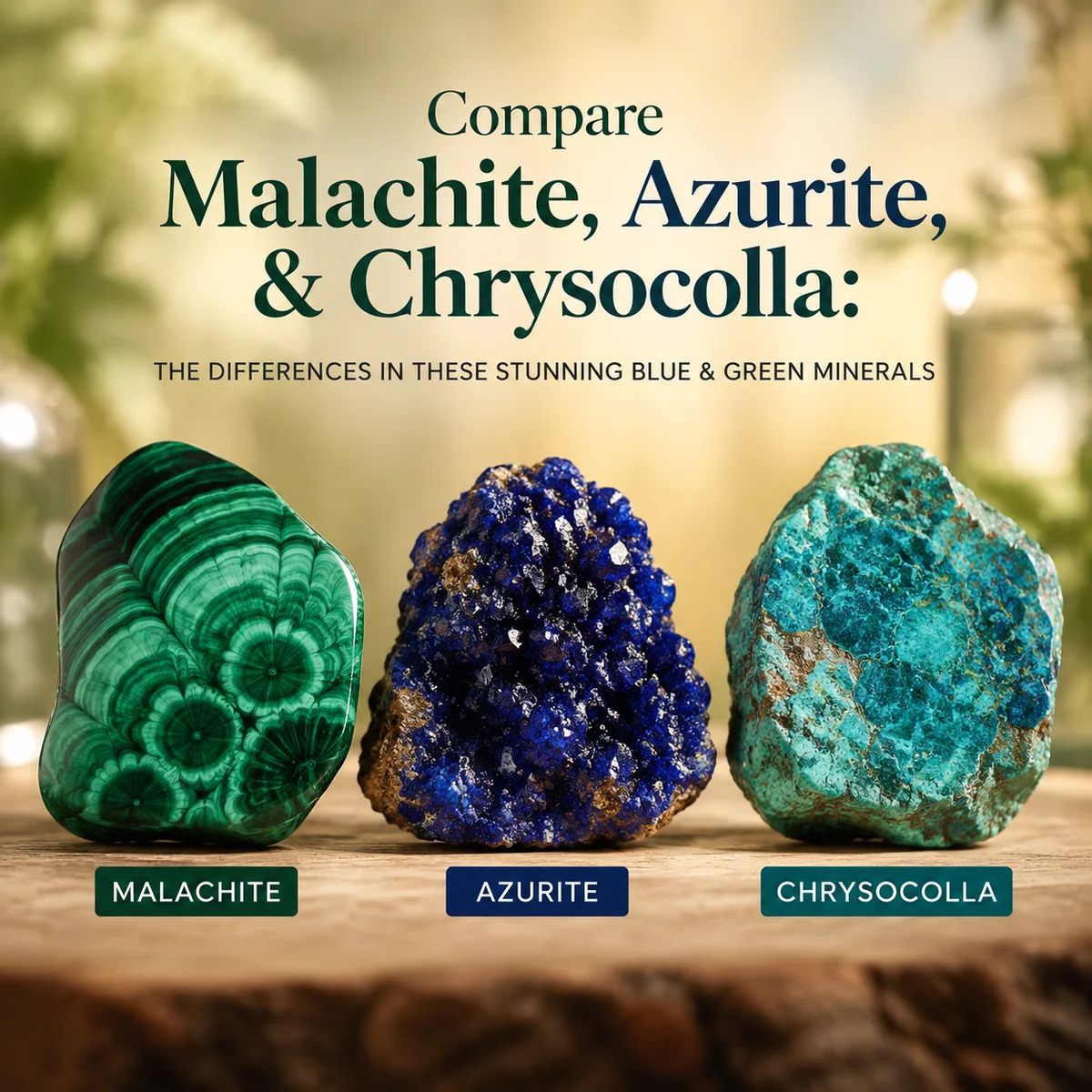
While chrysocolla is often confused with turquoise, the two minerals are distinct. Turquoise is a hydrous phosphate mineral, and while it also features a blue-green hue, it lacks the silicate composition and typically has a higher hardness (6-7 on the Mohs scale). The color of turquoise is also less consistent and often exhibits more blue, with the green hues tending to be a secondary coloration.
Malachite, another mineral often compared to chrysocolla, is a carbonate mineral that also shares the vibrant green hues but with a much harder and more crystalline structure. While malachite and chrysocolla are similar in color, the former tends to have a more metallic luster and can sometimes form a web-like pattern.
**Chrysocolla in Jewelry**
The use of chrysocolla in jewelry is not as widespread as its counterparts like turquoise or lapis lazuli, but it certainly holds its own in the world of wearable art. Due to its relatively soft nature, chrysocolla is usually cut into cabochons or beads and used sparingly to enhance other stones.
When setting chrysocolla in jewelry, jewelers often have to account for its brittleness. Its softness also makes it prone to scratches, which is why many pieces featuring chrysocolla are crafted in gold to prevent metal tarnish from discoloring the stone.
**Care for Chrysocolla**
Chrysocolla jewelry should be treated with the utmost care. The mineral's softness and the potential for color fading or scratching necessitate special attention. Here are a few tips for maintaining the beauty of your chrysocolla pieces:
- Keep your chrysocolla jewelry away from chemicals, which can include perfumes, household cleaners, and even saltwater.
- Avoid prolonged exposure to direct sunlight or heat, which can lead to discoloration or cracking.
- Clean your chrysocolla jewelry with a soft cloth and mild soapy water. Do not submerge it in water for an extended period.
**Cultural History**
Throughout history, chrysocolla has held a special place in the hearts of cultures worldwide. Ancient Egyptians and Greeks both prized this stone for its lustrous appearance and calming energy. In Egyptian hieroglyphs, chrysocolla was sometimes depicted, suggesting it was associated with deities like Hathor, the goddess of joy and beauty.
The Navajo and Zuni tribes in the Southwestern United States also revered chrysocolla. To the Navajo, it was believed to have healing properties and was often included in ritual offerings and ceremonial masks. The Zuni people associated it with water spirits and incorporated it into jewelry and carvings to bring tranquility and peace.
**FAQ**
Q: Can chrysocolla be used in place of turquoise?
While both chrysocolla and turquoise are sought after for their blue-green colors, they have different chemical compositions and physical properties. Chrysocolla is a copper silicate and can be softer, whereas turquoise is a hydrous phosphate mineral. They each bring their own unique characteristics to jewelry.
Q: How do you identify chrysocolla in nature?
Chrysocolla is often identified by its distinct coloration and texture. Look for its vivid blue-green hue, sometimes with a pearly or iridescent sheen. Its translucent or opaque appearance, often in leaf-like or fibrous formations, can also help in its identification.
Q: Are there any other varieties of chrysocolla?
Yes, in addition to the more common green chrysocolla, there are varieties such as "Easter Egg Chrysocolla" with its apple green color and the "Turritella Chrysocolla" with its shell-like, spiraling growth patterns. These variations add to the stone's diverse and interesting qualities.
Q: Is chrysocolla safe for wear?
Chrysocolla is generally safe for wear but should be treated with care. It is a soft stone that can scratch or discolor if not handled properly. Always avoid chemicals, harsh cleaners, and direct sunlight to keep your chrysocolla jewelry looking its best.
As you explore the world of chrysocolla, you will discover its charm is not just skin deep; it extends into its historical and cultural significance, as well. Its journey from ancient rituals to modern-day adornment is a sign of its timeless appeal. So the next time you gaze upon a piece of chrysocolla, remember its story, and let it remind you of the calm, serene beauty that can be found in nature's creations.
Practical Tips & Common Mistakes
Understanding chrysocolla's properties is key to maximizing its benefits:
- Use it for meditation: Place a chrysocolla crystal on your meditation altar to enhance your focus and promote a sense of peace.
- Avoid direct sunlight: Prolonged exposure to sunlight can fade the vibrant colors of chrysocolla.
- Be mindful of water: While chrysocolla is a water-loving stone, avoid submerging it in water as it can absorb moisture and lead to cracking.
- Understand its formation: Chrysocolla forms in copper-rich environments, so it's often found in association with other copper minerals.
- Respect its chakra associations: Chrysocolla is associated with the heart chakra, so use it to open and balance this energy center.
Care & Maintenance Guide
Proper care ensures your chrysocolla remains vibrant and effective:
- Regular cleaning: Use a soft cloth to wipe down your chrysocolla jewelry or crystal to remove any dust or oils.
- Avoid harsh chemicals: Never use harsh chemicals or ultrasonic cleaners as they can damage the stone's surface.
- Store properly: Keep your chrysocolla in a cool, dry place away from other stones to prevent scratching or color fading.
- Charge it regularly: Place your chrysocolla in moonlight or under a clear quartz cluster to recharge its energy.
- Use a soft cloth: For deeper cleaning, use a soft cloth with a gentle crystal cleaner specifically designed for copper silicate stones.
Frequently Asked Questions
What is the best way to cleanse a chrysocolla crystal?
Chrysocolla can be cleansed using sage smudging, running it under cool water, or placing it in moonlight overnight.
Can chrysocolla be used in healing practices?
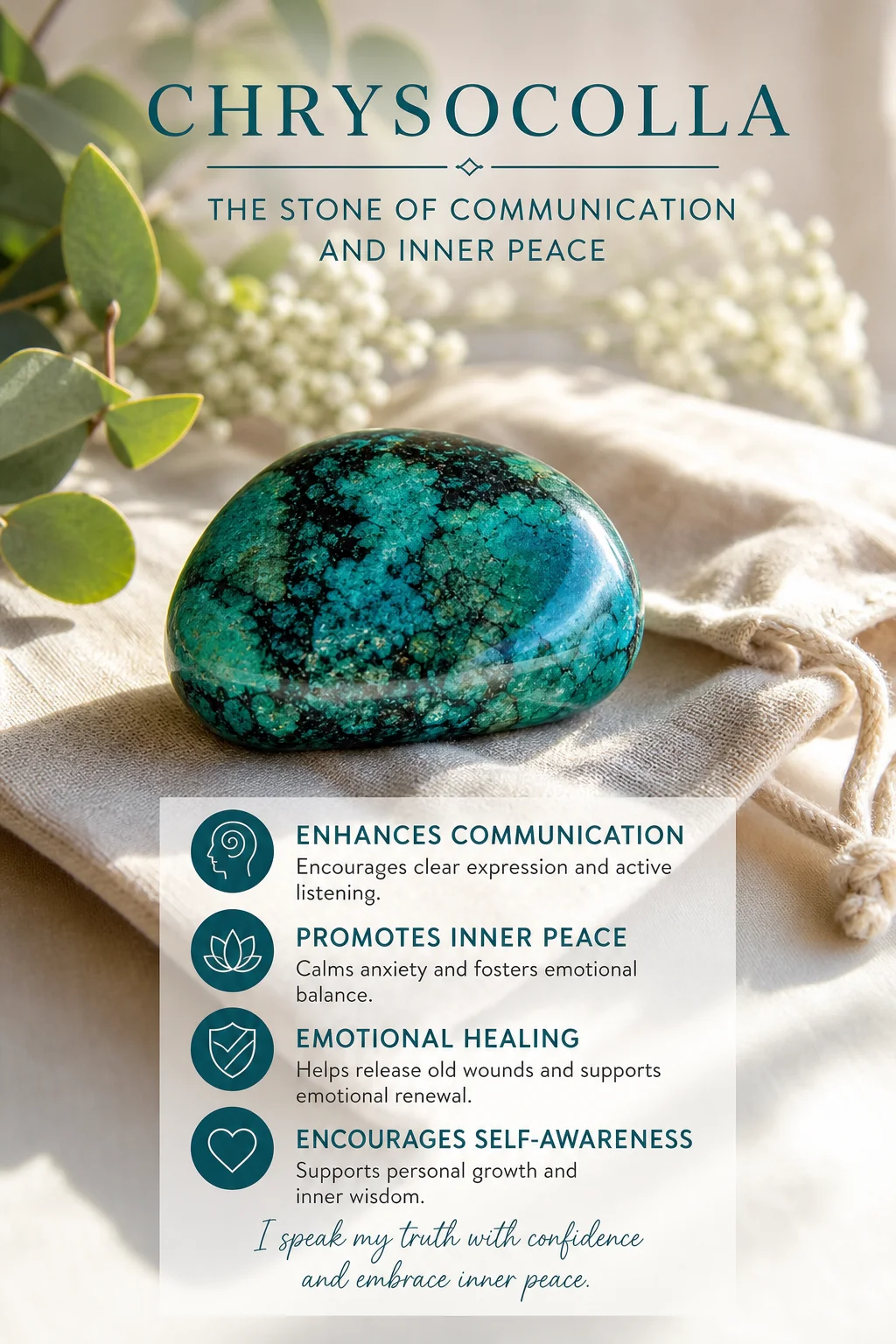
Yes, chrysocolla is commonly used in healing practices to promote emotional balance and relieve stress.
How can I tell if my chrysocolla is genuine?
Look for a consistent greenish blue color, a waxy luster, and a smooth texture. Genuine chrysocolla should not be brittle or have a pitted surface.
Is chrysocolla a good stone for those with anxiety?
Yes, chrysocolla is often recommended for those with anxiety due to its calming properties and its ability to open the heart chakra.
Understanding the Basics
This section covers important aspects of understanding the basics. For detailed information, please refer to the FAQ section below.
Key Factors to Consider
This section covers important aspects of key factors to consider. For detailed information, please refer to the FAQ section below.
Step-by-Step Instructions
This section covers important aspects of step-by-step instructions. For detailed information, please refer to the FAQ section below.
Comments