Chrysocolla Healing Properties: The Communication Stone Explained
What Is Chrysocolla, Exactly?
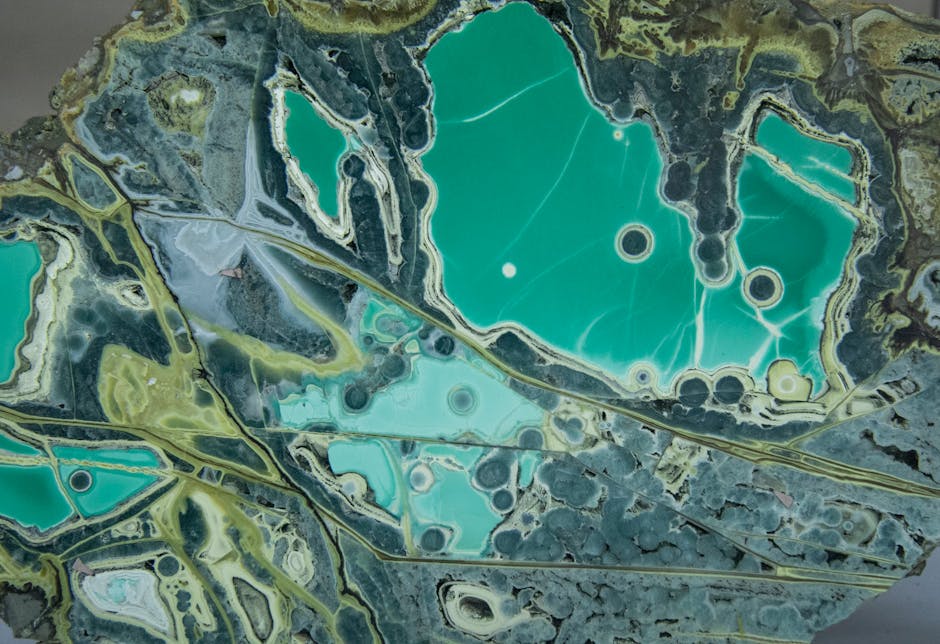
If you've spent any time browsing crystal shops or scrolling through gemstone feeds, you've probably noticed chrysocolla. It's that vivid blue-green stone that looks like someone poured the ocean into a rock. Some pieces have swirling bands of turquoise, teal, and deep ocean blue, while others show delicate patterns that resemble a satellite image of Earth.
Chrysocolla is a copper silicate mineral. It forms in the oxidation zones of copper deposits, which is why you'll often find it near malachite, azurite, and turquoise. The copper content gives it that signature color range, from soft robin's egg blue to rich teal to greenish-blue that borders on turquoise territory.
The name comes from the Greek words "chrysos" (gold) and "kolla" (glue), because ancient goldsmiths used it as a soldering agent when working with precious metals. That's a pretty practical origin story for a stone that now sits on meditation altars and in crystal collections around the world.
On the Mohs hardness scale, chrysocolla lands between 2 and 4, which means it's relatively soft. You won't want to wear it in a ring that takes daily knocks, but it works beautifully in pendants, earrings, and pieces that don't get a lot of rough contact. Some chrysocolla is mixed with quartz or silica, which hardens it up and makes it more durable for jewelry use. You'll see this sold as "gem silica" or "chrysocolla chalcedony," and it commands a higher price because it can actually hold up to everyday wear.
Where Does Chrysocolla Come From?
Major deposits exist in several countries, but the most sought-after material comes from a few specific locations. The Democratic Republic of Congo produces some of the most vibrant, deeply colored chrysocolla on the market. Arizona and New Mexico in the United States have been producing chrysocolla for decades, and American collectors often prize the material from the Inspiration Mine in Arizona for its rich color and interesting patterns.
Peru, Chile, and Russia also produce significant amounts. Israeli chrysocolla, often called "Eilat stone," is a naturally occurring mix of chrysocolla, malachite, and turquoise that comes from the copper mines near the Red Sea. It's been used in jewelry in that region for thousands of years.
The geological conditions that create chrysocolla are pretty specific. You need copper deposits near the surface that interact with groundwater containing silicic acid. Over time, the copper minerals break down and recombine with silica to form chrysocolla. This process creates the layered, banded patterns that make each piece unique. No two stones look exactly alike, which is part of the appeal.
Chrysocolla in Historical Context
Cleopatra reportedly wore chrysocolla, though that claim gets tossed around for so many gemstones that it's hard to verify. What we do know is that the stone has been used for thousands of years across multiple civilizations. Ancient Egyptians used it as a pigment and in ornamental objects. The Romans used it for soldering, which is where the name comes from.
In many Indigenous cultures of the Americas, chrysocolla has been valued for its beauty and was often worked into decorative items and ceremonial objects. Native American silversmiths in the Southwest have been incorporating chrysocolla into jewelry alongside turquoise for generations, and it remains a popular choice in that tradition today.
During the Renaissance, chrysocolla was ground into pigment for blue-green paint. Some art historians believe it was used in certain paintings, though it was less common than azurite or malachite as a pigment source because it's harder to process into a stable color.
The Communication Stone: Traditional Associations
In crystal traditions, chrysocolla is most commonly associated with communication and expression. It's often called the "stone of communication" or "teacher's stone." The idea is that its energy encourages clear, calm, and honest expression of thoughts and feelings.
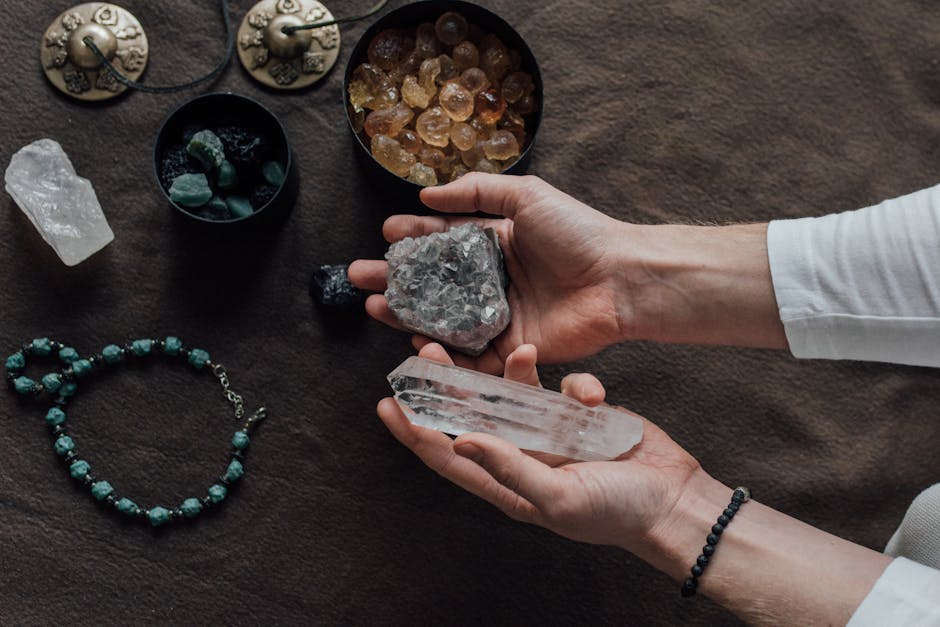
Some practitioners place chrysocolla near the throat when meditating, drawing a connection between the stone's blue-green color and the throat area. Others keep it on their desk while writing or speaking, using it as a focal point to stay calm and articulate during conversations that require diplomacy.
Traditionally, chrysocolla has also been associated with emotional balance. The blend of blue and green in the stone is said to represent the balance between speaking your truth and listening with empathy. Whether or not you subscribe to these ideas, there's something genuinely calming about holding a piece of chrysocolla and focusing on its colors. The visual effect alone can help center your thoughts, which is probably why people have been drawn to it for thousands of years.
Some crystal workers also associate chrysocolla with feminine energy and empowerment. It's sometimes recommended for people going through life transitions who want to feel more grounded and self-assured. Again, these are cultural traditions rather than scientifically verified properties, but they've persisted across many different societies for a very long time, which suggests the stone has a meaningful place in human experience, even if that meaning is largely symbolic.
Chrysocolla vs. Turquoise: How to Tell Them Apart
This is one of the most common questions people ask, and it's a fair one. Both stones can be blue-green, both have been used in jewelry for thousands of years, and both are copper minerals. But they're quite different when you know what to look for.
Color is the first clue. Turquoise tends to be a more uniform blue or blue-green, sometimes with brown or black matrix veining. Chrysocolla has a wider color range and often shows multiple shades in a single piece, from deep blue to bright teal to green. The patterns in chrysocolla tend to be more flowing and layered, almost like watercolors.
Hardness is another distinguishing factor. Turquoise rates 5-6 on the Mohs scale, making it noticeably harder than most chrysocolla (2-4). If you're shopping for jewelry, a piece that holds up to daily wear is more likely to be turquoise or a chrysocolla-quartz mix rather than pure chrysocolla.
Chemically, turquoise is a hydrated copper aluminum phosphate, while chrysocolla is a hydrated copper silicate. They form in similar environments but under different conditions, which is why you sometimes find them together in the same deposit. When they're intergrown, the result can be stunning, with both minerals contributing their colors to a single piece.
How to Choose Quality Chrysocolla
When you're shopping for chrysocolla, color is usually the first thing to consider. The most prized pieces have vivid, saturated color without being too dark or muddy. A bright, clear blue-green with visible banding or patterns tends to be more valuable than a uniformly dull piece.
Stability matters a lot. Pure chrysocolla is soft and porous, which means it can absorb oils from your skin, change color over time, or even crumble if it gets too dry. Look for chrysocolla that has been stabilized or is naturally intergrown with quartz. Gem silica, which is chrysocolla that has been naturally silicified, is the most durable form and also the most expensive.
If you're buying chrysocolla for jewelry, ask about whether it's been treated or stabilized. There's nothing wrong with stabilized stone; it just means a resin or polymer has been used to harden and protect the natural material. This is actually a good thing for pieces you plan to wear regularly. Untreated, high-quality chrysocolla is better suited for display pieces or occasional wear jewelry like pendants.
Avoid pieces that look suspiciously bright or uniform. Some low-quality chrysocolla gets dyed to enhance the color, and while this is common in the market, it's worth knowing what you're getting. Natural chrysocolla has color variations and patterns that are hard to perfectly replicate with dye.
Caring for Your Chrysocolla
Because chrysocolla is relatively soft and can be porous, it needs gentler care than harder gemstones. Avoid ultrasonic cleaners and steam cleaners entirely. The vibrations and heat can damage or even crack the stone. Stick to warm water, mild soap, and a soft cloth or brush.
Store chrysocolla separately from harder stones. It can get scratched by quartz, topaz, sapphire, and even some of the harder feldspars. A soft pouch or a lined jewelry box compartment works well. Keep it away from direct sunlight for extended periods, as the color can fade with prolonged UV exposure, especially in lighter-colored pieces.
Don't wear chrysocolla while doing household chores, swimming, or bathing. Chemicals, including chlorine, can damage the stone. Perfumes, lotions, and hairsprays should be applied before you put on your chrysocolla jewelry, not after.
If your chrysocolla starts looking dull, a quick wipe with a damp, soft cloth is usually all it needs. For a deeper clean, use lukewarm water with a tiny drop of mild dish soap. Let it air dry completely before storing it. Some people apply a very thin coat of mineral oil to porous chrysocolla to keep it from drying out, but this is a personal preference and not strictly necessary if the stone has been stabilized.
Is Chrysocolla Right for Your Collection?
Chrysocolla occupies an interesting space in the gemstone world. It's not as widely known as turquoise or lapis lazuli, but it's beloved by people who appreciate its unique color range and patterns. It's a stone that rewards close inspection; the more you look at a good piece, the more detail you notice in the banding and color transitions.
For collectors, the variety within chrysocolla is part of the appeal. A collection could include American mining specimens with earthy matrix, Congolese pieces with intense color, Israeli Eilat stone with its natural turquoise-malachite mix, and gem silica with its translucent depth. Each type has its own character.
For jewelry lovers, chrysocolla offers colors that are hard to find in other stones. That particular blue-green that shifts between ocean and sky doesn't really exist in any other natural gemstone. Paired with silver, it looks clean and modern. With gold, it takes on a warm, earthy quality that works well in bohemian and Southwestern styles.
Whether you're drawn to chrysocolla for its traditional associations with communication and balance, or simply because you think it's beautiful, it's a stone worth getting to know. Just handle it with the care its relative softness demands, and it'll stay looking great for years.
Comments