Amethyst vs Citrine: Same Mineral, Different ...
May 29, 2026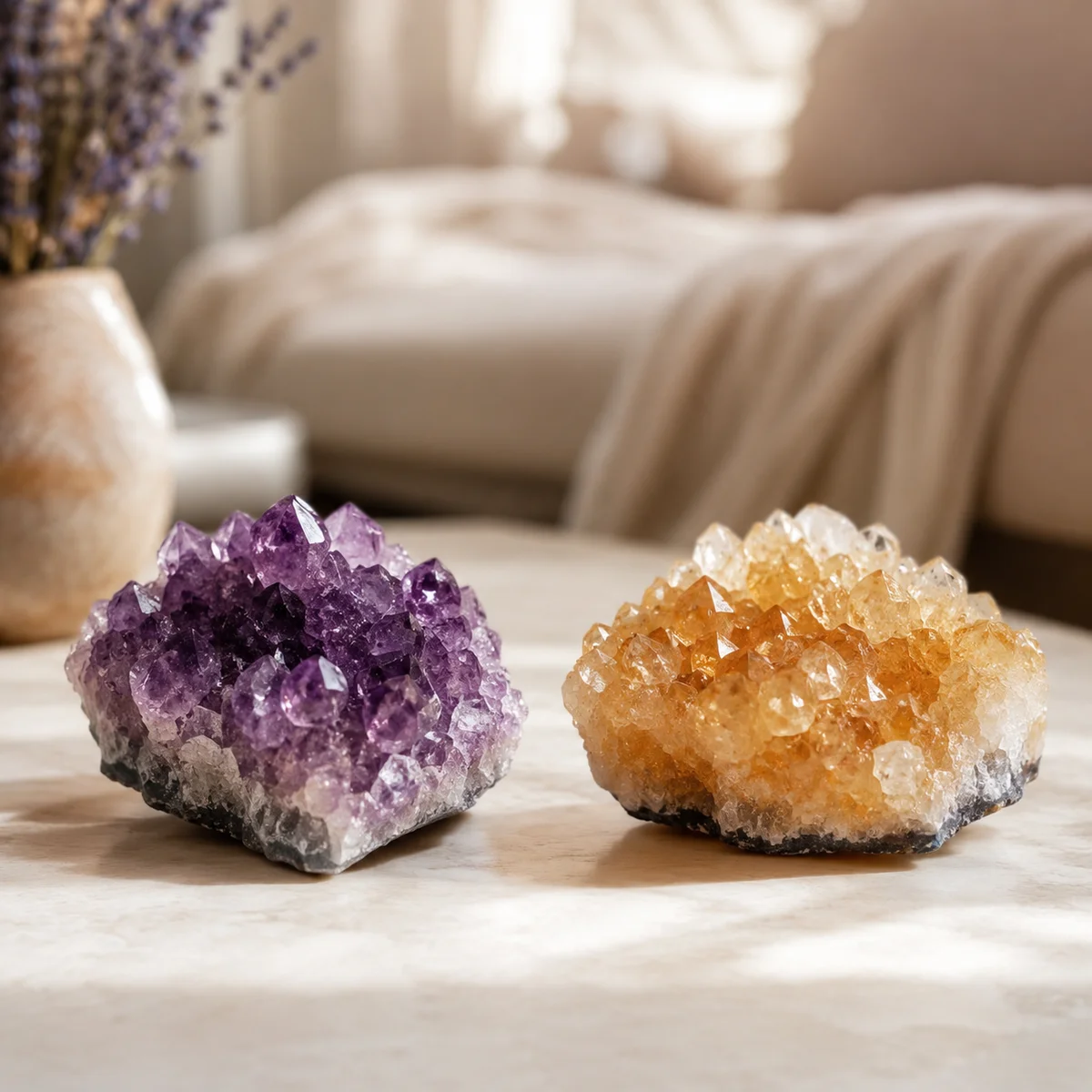
Here is a fact that surprises a lot of people: amethyst and citrine are the exact same mineral. Both are silicon dioxide (SiO₂), both crystallize in the trigonal system, and both are varieties of macrocrystalline quartz. The difference comes down to trace amounts of iron and the temperature at which the crystal formed or was later heated.
Understanding this relationship changes how you think about both stones — and it might change how you shop for them, too.
The Science Behind the Colors
Amethyst gets its purple color from iron ions (Fe³⁺) trapped in the quartz lattice that have been exposed to natural radiation. The radiation knocks electrons out of their normal positions, creating "color centers" that absorb specific wavelengths of light and transmit purple.
Citrine's yellow-to-orange color comes from iron in a different oxidation state (Fe²⁺) or from colloidal iron particles dispersed through the crystal. The key variable is heat. When amethyst is heated to approximately 450-550°C (840-1020°F), the purple color centers are destroyed and the iron reorganizes into a configuration that produces yellow to golden-orange hues.
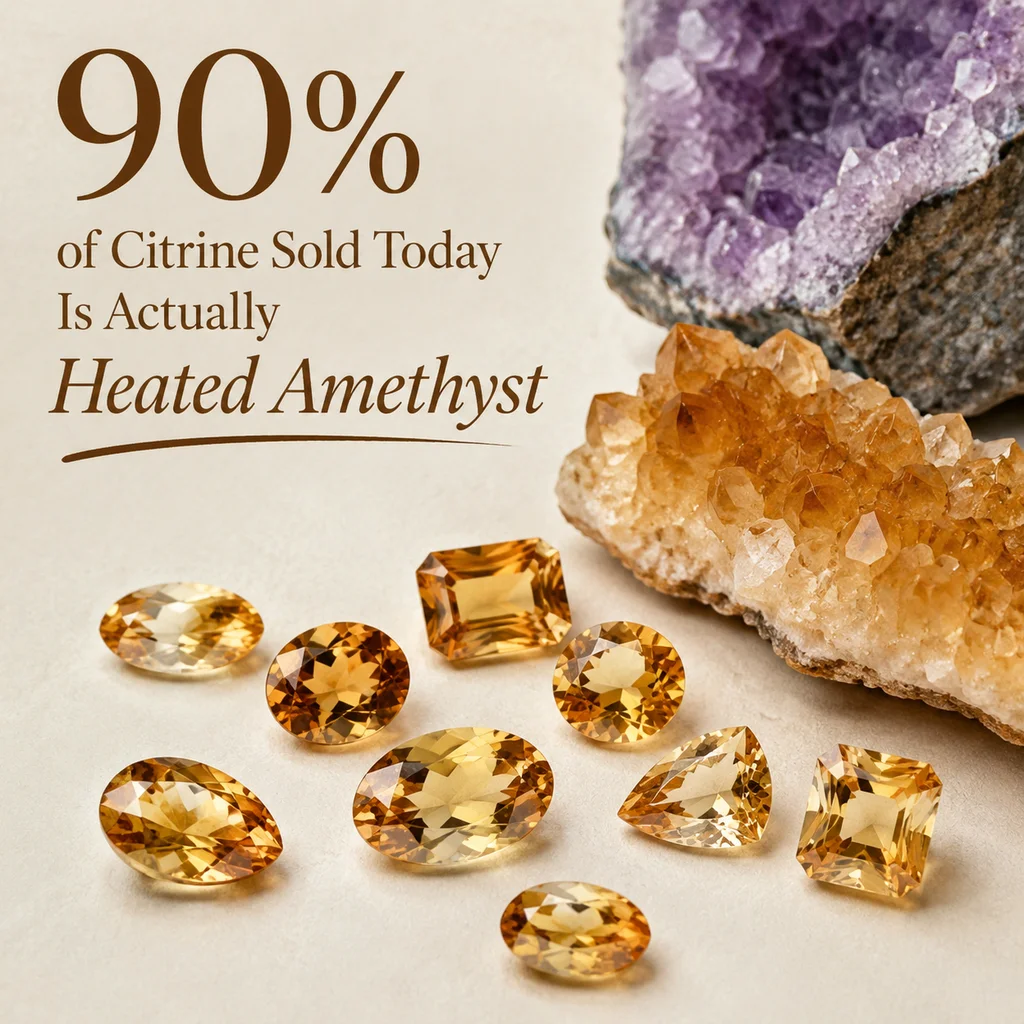
This transformation happens naturally in some geological settings — volcanic activity or deep burial can provide the necessary heat. But it also happens in factories. A lot of the citrine you see in jewelry stores started life as amethyst and was heated in a kiln.
Natural Citrine vs Heated Citrine
This is where things get interesting — and where buyers need to pay attention.
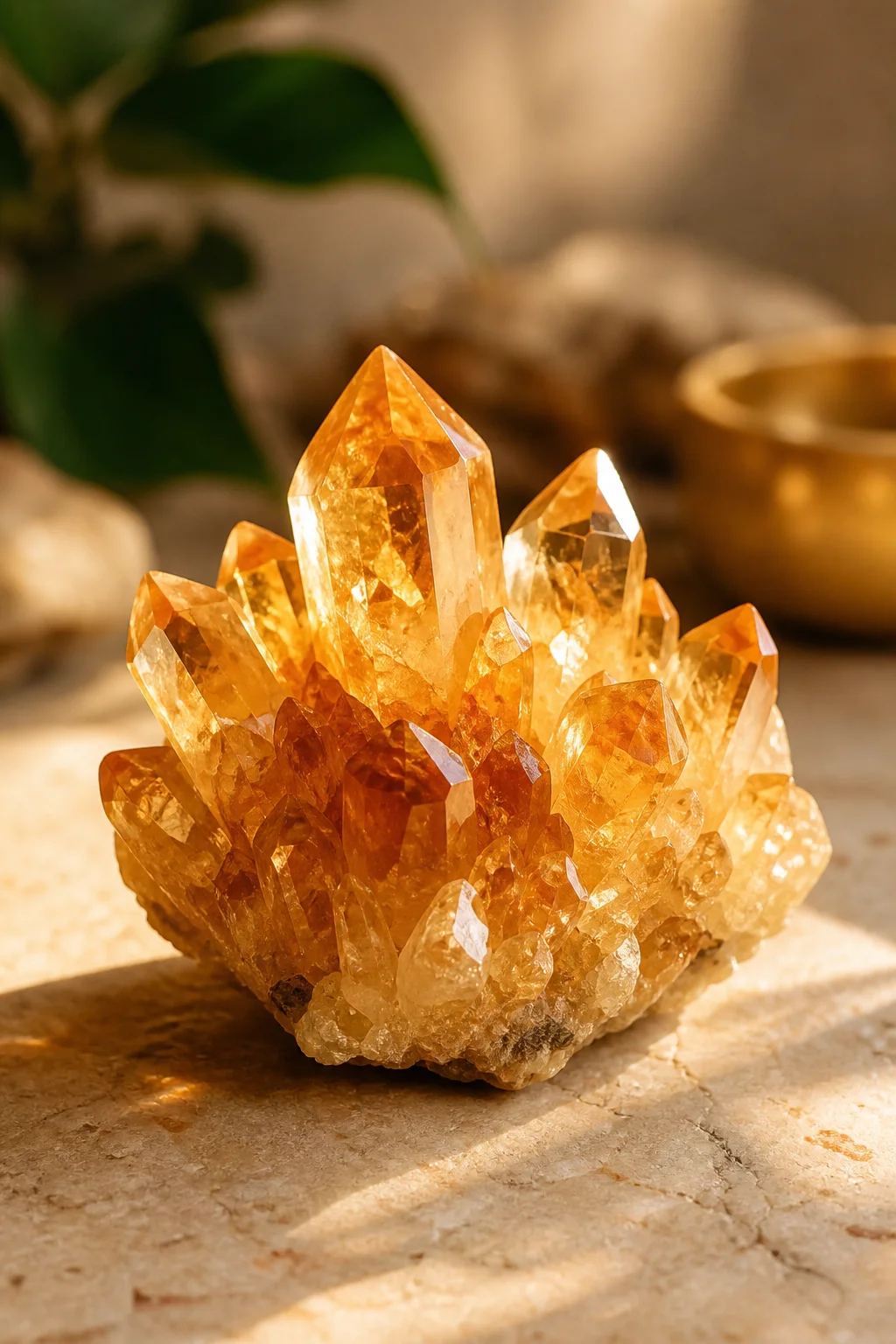
Natural citrine is relatively rare. It forms when iron-bearing quartz is heated by geological processes (volcanic activity, geothermal fluids) to the right temperature range. Major sources include Brazil (the Serra and Rio Grande do Sul deposits), Madagascar, Russia (the Ural Mountains), and Spain. Natural citrine tends to have a pale yellow to honey-amber color, sometimes with a smoky undertone.
Heated citrine (also called "burnt amethyst") is vastly more common. Most estimates put it at 90% or more of the citrine on the commercial market. You can identify it by looking for a few telltale signs:
- Color distribution: Heated citrine often has a reddish-orange tint that natural citrine rarely shows. The color can be uneven, concentrated near the tips of crystals or following the original amethyst color zoning.
- Crystal habit: If the specimen looks like an amethyst crystal (elongated prismatic with a terminated point) but is yellow, it was almost certainly heated. Natural citrine crystals tend to be shorter and stubbier.
- Transparency in color zones: Heated citrine sometimes shows residual purple zoning — faint bands of purple that did not fully convert during heating. Hold the stone up to strong light and look carefully.
- Price: If the price seems too good for a large, deeply colored citrine, it is probably heated amethyst. Natural citrine of equivalent quality would cost significantly more.
Ametrine: Nature's Two-for-One
If amethyst and citrine are the same mineral that just needs different temperatures to change color, what happens when nature provides a temperature gradient within a single crystal?
You get ametrine — a single quartz crystal that is part purple and part yellow. The world's only commercially significant source of natural ametrine is the Anahí Mine in eastern Bolivia. The mine sits on a geological boundary where amethyst-forming conditions and citrine-forming conditions overlap, producing crystals with sharp color zones.
Genuine ametrine is relatively expensive because of its single-source origin. Lower-priced "ametrine" on the market is often produced by heat-treating amethyst in a way that only partially converts the purple to yellow — essentially making synthetic ametrine from amethyst. As with heated citrine, this is not "fake" but should be disclosed and priced accordingly.
Hardness, Durability, and Wearability
Since both stones are quartz, they share identical physical properties: hardness 7 on the Mohs scale, no cleavage, and a conchoidal fracture. This makes both excellent choices for all types of jewelry — rings, bracelets, pendants, earrings. They will withstand daily wear better than stones like fluorite (4) or apatite (5).
One practical difference: amethyst is somewhat more prone to color fading from prolonged UV exposure than citrine. Extended sun exposure — months on a windowsill — can bleach the purple to a pale lavender. Citrine is more color-stable because the yellow-producing iron configuration is thermally robust (heat made it, and it takes heat to unmake it).
Uses and Traditional Associations
Amethyst has been associated with clarity, calm, and sobriety for thousands of years. The Greek word "amethystos" means "not intoxicated," and ancient Greeks carved drinking vessels from amethyst in the belief that it would prevent drunkenness. Whether or not you share that belief, the stone's cool purple tones do project a sense of calm that many people find appealing for meditation spaces and bedroom decor.
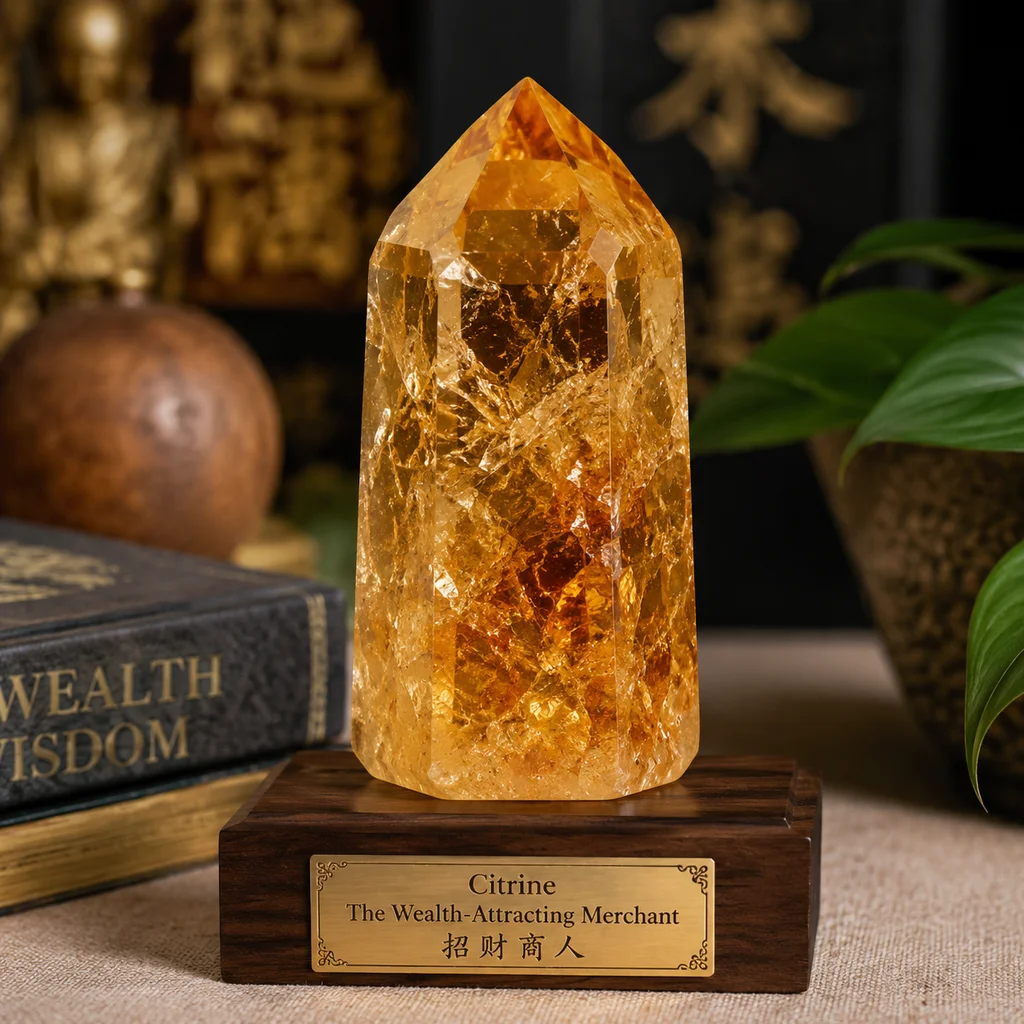
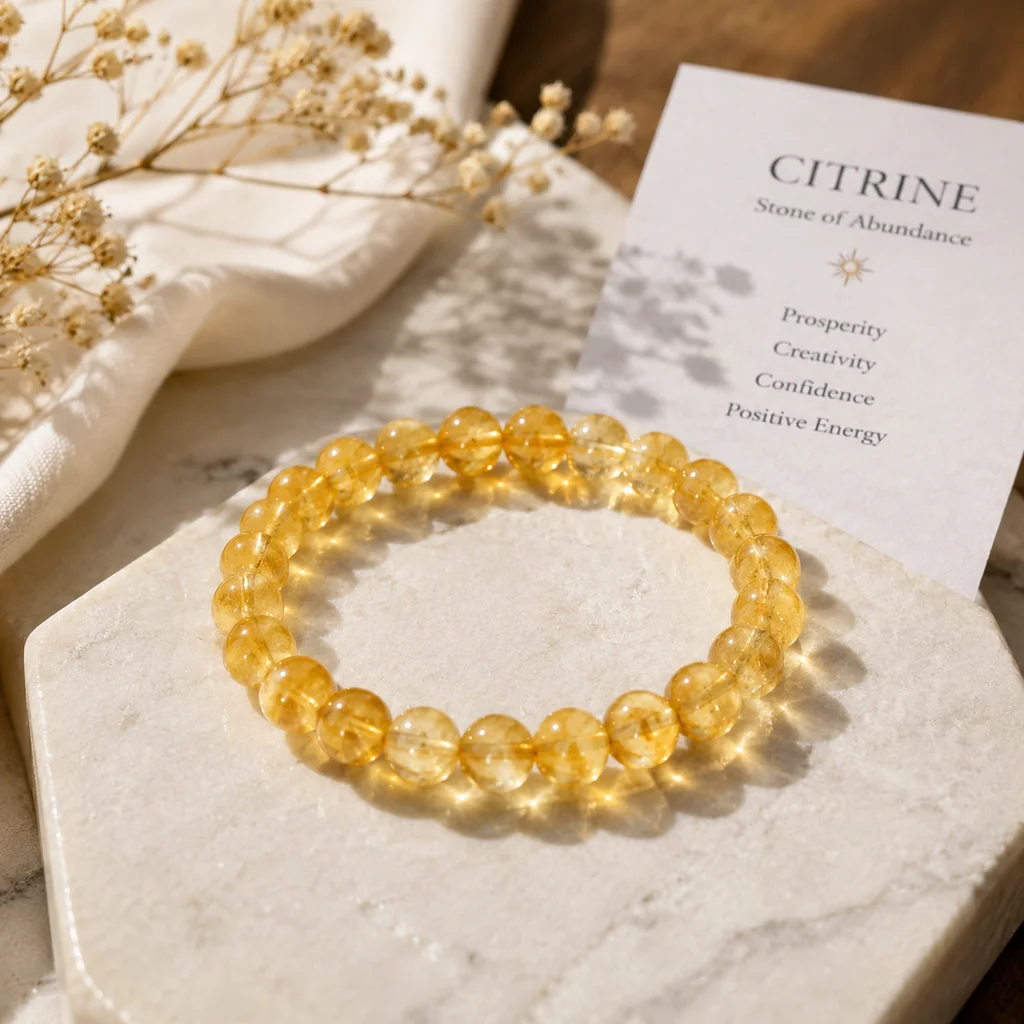
Citrine's warm golden tones have traditionally been linked with warmth, energy, and prosperity. In the 19th century, it was sometimes called "the merchant's stone" because merchants kept a citrine in their cash boxes. The association with abundance persists in crystal culture today.
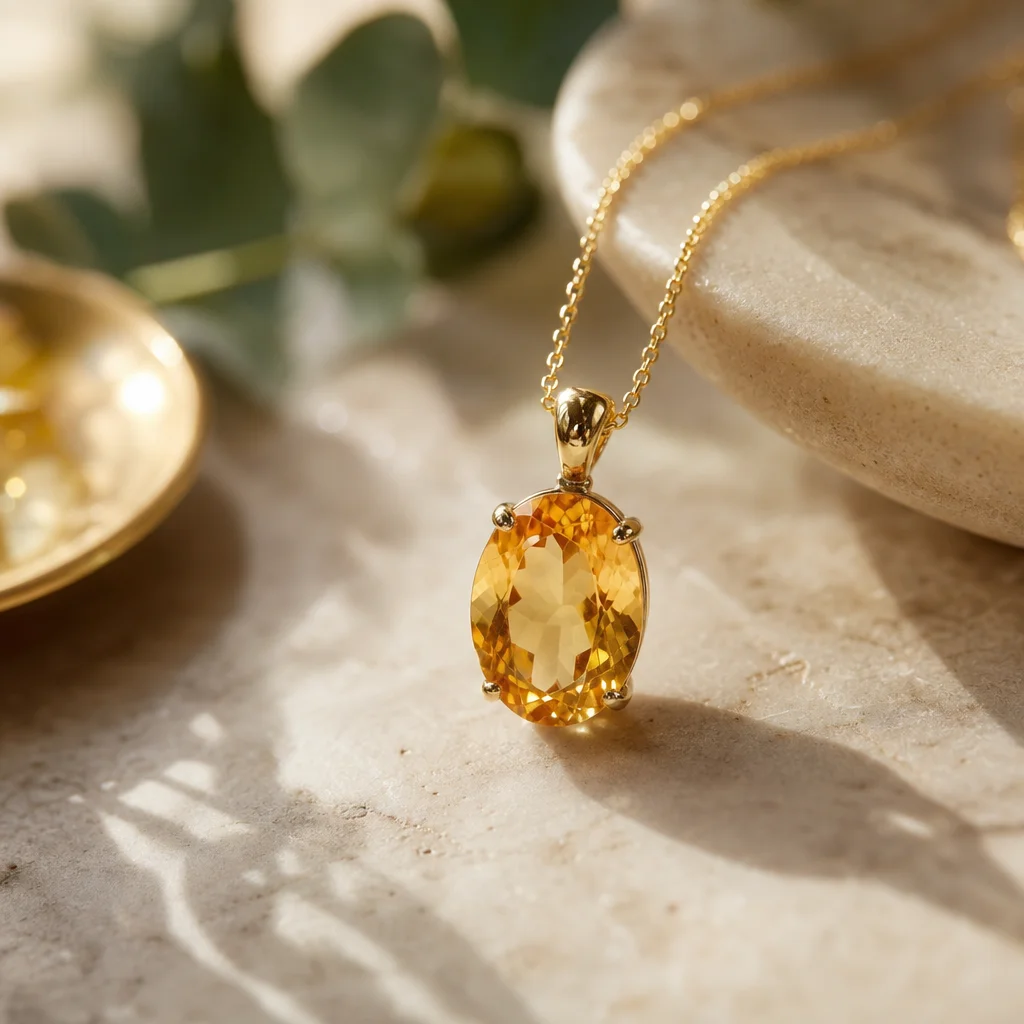
From a practical standpoint, the color difference means they serve different aesthetic purposes. Amethyst works well in silver settings and cool-toned jewelry. Citrine pairs beautifully with gold and warm metals. Both look striking in rose gold, which bridges the temperature gap between cool purple and warm yellow.
Caring for Both Stones
Since they are the same mineral, care is identical for both:
- Warm soapy water and a soft brush for routine cleaning
- Ultrasonic cleaners are generally safe for untreated stones, but use caution with heavily included specimens
- Steam cleaning is safe but unnecessary
- Store away from harder stones (sapphire, topaz, diamond) to avoid scratching
- Keep amethyst out of prolonged direct sunlight to prevent fading
Buying Recommendations
For amethyst, look for deep, saturated purple with red flashes (sometimes called "Siberian" or "Deep Russian" color, regardless of origin). The best amethyst has a rich purple that does not become too dark or blackish. Uruguay and Zambia produce some of the finest deep purple material on the market. A good amethyst pendant or ring should cost $15-60 for a nice piece, making it one of the best value colored stones available.
For citrine, decide whether natural or heated matters to you. If you want the rarity of natural citrine, look for pale honey-yellow colors and expect to pay a premium for verified origin. If you just want a beautiful golden stone (and most people do), heated citrine is perfectly acceptable and much more affordable. A nice citrine pendant or ring typically runs $10-40.
For ametrine, buy from reputable dealers who can verify Bolivian origin if you want the real thing. Genuine Anahí Mine ametrine with sharp purple-yellow zoning in a well-cut stone might cost $30-100 for a pendant-size piece. Suspiciously cheap "ametrine" with muddy color transitions is almost certainly heat-treated amethyst.
The Bottom Line
Amethyst and citrine are a reminder that nature works with a limited palette of elements and an infinite variety of conditions. Iron plus quartz plus radiation gives you purple. Iron plus quartz plus heat gives you gold. Both conditions in the same crystal gives you a two-tone rarity from Bolivia.
Whether you prefer the cool elegance of amethyst or the warm glow of citrine, you are buying one of nature's most versatile minerals at a price that makes it easy to own both.
Crystals are not a substitute for medical treatment. The cultural and traditional associations described in this article are for informational purposes.
How to Spot the Difference Between Amethyst and Citrine
As someone who has been collecting crystals for years, I've learned a few tricks to distinguish between amethyst and citrine. Here are some tips that I've found particularly helpful:
- Color Intensity: Amethyst typically has a deeper, more vibrant purple color compared to citrine's more muted, yellowish hue.
- Transparency: Amethyst is often more translucent, allowing light to pass through, whereas citrine is usually more opaque.
- Crystal Habit: Amethyst crystals often have a pointy, prismatic shape, while citrine crystals are more likely to be stubby and rounded.
- Surface Features: Look for inclusions or surface imperfections. Amethyst might have a speckled or cloudy appearance, while citrine often has a glassy finish.
- Price: Keep in mind that natural citrine is rarer and therefore more expensive than heated citrine. If the price seems too good to be true, it might not be natural citrine.
Crystal Meanings and Uses
Both amethyst and citrine have been used in jewelry and metaphysical practices for centuries. Here's a look at some of the meanings and uses associated with each stone:
Amethyst
- Metaphysical: Amethyst is often associated with peace and serenity. It's said to help in calming the mind, reducing stress, and promoting a sense of inner peace.
- Healing: Historically, amethyst was believed to protect against evil and increase wisdom. In modern crystal healing, it's thought to boost the immune system and aid in the healing of emotional traumas.
- Astral: Some believe that amethyst can enhance meditation and psychic abilities, helping to open the third eye and increase spiritual awareness.
Citrine
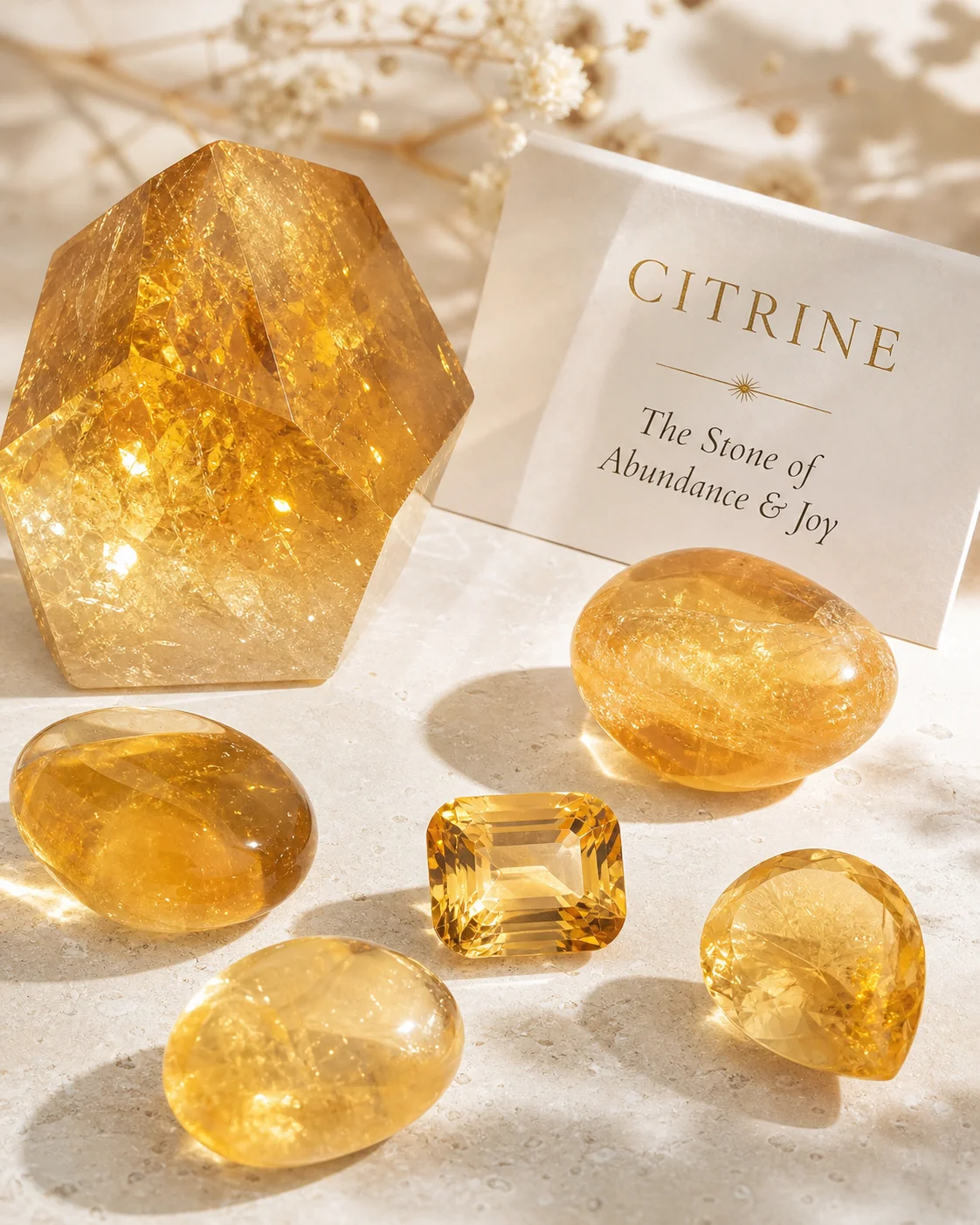
- Metaphysical: Citrine is known as the "stone of joy" and is often used to attract happiness, prosperity, and abundance. It's believed to stimulate creativity and enhance optimism.
- Healing: In crystal healing, citrine is thought to be a powerful cleanser and protector. It's said to aid in the healing of emotional blockages and to balance the solar plexus chakra.
- Astral: Some practitioners believe that citrine can help to attract positive energy and success in all endeavors. It's often used to enhance clarity of thought and to inspire a sense of well-being.
Comparison Table
| Amethyst | Citrine |
|---|---|
| Chemical Composition: | SiO₂ |
| Color: | Deep purple |
| Crystal System: | Trigonal |
| Formation: | Naturally occurring or heated |
| Meaning: | Peace, serenity, wisdom, protection |
| Metaphysical Uses: | Aids meditation, enhances psychic abilities, emotional healing |
| Healing Properties: | Boosts immune system, healing emotional traumas |
| Price Range: | Varies depending on quality and source |
Recommendation Section
When it comes to choosing between amethyst and citrine, the decision largely depends on your personal preferences and intended use. Here's a quick recommendation section to help you decide:
- For Meditation and Serenity: Choose amethyst. Its deep purple color and calming energy make it ideal for meditation and stress relief.
- For Abundance and Happiness: Go for citrine. Its vibrant yellow-to-orange hues are associated with joy and prosperity, making it a great choice for those looking to attract positive energy.
- For a Colorful Addition to Your Collection: Mix and match! Combine the deep purple of amethyst with the bright yellow of citrine for a striking visual contrast.
Frequently Asked Questions
Can amethyst and citrine be worn together?
Can amethyst and citrine be worn together?
Yes, amethyst and citrine can be worn together. In fact, combining these two stones can create a beautiful contrast in color and energy.
Is natural citrine more valuable than heated citrine?
Is natural citrine more valuable than heated citrine?
Yes, natural citrine is typically more valuable than heated citrine due to its rarity and the natural geological processes involved in its formation.
Can amethyst be heated to turn it into citrine?
Can amethyst be heated to turn it into citrine?
Yes, amethyst can be heated to transform it into citrine. This process is often used to create citrine that appears natural when, in fact, it was once amethyst.
Are there any differences in hardness between amethyst and citrine?
Are there any differences in hardness between amethyst and citrine?
Both amethyst and citrine have a hardness of 7 on the Mohs scale. This means they are relatively durable and can withstand everyday wear.
Can amethyst and citrine be used in crystal healing?
Can amethyst and citrine be used in crystal healing?
Yes, both amethyst and citrine are used in crystal healing. They each have unique properties that can be beneficial for different aspects of healing and personal development.
Comments